

Oil Prices Fluctuate Amid Syria Tensions and China Policy
Middle East Geopolitical Tensions and Impact on Oil Prices
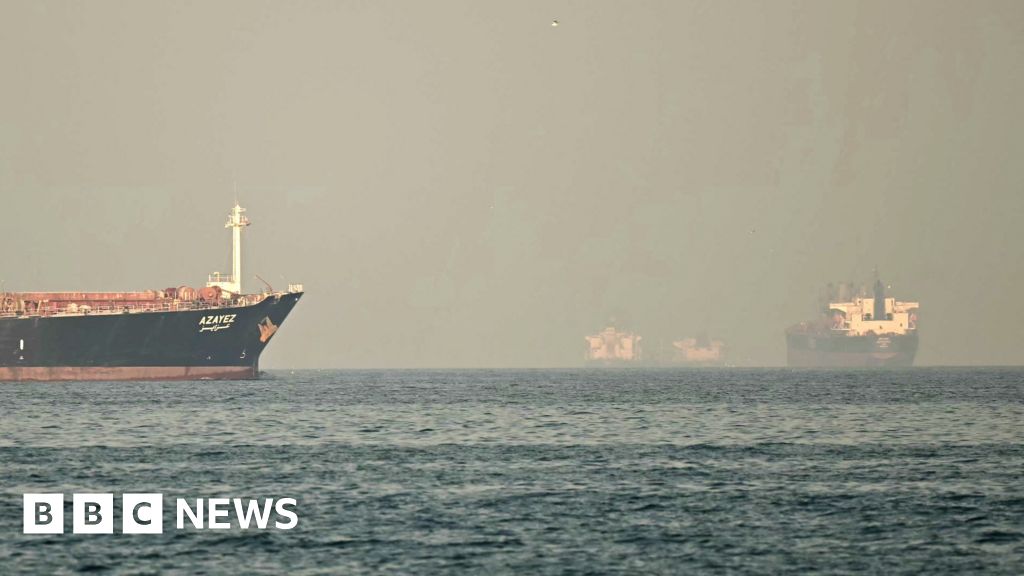
The recent overthrow of Syrian President Bashar al-Assad by rebel forces has escalated political instability in the Middle East, raising concerns over its potential impact on global oil markets. Assad's removal marks the end of a 50-year dynasty and introduces significant uncertainty in a region already grappling with long-standing conflicts. The geopolitical risk premium has consequently increased, with markets pricing in the possibility of broader regional instability.
While Syria's oil production has been negligible due to the prolonged civil war, its strategic location and alliances with key oil-producing nations, such as Iran and Russia, amplify its importance in the global energy landscape. Analysts expect that the shift in power dynamics could further complicate supply-side risks, particularly as fears grow over the stability in neighboring regions. However, the immediate impact on crude supply is expected to remain minimal, as Syria’s oil output has dwindled to just 34,000 barrels per day from its peak of 600,000 barrels per day.
China's Economic Policies and Demand Outlook
China, the world's largest importer of crude oil, is attempting to bolster its slowing economy with a shift toward more accommodative monetary policies. At a recent Politburo meeting, officials signaled a move to "moderately loose" monetary conditions, reminiscent of the 2010 post-global financial crisis era. This policy shift aims to stabilize the property sector and stimulate consumer demand, which has remained subdued despite aggressive fiscal measures.
However, weak inflation data, with consumer prices hitting a five-month low in November, continue to weigh on investor sentiment. China's sluggish recovery has been a key factor in global oil demand forecasts, prompting caution in crude markets. Analysts note that while the policy shift could offer long-term support, immediate signs of stronger oil demand remain elusive. The market awaits further clarity from China’s Central Economic Work Conference and upcoming trade data to gauge the effectiveness of these measures.
OPEC+ Production Cuts and Market Sentiment
OPEC+ has extended its production cuts until the end of 2026, citing ongoing concerns over a potential supply surplus amid weakening global demand. This decision underscores the cartel's cautious approach, as it aims to stabilize prices in a market facing headwinds from slowing economic growth, particularly in China. The group has also delayed its planned output increases to April next year, reflecting persistent demand-side uncertainties.
Separately, Saudi Aramco, the world's largest oil exporter, has reduced its January 2025 crude prices for Asian buyers to their lowest levels since early 2021. This move indicates ongoing weakness in the region's demand, particularly from China, which is battling a protracted economic slowdown. Market sentiment remains fragile, as investors weigh the effects of these production cuts against signs of softening demand.
Key Economic Indicators Shaping Market Trends
This week’s key economic releases, including U.S. inflation data and China’s trade figures, are expected to provide critical insights into the direction of oil prices. U.S. inflation, in particular, could influence Federal Reserve policy decisions, with potential implications for energy markets. Higher interest rates would likely weigh on crude prices by dampening broader economic activity.
Additionally, China's trade data will be closely watched as a barometer for the health of the world's largest oil-importing economy. Beyond these indicators, geopolitical developments, such as the regime change in Syria and its implications for Middle Eastern stability, continue to shape investor sentiment. Uncertainty over U.S. energy policies and sanctions against Iran further complicates the outlook, leaving markets on edge as they navigate multiple layers of risk.
 Sources

About the author







- Oil prices mixed rising Mideast tensions offset demand concerns
 reuters
 - Oil prices edge higher markets weigh Syria tensions, demand woes Investing.com
 investing
 - Oil edges rising Mideast tensions offset demand fearsreuters
- Oil climbs Assad's fall brings uncertainty Middle Eastreuters