

Trending News
Stay ahead with Intellectia's Trending News, delivering the latest financial market updates and insights.




Japan Inflation Surges Amid Subsidy Phase-Out
Japan's core inflation rose to 2.7% in November, driven by higher energy and food prices, surpassing October’s 2.3% increase. The phasing out of government subsidies and a weakening yen contributed to this rise. While the Bank of Japan (BOJ) held interest rates steady, discussions about potential rate hikes in early 2024 are intensifying. Economists predict a gradual tightening of monetary policy as inflation aligns with BOJ's targets, although wage growth and consumer spending remain concerns.
30 May 25
Novo, Lilly Face Pricing Threat from Generic Copies
Novo Nordisk and Eli Lilly are expanding their sales of weight-loss and diabetes drugs like Ozempic and Mounjaro. However, cheaper generic copies approved in countries like Bangladesh, Russia, and Laos pose a significant challenge to their market share and pricing strategies. While the high demand currently sustains prices, experts predict long-term competition will drive costs down, affecting revenue. Regulatory frameworks in developing nations enable local manufacturers to produce these generics, intensifying the competitive landscape.
20 Dec 24

U.S. Finalizes $458M Grant for SK Hynix Facility
The U.S. Commerce Department has finalized a $458 million grant for SK Hynix to establish an advanced chip packaging and research facility in Indiana. The project, supported by an additional $500 million in government loans, aims to bolster AI semiconductor production, create 1,000 jobs, and address gaps in the U.S. semiconductor supply chain. This initiative is part of a broader $39 billion subsidy program to strengthen domestic semiconductor manufacturing.
19 Dec 24

UK Inflation Rises to 2.6% Amid Price Pressures
UK inflation climbed to 2.6% in November, marking the second consecutive monthly rise, with fuel, clothing, and household services driving the increase. The Bank of England maintained its interest rate at 4.75%, aiming to manage inflation as underlying pressures like services inflation held steady at 5.0%. Economists emphasize persistent price challenges, while government officials highlight the economic strain on households. Despite a temporary dip in sterling, the central bank signaled gradual rate adjustments in the coming months.
18 Dec 24

Party City Faces Potential Second Bankruptcy
Party City is reportedly considering a second bankruptcy filing, less than a year after exiting Chapter 11 protection. Despite reducing its debt by $1 billion during its restructuring, the retailer continues to struggle with $800 million in debt, declining sales, and cash flow challenges. Lenders, including Monarch Alternative Capital and Silver Point Capital, now own the company, but ongoing financial pressures are straining profitability and liquidity.
11 Dec 24
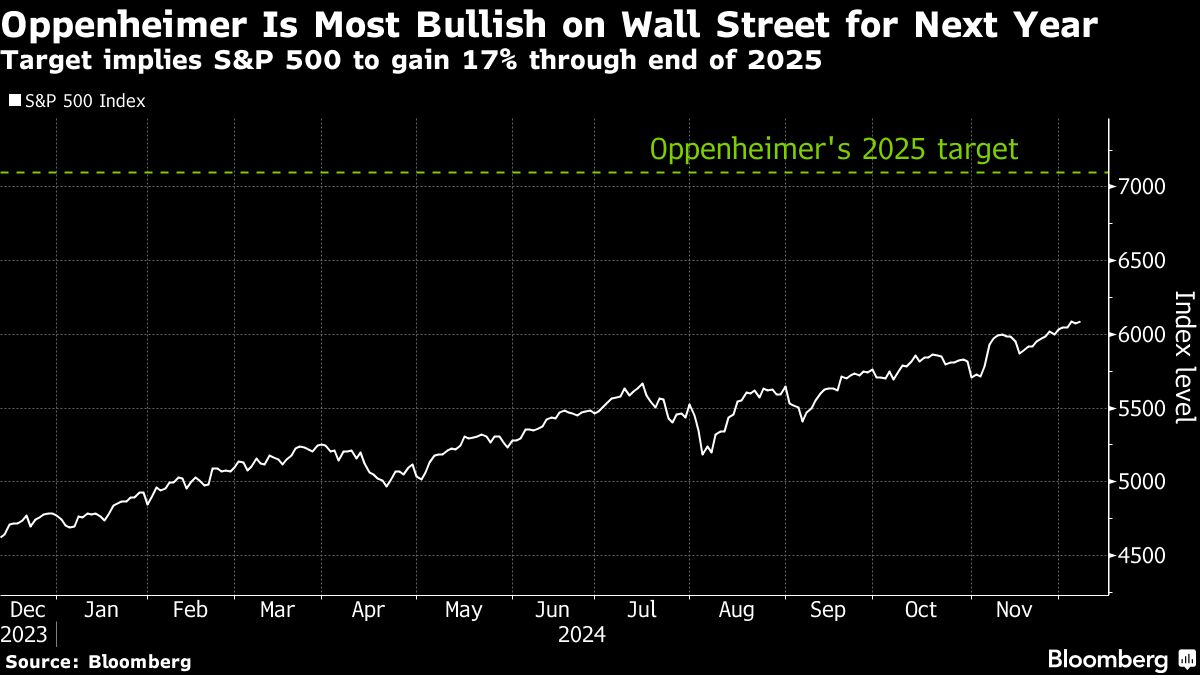
Bullish 2025 S&P 500 Projections Amid Market Volatility
Analysts project a bullish outlook for the S&P 500 through 2025, citing resilient economic growth, artificial intelligence advancements, and broadening market participation beyond mega-cap stocks. Yardeni Research, Oppenheimer, and Citigroup share varying targets, with forecasts ranging from 6,500 to 7,100. However, potential volatility and elevated valuations suggest a cautious approach. Analysts emphasize the importance of AI-driven productivity, stable monetary policy, and sectoral diversification to sustain long-term rallies despite near-term pullbacks.
10 Dec 24
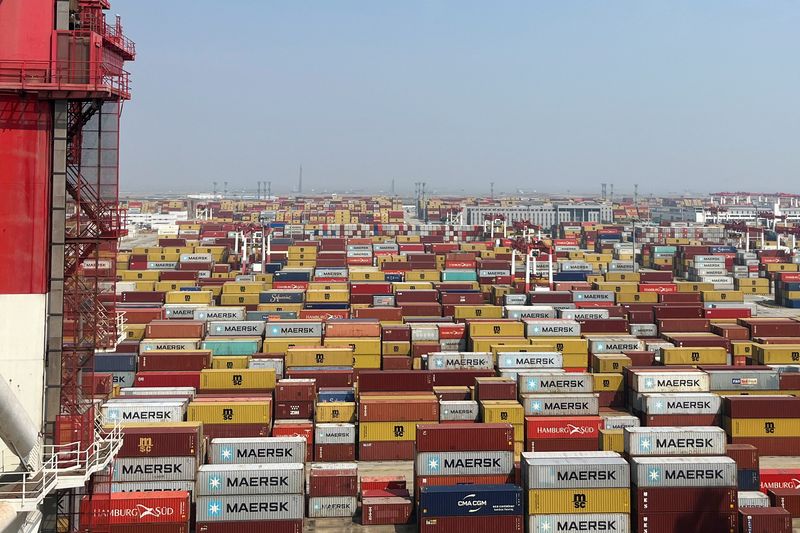
China's Exports Slow as Trade Risks Mount
China's export growth slowed to 6.7% in November, down from October's 12.7%, as global demand cooled and trade tensions with the U.S. and EU escalated. Imports shrank by 3.9%, reflecting weak domestic demand despite government stimulus measures. Concerns over incoming tariffs from U.S. President-elect Donald Trump and ongoing EU trade disputes prompted Chinese exporters to frontload shipments. Amid a struggling property market and global economic slowdown, policymakers are preparing further fiscal stimulus to stabilize growth.
10 Dec 24
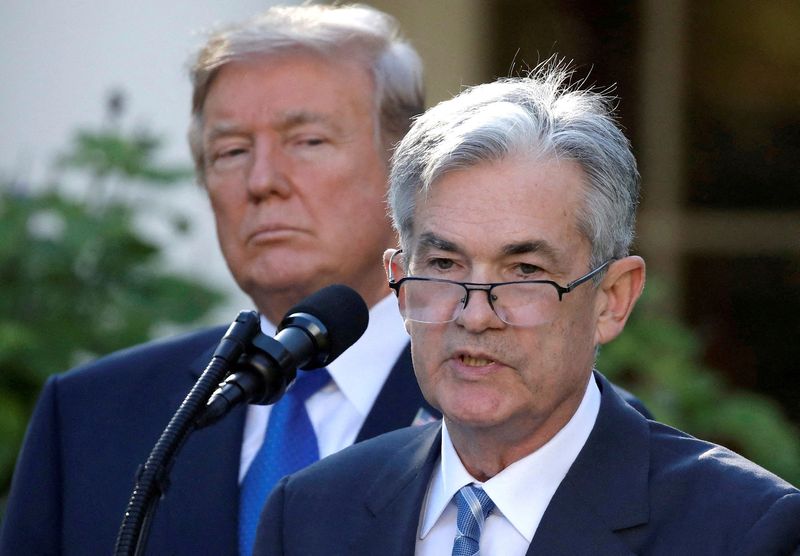
Trump Signals No Immediate Plans to Replace Powell
President-elect Donald Trump has stated that he does not plan to replace Federal Reserve Chair Jerome Powell before his term ends in 2026 despite past tensions over interest rate policies. In a recent interview, Trump acknowledged Powell's legal protection from removal without cause but reiterated his belief in greater presidential influence over the Fed's decisions. While the relationship between Trump and Powell remains contentious, with potential policy clashes ahead, both parties have adopted a more measured tone in recent engagements. Economists warn against political interference in the Fed, citing risks of higher inflation and economic instability.
10 Dec 24
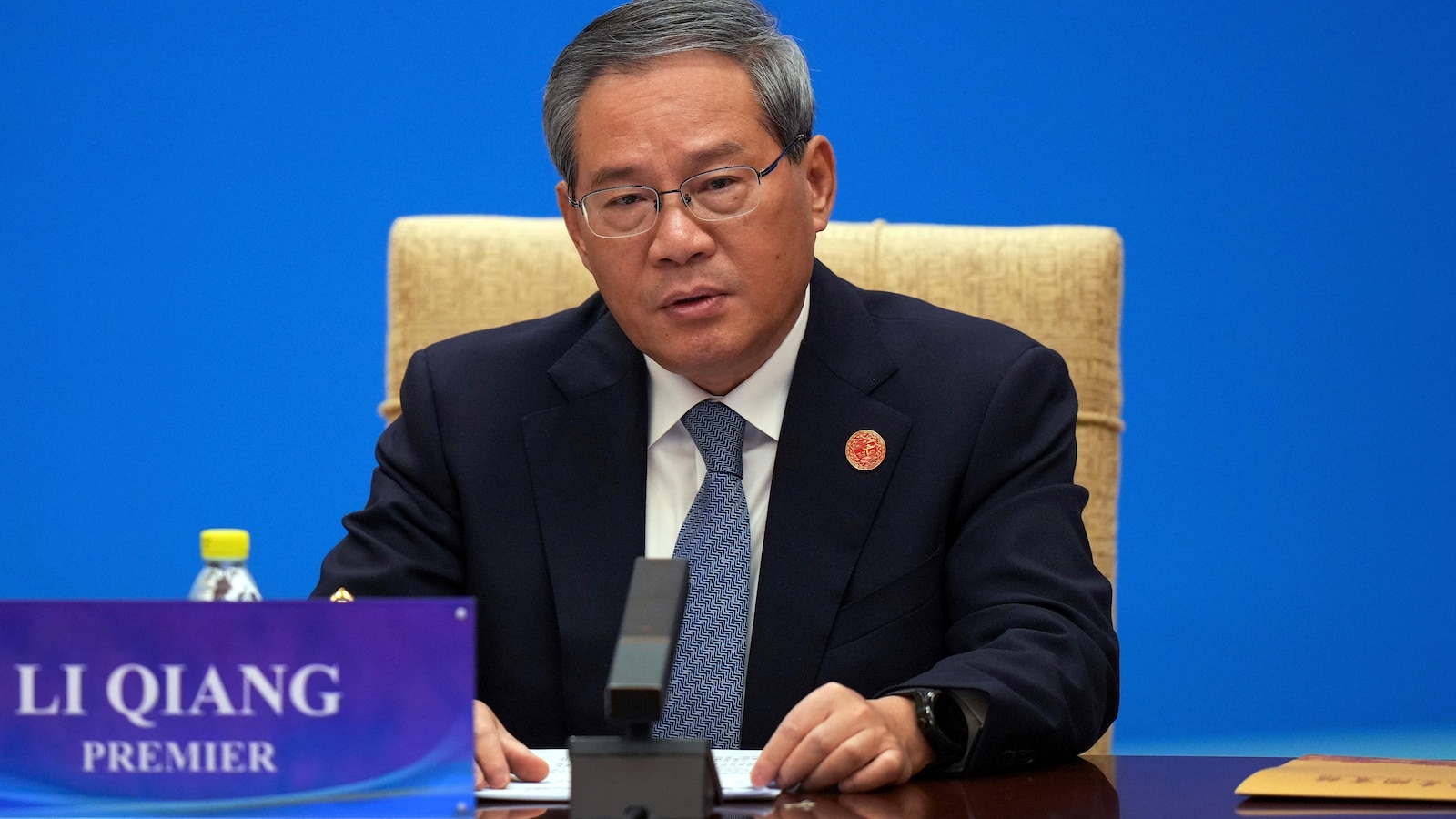
China Signals Bold Economic Stimulus for 2025
China's leadership has announced a notable shift in economic policy for 2025, adopting a "moderately loose" monetary stance and proactive fiscal measures to stabilize its slowing economy. The Politburo emphasized boosting domestic demand, increasing consumption, and addressing challenges in the property and stock markets. This pivot comes amid global trade tensions and the threat of new U.S. tariffs. Key measures include interest rate cuts, fiscal stimulus, and infrastructure investment to achieve a 5% GDP growth target while countering economic deflation and structural imbalances.
---
10 Dec 24

Omnicom's $13B IPG Merger Reshapes Ad Industry
Omnicom Group has announced a $13 billion all-stock acquisition of Interpublic Group, combining their operations to form the world's largest advertising agency with $26 billion in annual revenue. The merger is expected to generate $750 million in cost synergies and faces regulatory scrutiny. As the industry adapts to evolving tech and AI trends, the deal aims to counter competition from Big Tech while reshaping the global advertising landscape. Analysts anticipate major job cuts, integration challenges, and heightened competition from smaller agencies leveraging the disruption.
10 Dec 24
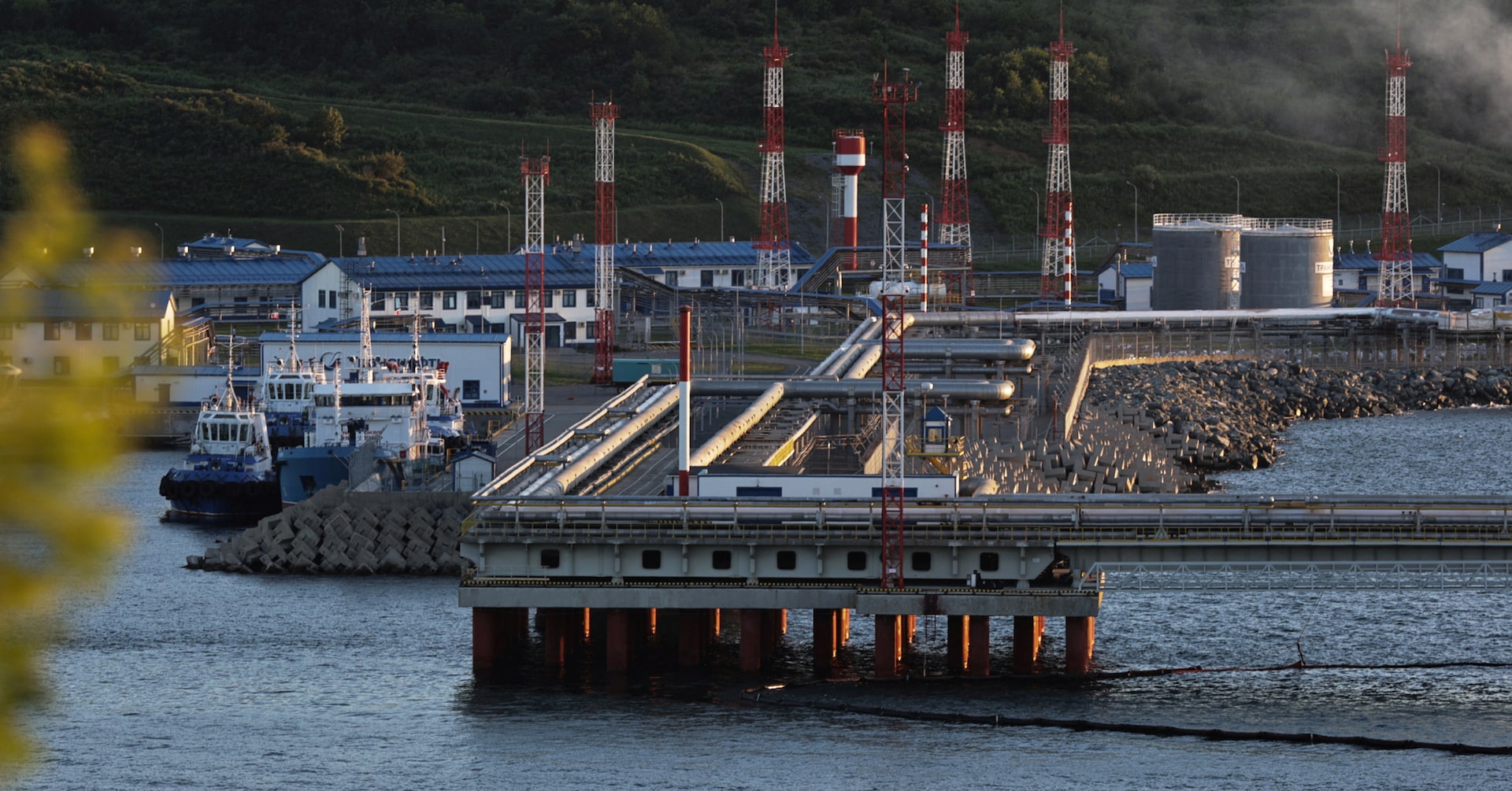
Oil Prices Fluctuate Amid Syria Tensions and China Policy
Oil prices showed mixed movements as geopolitical tensions in the Middle East, following the ousting of Syrian President Bashar al-Assad, collided with weak demand signals from China. Brent crude and WTI prices saw slight gains, supported by China's monetary easing policies aimed at bolstering economic growth. However, Saudi Arabia's price cuts and OPEC+'s extended production cuts reflect ongoing demand concerns. Investors are closely monitoring regional stability and global economic indicators, including U.S. inflation data and China's trade policies, for market direction.
10 Dec 24
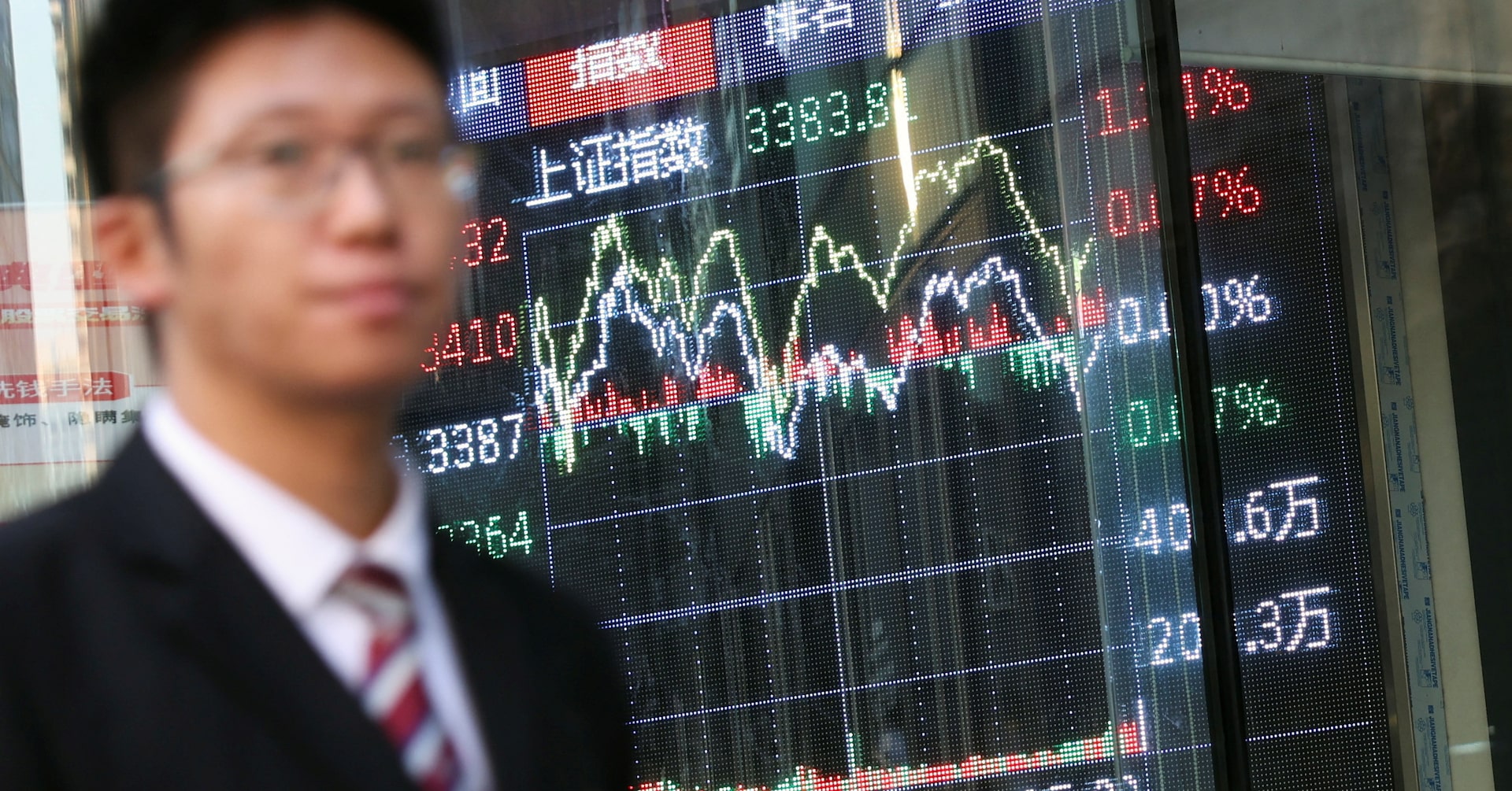
China Policy Shift Sparks Stock Market Surge
China's Politburo announced a significant shift towards a "moderately loose" monetary policy and proactive fiscal measures, aiming to stabilize stock and property markets while boosting domestic demand. This announcement led to a rally in Chinese stocks, with the Hang Seng Index rising 3% and CSI 300 surging 2.5%. Investors anticipate further details in the upcoming Central Economic Work Conference. However, skepticism remains regarding the long-term impact, given deflationary pressures, weak consumption, and ongoing trade tensions with the U.S.
---
10 Dec 24