

Strait of Hormuz Tensions Surge Oil Prices
Strait of Hormuz Incidents and Shipping Impact
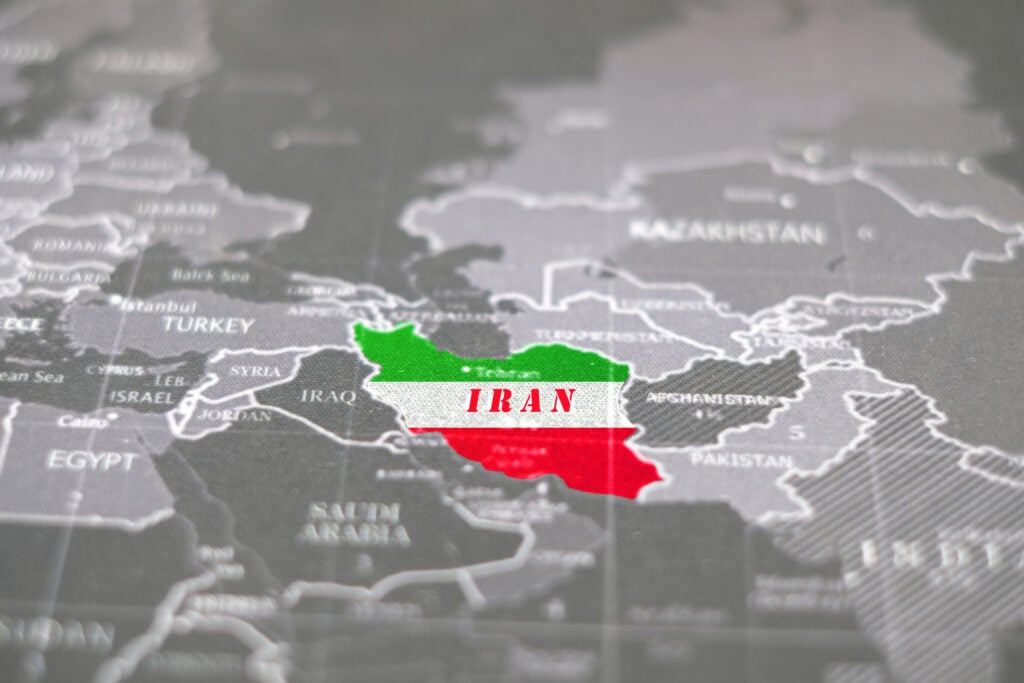
Recent incidents near the Strait of Hormuz have resulted in significant disruptions to international shipping. Multiple vessels were reportedly struck by unknown projectiles, with the UK Maritime Trade Operations Centre (UKMTO) advising caution for ships navigating the area. Iran's warnings to vessels transiting the strait, which carries 20% of the world's oil and gas, have exacerbated tensions.
In response to these threats, over 150 tankers have anchored in open Gulf waters near the strait, while only a few Iranian and Chinese vessels have dared to pass. Elevated risks have driven insurance costs for shipping through the region to unprecedented levels. Experts suggest that unless the situation stabilizes, international shipping and trade could face prolonged disruptions, further straining global supply chains.
Global Oil Price Surge and Economic Concerns
Oil prices have surged in the wake of the Strait of Hormuz incidents and escalating tensions in the Middle East. Brent crude, the global benchmark, has climbed to nearly $80 per barrel in over-the-counter trades, with some analysts projecting prices could breach $100 if the crisis persists.
The Strait of Hormuz is a critical chokepoint for global oil supplies, with around 20 million barrels passing through daily. Any extended disruption could lead to a severe energy crisis, especially for oil-dependent nations like China and India. Analysts warn that higher crude prices will likely drive up gasoline costs, amplify inflationary pressures, and destabilize economic growth in vulnerable economies.
OPEC+ Response and Uncertain Effectiveness
In an effort to cushion the impact of rising oil prices, OPEC+ has announced an increase in daily output by 206,000 barrels. This move follows previous production adjustments earlier in the year and reflects the bloc's attempt to stabilize the market amid geopolitical uncertainties.
However, experts remain skeptical about the effectiveness of this measure in mitigating prolonged price hikes. The current production increase is unlikely to offset the potential supply disruptions caused by the closure of the Strait of Hormuz. With global demand remaining robust and risks to supply mounting, the capacity of OPEC+ to control market volatility appears limited, leaving markets exposed to further price escalations.
 Sources


About the author






- ships hit near Strait Hormuz fears grow oil price rises
 bbc
bbc - expect oil gas prices strikes Iran continue
 yahoo
yahoo - ships attacked near Strait Hormuz fears grow oil price risesbbc
- Will Iran Shut Down Strait Of Hormuz? Here's What Prediction Market Is Saying
 benzinga