

Cyclical Stocks Show Strong Performance Amid Market Shifts


- DuPont Restructuring: DuPont's split into Qnity Electronics and the new DuPont, focusing on healthcare and water, has shown strong quarterly results, indicating significant progress in its transformation and potential to enhance market competitiveness.
- Dover's Performance Surge: Dover's investments in industrial sectors have resulted in double-digit bookings and near double-digit earnings growth, demonstrating robust performance in a low-interest-rate environment and signaling future growth potential.
- Honeywell's Spin-Off Plans: As Honeywell approaches its split into aerospace and automation businesses, market recognition of its value is increasing, particularly for the security automation segment, which could benefit from lower rates, driving the stock price recovery from the $190s last year.
- Eaton and GE Vernova Price Target Increases: Eaton and GE Vernova's price targets have been raised from $410 and $800 to $425 and $875 respectively, reflecting strong market expectations for data center demand, despite both companies having other business developments.
Trade with 70% Backtested Accuracy
Analyst Views on LOW

About LOW
About the author


Market Dynamics and Investment Opportunities Analysis
- Oil Price Volatility: Global benchmark Brent crude has fallen from yesterday's high of $85.12 to around $81, with Treasury Secretary Scott Bessent indicating that the Trump administration plans to announce measures to stabilize oil flows in the Persian Gulf, highlighting the need for policy intervention.
- CrowdStrike's Strong Earnings: CrowdStrike exceeded expectations across key financial metrics, with CEO George Kurtz emphasizing that AI serves as a tailwind for data protection rather than a hindrance, and despite cautious market sentiment, the stock remains flat, indicating investor confidence in its long-term prospects.
- Ross Stores' Robust Performance: Ross Stores reported a 9% increase in same-store sales for the holiday quarter, significantly surpassing the 5.1% consensus, leading to a nearly 7% premarket stock rise, demonstrating strong consumer acceptance of its off-price retail model.
- Target Stock Upgrades: Following a surprisingly positive report, Target received two upgrades from analysts, with Bernstein moving from sell to hold and Telsey Advisory Group upgrading from hold to buy with a target price of $145, reflecting market optimism regarding the new CEO's potential impact.

Comparative Analysis of Home Depot and Lowe's AI Strategies

- AI Application Innovation: Home Depot's collaboration with Google to develop the Magic Apron assistant aims to provide project advice and product inquiries for contractors, enhancing customer experience and strengthening market competitiveness.
- Customer Service Optimization: Lowe's launched the Mylow digital assistant focused on DIY customers, utilizing AI to train employees and provide virtual advisory services, thereby improving employee efficiency and customer interaction.
- Financial Performance Comparison: In 2025, both companies achieved a 3% year-over-year increase in net sales, but with rising operating expenses, profitability slightly declined, indicating a focus on employee productivity.
- Valuation Discrepancy: Home Depot's price-to-earnings ratio stands at approximately 26 times, significantly higher than Lowe's 22 times, and its dividend yield of 2.4% compared to Lowe's 1.8% reflects greater market recognition of its higher valuation.

Comparison of AI Strategies by Home Depot and Lowe's
- AI Application Focus: Home Depot's partnership with Google to develop the Magic Apron assistant aims to provide contractors with project advice and product information, enhancing customer service efficiency and strengthening its competitive position in the contractor market.
- DIY Market Strategy: Lowe's collaboration with OpenAI to launch the Mylow digital assistant focuses on helping DIY customers and employees improve sales efficiency, aiming to enhance customer experience and increase market share through an AI-powered virtual advisor.
- Financial Performance Comparison: Although both companies reported a 3% increase in net sales for 2025, their profitability slightly declined due to rising operating costs, indicating a focus on employee productivity.
- Valuation Differences: Home Depot's price-to-earnings ratio stands at about 26 times, higher than Lowe's 22 times, and its dividend yield of 2.4% compared to Lowe's 1.8% may make it more attractive to investors, potentially justifying its higher valuation.
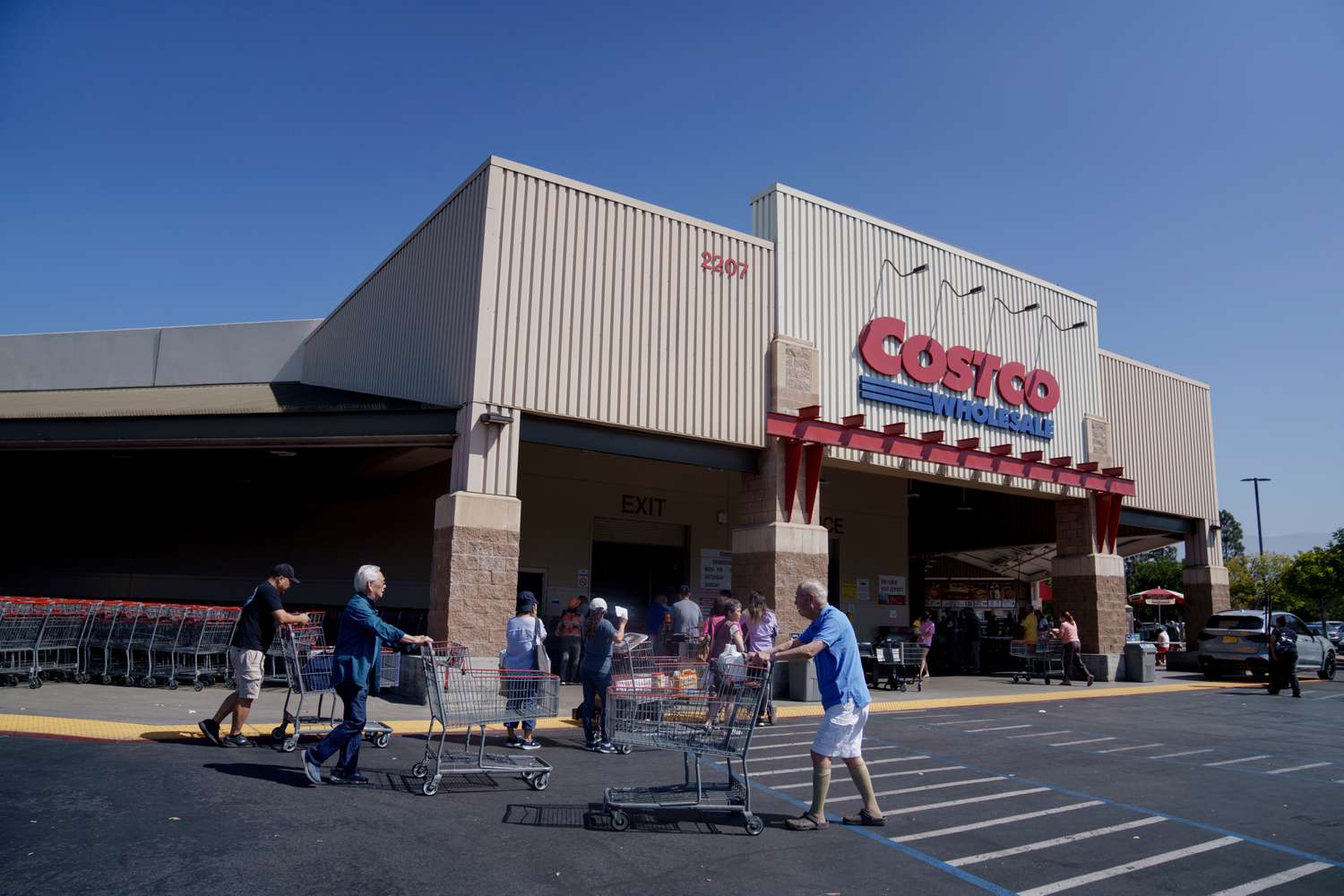
Home Depot vs. Lowe's: AI Strategies Compared
- AI Strategy Differences: Home Depot and Lowe's are adopting distinct approaches to AI, with Home Depot's partnership with Google to develop the Magic Apron assistant aimed at contractors, while Lowe's collaborates with OpenAI to launch the Mylow assistant for DIY customers, highlighting their differing market focuses.
- Similar Financial Performance: Both companies reported a 3% year-over-year increase in net sales for 2025, yet slightly lower earnings due to rising operating expenses, indicating a shared goal of enhancing employee productivity amid AI investments.
- Valuation Discrepancies: Home Depot's price-to-earnings ratio stands at approximately 26 times, significantly higher than Lowe's 22 times, with dividend yields of 2.4% and 1.8% respectively, which may lead investors to favor Home Depot despite unclear AI outcomes for both companies.
- Investment Considerations: While Home Depot holds a slight historical valuation advantage, analysts suggest that investors should consider other stocks deemed more promising before purchasing Home Depot shares, reflecting a cautious outlook on the company's future performance.

Home Depot and Lowe's: Capitalizing on the Earnings Decline
Market Performance: Home Depot and Lowe's reported better-than-expected fourth-quarter earnings, yet their stock prices fell, indicating market concerns about future performance amid a challenging housing market and high mortgage rates.
Economic Challenges: Both companies cited a frozen housing market as a primary reason for conservative guidance in fiscal year 2026, with homeowners reluctant to move due to low interest rates on existing mortgages.
Revenue Generation: Despite current economic pressures, both retailers are generating substantial revenue and profit, with Home Depot reporting earnings per share of $2.72 and Lowe's at $1.98, both exceeding analyst expectations.
Future Outlook: The companies are adapting their business models to capture stable revenue streams from professional contractors, while also managing costs to maintain profitability in a volatile market environment.
Lowe's Cautious FY26 Outlook Triggers Stock Sell-Off
- Conservative Financial Guidance: Lowe's conservative guidance for FY26 led to a significant stock sell-off, with CEO Marvin Ellison highlighting the lack of favorable conditions in the housing market, which poses challenges and impacts investor confidence.
- Supply-Demand Imbalance: Industry data reveals a significant gap between buyers, who view home prices as too high and mortgage rates as still elevated, and sellers, who cannot secure contracts as quickly as before, exacerbating market uncertainty.
- Analysts' Optimistic Outlook: Despite challenges, analysts remain bullish on Lowe's future, citing strong comparable sales and the potential for a housing market rebound to support stock performance, with Morgan Stanley suggesting the industry is bottoming out, making Lowe's investment case favorable.
- Strong Professional Segment: The robust performance of the professional segment will offset struggles in the DIY sector, with BofA Securities noting that rising tax refunds and HELOC activity will support Lowe's bottom line, enhancing confidence in future valuation multiple expansion.
Market Dynamics and Investment Opportunities Analysis
- Oil Price Volatility: Global benchmark Brent crude has fallen from yesterday's high of $85.12 to around $81, with Treasury Secretary Scott Bessent indicating that the Trump administration plans to announce measures to stabilize oil flows in the Persian Gulf, highlighting the need for policy intervention.
- CrowdStrike's Strong Earnings: CrowdStrike exceeded expectations across key financial metrics, with CEO George Kurtz emphasizing that AI serves as a tailwind for data protection rather than a hindrance, and despite cautious market sentiment, the stock remains flat, indicating investor confidence in its long-term prospects.
- Ross Stores' Robust Performance: Ross Stores reported a 9% increase in same-store sales for the holiday quarter, significantly surpassing the 5.1% consensus, leading to a nearly 7% premarket stock rise, demonstrating strong consumer acceptance of its off-price retail model.
- Target Stock Upgrades: Following a surprisingly positive report, Target received two upgrades from analysts, with Bernstein moving from sell to hold and Telsey Advisory Group upgrading from hold to buy with a target price of $145, reflecting market optimism regarding the new CEO's potential impact.
Comparative Analysis of Home Depot and Lowe's AI Strategies
- AI Application Innovation: Home Depot's collaboration with Google to develop the Magic Apron assistant aims to provide project advice and product inquiries for contractors, enhancing customer experience and strengthening market competitiveness.
- Customer Service Optimization: Lowe's launched the Mylow digital assistant focused on DIY customers, utilizing AI to train employees and provide virtual advisory services, thereby improving employee efficiency and customer interaction.
- Financial Performance Comparison: In 2025, both companies achieved a 3% year-over-year increase in net sales, but with rising operating expenses, profitability slightly declined, indicating a focus on employee productivity.
- Valuation Discrepancy: Home Depot's price-to-earnings ratio stands at approximately 26 times, significantly higher than Lowe's 22 times, and its dividend yield of 2.4% compared to Lowe's 1.8% reflects greater market recognition of its higher valuation.
Comparison of AI Strategies by Home Depot and Lowe's
- AI Application Focus: Home Depot's partnership with Google to develop the Magic Apron assistant aims to provide contractors with project advice and product information, enhancing customer service efficiency and strengthening its competitive position in the contractor market.
- DIY Market Strategy: Lowe's collaboration with OpenAI to launch the Mylow digital assistant focuses on helping DIY customers and employees improve sales efficiency, aiming to enhance customer experience and increase market share through an AI-powered virtual advisor.
- Financial Performance Comparison: Although both companies reported a 3% increase in net sales for 2025, their profitability slightly declined due to rising operating costs, indicating a focus on employee productivity.
- Valuation Differences: Home Depot's price-to-earnings ratio stands at about 26 times, higher than Lowe's 22 times, and its dividend yield of 2.4% compared to Lowe's 1.8% may make it more attractive to investors, potentially justifying its higher valuation.
Home Depot vs. Lowe's: AI Strategies Compared
- AI Strategy Differences: Home Depot and Lowe's are adopting distinct approaches to AI, with Home Depot's partnership with Google to develop the Magic Apron assistant aimed at contractors, while Lowe's collaborates with OpenAI to launch the Mylow assistant for DIY customers, highlighting their differing market focuses.
- Similar Financial Performance: Both companies reported a 3% year-over-year increase in net sales for 2025, yet slightly lower earnings due to rising operating expenses, indicating a shared goal of enhancing employee productivity amid AI investments.
- Valuation Discrepancies: Home Depot's price-to-earnings ratio stands at approximately 26 times, significantly higher than Lowe's 22 times, with dividend yields of 2.4% and 1.8% respectively, which may lead investors to favor Home Depot despite unclear AI outcomes for both companies.
- Investment Considerations: While Home Depot holds a slight historical valuation advantage, analysts suggest that investors should consider other stocks deemed more promising before purchasing Home Depot shares, reflecting a cautious outlook on the company's future performance.
Home Depot and Lowe's: Capitalizing on the Earnings Decline
Market Performance: Home Depot and Lowe's reported better-than-expected fourth-quarter earnings, yet their stock prices fell, indicating market concerns about future performance amid a challenging housing market and high mortgage rates.
Economic Challenges: Both companies cited a frozen housing market as a primary reason for conservative guidance in fiscal year 2026, with homeowners reluctant to move due to low interest rates on existing mortgages.
Revenue Generation: Despite current economic pressures, both retailers are generating substantial revenue and profit, with Home Depot reporting earnings per share of $2.72 and Lowe's at $1.98, both exceeding analyst expectations.
Future Outlook: The companies are adapting their business models to capture stable revenue streams from professional contractors, while also managing costs to maintain profitability in a volatile market environment.
Lowe's Cautious FY26 Outlook Triggers Stock Sell-Off
- Conservative Financial Guidance: Lowe's conservative guidance for FY26 led to a significant stock sell-off, with CEO Marvin Ellison highlighting the lack of favorable conditions in the housing market, which poses challenges and impacts investor confidence.
- Supply-Demand Imbalance: Industry data reveals a significant gap between buyers, who view home prices as too high and mortgage rates as still elevated, and sellers, who cannot secure contracts as quickly as before, exacerbating market uncertainty.
- Analysts' Optimistic Outlook: Despite challenges, analysts remain bullish on Lowe's future, citing strong comparable sales and the potential for a housing market rebound to support stock performance, with Morgan Stanley suggesting the industry is bottoming out, making Lowe's investment case favorable.
- Strong Professional Segment: The robust performance of the professional segment will offset struggles in the DIY sector, with BofA Securities noting that rising tax refunds and HELOC activity will support Lowe's bottom line, enhancing confidence in future valuation multiple expansion.




