

Valero Posts Higher-Than-Expected Profit Despite Sharp Refining Margin Decline
Written by Emily J. Thompson, Senior Investment Analyst
Updated: Apr 24 2025
0mins


Should l Buy VLO?
Source: Benzinga
Valero Energy Corporation's Financial Performance: Valero reported first-quarter sales of $30.26 billion, exceeding analyst expectations, but saw a decline in adjusted operating income across its refining and ethanol segments compared to the previous year. The Renewable Diesel segment experienced an operating loss of $141 million.
Stockholder Returns and Market Reaction: Despite the mixed financial results, Valero returned $633 million to stockholders through dividends and share repurchases, and announced an increase in its quarterly cash dividend. However, shares traded lower by 0.4% premarket following the report.
Trade with 70% Backtested Accuracy
Stop guessing "Should I Buy VLO?" and start using high-conviction signals backed by rigorous historical data.
Sign up today to access powerful investing tools and make smarter, data-driven decisions.
Analyst Views on VLO
Wall Street analysts forecast VLO stock price to fall
17 Analyst Rating
11 Buy
6 Hold
0 Sell
Moderate Buy
Current: 217.710

Low
149.00
Averages
186.56
High
223.00
Current: 217.710
Low
149.00
Averages
186.56
High
223.00
About VLO
Valero Energy Corporation, through its subsidiaries, is a multinational manufacturer and marketer of petroleum-based and low-carbon liquid transportation fuels and petrochemical products. The Company sells its products primarily in the United States, Canada, the United Kingdom, Ireland and Latin America. Its segments include Refining, Renewable Diesel, and Ethanol. The Refining segment includes the operations of its petroleum refineries, the associated activities to market its refined petroleum products, and the logistics assets that support its refining operations. The Renewable Diesel segment represents the operations of Diamond Green Diesel (DGD), and the associated activities to market renewable diesel, renewable naphtha, and neat SAF. The Ethanol segment includes the operations of its ethanol plants and the associated activities to market its ethanol and co-products. It owns 15 petroleum refineries located in the United States, Canada and the United Kingdom.
About the author

Emily J. Thompson
Emily J. Thompson, a Chartered Financial Analyst (CFA) with 12 years in investment research, graduated with honors from the Wharton School. Specializing in industrial and technology stocks, she provides in-depth analysis for Intellectia’s earnings and market brief reports.

Valero Energy Schedules Q1 2026 Earnings Call

- Earnings Call Announcement: Valero Energy Corporation has announced a conference call scheduled for April 30, 2026, at 10:00 a.m. ET to discuss its Q1 2026 financial and operational results, reflecting the company's commitment to transparency and investor communication.
- Earnings Release Timing: The earnings report will be issued prior to the call, ensuring that investors have access to the latest financial data during the conference, thereby enhancing market understanding and confidence in the company's performance.
- Company Overview: Valero Energy is a multinational manufacturer and marketer of petroleum-based and low-carbon liquid transportation fuels and petrochemical products, primarily selling in the U.S., Canada, U.K., Ireland, and Latin America, showcasing its extensive market reach and business diversity.
- Production Capacity: Valero operates 15 refineries with a combined throughput capacity of approximately 3.2 million barrels per day, and its joint venture in Diamond Green Diesel Holdings LLC produces about 1.2 billion gallons of low-carbon fuels annually, indicating a strong position in the renewable energy sector.
See More
Valero Energy Shares Rise for Six Consecutive Days
- Stock Price Surge: Valero Energy (VLO) shares rose 3.03% to $224.30 in afternoon trading on Wednesday, marking six consecutive days of gains, indicating strong market performance and investor confidence in the energy sector.
- Market Reaction: Oil prices steadied near recent highs amid escalating U.S. and Israeli military actions against Iran, raising concerns over prolonged supply constraints, which have contributed to Valero's stock price increase, highlighting geopolitical impacts on the energy industry.
- Analyst Ratings: According to Seeking Alpha's QuantRating system, VLO is rated a Buy with a score of 4.21 out of 5, indicating strong profitability despite concerns over high valuation, while Valero's position as a low-cost provider ensures its competitiveness during market fluctuations.
- Inventory Warning: Analysts noted that gasoline inventories surged from a five-year low to a five-year high, which could pressure the summer driving season; however, Valero is still viewed as being in the best shape among operators, demonstrating its long-term market resilience.
See More

U.S. to Support Oil Trade in the Gulf


- Oil Price Decline: U.S. crude oil prices fell 1.1% to $73.74 per barrel on Wednesday, marking the first drop since the U.S. initiated military actions against Iran, indicating market concerns over future developments.
- Government Support Measures: Treasury Secretary Scott Bessent announced that the Trump administration will provide insurance for oil tankers in the Gulf through the International Development Finance Corporation and promised naval escorts if necessary, aiming to restore market confidence.
- Strait of Hormuz Traffic Standstill: Tanker traffic through the Strait of Hormuz has nearly come to a halt as ship owners fear Iranian retaliatory strikes, with the strait being the world's most critical chokepoint for oil trade, accounting for about 20% of global oil consumption.
- Market Reaction: Despite a 6% and 5% increase in U.S. crude prices on Monday and Tuesday respectively, market sentiment turned cautious following Bessent's announcement of further support measures, leading to a decline in oil prices.
See More
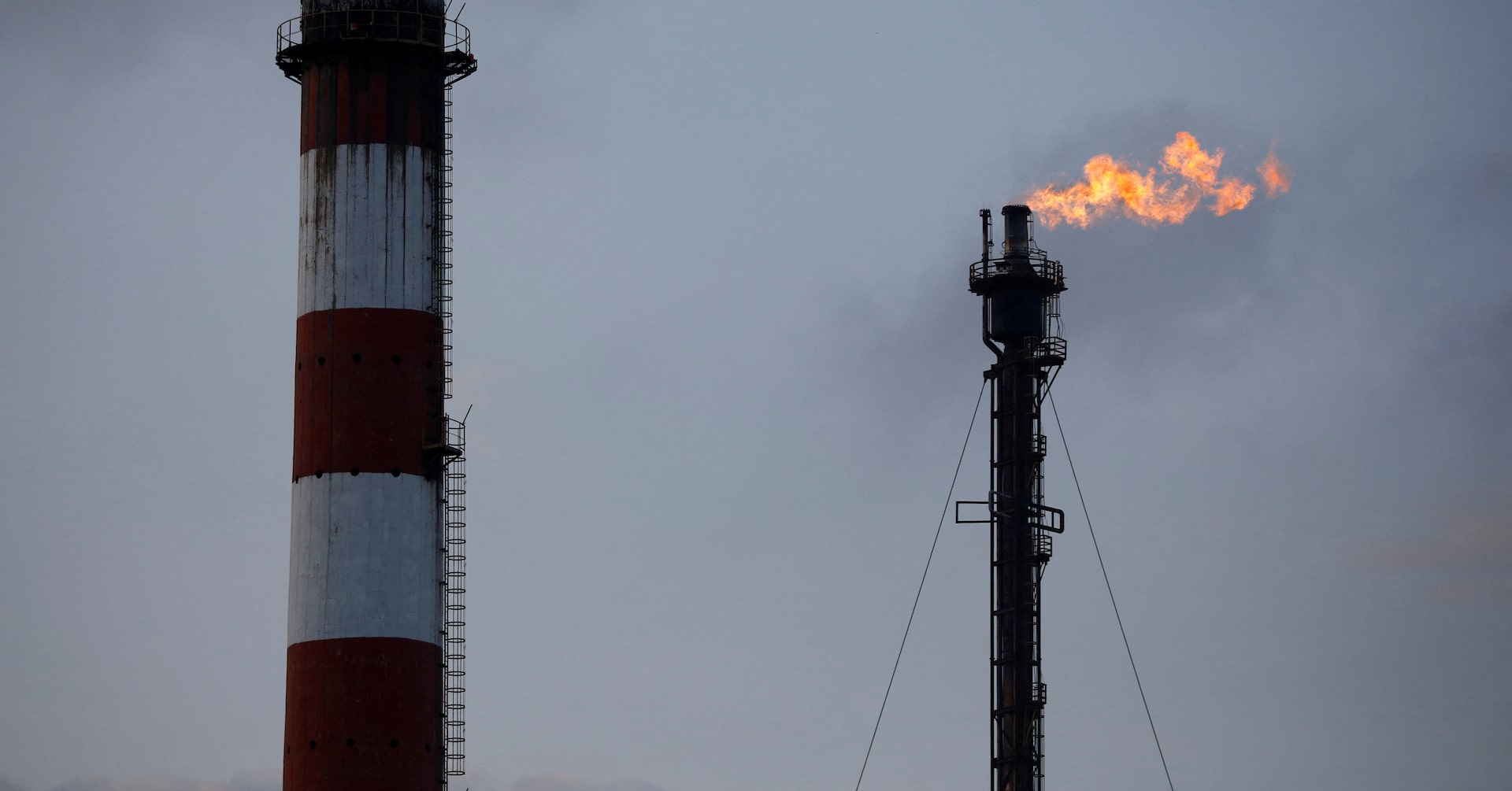
Energy Sector Thrives Amid Geopolitical Tensions
- Surge in Oil Prices: The escalation of the U.S. and Israel's conflict with Iran has led to a nearly 30% increase in crude oil prices, making the energy sector the top-performing area this year and significantly boosting investor confidence in the sector.
- Strong Performance of Major Oil Companies: Due to geopolitical risks, stocks of large integrated oil companies like Chevron and Exxon Mobil have reached 52-week highs, demonstrating their robust competitiveness in the global oil and gas supply chain.
- Optimistic Outlook for TechnipFMC: As a leading manufacturer in the energy sector, TechnipFMC benefits from increased capital spending driven by rising oil prices, with its stock trading near a 52-week high and projected EPS growth of 14% this year, reaching $3.34 by 2027.
- Investor Shift to Energy: Amid heightened market volatility, investors are flocking to the energy sector for defensive investments, highlighting the relative safety and strong fundamentals of the industry in the current economic environment.
See More

Venezuela's Return to Global Oil Market

- Supply Impact Analysis: Venezuela's oil exports are around 0.8-0.9 million barrels per day, which, while modest in a global market exceeding 105 million barrels daily, may cap future price increases, thereby influencing market psychological expectations.
- Historical Lessons: The 2014 global supply glut that drove oil prices from above $100 to below $40 serves as a cautionary tale; although Venezuela's current supply is relatively small, concerns about a price collapse reflect market sensitivity to past events.
- Refiner Benefits: The influx of more heavy-sour crude into the market will benefit refiners, particularly complex Gulf Coast facilities capable of processing heavier grades, as this will widen the price differential between heavy and light crudes, enhancing refining margins.
- Market Volatility Changes: Should OPEC+ offset the new supply, overall price volatility may decrease; conversely, if they do not, the added barrels could smooth market fluctuations, indicating that the ceiling for future price increases may lower, impacting upstream companies' profitability.
See More

Oil Price Fluctuations Have Far-Reaching Economic Impacts
- Profit Pressure from Oil Prices: Recent oil price increases of over 10% in just two days are expected to exert direct pressure on profit margins, as companies struggle to pass costs onto consumers, potentially leading to declines in stock prices.
- Inflationary Risks Intensified: Rising oil prices are likely to drive overall inflation, particularly impacting costs in sectors like trucking and plastics, which may reduce consumer purchasing power and subsequently affect sales and corporate profits.
- Federal Reserve Policy Considerations: The increase in oil prices complicates the Federal Reserve's decision-making environment regarding interest rates, as inflationary pressures mount, even though the core PCE index excludes volatile food and energy costs, the indirect effects remain significant.
- Market Dynamics in Flux: The fluctuations in oil prices are closely tied to stock market performance, with WTI crude reaching $77.98 on Tuesday before retreating to around $74, indicating the market's sensitivity to oil price movements, necessitating a calm and discerning approach from investors amid uncertainty.
See More
Valero Energy Schedules Q1 2026 Earnings Call
- Earnings Call Announcement: Valero Energy Corporation has announced a conference call scheduled for April 30, 2026, at 10:00 a.m. ET to discuss its Q1 2026 financial and operational results, reflecting the company's commitment to transparency and investor communication.
- Earnings Release Timing: The earnings report will be issued prior to the call, ensuring that investors have access to the latest financial data during the conference, thereby enhancing market understanding and confidence in the company's performance.
- Company Overview: Valero Energy is a multinational manufacturer and marketer of petroleum-based and low-carbon liquid transportation fuels and petrochemical products, primarily selling in the U.S., Canada, U.K., Ireland, and Latin America, showcasing its extensive market reach and business diversity.
- Production Capacity: Valero operates 15 refineries with a combined throughput capacity of approximately 3.2 million barrels per day, and its joint venture in Diamond Green Diesel Holdings LLC produces about 1.2 billion gallons of low-carbon fuels annually, indicating a strong position in the renewable energy sector.
See More
Valero Energy Shares Rise for Six Consecutive Days
- Stock Price Surge: Valero Energy (VLO) shares rose 3.03% to $224.30 in afternoon trading on Wednesday, marking six consecutive days of gains, indicating strong market performance and investor confidence in the energy sector.
- Market Reaction: Oil prices steadied near recent highs amid escalating U.S. and Israeli military actions against Iran, raising concerns over prolonged supply constraints, which have contributed to Valero's stock price increase, highlighting geopolitical impacts on the energy industry.
- Analyst Ratings: According to Seeking Alpha's QuantRating system, VLO is rated a Buy with a score of 4.21 out of 5, indicating strong profitability despite concerns over high valuation, while Valero's position as a low-cost provider ensures its competitiveness during market fluctuations.
- Inventory Warning: Analysts noted that gasoline inventories surged from a five-year low to a five-year high, which could pressure the summer driving season; however, Valero is still viewed as being in the best shape among operators, demonstrating its long-term market resilience.
See More
U.S. to Support Oil Trade in the Gulf
- Oil Price Decline: U.S. crude oil prices fell 1.1% to $73.74 per barrel on Wednesday, marking the first drop since the U.S. initiated military actions against Iran, indicating market concerns over future developments.
- Government Support Measures: Treasury Secretary Scott Bessent announced that the Trump administration will provide insurance for oil tankers in the Gulf through the International Development Finance Corporation and promised naval escorts if necessary, aiming to restore market confidence.
- Strait of Hormuz Traffic Standstill: Tanker traffic through the Strait of Hormuz has nearly come to a halt as ship owners fear Iranian retaliatory strikes, with the strait being the world's most critical chokepoint for oil trade, accounting for about 20% of global oil consumption.
- Market Reaction: Despite a 6% and 5% increase in U.S. crude prices on Monday and Tuesday respectively, market sentiment turned cautious following Bessent's announcement of further support measures, leading to a decline in oil prices.
See More
Energy Sector Thrives Amid Geopolitical Tensions
- Surge in Oil Prices: The escalation of the U.S. and Israel's conflict with Iran has led to a nearly 30% increase in crude oil prices, making the energy sector the top-performing area this year and significantly boosting investor confidence in the sector.
- Strong Performance of Major Oil Companies: Due to geopolitical risks, stocks of large integrated oil companies like Chevron and Exxon Mobil have reached 52-week highs, demonstrating their robust competitiveness in the global oil and gas supply chain.
- Optimistic Outlook for TechnipFMC: As a leading manufacturer in the energy sector, TechnipFMC benefits from increased capital spending driven by rising oil prices, with its stock trading near a 52-week high and projected EPS growth of 14% this year, reaching $3.34 by 2027.
- Investor Shift to Energy: Amid heightened market volatility, investors are flocking to the energy sector for defensive investments, highlighting the relative safety and strong fundamentals of the industry in the current economic environment.
See More
Venezuela's Return to Global Oil Market
- Supply Impact Analysis: Venezuela's oil exports are around 0.8-0.9 million barrels per day, which, while modest in a global market exceeding 105 million barrels daily, may cap future price increases, thereby influencing market psychological expectations.
- Historical Lessons: The 2014 global supply glut that drove oil prices from above $100 to below $40 serves as a cautionary tale; although Venezuela's current supply is relatively small, concerns about a price collapse reflect market sensitivity to past events.
- Refiner Benefits: The influx of more heavy-sour crude into the market will benefit refiners, particularly complex Gulf Coast facilities capable of processing heavier grades, as this will widen the price differential between heavy and light crudes, enhancing refining margins.
- Market Volatility Changes: Should OPEC+ offset the new supply, overall price volatility may decrease; conversely, if they do not, the added barrels could smooth market fluctuations, indicating that the ceiling for future price increases may lower, impacting upstream companies' profitability.
See More
Oil Price Fluctuations Have Far-Reaching Economic Impacts
- Profit Pressure from Oil Prices: Recent oil price increases of over 10% in just two days are expected to exert direct pressure on profit margins, as companies struggle to pass costs onto consumers, potentially leading to declines in stock prices.
- Inflationary Risks Intensified: Rising oil prices are likely to drive overall inflation, particularly impacting costs in sectors like trucking and plastics, which may reduce consumer purchasing power and subsequently affect sales and corporate profits.
- Federal Reserve Policy Considerations: The increase in oil prices complicates the Federal Reserve's decision-making environment regarding interest rates, as inflationary pressures mount, even though the core PCE index excludes volatile food and energy costs, the indirect effects remain significant.
- Market Dynamics in Flux: The fluctuations in oil prices are closely tied to stock market performance, with WTI crude reaching $77.98 on Tuesday before retreating to around $74, indicating the market's sensitivity to oil price movements, necessitating a calm and discerning approach from investors amid uncertainty.
See More




