U.S.-Iran War Causes Global Flight Cancellations
Written by Emily J. Thompson, Senior Investment Analyst
Updated: 9 hours ago
0mins
Source: Benzinga
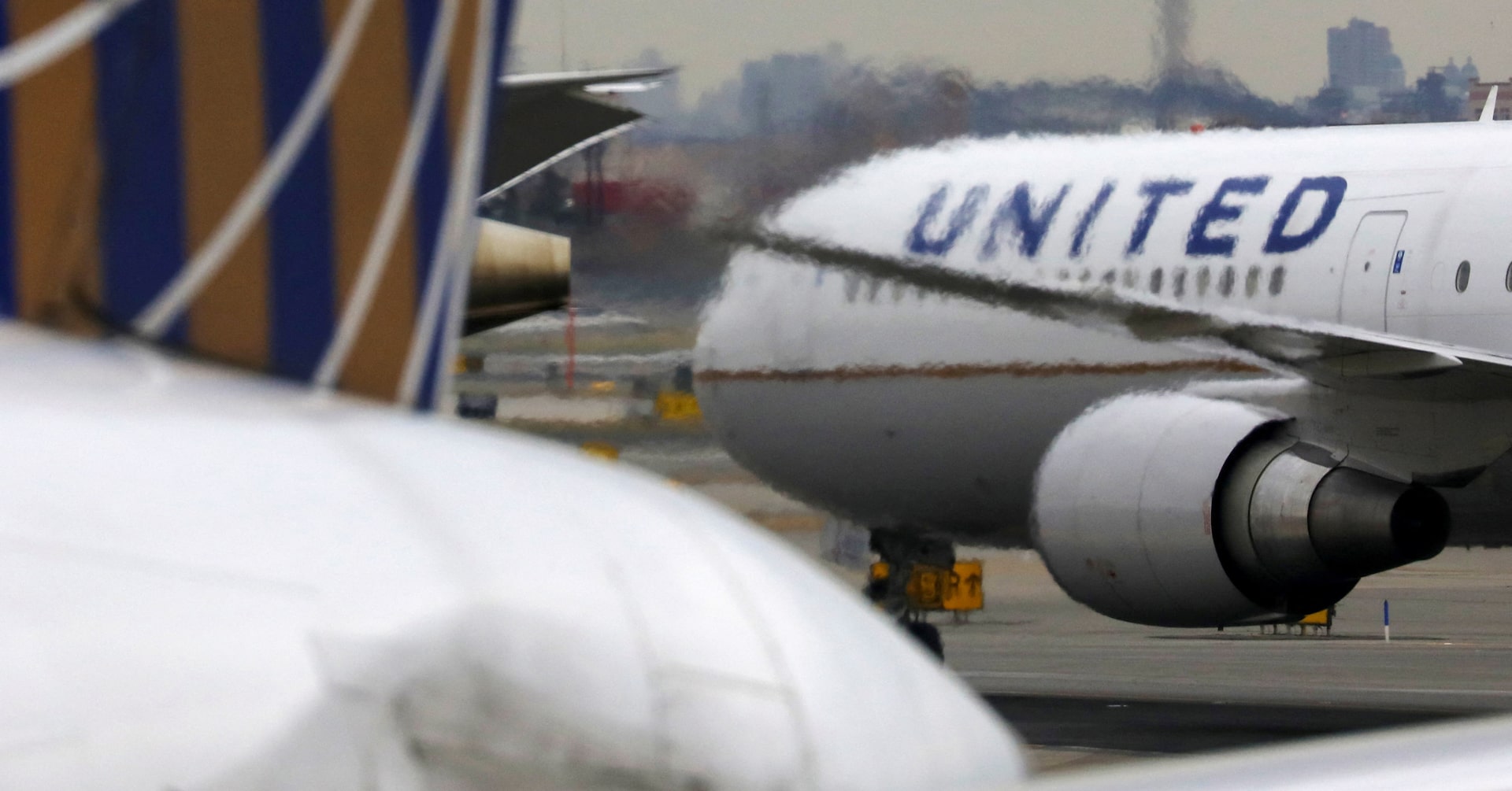
- Flight Cancellations: The ongoing U.S.-Iran war has led Delta and United Airlines to cancel multiple flights through March 4, including routes to Dubai, indicating airlines' heightened awareness of safety risks in the region.
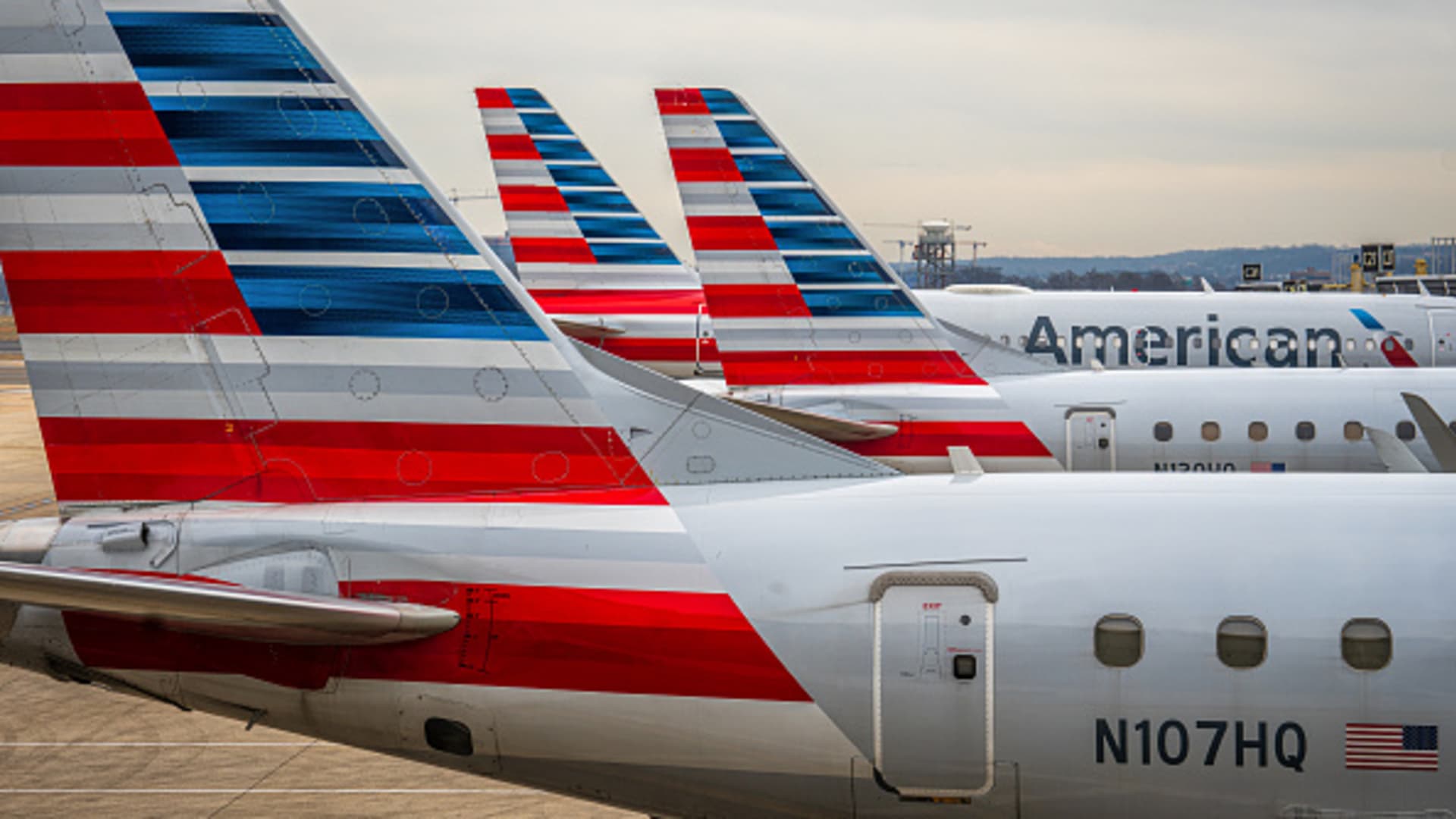
- International Airline Response: American Airlines Group has also canceled its Philadelphia-Doha flight, reflecting the global aviation industry's sensitivity to Middle Eastern tensions, which may lead to further flight adjustments in response to the evolving security landscape.
- Airspace Closure Impact: Data from Flightradar shows that airspace over Iran, Kuwait, Bahrain, and Iraq remains closed, which not only disrupts air travel but could also have far-reaching implications for global trade, especially amid surging oil prices.
- Strategic Shipping Risks: Iran may consider shutting down the Strait of Hormuz, a critical shipping route responsible for over 27% of global crude oil shipments, and if this occurs, it would significantly impact the global energy market.
Trade with 70% Backtested Accuracy
Stop guessing "Should I Buy DAL?" and start using high-conviction signals backed by rigorous historical data.
Sign up today to access powerful investing tools and make smarter, data-driven decisions.
Analyst Views on DAL
Wall Street analysts forecast DAL stock price to rise
18 Analyst Rating
18 Buy
0 Hold
0 Sell
Strong Buy
Current: 65.700

Low
77.00
Averages
83.50
High
90.00
Current: 65.700
Low
77.00
Averages
83.50
High
90.00
About DAL
Delta Air Lines, Inc. provides scheduled air transportation for passengers and cargo throughout the United States and around the world. The Company has hubs and markets in Amsterdam, Atlanta, Bogota, Boston, Detroit, Lima, London-Heathrow, Los Angeles, Mexico City, Minneapolis-St. Paul, New York-JFK and LaGuardia, Paris-Charles de Gaulle, Salt Lake City, Santiago (Chile), Sao Paulo, Seattle, Seoul-Incheon, and Tokyo. Its segments include Airline and Refinery. Its airline segment is managed as a single business unit that provides scheduled air transportation for passengers and cargo throughout the United States and around the world and includes its loyalty program, as well as other ancillary businesses. Its refinery segment operates for the benefit of the airline segment by providing jet fuel to the airline segment from its own production and through jet fuel obtained through agreements with third parties. The refinery's production consists of jet fuel as well as non-jet fuel products.
About the author

Emily J. Thompson
Emily J. Thompson, a Chartered Financial Analyst (CFA) with 12 years in investment research, graduated with honors from the Wharton School. Specializing in industrial and technology stocks, she provides in-depth analysis for Intellectia’s earnings and market brief reports.
Delta Air Lines Orders 34 More Airbus A321neo Jets

- Fleet Renewal Strategy: Delta Air Lines announced the purchase of 34 additional Airbus A321neo jets, marking its third aircraft order in less than six weeks, demonstrating the company's commitment to refreshing its fleet for improved fuel efficiency and more premium seating.
- Total Order Commitment: This latest order raises Delta's total commitment for the A321neo to 189 aircraft, with 92 currently in service and 97 firm orders, along with options for an additional 36 jets, solidifying its market position.
- Fuel Efficiency Advantage: The A321neo offers the lowest unit cost among Delta's narrowbody jets and is 20%-30% more fuel-efficient than the aircraft it replaces, which will significantly reduce operational costs and enhance profitability.
- Enhanced Market Competitiveness: By increasing the number of first-class and extra-legroom seats, Delta enhances customer experience in the narrowbody market, which is expected to attract more premium travelers and strengthen its competitive edge.
See More
Middle East Conflict Drives Oil Prices Up, Impacting Airlines

- Flight Cancellations Surge: The escalation of the Middle East conflict has led to over 1,560 flight cancellations on Monday alone, with total cancellations exceeding 4,000 since Saturday, causing major international hubs like Dubai and Abu Dhabi to shut down, thereby increasing operational pressures on airlines.
- Oil Prices Spike: U.S. West Texas Intermediate (WTI) crude futures rose 5.3% to $70.60 per barrel, while Brent crude futures increased 5.6% to $77.20 per barrel, raising jet fuel costs and potentially further squeezing airline margins amid rising operational expenses.
- American Airlines Expansion Plans: American Airlines announced a $1 billion investment to expand Concourse D at Miami International Airport, with construction set to begin in 2027 and the expanded concourse expected to open around 2030, aimed at enhancing customer experience and accommodating future growth demands.
- Venezuela Flight Application: American Airlines' regional unit Envoy Air has filed an application with the U.S. Department of Transportation for scheduled flights from Miami to Venezuela, marking a potential resumption of services following the lifting of a 2019 ban, thereby expanding market opportunities.
See More

PMI Increases in February, Signifying Second Consecutive Month of Growth in U.S. Manufacturing


- U.S. Manufacturing Growth: The U.S. manufacturing sector reported a second consecutive month of growth, providing positive news for investors.
- Investor Sentiment: This growth in manufacturing is likely to boost investor confidence in the economy.
See More

Iran War Drives Market Volatility and Sector Performance


- Market Reaction: Stocks initially retreated following the US and Israel's joint military actions against Iran, but rebounded after the February ISM manufacturing index exceeded expectations, indicating investor focus on economic data.
- Surge in Energy Prices: The halt of tanker traffic through the Strait of Hormuz due to Iran's attacks on three oil tankers led to WTI crude oil prices soaring over 65% to an 8.25-month high, potentially exacerbating global inflationary pressures.
- Defense Stocks Rise: The ongoing conflict in Iran has bolstered earnings prospects for defense companies, with Aerovironment's stock rising over 12%, while Northrop Grumman and RTX Corp also saw increases of over 4%, reflecting market optimism about defense spending.
- Economic Data Focus: Investors are keenly awaiting upcoming economic data releases, including ADP employment changes and the ISM services index, which are expected to influence future monetary policy directions amid rising inflation concerns.
See More
Analysis of Significant Stock Movements


- AeroVironment Stock Decline: AeroVironment shares fell approximately 20% after Raymond James downgraded its rating from strong buy to underperform, losing exclusivity on a $1.4 billion contract with the U.S. Space Force, which could negatively impact future revenues.
- Palantir Sales Surge: Palantir's stock rose 6%, making it the biggest gainer in the S&P 500, with U.S. government revenue accounting for 41% of its sales in Q4, reflecting a 66% year-over-year increase, indicating potential growth from increased defense spending.
- Norwegian Cruise Line Earnings Guidance Cut: Norwegian Cruise Line shares dropped 10% due to weaker-than-expected earnings guidance for 2026, projecting earnings per share at $2.38, below the FactSet estimate of $2.57, raising concerns about its future profitability.
- AES Acquisition Announcement: AES shares plunged 17% after a consortium led by BlackRock announced plans to acquire the company for nearly $11 billion, offering shareholders $15 per share in cash, with the deal expected to close in late 2026 or early 2027.
See More

US Stocks Decline Amid Iran War Escalation


- Market Retreat: The S&P 500 index fell by 0.69% and the Nasdaq 100 by 0.65%, both hitting 1.5-week lows, indicating a heightened risk-off sentiment among investors due to the escalating conflict in Iran, which may lead to a reassessment of risk asset allocations.
- Oil Price Surge: WTI crude oil prices soared over 8% to an 8.25-month high as tanker traffic through the Strait of Hormuz largely halted, raising inflation expectations and potentially impacting overall economic growth forecasts.
- Airline Stocks Under Pressure: Airline stocks faced declines, with American Airlines down over 5% and Delta Air Lines down more than 2%, reflecting the negative impact of rising oil prices on profit outlooks in the aviation sector.
- Defense Stocks Rise: Defense stocks like Aerovironment surged over 15% amid expectations of increased defense spending due to the Iran war, indicating a potential boost in earnings prospects for companies in this sector.
See More
Delta Air Lines Orders 34 More Airbus A321neo Jets
- Fleet Renewal Strategy: Delta Air Lines announced the purchase of 34 additional Airbus A321neo jets, marking its third aircraft order in less than six weeks, demonstrating the company's commitment to refreshing its fleet for improved fuel efficiency and more premium seating.
- Total Order Commitment: This latest order raises Delta's total commitment for the A321neo to 189 aircraft, with 92 currently in service and 97 firm orders, along with options for an additional 36 jets, solidifying its market position.
- Fuel Efficiency Advantage: The A321neo offers the lowest unit cost among Delta's narrowbody jets and is 20%-30% more fuel-efficient than the aircraft it replaces, which will significantly reduce operational costs and enhance profitability.
- Enhanced Market Competitiveness: By increasing the number of first-class and extra-legroom seats, Delta enhances customer experience in the narrowbody market, which is expected to attract more premium travelers and strengthen its competitive edge.
See More
Middle East Conflict Drives Oil Prices Up, Impacting Airlines
- Flight Cancellations Surge: The escalation of the Middle East conflict has led to over 1,560 flight cancellations on Monday alone, with total cancellations exceeding 4,000 since Saturday, causing major international hubs like Dubai and Abu Dhabi to shut down, thereby increasing operational pressures on airlines.
- Oil Prices Spike: U.S. West Texas Intermediate (WTI) crude futures rose 5.3% to $70.60 per barrel, while Brent crude futures increased 5.6% to $77.20 per barrel, raising jet fuel costs and potentially further squeezing airline margins amid rising operational expenses.
- American Airlines Expansion Plans: American Airlines announced a $1 billion investment to expand Concourse D at Miami International Airport, with construction set to begin in 2027 and the expanded concourse expected to open around 2030, aimed at enhancing customer experience and accommodating future growth demands.
- Venezuela Flight Application: American Airlines' regional unit Envoy Air has filed an application with the U.S. Department of Transportation for scheduled flights from Miami to Venezuela, marking a potential resumption of services following the lifting of a 2019 ban, thereby expanding market opportunities.
See More
PMI Increases in February, Signifying Second Consecutive Month of Growth in U.S. Manufacturing
- U.S. Manufacturing Growth: The U.S. manufacturing sector reported a second consecutive month of growth, providing positive news for investors.
- Investor Sentiment: This growth in manufacturing is likely to boost investor confidence in the economy.
See More
Iran War Drives Market Volatility and Sector Performance
- Market Reaction: Stocks initially retreated following the US and Israel's joint military actions against Iran, but rebounded after the February ISM manufacturing index exceeded expectations, indicating investor focus on economic data.
- Surge in Energy Prices: The halt of tanker traffic through the Strait of Hormuz due to Iran's attacks on three oil tankers led to WTI crude oil prices soaring over 65% to an 8.25-month high, potentially exacerbating global inflationary pressures.
- Defense Stocks Rise: The ongoing conflict in Iran has bolstered earnings prospects for defense companies, with Aerovironment's stock rising over 12%, while Northrop Grumman and RTX Corp also saw increases of over 4%, reflecting market optimism about defense spending.
- Economic Data Focus: Investors are keenly awaiting upcoming economic data releases, including ADP employment changes and the ISM services index, which are expected to influence future monetary policy directions amid rising inflation concerns.
See More
Analysis of Significant Stock Movements
- AeroVironment Stock Decline: AeroVironment shares fell approximately 20% after Raymond James downgraded its rating from strong buy to underperform, losing exclusivity on a $1.4 billion contract with the U.S. Space Force, which could negatively impact future revenues.
- Palantir Sales Surge: Palantir's stock rose 6%, making it the biggest gainer in the S&P 500, with U.S. government revenue accounting for 41% of its sales in Q4, reflecting a 66% year-over-year increase, indicating potential growth from increased defense spending.
- Norwegian Cruise Line Earnings Guidance Cut: Norwegian Cruise Line shares dropped 10% due to weaker-than-expected earnings guidance for 2026, projecting earnings per share at $2.38, below the FactSet estimate of $2.57, raising concerns about its future profitability.
- AES Acquisition Announcement: AES shares plunged 17% after a consortium led by BlackRock announced plans to acquire the company for nearly $11 billion, offering shareholders $15 per share in cash, with the deal expected to close in late 2026 or early 2027.
See More
US Stocks Decline Amid Iran War Escalation
- Market Retreat: The S&P 500 index fell by 0.69% and the Nasdaq 100 by 0.65%, both hitting 1.5-week lows, indicating a heightened risk-off sentiment among investors due to the escalating conflict in Iran, which may lead to a reassessment of risk asset allocations.
- Oil Price Surge: WTI crude oil prices soared over 8% to an 8.25-month high as tanker traffic through the Strait of Hormuz largely halted, raising inflation expectations and potentially impacting overall economic growth forecasts.
- Airline Stocks Under Pressure: Airline stocks faced declines, with American Airlines down over 5% and Delta Air Lines down more than 2%, reflecting the negative impact of rising oil prices on profit outlooks in the aviation sector.
- Defense Stocks Rise: Defense stocks like Aerovironment surged over 15% amid expectations of increased defense spending due to the Iran war, indicating a potential boost in earnings prospects for companies in this sector.
See More