

US Supreme Court Rules IEEPA Tariffs Illegal, Impacting Billions in Refunds
Written by Emily J. Thompson, Senior Investment Analyst
Updated: Feb 20 2026
0mins

Should l Buy UPS?
Source: CNBC
- Refund Challenges: The US Supreme Court's ruling that Trump's IEEPA tariffs are illegal could lead to billions in refund requests, but trade attorneys warn that the refund process may be delayed due to court rulings and customs payment methods, creating double hurdles for importers.
- Surge in Tariff Revenue: The US government recorded $30 billion in tariff revenue in January 2026, bringing the year-to-date total to $124 billion, a staggering 304% increase year-over-year, indicating significant short-term fiscal impacts from high tariff policies, while potential refunds could exert long-term pressure on the Treasury.
- Customs Bond Issues: The rise in tariffs has escalated importers' customs bond requirements from a minimum of $50,000 to as high as $450 million, resulting in over 24,000 cases of bond insufficiencies valued at nearly $3.6 billion, highlighting the substantial cash flow impact of tariff policies on businesses.
- Complexity of Refund Process: Although tariffs are itemized, theoretically allowing for quick refunds, insurance companies require document verification, leading to expected delays of 30 to 60 days for refunds, particularly as small businesses have begun reaching out to insurers ahead of the Supreme Court decision to expedite the review process.
Trade with 70% Backtested Accuracy
Stop guessing "Should I Buy UPS?" and start using high-conviction signals backed by rigorous historical data.
Sign up today to access powerful investing tools and make smarter, data-driven decisions.
Analyst Views on UPS
Wall Street analysts forecast UPS stock price to fall
19 Analyst Rating
9 Buy
9 Hold
1 Sell
Moderate Buy
Current: 115.960

Low
80.00
Averages
107.06
High
126.00
Current: 115.960
Low
80.00
Averages
107.06
High
126.00
About UPS
United Parcel Service, Inc. provides a range of integrated logistics solutions for customers in more than 200 countries and territories. Its U.S. Domestic Package segment offers a range of United States domestic air and ground package transportation services. Its air portfolio offers time-definite, same-day, next-day, two-day and three-day delivery alternatives as well as air cargo services. Its ground network enables customers to ship using its day-definite ground service. UPS SurePost provides residential ground service for customers with non-urgent, lightweight residential shipments. Its International Package segment consists of small package operations in Europe, Indian sub-continent, Middle East and Africa, Canada and Latin America and Asia. It offers a selection of guaranteed day- and time-definite international shipping services. Its supply chain solutions consist of forwarding, logistics, customized third-party logistics and specialized cold chain transportation solutions.
About the author

Emily J. Thompson
Emily J. Thompson, a Chartered Financial Analyst (CFA) with 12 years in investment research, graduated with honors from the Wharton School. Specializing in industrial and technology stocks, she provides in-depth analysis for Intellectia’s earnings and market brief reports.

U.S.-Israel Airstrikes on Iran Trigger Market Turmoil


- Middle East Market Decline: Following the U.S. and Israeli airstrikes on Iran, Middle Eastern stock markets faced significant declines on their first trading day, with Saudi Arabia's Tadawul, Oman's Muscat index, and Bahrain's exchange all trading in the red, reflecting investor anxiety over the escalating conflict.
- Oil Price Surge Anticipation: Traders are predicting that Brent crude prices will spike above $80 per barrel due to the airstrikes, despite OPEC's recent decision to increase output, indicating heightened volatility in the global oil market.
- Strait of Hormuz Closure: The closure of the Strait of Hormuz has led global shipping companies to suspend all vessel transit, increasing shipping times and costs, which further exacerbates oil price instability in the wake of retaliatory strikes by Iran's Revolutionary Guard.
- Air Travel Disruption: The airspace across the Middle East has been largely closed since the strikes, resulting in over 1,500 flight cancellations and more than 19,000 global flight delays, placing immense operational pressure on airlines as they work to reopen routes and arrange repatriation flights.
See More

Amazon and OpenAI Forge $50 Billion Strategic Partnership


- Massive Investment Commitment: Amazon has announced a strategic partnership with OpenAI worth up to $50 billion, including an initial investment of $15 billion, with an additional $35 billion contingent on OpenAI meeting specific milestones, significantly enhancing Amazon's competitive edge in the AI sector.
- Infrastructure Expansion: OpenAI will leverage Amazon Web Services (AWS) infrastructure, committing to deploy 2 gigawatts of Trainium AI chips, which not only boosts OpenAI's computational capabilities but also presents new growth opportunities for Amazon's cloud services business.
- Market Competitive Advantage: This partnership positions Amazon more favorably against competitors like Microsoft and Google in the AI market, particularly by gaining access to powerful AI models from OpenAI, which could drive innovation in its consumer products.
- Long-term Strategic Layout: The collaboration with OpenAI not only supplements existing AI technologies but may also foster further cooperation in emerging areas like agentic commerce, demonstrating Amazon's commitment to long-term investments in the AI domain.
See More

Trump Tariff Refund Legal Battle Intensifies
- Legal Deadline Approaches: The U.S. Court of International Trade has set a deadline for the DOJ to respond by April 24 regarding tariff refund cases, with over 2,000 lawsuits filed by companies seeking refunds, potentially impacting up to $175 billion, highlighting the urgency and complexity of the government's handling of tariff issues.
- Impact on Refund Process: Plaintiff V.O.S. is urging the court to expedite its refund request, and the court's prompt action could serve as a template for other similar cases, indicating that this case may become a critical reference for future tariff refunds, affecting the financial health of numerous small businesses.
- Increased Political Pressure: Democrats are pressuring the Trump administration to formulate a refund plan, with the Treasury Secretary stating that payouts could take years, reflecting the government's struggle between legal challenges and public expectations, which may impact its political image.
- Legal Expert Insights: Legal experts note that while the Supreme Court did not directly rule on the refund process, it has made it clear that importers who paid unlawful tariffs are entitled to refunds, emphasizing the necessity and legality of the refund process, which could lead to further legal challenges for the government.
See More
Stock Futures Rise as Wall Street Eyes Four Key Stocks
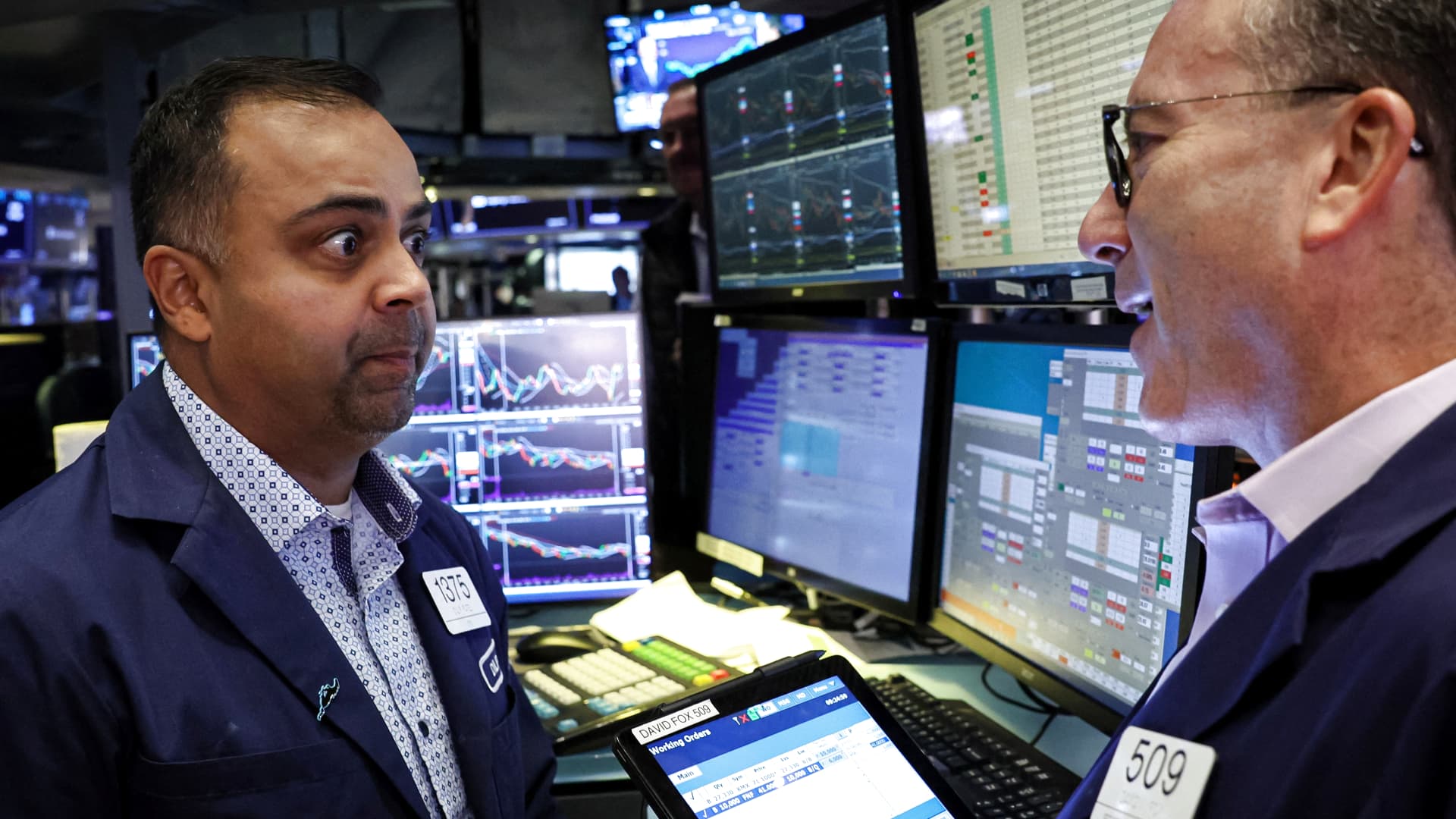
- Home Depot Earnings Beat: Despite a 3.8% year-over-year revenue decline to $38.2 billion in Q4, an additional week contributed approximately $2.5 billion in sales, leading to a 0.4% increase in comparable sales, which exceeded market expectations and demonstrated the company's resilience in challenging times.
- AMD Strategic Partnership Expansion: AMD shares surged 9.22% in premarket trading following the announcement of a multi-year strategic partnership with Meta Platforms to deploy up to 6 gigawatts of AMD Instinct chips for Meta's next-generation AI infrastructure, indicating a significant technological collaboration.
- Eli Lilly Stock Decline: Eli Lilly's stock fell 2.04% in premarket trading after rival Novo Nordisk announced plans to cut prices of its GLP-1 medications by 35% to 50% effective January 1, 2027, highlighting the competitive pressures in the pharmaceutical market.
- UPS Layoff Plan Approved: UPS remained flat in early trading after a federal judge rejected the International Brotherhood of Teamsters' bid to block the company's workforce reduction plan, as UPS moves forward with offering $150,000 buyout packages to some drivers, reflecting its commitment to optimizing workforce management.
See More

Market Volatility and New Product Launches


- Market Volatility: The S&P 500 and Nasdaq Composite both dropped over 1%, while the Dow Jones Industrial Average plummeted more than 800 points due to new tariffs and fears surrounding artificial intelligence, indicating investor concerns about the economic outlook.
- Tariff Implications: Following the Supreme Court's tariff ruling, FedEx has sued the government for a full refund of tariffs paid, reflecting corporate dissatisfaction with the new tariff policies, which could further slow economic growth.
- AMD and Meta Partnership: Meta announced a multi-year deal with AMD to deploy up to 6 gigawatts of graphics processing units, resulting in a more than 13% surge in AMD's stock during premarket trading, showcasing its enhanced competitiveness in the AI chip market.
- New Drug Launch: Eli Lilly launched a new version of its Zepbound injection pen, offering a month's worth of doses at a starting price of $299, which is expected to enhance patient convenience and contributed to a nearly 5% rise in Lilly's stock price.
See More

Cybersecurity Stocks Plummet Amid AI Concerns


- Cybersecurity Stock Decline: Following Anthropic's launch of Claude Code Security, which scans for code vulnerabilities and suggests fixes, shares of cybersecurity firms fell sharply, with IBM experiencing a nearly 13.2% drop, indicating market fears about AI's potential to disrupt the sector.
- European Market Struggles: The Stoxx 600 index fell by 0.45%, primarily impacted by Novo Nordisk's stock, which plummeted over 15% due to disappointing trial results for its next-generation weight loss drug, reflecting waning confidence in the pharmaceutical sector.
- Bitcoin Price Drop: Bitcoin lost more than 5% and fell below $63,000, nearing half of its record high of over $125,000, highlighting instability in the cryptocurrency market that could affect investor sentiment.
- Increased Trade Uncertainty: The EU's trade deal with the U.S. is
See More
U.S.-Israel Airstrikes on Iran Trigger Market Turmoil
- Middle East Market Decline: Following the U.S. and Israeli airstrikes on Iran, Middle Eastern stock markets faced significant declines on their first trading day, with Saudi Arabia's Tadawul, Oman's Muscat index, and Bahrain's exchange all trading in the red, reflecting investor anxiety over the escalating conflict.
- Oil Price Surge Anticipation: Traders are predicting that Brent crude prices will spike above $80 per barrel due to the airstrikes, despite OPEC's recent decision to increase output, indicating heightened volatility in the global oil market.
- Strait of Hormuz Closure: The closure of the Strait of Hormuz has led global shipping companies to suspend all vessel transit, increasing shipping times and costs, which further exacerbates oil price instability in the wake of retaliatory strikes by Iran's Revolutionary Guard.
- Air Travel Disruption: The airspace across the Middle East has been largely closed since the strikes, resulting in over 1,500 flight cancellations and more than 19,000 global flight delays, placing immense operational pressure on airlines as they work to reopen routes and arrange repatriation flights.
See More
Amazon and OpenAI Forge $50 Billion Strategic Partnership
- Massive Investment Commitment: Amazon has announced a strategic partnership with OpenAI worth up to $50 billion, including an initial investment of $15 billion, with an additional $35 billion contingent on OpenAI meeting specific milestones, significantly enhancing Amazon's competitive edge in the AI sector.
- Infrastructure Expansion: OpenAI will leverage Amazon Web Services (AWS) infrastructure, committing to deploy 2 gigawatts of Trainium AI chips, which not only boosts OpenAI's computational capabilities but also presents new growth opportunities for Amazon's cloud services business.
- Market Competitive Advantage: This partnership positions Amazon more favorably against competitors like Microsoft and Google in the AI market, particularly by gaining access to powerful AI models from OpenAI, which could drive innovation in its consumer products.
- Long-term Strategic Layout: The collaboration with OpenAI not only supplements existing AI technologies but may also foster further cooperation in emerging areas like agentic commerce, demonstrating Amazon's commitment to long-term investments in the AI domain.
See More
Trump Tariff Refund Legal Battle Intensifies
- Legal Deadline Approaches: The U.S. Court of International Trade has set a deadline for the DOJ to respond by April 24 regarding tariff refund cases, with over 2,000 lawsuits filed by companies seeking refunds, potentially impacting up to $175 billion, highlighting the urgency and complexity of the government's handling of tariff issues.
- Impact on Refund Process: Plaintiff V.O.S. is urging the court to expedite its refund request, and the court's prompt action could serve as a template for other similar cases, indicating that this case may become a critical reference for future tariff refunds, affecting the financial health of numerous small businesses.
- Increased Political Pressure: Democrats are pressuring the Trump administration to formulate a refund plan, with the Treasury Secretary stating that payouts could take years, reflecting the government's struggle between legal challenges and public expectations, which may impact its political image.
- Legal Expert Insights: Legal experts note that while the Supreme Court did not directly rule on the refund process, it has made it clear that importers who paid unlawful tariffs are entitled to refunds, emphasizing the necessity and legality of the refund process, which could lead to further legal challenges for the government.
See More
Stock Futures Rise as Wall Street Eyes Four Key Stocks
- Home Depot Earnings Beat: Despite a 3.8% year-over-year revenue decline to $38.2 billion in Q4, an additional week contributed approximately $2.5 billion in sales, leading to a 0.4% increase in comparable sales, which exceeded market expectations and demonstrated the company's resilience in challenging times.
- AMD Strategic Partnership Expansion: AMD shares surged 9.22% in premarket trading following the announcement of a multi-year strategic partnership with Meta Platforms to deploy up to 6 gigawatts of AMD Instinct chips for Meta's next-generation AI infrastructure, indicating a significant technological collaboration.
- Eli Lilly Stock Decline: Eli Lilly's stock fell 2.04% in premarket trading after rival Novo Nordisk announced plans to cut prices of its GLP-1 medications by 35% to 50% effective January 1, 2027, highlighting the competitive pressures in the pharmaceutical market.
- UPS Layoff Plan Approved: UPS remained flat in early trading after a federal judge rejected the International Brotherhood of Teamsters' bid to block the company's workforce reduction plan, as UPS moves forward with offering $150,000 buyout packages to some drivers, reflecting its commitment to optimizing workforce management.
See More
Market Volatility and New Product Launches
- Market Volatility: The S&P 500 and Nasdaq Composite both dropped over 1%, while the Dow Jones Industrial Average plummeted more than 800 points due to new tariffs and fears surrounding artificial intelligence, indicating investor concerns about the economic outlook.
- Tariff Implications: Following the Supreme Court's tariff ruling, FedEx has sued the government for a full refund of tariffs paid, reflecting corporate dissatisfaction with the new tariff policies, which could further slow economic growth.
- AMD and Meta Partnership: Meta announced a multi-year deal with AMD to deploy up to 6 gigawatts of graphics processing units, resulting in a more than 13% surge in AMD's stock during premarket trading, showcasing its enhanced competitiveness in the AI chip market.
- New Drug Launch: Eli Lilly launched a new version of its Zepbound injection pen, offering a month's worth of doses at a starting price of $299, which is expected to enhance patient convenience and contributed to a nearly 5% rise in Lilly's stock price.
See More
Cybersecurity Stocks Plummet Amid AI Concerns
- Cybersecurity Stock Decline: Following Anthropic's launch of Claude Code Security, which scans for code vulnerabilities and suggests fixes, shares of cybersecurity firms fell sharply, with IBM experiencing a nearly 13.2% drop, indicating market fears about AI's potential to disrupt the sector.
- European Market Struggles: The Stoxx 600 index fell by 0.45%, primarily impacted by Novo Nordisk's stock, which plummeted over 15% due to disappointing trial results for its next-generation weight loss drug, reflecting waning confidence in the pharmaceutical sector.
- Bitcoin Price Drop: Bitcoin lost more than 5% and fell below $63,000, nearing half of its record high of over $125,000, highlighting instability in the cryptocurrency market that could affect investor sentiment.
- Increased Trade Uncertainty: The EU's trade deal with the U.S. is
See More




