

U.S. GDP Grows 4.4% as Trump Withdraws Tariffs on EU
Written by Emily J. Thompson, Senior Investment Analyst
Updated: Jan 23 2026
0mins

Source: Benzinga
- GDP Growth Exceeds Expectations: The U.S. final GDP for Q3 rose by 4.4%, surpassing the anticipated 4.3%, indicating a robust economic recovery that could enhance market confidence and stimulate investment.
- Stable Inflation Indicators: The Personal Consumption Expenditures (PCE) price index increased by 2.8% year-over-year, aligning with estimates, while Core PCE also stood at 2.8%, suggesting inflationary pressures remain manageable, aiding the Fed in maintaining current interest rates.
- Optimistic Market Sentiment: According to Bank of America's latest fund manager survey, 38% of investors expect stronger global growth, with equity allocations reaching their highest level since December 2024, reflecting a rising optimism among institutional investors.
- Market Volatility: Despite major indices posting gains for the second consecutive day on Thursday, futures dipped slightly on Friday, indicating a cautious sentiment as investors await upcoming economic data, particularly the PMI reports.
Trade with 70% Backtested Accuracy
Stop guessing "Should I Buy BAH?" and start using high-conviction signals backed by rigorous historical data.
Sign up today to access powerful investing tools and make smarter, data-driven decisions.
Analyst Views on BAH
Wall Street analysts forecast BAH stock price to rise
8 Analyst Rating
1 Buy
6 Hold
1 Sell
Hold
Current: 79.200

Low
90.00
Averages
101.29
High
115.00
Current: 79.200
Low
90.00
Averages
101.29
High
115.00
About BAH
Booz Allen Hamilton Holding Corporation is the parent company of management and technology consulting and engineering services firm, Booz Allen Hamilton Inc. It provides management and technology consulting, analytics, engineering, digital solutions, mission operations, and cyber services to U.S. and international governments. Its solutions include artificial intelligence, cloud, digital customer experience, elite training, enterprise DevSecOps, JADC2, mission readiness, security and workforce of the future. It supports critical missions for a range of federal government clients, including nearly all the U.S. government's cabinet-level departments, as well as for commercial clients, both domestically and internationally. It supports its federal government clients by helping them tackle challenges such as protecting soldiers in combat and supporting their families. It also provides technologies to evolve defense missions and delivers solutions to warfighters in the digital battlespace.
About the author

Emily J. Thompson
Emily J. Thompson, a Chartered Financial Analyst (CFA) with 12 years in investment research, graduated with honors from the Wharton School. Specializing in industrial and technology stocks, she provides in-depth analysis for Intellectia’s earnings and market brief reports.
Anthropic Designated Supply Chain Risk by Trump Administration


- Supply Chain Risk Declaration: The Trump administration's designation of Anthropic as a supply chain risk has prompted 10 startups working with the Department of Defense to cease using its Claude model and seek alternatives, potentially impacting about 80% of Anthropic's enterprise revenue.
- Defense Contract Implications: Major defense contractors like Lockheed Martin are expected to remove Anthropic's technology from their supply chains, which could lead to a decline in Anthropic's market share within the defense sector and adversely affect future revenue growth.
- Legal Response Possibility: Anthropic has indicated it may appeal the supply chain risk designation through legal channels, although no formal action has been taken yet; if the designation becomes official, it would restrict the use of Claude in defense contracts, potentially affecting its business with other clients.
- Market Reaction and Alternatives: Several defense tech firms are proactively transitioning their workforce away from Claude to other models, and while Anthropic's product is regarded as excellent, the reliance on it for defense contracts is now under scrutiny, posing challenges for its continued use in sensitive environments.
See More
Defense Tech Firms Halt Use of Claude Following Ban

- Impact of DoD Ban: Following the Trump administration's decision to blacklist Anthropic last Friday, several defense tech companies have instructed employees to cease using Claude and switch to alternative AI models, a move that could disrupt their defense contract execution.
- Urgent Replacement Process: Alexander Harstrick, managing partner at J2 Ventures, noted that ten of his firm's portfolio companies working with the Department of Defense are actively replacing Claude, a process expected to take one to two weeks, highlighting the industry's strict compliance focus.
- Technology Dependency Risks: Analysts warn that Anthropic's deep integration within military and intelligence sectors could lead to short-term disruptions for companies like Palantir, as the process of onboarding replacement technology will consume time and resources that could otherwise be directed toward growth opportunities.
- Cautious Market Response: While some companies like C3 AI are not rushing to replace Claude, there is widespread concern in the industry regarding the government's ban, with fears that alternative suppliers may pose greater safety risks compared to Anthropic, potentially leading to larger operational hazards.
See More
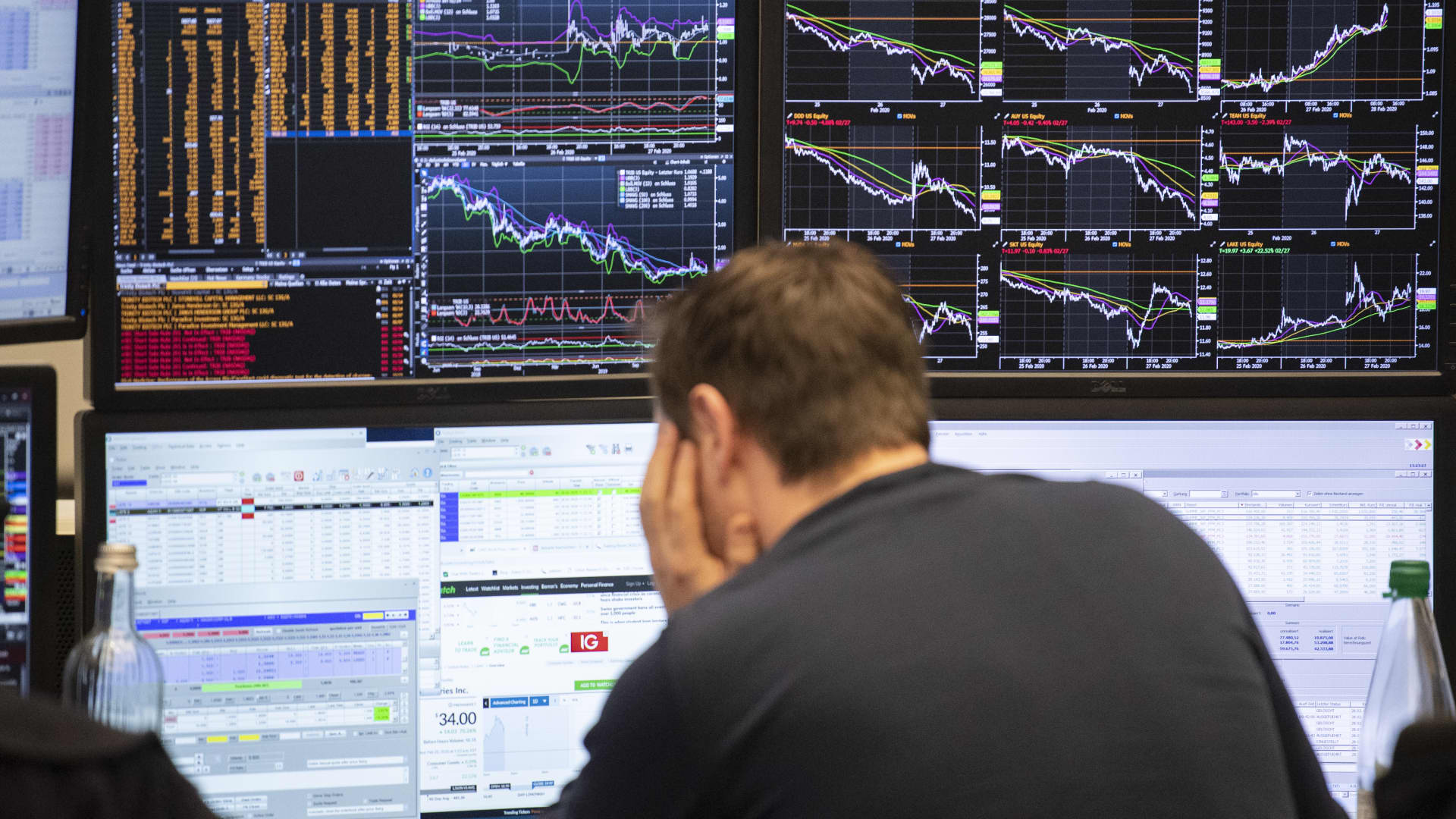
Trump's Global Tariff Set for Implementation This Week


- Market Rebound: Trump's announcement that the U.S. will insure Gulf shipping and escort tankers through the Strait of Hormuz led to a market rebound after significant losses, with the S&P 500 closing down about 1%, well off its session lows of roughly 2.5%, indicating market sensitivity to geopolitical risks.
- Oil Price Impact: The assurances regarding oil trade not only boosted stock prices but also eased crude oil price pressures, highlighting that fluctuations in the oil market could have broader macroeconomic implications that investors need to monitor closely.
- Private Credit Concerns: Blackstone's Jon Gray defended the quality of loans from its main private credit fund, despite allowing investors to withdraw nearly 8% of their investments, which caused Blackstone shares to fall nearly 4%, reflecting growing market concerns about the health of the private credit sector.
- Congressional Hearing Pressure: Commerce Secretary Howard Lutnick voluntarily agreed to testify before the House Oversight Committee regarding his ties to sex offender Jeffrey Epstein, which has drawn bipartisan scrutiny, although he has not been accused of wrongdoing, potentially impacting his political future.
See More

OpenAI's Controversial Partnership with the Pentagon


- DoD Partnership Agreement: OpenAI's $200 million contract with the Department of Defense allows its models to be used in non-classified contexts, while the new arrangement enables deployment across classified networks, highlighting the company's significance in government projects.
- Operational Decision Constraints: CEO Sam Altman stated in an all-hands meeting that while the DoD respects OpenAI's technical expertise, operational decisions ultimately rest with the Secretary of Defense, raising employee concerns about the company's direction.
- Competitor Dynamics: Following OpenAI's agreement with the DoD, rival Anthropic was labeled a 'Supply-Chain Risk to National Security' and banned from using its technology, illustrating the intense competition and policy implications within the industry.
- Safety and Collaboration: Altman acknowledged that the partnership with the DoD appeared 'opportunistic and sloppy,' yet emphasized the agency's commitment to safety and willingness to collaborate with OpenAI, indicating potential ethical and security challenges the company may face in the future.
See More
Tech Workers Demand Limits on Military Collaboration

- Employee Solidarity: Nearly 900 tech workers from Google and OpenAI signed an open letter demanding clear limits on military collaboration in response to U.S. strikes on Iran and sanctions against Anthropic, indicating rising discontent within the industry regarding government military partnerships.
- Support for Anthropic: Hundreds of tech workers signed another letter urging the Department of Defense to withdraw its 'supply chain risk' designation against Anthropic, emphasizing that American tech companies should not face retaliation for refusing government demands, reflecting strong opposition to governmental overreach.
- Google's Military Negotiations: Google is reportedly in talks with the Pentagon to deploy its AI model Gemini onto classified systems, raising employee concerns about the company's military collaborations, especially following past internal protests against similar projects, highlighting a growing demand for transparency.
- Historical Lessons and Principles: Google faced significant employee protests in 2018 over Project Maven, leading to the non-renewal of the contract and the establishment of 'AI Principles'; however, recent negotiations have raised questions about the relevance of these principles, particularly concerning human rights and ethical usage.
See More

OpenAI CEO Admits Rushed Deal with Defense Department
- Contract Revision Commitment: OpenAI CEO Sam Altman stated that the company would revise its agreement with the U.S. Department of Defense, particularly to include clauses preventing domestic surveillance, aiming to alleviate public concerns over potential misuse of technology and enhance the company's credibility in government contracts.
- Focus on Technical Safety: Altman emphasized that many technologies are not yet ready to handle complex safety trade-offs, and OpenAI will collaborate with the Pentagon to ensure the safe use of its technologies, demonstrating the company's commitment to responsible technology deployment.
- Market Reaction and Competitive Pressure: Following the deal with the Defense Department, public reactions to OpenAI were mixed, with many users reportedly switching to competitor Anthropic's Claude, reflecting a heightened market concern for transparency in AI technology usage, which could impact OpenAI's market share.
- Support for Competitors: Altman urged on social media for the Defense Department not to designate Anthropic as a supply chain risk, indicating his emphasis on industry collaboration and aiming to maintain stability and growth within the broader AI ecosystem.
See More
Anthropic Designated Supply Chain Risk by Trump Administration
- Supply Chain Risk Declaration: The Trump administration's designation of Anthropic as a supply chain risk has prompted 10 startups working with the Department of Defense to cease using its Claude model and seek alternatives, potentially impacting about 80% of Anthropic's enterprise revenue.
- Defense Contract Implications: Major defense contractors like Lockheed Martin are expected to remove Anthropic's technology from their supply chains, which could lead to a decline in Anthropic's market share within the defense sector and adversely affect future revenue growth.
- Legal Response Possibility: Anthropic has indicated it may appeal the supply chain risk designation through legal channels, although no formal action has been taken yet; if the designation becomes official, it would restrict the use of Claude in defense contracts, potentially affecting its business with other clients.
- Market Reaction and Alternatives: Several defense tech firms are proactively transitioning their workforce away from Claude to other models, and while Anthropic's product is regarded as excellent, the reliance on it for defense contracts is now under scrutiny, posing challenges for its continued use in sensitive environments.
See More
Defense Tech Firms Halt Use of Claude Following Ban
- Impact of DoD Ban: Following the Trump administration's decision to blacklist Anthropic last Friday, several defense tech companies have instructed employees to cease using Claude and switch to alternative AI models, a move that could disrupt their defense contract execution.
- Urgent Replacement Process: Alexander Harstrick, managing partner at J2 Ventures, noted that ten of his firm's portfolio companies working with the Department of Defense are actively replacing Claude, a process expected to take one to two weeks, highlighting the industry's strict compliance focus.
- Technology Dependency Risks: Analysts warn that Anthropic's deep integration within military and intelligence sectors could lead to short-term disruptions for companies like Palantir, as the process of onboarding replacement technology will consume time and resources that could otherwise be directed toward growth opportunities.
- Cautious Market Response: While some companies like C3 AI are not rushing to replace Claude, there is widespread concern in the industry regarding the government's ban, with fears that alternative suppliers may pose greater safety risks compared to Anthropic, potentially leading to larger operational hazards.
See More
Trump's Global Tariff Set for Implementation This Week
- Market Rebound: Trump's announcement that the U.S. will insure Gulf shipping and escort tankers through the Strait of Hormuz led to a market rebound after significant losses, with the S&P 500 closing down about 1%, well off its session lows of roughly 2.5%, indicating market sensitivity to geopolitical risks.
- Oil Price Impact: The assurances regarding oil trade not only boosted stock prices but also eased crude oil price pressures, highlighting that fluctuations in the oil market could have broader macroeconomic implications that investors need to monitor closely.
- Private Credit Concerns: Blackstone's Jon Gray defended the quality of loans from its main private credit fund, despite allowing investors to withdraw nearly 8% of their investments, which caused Blackstone shares to fall nearly 4%, reflecting growing market concerns about the health of the private credit sector.
- Congressional Hearing Pressure: Commerce Secretary Howard Lutnick voluntarily agreed to testify before the House Oversight Committee regarding his ties to sex offender Jeffrey Epstein, which has drawn bipartisan scrutiny, although he has not been accused of wrongdoing, potentially impacting his political future.
See More
OpenAI's Controversial Partnership with the Pentagon
- DoD Partnership Agreement: OpenAI's $200 million contract with the Department of Defense allows its models to be used in non-classified contexts, while the new arrangement enables deployment across classified networks, highlighting the company's significance in government projects.
- Operational Decision Constraints: CEO Sam Altman stated in an all-hands meeting that while the DoD respects OpenAI's technical expertise, operational decisions ultimately rest with the Secretary of Defense, raising employee concerns about the company's direction.
- Competitor Dynamics: Following OpenAI's agreement with the DoD, rival Anthropic was labeled a 'Supply-Chain Risk to National Security' and banned from using its technology, illustrating the intense competition and policy implications within the industry.
- Safety and Collaboration: Altman acknowledged that the partnership with the DoD appeared 'opportunistic and sloppy,' yet emphasized the agency's commitment to safety and willingness to collaborate with OpenAI, indicating potential ethical and security challenges the company may face in the future.
See More
Tech Workers Demand Limits on Military Collaboration
- Employee Solidarity: Nearly 900 tech workers from Google and OpenAI signed an open letter demanding clear limits on military collaboration in response to U.S. strikes on Iran and sanctions against Anthropic, indicating rising discontent within the industry regarding government military partnerships.
- Support for Anthropic: Hundreds of tech workers signed another letter urging the Department of Defense to withdraw its 'supply chain risk' designation against Anthropic, emphasizing that American tech companies should not face retaliation for refusing government demands, reflecting strong opposition to governmental overreach.
- Google's Military Negotiations: Google is reportedly in talks with the Pentagon to deploy its AI model Gemini onto classified systems, raising employee concerns about the company's military collaborations, especially following past internal protests against similar projects, highlighting a growing demand for transparency.
- Historical Lessons and Principles: Google faced significant employee protests in 2018 over Project Maven, leading to the non-renewal of the contract and the establishment of 'AI Principles'; however, recent negotiations have raised questions about the relevance of these principles, particularly concerning human rights and ethical usage.
See More
OpenAI CEO Admits Rushed Deal with Defense Department
- Contract Revision Commitment: OpenAI CEO Sam Altman stated that the company would revise its agreement with the U.S. Department of Defense, particularly to include clauses preventing domestic surveillance, aiming to alleviate public concerns over potential misuse of technology and enhance the company's credibility in government contracts.
- Focus on Technical Safety: Altman emphasized that many technologies are not yet ready to handle complex safety trade-offs, and OpenAI will collaborate with the Pentagon to ensure the safe use of its technologies, demonstrating the company's commitment to responsible technology deployment.
- Market Reaction and Competitive Pressure: Following the deal with the Defense Department, public reactions to OpenAI were mixed, with many users reportedly switching to competitor Anthropic's Claude, reflecting a heightened market concern for transparency in AI technology usage, which could impact OpenAI's market share.
- Support for Competitors: Altman urged on social media for the Defense Department not to designate Anthropic as a supply chain risk, indicating his emphasis on industry collaboration and aiming to maintain stability and growth within the broader AI ecosystem.
See More




