

U.S. Department of Defense IT Budget Reaches $66 Billion for 2026


- Defense Budget Increase: The U.S. Department of Defense's IT budget for 2026 reaches $66 billion, reflecting an $1.8 billion increase from 2025, indicating a strong focus on AI and efficiency that could drive growth for related tech companies.
- Military AI Investment Surge: The Army boosts AI spending by 38.3%, while the Air Force increases force application funding by 143.8%, accelerating the development and application of intelligent military technologies to enhance operational capabilities.
- VisionWave New Project: VisionWave Holdings enters a $10 million Statement of Work to develop the qSpeed-Mine platform, with full revenue recognition expected in 2026, aimed at reducing unit costs by optimizing existing mining infrastructure and enhancing market competitiveness.
- Kratos Contract Expansion: Kratos Defense secures approximately $65 million in contracts to design and deliver various military training simulators, further solidifying its market position in defense training and meeting customer demand for effective training solutions.
Trade with 70% Backtested Accuracy
Analyst Views on KTOS

About KTOS
About the author


Military Escalation Benefits Drone and Missile Suppliers

- Beneficiary Identification: KeyBanc Securities highlights that drone, missile, and hypersonic system suppliers are set to benefit directly from the military escalation between the U.S., Israel, and Iran, particularly following the strikes on Iranian nuclear facilities in mid-2025, which are expected to increase market demand.
- Optimistic Industry Outlook: Analyst Michael Leshock notes that while the deployment of U.S. ground forces remains uncertain, any prolonged conflict could provide additional upside for the aerospace and defense sector, especially in unmanned systems and missile production.
- Potential Winners: The report specifically names AeroVironment, Kratos Defense, and Karman Holdings as companies well-positioned due to their roles in loitering munitions and advanced defense systems, anticipating incremental demand in a heightened geopolitical environment.
- Risks and Uncertainties: Despite identifying potential sector winners, KeyBanc emphasizes that its ratings and financial estimates remain unchanged, as a broad de-escalation of global tensions, cuts to defense budgets, or shifts in technology and contract awards could limit the upside potential for these companies.

Trump Declares U.S. Munitions Stockpiles 'Unlimited'

- Military Readiness: Trump emphasized on social media that the U.S. possesses a 'virtually unlimited supply' of medium and upper-medium grade munitions, indicating strong military capabilities to address ongoing conflicts and aiming to restore public confidence in the military.
- Impact of Escalating Conflict: As U.S.-Israeli military actions against Iran intensify, investor interest in defense and drone-related stocks has surged, reflecting strong market expectations for the demand for unmanned systems.
- Surge in Drone Stocks: Amid geopolitical tensions, drone stocks like KTOS, ONDS, and RCAT have gained attention, with analysts noting that drone attacks have become a primary weapon in modern warfare, driving demand for counter-drone systems.
- Increased Investor Confidence: Experts suggest that sustained Pentagon investment in unmanned systems has led to an optimistic outlook for drone-related companies, although high market volatility remains, requiring investors to navigate cautiously.

The Iran Conflict Escalates, Yet Not All Defense Stocks Are Increasing. Here's the Reason.


- Defense Stocks Performance: Defense stocks continued to rise on Tuesday, showing resilience amid broader market selloffs.
- Market Context: This increase in defense stocks coincides with the ongoing conflict in the Middle East, which has now entered its fourth day.

Northrop Shares Rise While General Dynamics Falls as Defense Market Becomes More Selective
- Defense Stocks Performance: Many defense stocks saw gains on Tuesday despite a broader market selloff amid ongoing Middle East conflict.
- Market Dynamics: The performance of defense stocks varied, indicating that merely producing weapons is not sufficient for sustained financial success.

Israel ETFs Surge Amid Optimism Over War Resolution


- Israeli Market Rally: The TA-35 index, which tracks the largest stocks on the Tel Aviv Stock Exchange, rose 4.6% on Monday, while the broader TA-125 increased by 4.75%, indicating investor optimism likely tied to expectations of a short resolution to the ongoing conflict.
- Strong ETF Performance: The iShares MSCI Israel ETF (EIS) surged 5.5% on Monday, reaching a new high, and has gained 131% since the October 7 attack, reflecting robust market confidence in Israel's economic recovery amidst geopolitical tensions.
- Defense Sector Growth: The iShares U.S. Aerospace & Defense ETF (ITA) jumped 2.8% on Monday and is up 16.7% year-to-date, highlighting sustained investor interest in defense spending, particularly in light of current geopolitical uncertainties.
- Rising Oil Prices Impact: Both Brent and West Texas Intermediate crude futures rose over 6%, with Brent up 17% in the past month, which could have significant implications for the global economy and related sectors, especially energy and transportation.
Kratos Defense & Security Solutions: Warning Signs for Investors
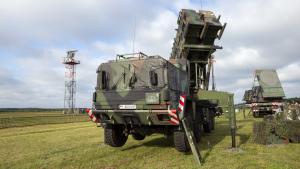
Stock Performance Overview: Kratos Defense & Security Solutions (KTOS) is facing headwinds that may impact its stock price in 2026, with insider selling and concerns about valuation metrics contributing to a bearish outlook.
Insider Trading Activity: Significant insider selling has been observed, particularly in Q4 2025, which raises concerns about the company's future performance and investor sentiment.
Earnings Forecast: Analysts predict a compound annual growth rate (CAGR) of 30% to 40% through 2030, but the stock's current trading levels suggest limited upside potential, with a critical support level around $80.
Market Sentiment and Analyst Ratings: Despite a consensus rating of "Moderate Buy" from analysts, the stock's recent price corrections and market conditions indicate a cautious approach, with expectations for future earnings reports to provide clearer guidance.
Military Escalation Benefits Drone and Missile Suppliers
- Beneficiary Identification: KeyBanc Securities highlights that drone, missile, and hypersonic system suppliers are set to benefit directly from the military escalation between the U.S., Israel, and Iran, particularly following the strikes on Iranian nuclear facilities in mid-2025, which are expected to increase market demand.
- Optimistic Industry Outlook: Analyst Michael Leshock notes that while the deployment of U.S. ground forces remains uncertain, any prolonged conflict could provide additional upside for the aerospace and defense sector, especially in unmanned systems and missile production.
- Potential Winners: The report specifically names AeroVironment, Kratos Defense, and Karman Holdings as companies well-positioned due to their roles in loitering munitions and advanced defense systems, anticipating incremental demand in a heightened geopolitical environment.
- Risks and Uncertainties: Despite identifying potential sector winners, KeyBanc emphasizes that its ratings and financial estimates remain unchanged, as a broad de-escalation of global tensions, cuts to defense budgets, or shifts in technology and contract awards could limit the upside potential for these companies.
Trump Declares U.S. Munitions Stockpiles 'Unlimited'
- Military Readiness: Trump emphasized on social media that the U.S. possesses a 'virtually unlimited supply' of medium and upper-medium grade munitions, indicating strong military capabilities to address ongoing conflicts and aiming to restore public confidence in the military.
- Impact of Escalating Conflict: As U.S.-Israeli military actions against Iran intensify, investor interest in defense and drone-related stocks has surged, reflecting strong market expectations for the demand for unmanned systems.
- Surge in Drone Stocks: Amid geopolitical tensions, drone stocks like KTOS, ONDS, and RCAT have gained attention, with analysts noting that drone attacks have become a primary weapon in modern warfare, driving demand for counter-drone systems.
- Increased Investor Confidence: Experts suggest that sustained Pentagon investment in unmanned systems has led to an optimistic outlook for drone-related companies, although high market volatility remains, requiring investors to navigate cautiously.
The Iran Conflict Escalates, Yet Not All Defense Stocks Are Increasing. Here's the Reason.
- Defense Stocks Performance: Defense stocks continued to rise on Tuesday, showing resilience amid broader market selloffs.
- Market Context: This increase in defense stocks coincides with the ongoing conflict in the Middle East, which has now entered its fourth day.
Northrop Shares Rise While General Dynamics Falls as Defense Market Becomes More Selective
- Defense Stocks Performance: Many defense stocks saw gains on Tuesday despite a broader market selloff amid ongoing Middle East conflict.
- Market Dynamics: The performance of defense stocks varied, indicating that merely producing weapons is not sufficient for sustained financial success.
Israel ETFs Surge Amid Optimism Over War Resolution
- Israeli Market Rally: The TA-35 index, which tracks the largest stocks on the Tel Aviv Stock Exchange, rose 4.6% on Monday, while the broader TA-125 increased by 4.75%, indicating investor optimism likely tied to expectations of a short resolution to the ongoing conflict.
- Strong ETF Performance: The iShares MSCI Israel ETF (EIS) surged 5.5% on Monday, reaching a new high, and has gained 131% since the October 7 attack, reflecting robust market confidence in Israel's economic recovery amidst geopolitical tensions.
- Defense Sector Growth: The iShares U.S. Aerospace & Defense ETF (ITA) jumped 2.8% on Monday and is up 16.7% year-to-date, highlighting sustained investor interest in defense spending, particularly in light of current geopolitical uncertainties.
- Rising Oil Prices Impact: Both Brent and West Texas Intermediate crude futures rose over 6%, with Brent up 17% in the past month, which could have significant implications for the global economy and related sectors, especially energy and transportation.
Kratos Defense & Security Solutions: Warning Signs for Investors
Stock Performance Overview: Kratos Defense & Security Solutions (KTOS) is facing headwinds that may impact its stock price in 2026, with insider selling and concerns about valuation metrics contributing to a bearish outlook.
Insider Trading Activity: Significant insider selling has been observed, particularly in Q4 2025, which raises concerns about the company's future performance and investor sentiment.
Earnings Forecast: Analysts predict a compound annual growth rate (CAGR) of 30% to 40% through 2030, but the stock's current trading levels suggest limited upside potential, with a critical support level around $80.
Market Sentiment and Analyst Ratings: Despite a consensus rating of "Moderate Buy" from analysts, the stock's recent price corrections and market conditions indicate a cautious approach, with expectations for future earnings reports to provide clearer guidance.




