

U.S. Banks Allocate $20 Billion for Argentina's Bailout Plan - Report

U.S. Banks Shift Focus: Major U.S. banks, including JPMorgan Chase, Bank of America, and Citigroup, have abandoned plans for a $20 billion bailout of Argentina, opting instead for a smaller, short-term loan package to assist the struggling government.
New Loan Structure: The revised plan involves lending Argentina approximately $5 billion through a short-term repurchase facility, allowing the country to use the funds for an upcoming $4 billion debt payment in January.
Trade with 70% Backtested Accuracy
Analyst Views on JPM

About JPM
About the author

Jamie Dimon Calls for Stablecoin Regulation


- Call for Stablecoin Regulation: Jamie Dimon emphasized during a CNBC interview that any cryptocurrency firm offering stablecoin rewards should be subject to banking regulations, asserting that rewards are essentially interest, and if firms hold balances and pay interest, they should be treated as banks.
- Principle of Fair Competition: Dimon highlighted the numerous strict regulations banks must follow, including deposit insurance and anti-money laundering, arguing that the cryptocurrency industry should compete in a fair and transparent environment to maintain financial market stability.
- Support for Technology and Innovation: While cautious about stablecoins, Dimon reiterated support for blockchain technology, mentioning the launch of JPM Coin and advancements in stablecoins and asset tokenization, indicating the bank's proactive stance in the digital asset space.
- Market Reaction: Following Dimon's remarks, JPMorgan's stock fell 0.91% during regular trading to close at $297.56, reflecting a cautious market response to his statements, with a weaker price trend observed in the short term.

Reasons to Consider Investing During the Mideast Conflict's Escalation


Warren Buffett's Investment Philosophy: In a 1986 letter to Berkshire Hathaway investors, Warren Buffett shared a straightforward investment principle that emphasizes the importance of long-term thinking and value investing.
Berkshire Hathaway's Growth: The letter reflects on the growth and success of Berkshire Hathaway, showcasing Buffett's strategies and insights that have contributed to the company's reputation in the investment world.

JPMorgan CEO Responds to Trump's Lawsuit Over Account Closures

- Lawsuit Context: Trump accuses JPMorgan of closing his accounts for political reasons and seeks $5 billion in damages; although CEO Jamie Dimon claims the lawsuit lacks merit, he empathizes with Trump's anger, highlighting the legal and regulatory risks banks face in such situations.
- Compliance Pressure: Dimon emphasizes that banks are compelled to debank clients to comply with regulatory demands, which discourages them from taking on high-risk customers, thereby affecting Trump's banking relationships and those of his companies.
- Regulatory Landscape: While no specific law mandates banks to close accounts due to reputational risk, the existing regulatory framework creates significant risks for banks when dealing with certain clients, as evidenced by JPMorgan's closure of multiple accounts linked to Trump following the January 6 Capitol attack in 2021.
- Market Impact and Future Outlook: Dimon noted in an interview that the financial industry is beginning to benefit from a deregulatory push initiated by Trump appointees, which could enhance banks' profitability and reduce capital loss requirements, potentially leading to changes in the current legal and regulatory environment.
UBS Reports 56% Increase in Q4 Earnings
- Earnings Growth Analysis: UBS reported a net profit of $1.2 billion for Q4 on February 6, marking a 56% year-over-year increase, with a full-year profit of $7.8 billion; however, much of this growth stemmed from the release of litigation reserves, raising questions about the sustainability of earnings.
- Ongoing Legal Risks: Despite management discussing cost savings and revenue momentum in core businesses during the investment call, persistent scrutiny from Swiss regulators and client lawsuits could impact future profitability, indicating a challenging environment ahead.
- Poor Market Performance: UBS's stock has declined 10% this year, underperforming JPMorgan and Goldman Sachs, as investor concerns over legal issues have pressured the stock price, leading to a cautious sentiment among investors despite quarterly earnings beats.
- Reputation Risk Emerges: Ultra-high-net-worth individuals are closely monitoring UBS's developments, and the outcomes of ongoing lawsuits may inflict lasting damage on its reputation in emerging markets, with the next earnings call scheduled for April 26.
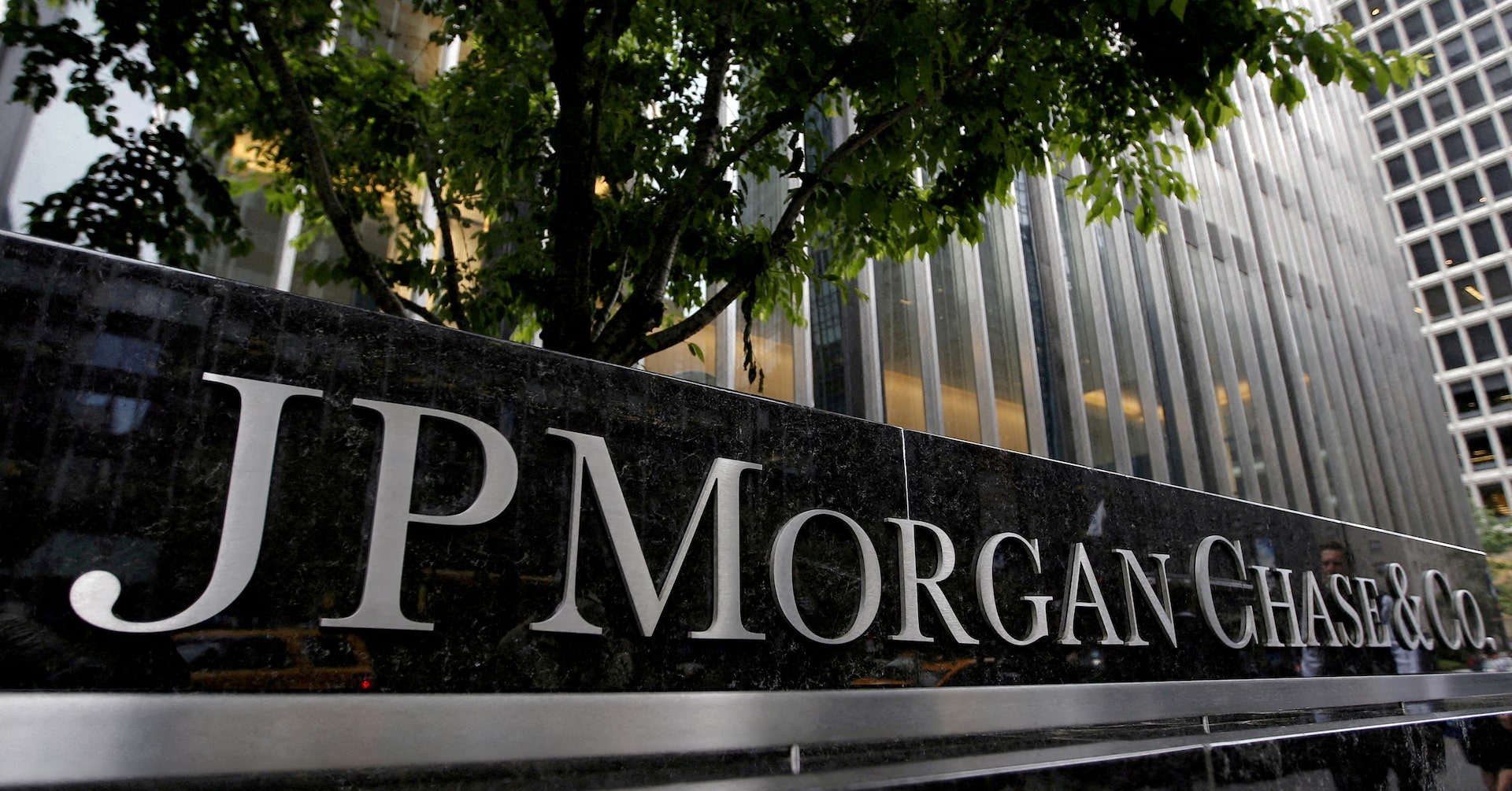
JPMorgan CEO Responds to Trump's Lawsuit Over Account Closures
- Lawsuit Merits Declared: JPMorgan CEO Jamie Dimon stated that Trump's $5 billion lawsuit over account closures is without merit, although he empathizes with Trump's anger, highlighting the political sensitivities involved in the case.
- Account Closure Context: JPMorgan closed dozens of accounts associated with Trump following the January 6, 2021 Capitol attack, reflecting the bank's stringent policies on reputational risk management, which could impact its relationships with clients.
- Compliance Pressures: Dimon emphasized that banks face regulatory pressures to avoid legal and reputational risks, leading them to prefer rejecting high-risk clients, which affects Trump's financial options and those of his supporters.
- Regulatory Changes in Industry: Dimon noted that the financial industry is beginning to benefit from deregulation under Trump appointees, potentially increasing bank profitability while raising further discussions on how to manage high-risk clients.
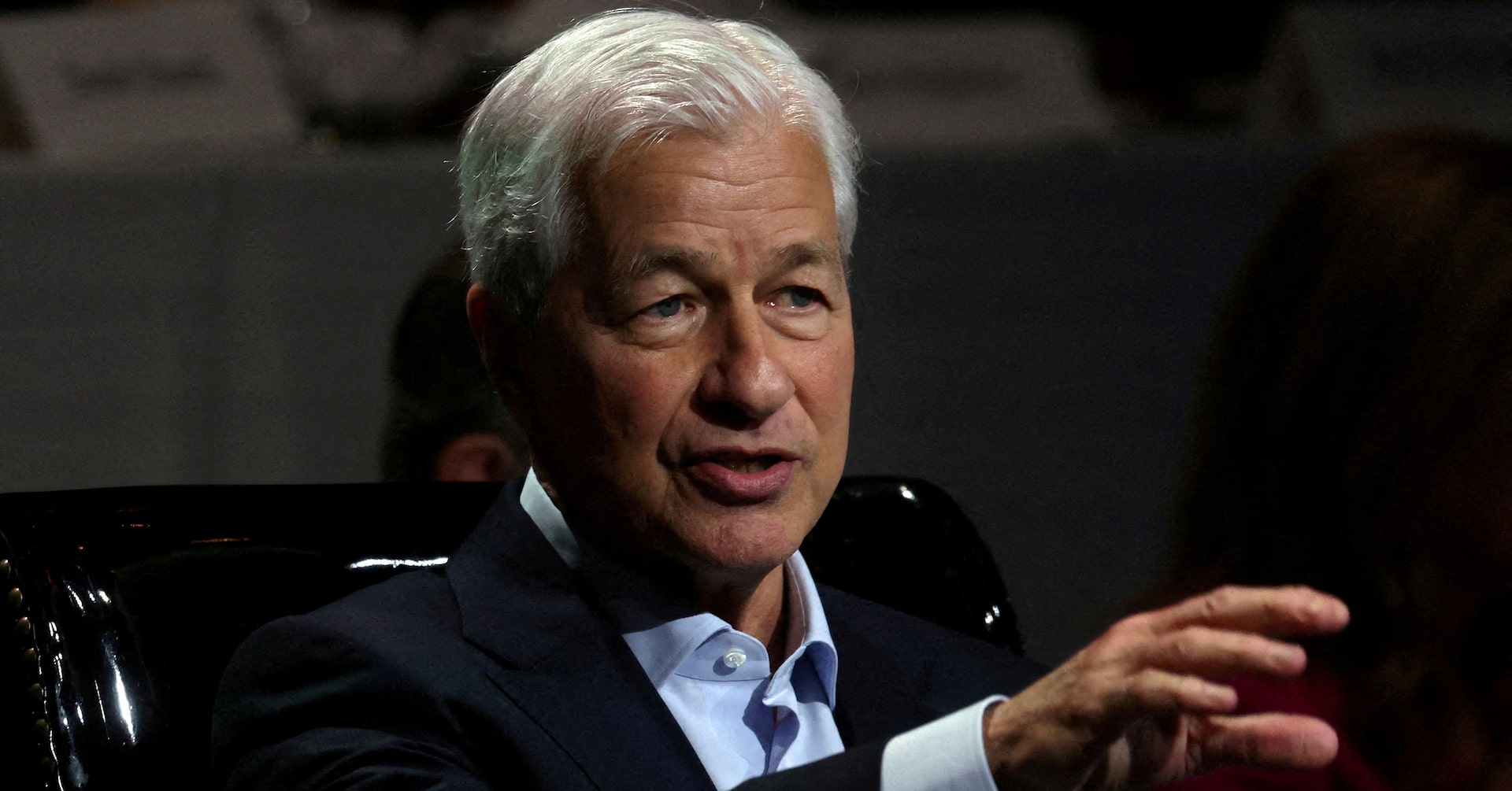
Dimon Warns of Inflation Risks from Iran War
- Inflation Risk Assessment: JPMorgan Chase CEO Jamie Dimon highlighted in an interview that the Iran war could elevate inflation risks, although he believes it won't lead to long-lasting effects, indicating that the market should remain vigilant about potential economic fluctuations.
- Oil Price Impact: Dimon noted that the war might slightly increase gas prices but would not cause a major inflationary shock, reflecting his cautiously optimistic view on the market, which could influence investor expectations in the energy sector.
- Credit Cycle Warning: He expressed a more pessimistic outlook on the credit market, suggesting that the upcoming credit cycle will be worse than normal due to complacency, which may prompt investors to reassess their risk management strategies.
- Market Reaction Expectations: While Dimon maintains a cautious stance on the long-term inflation impact, he emphasized the market's sensitivity to sudden events, potentially leading investors to adopt more conservative strategies amid increasing uncertainty.
Jamie Dimon Calls for Stablecoin Regulation
- Call for Stablecoin Regulation: Jamie Dimon emphasized during a CNBC interview that any cryptocurrency firm offering stablecoin rewards should be subject to banking regulations, asserting that rewards are essentially interest, and if firms hold balances and pay interest, they should be treated as banks.
- Principle of Fair Competition: Dimon highlighted the numerous strict regulations banks must follow, including deposit insurance and anti-money laundering, arguing that the cryptocurrency industry should compete in a fair and transparent environment to maintain financial market stability.
- Support for Technology and Innovation: While cautious about stablecoins, Dimon reiterated support for blockchain technology, mentioning the launch of JPM Coin and advancements in stablecoins and asset tokenization, indicating the bank's proactive stance in the digital asset space.
- Market Reaction: Following Dimon's remarks, JPMorgan's stock fell 0.91% during regular trading to close at $297.56, reflecting a cautious market response to his statements, with a weaker price trend observed in the short term.
Reasons to Consider Investing During the Mideast Conflict's Escalation
Warren Buffett's Investment Philosophy: In a 1986 letter to Berkshire Hathaway investors, Warren Buffett shared a straightforward investment principle that emphasizes the importance of long-term thinking and value investing.
Berkshire Hathaway's Growth: The letter reflects on the growth and success of Berkshire Hathaway, showcasing Buffett's strategies and insights that have contributed to the company's reputation in the investment world.
JPMorgan CEO Responds to Trump's Lawsuit Over Account Closures
- Lawsuit Context: Trump accuses JPMorgan of closing his accounts for political reasons and seeks $5 billion in damages; although CEO Jamie Dimon claims the lawsuit lacks merit, he empathizes with Trump's anger, highlighting the legal and regulatory risks banks face in such situations.
- Compliance Pressure: Dimon emphasizes that banks are compelled to debank clients to comply with regulatory demands, which discourages them from taking on high-risk customers, thereby affecting Trump's banking relationships and those of his companies.
- Regulatory Landscape: While no specific law mandates banks to close accounts due to reputational risk, the existing regulatory framework creates significant risks for banks when dealing with certain clients, as evidenced by JPMorgan's closure of multiple accounts linked to Trump following the January 6 Capitol attack in 2021.
- Market Impact and Future Outlook: Dimon noted in an interview that the financial industry is beginning to benefit from a deregulatory push initiated by Trump appointees, which could enhance banks' profitability and reduce capital loss requirements, potentially leading to changes in the current legal and regulatory environment.
UBS Reports 56% Increase in Q4 Earnings
- Earnings Growth Analysis: UBS reported a net profit of $1.2 billion for Q4 on February 6, marking a 56% year-over-year increase, with a full-year profit of $7.8 billion; however, much of this growth stemmed from the release of litigation reserves, raising questions about the sustainability of earnings.
- Ongoing Legal Risks: Despite management discussing cost savings and revenue momentum in core businesses during the investment call, persistent scrutiny from Swiss regulators and client lawsuits could impact future profitability, indicating a challenging environment ahead.
- Poor Market Performance: UBS's stock has declined 10% this year, underperforming JPMorgan and Goldman Sachs, as investor concerns over legal issues have pressured the stock price, leading to a cautious sentiment among investors despite quarterly earnings beats.
- Reputation Risk Emerges: Ultra-high-net-worth individuals are closely monitoring UBS's developments, and the outcomes of ongoing lawsuits may inflict lasting damage on its reputation in emerging markets, with the next earnings call scheduled for April 26.
JPMorgan CEO Responds to Trump's Lawsuit Over Account Closures
- Lawsuit Merits Declared: JPMorgan CEO Jamie Dimon stated that Trump's $5 billion lawsuit over account closures is without merit, although he empathizes with Trump's anger, highlighting the political sensitivities involved in the case.
- Account Closure Context: JPMorgan closed dozens of accounts associated with Trump following the January 6, 2021 Capitol attack, reflecting the bank's stringent policies on reputational risk management, which could impact its relationships with clients.
- Compliance Pressures: Dimon emphasized that banks face regulatory pressures to avoid legal and reputational risks, leading them to prefer rejecting high-risk clients, which affects Trump's financial options and those of his supporters.
- Regulatory Changes in Industry: Dimon noted that the financial industry is beginning to benefit from deregulation under Trump appointees, potentially increasing bank profitability while raising further discussions on how to manage high-risk clients.
Dimon Warns of Inflation Risks from Iran War
- Inflation Risk Assessment: JPMorgan Chase CEO Jamie Dimon highlighted in an interview that the Iran war could elevate inflation risks, although he believes it won't lead to long-lasting effects, indicating that the market should remain vigilant about potential economic fluctuations.
- Oil Price Impact: Dimon noted that the war might slightly increase gas prices but would not cause a major inflationary shock, reflecting his cautiously optimistic view on the market, which could influence investor expectations in the energy sector.
- Credit Cycle Warning: He expressed a more pessimistic outlook on the credit market, suggesting that the upcoming credit cycle will be worse than normal due to complacency, which may prompt investors to reassess their risk management strategies.
- Market Reaction Expectations: While Dimon maintains a cautious stance on the long-term inflation impact, he emphasized the market's sensitivity to sudden events, potentially leading investors to adopt more conservative strategies amid increasing uncertainty.





