U.S. Antimony Forms Joint Venture for Antimony Processing Plant
Written by Emily J. Thompson, Senior Investment Analyst
Updated: Feb 10 2026
0mins

Should l Buy UAMY?
Source: seekingalpha
- Joint Venture Formation: United States Antimony (UAMY) has formed a joint venture with Americas Gold and Silver (USAS) to construct and operate an antimony processing plant in Idaho's Silver Valley, with USAS holding 51% and UAMY 49%, aiming to provide a mine-to-finished production solution for this critical mineral in the U.S.
- Supply Chain Security: The joint venture will secure antimony feed material from the Galena complex, with priority given to USAS's mined material, thereby enhancing the security of the U.S. supply chain for this essential mineral.
- Technical and Market Support: UAMY will leverage its expertise in constructing and operating such facilities and provide the joint venture access to its antimony marketing network, including connections with the U.S. government, which will bolster the venture's market competitiveness.
- Permit Progress: The site for the new hydromet facility in Idaho has obtained all necessary primary permits, except for construction permits, ensuring smooth project advancement and future production capacity.
Trade with 70% Backtested Accuracy
Stop guessing "Should I Buy UAMY?" and start using high-conviction signals backed by rigorous historical data.
Sign up today to access powerful investing tools and make smarter, data-driven decisions.
Analyst Views on UAMY
Wall Street analysts forecast UAMY stock price to rise
3 Analyst Rating
3 Buy
0 Hold
0 Sell
Strong Buy
Current: 8.910

Low
9.75
Averages
10.00
High
10.25
Current: 8.910
Low
9.75
Averages
10.00
High
10.25
About UAMY
United States Antimony Corporation is engaged in the production and sale of antimony, precious metals, primarily gold and silver, and zeolite products. The Company has two reportable segments: antimony and zeolite. Its antimony segment consists of its facility located in the Burns Mining District of Sanders County in Montana that processes ore primarily into antimony oxide, antimony metal, antimony trisulfide, and precious metals, and its two facilities in its US Antimony de Mexico, S.A. de C.V. (USAMSA) subsidiary located in Mexico that process ore primarily into antimony metal and a lower grade of antimony oxide. Its zeolite segment includes its vertically integrated Bear River Zeolite (BRZ) facility located in Preston, Idaho that mines, processes, and sells zeolite. Its zeolite has been used in soil amendment and fertilizer, water filtration, and sewage treatment. The Company also operates Fostung Tungsten Property located near Sudbury, Ontario, Canada, near the town of Espanola.
About the author

Emily J. Thompson
Emily J. Thompson, a Chartered Financial Analyst (CFA) with 12 years in investment research, graduated with honors from the Wharton School. Specializing in industrial and technology stocks, she provides in-depth analysis for Intellectia’s earnings and market brief reports.
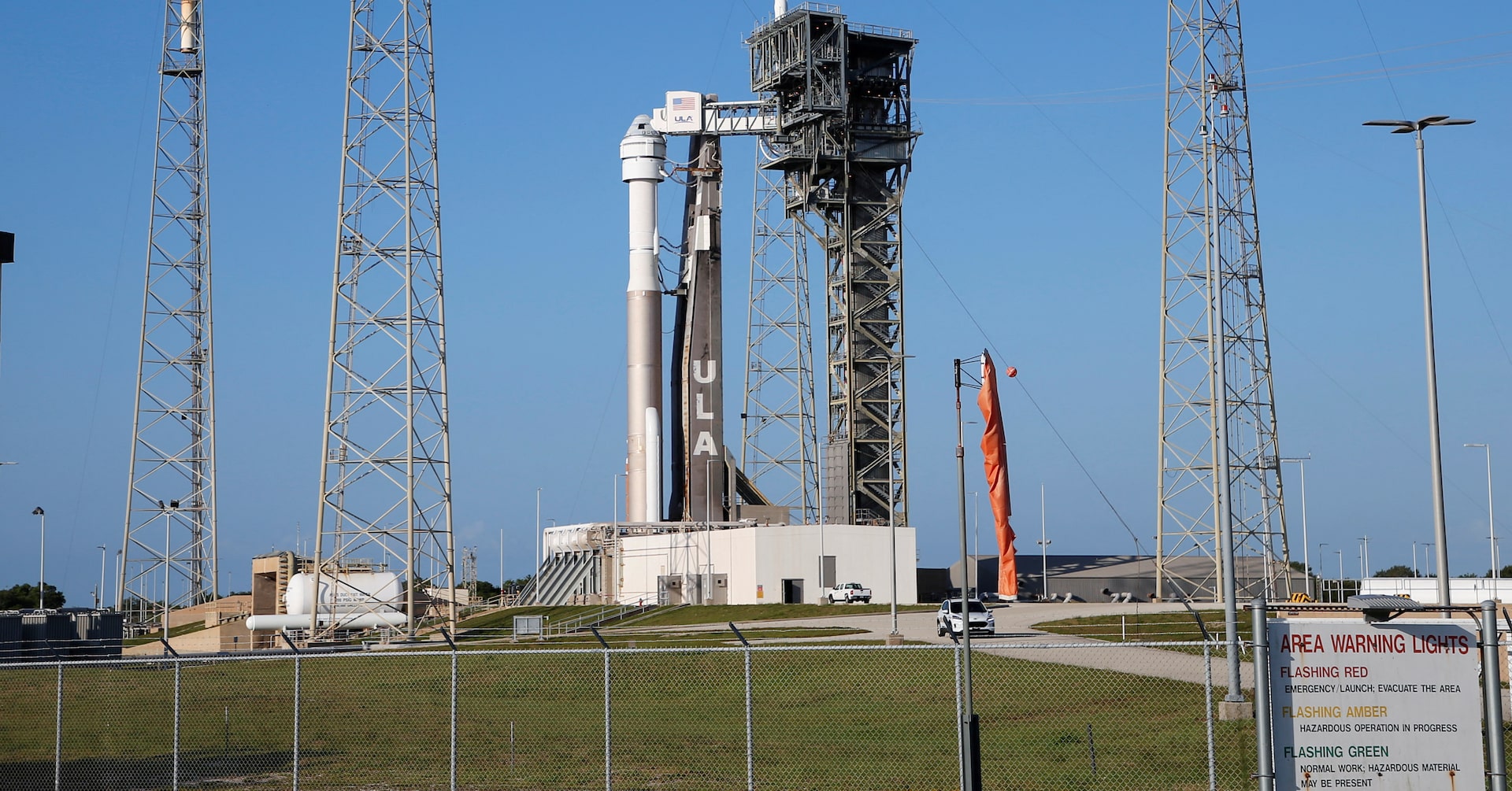
Trump's China Trip Faces Growing Uncertainty Amid Iran Strikes


- Iranian Leader Killed: The joint U.S.-Israel airstrike resulting in the death of Iran's Supreme Leader Khamenei complicates President Trump's upcoming trip to China, particularly against the backdrop of fragile U.S.-China relations, as analysts suggest.
- China's Response: China's Foreign Ministry condemned Khamenei's killing as a grave violation of Iran's sovereignty and security, urging an immediate ceasefire, which indicates Beijing's dissatisfaction with U.S. actions and concern for regional stability.
- Market Expectation Shift: According to Polymarket, expectations for Trump's visit to China by March 31 plummeted from 83.9% on February 21 to 42%, while the likelihood of a visit by April 30 remains high at 81%, reflecting increasing uncertainty in the market regarding Trump's travel plans.
- Business Environment Challenges: Prior to the Iran incident, many American CEOs were already hesitant to accompany Trump to China, and the current situation exacerbates challenges for business leaders in navigating plans for deals, potentially impacting future economic cooperation.
See More

US-Israel Military Strikes on Iran Escalate


- Escalation of Conflict: The U.S.-Israel military strikes against Iran have entered their third day, resulting in the assassination of Iran's Supreme Leader Khamenei, which triggered retaliatory missile and drone attacks from Iran, leading to over 200 civilian deaths and increasing uncertainty in the global economy.
- Market Reaction: Concerns over potential oil supply disruptions have driven U.S. crude prices up more than 8% to $72.57 per barrel, while Brent crude rose about 9% to $79.41, with precious metals like gold and silver climbing around 2% as investors seek safe-haven assets amid rising geopolitical tensions.
- Legal Controversy of U.S. Military Action: The U.S. Congress has not authorized military action against Iran, and a senior advisor at the International Crisis Group noted that President Trump's attack lacks legal justification, raising the risk for U.S. forces in the region due to its unprecedented scale.
- Global Reactions: China and Russia have strongly condemned the U.S. and Israeli military actions, calling for an immediate ceasefire, while U.S. allies expressed support for the strikes, emphasizing their right to defend their citizens and sovereignty, highlighting the international community's divided stance on the situation.
See More

U.S.-Israel Joint Strikes on Iran Trigger Global Reactions
- Assassination of Iranian Leader: The U.S.-Israel joint strikes resulted in the assassination of Iran's Supreme Leader Ayatollah Khamenei, triggering retaliatory missile and drone attacks from Tehran against U.S. military bases in Gulf nations, leading to over 200 civilian casualties in Iran and escalating regional tensions significantly.
- Surge in Oil Prices: In response to fears of a major disruption in energy supplies, Brent crude oil prices surged approximately 9% to $79.41 per barrel, while U.S. crude rose over 8% to $72.57, indicating the immediate impact of geopolitical risks on global energy markets and potential inflationary pressures.
- Equity Market Pullback: Following the escalation of conflict, U.S. equity markets experienced a pullback, with S&P 500 futures declining by 1% and Dow Jones futures dropping 521 points, reflecting investor anxiety over economic stability amid ongoing geopolitical uncertainties in the Middle East.
- Divergent Global Reactions: Global leaders have reacted differently to the U.S.-Israel military actions, with Western nations largely supporting the strikes while China and Russia condemned them, calling for an immediate ceasefire, highlighting the deep divisions in international responses to Middle Eastern conflicts and the potential for diplomatic crises.
See More
Escalating Middle East Conflict: US-Israel Joint Strikes on Iran

- Military Conflict Escalation: The US and Israel launched joint airstrikes on Iran, resulting in the assassination of Supreme Leader Khamenei, with analysts warning that this could mark the beginning of sustained military operations, potentially leading to rapid regional and global destabilization.
- Clear Strategic Objectives: The strikes target not only Iran's nuclear weapons program but also its command and control structures and military leadership, aiming to overthrow the Iranian regime through domestic unrest or a coup, reflecting US intentions to assert control over critical Middle Eastern oil resources.
- Strong International Reactions: Both Russia and China condemned the US military actions, and while neither can provide substantial support in the current situation, China's purchase of over 80% of Iran's oil in 2025 underscores its critical economic role for Iran amid heavy sanctions.
- Negotiation Prospects Shattered: The military actions have effectively destroyed any remaining chances for a negotiated settlement regarding Iran's nuclear program, with analysts noting that the US and Israel seized the opportunity to reshape the regional power dynamics amid Iran's critical vulnerability.
See More
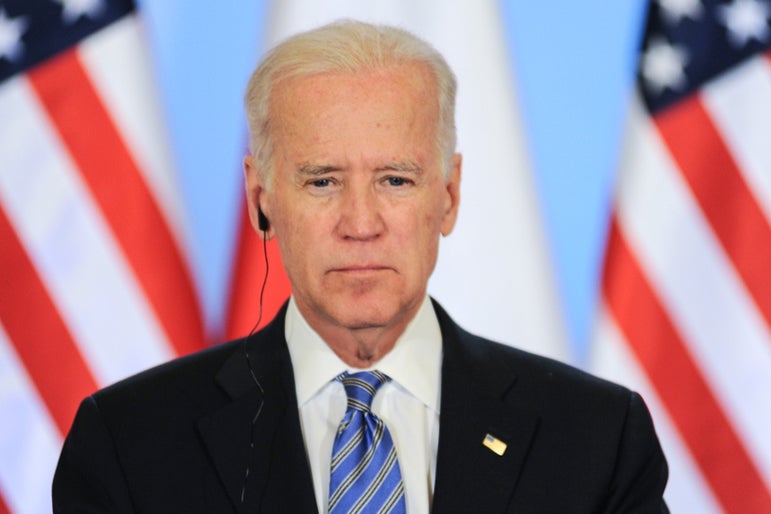
Khamenei's Death Triggers Uncertain Political Transition in Iran
- Leadership Transition: The death of Iran's Supreme Leader Khamenei, confirmed by state media, initiates the second leadership transition since the 1979 Islamic Revolution, a moment deemed historically significant yet fraught with uncertainty regarding its outcomes.
- Bleak Economic Outlook: Analysts caution that Khamenei's death does not equate to regime change, as the Islamic Revolutionary Guard Corps retains power, suggesting minimal prospects for political or economic liberalization in the near term, leaving investors in a state of ongoing uncertainty.
- Mixed Public Reaction: While some Iranians celebrated Khamenei's death on social media, viewing it as a potential turning point for the nation, analysts emphasize that such jubilation does not guarantee genuine regime change, and the future political landscape remains to be seen.
- Fragmented Opposition: The Iranian opposition in exile is deeply fragmented and lacks unified leadership, facing challenges in establishing credibility domestically, with the risk that importing political figures from abroad could lead to repeating past failures in political transitions.
See More

US-Israel Joint Strikes on Iran Trigger Middle East Conflict


- Joint Military Action: On February 28, 2026, the U.S. and Israel launched a joint military strike against Iran, targeting Supreme Leader Ali Khamenei, which provoked Iranian missile retaliation against Gulf states and Israel, escalating tensions across the Middle East.
- Successful Missile Interceptions: The UAE's Ministry of Defense confirmed the successful interception of multiple Iranian ballistic missiles, demonstrating the effectiveness of its air defense systems; however, the ongoing threats highlight the precarious security situation in the region.
- Airspace Closure Impact on Flights: The UAE announced a temporary closure of its airspace as a precautionary measure, leading to the diversion and cancellation of numerous flights by airlines such as Emirates and Air Arabia, illustrating the direct impact of the conflict on civil aviation.
- Strong International Reactions: Saudi Arabia condemned Iran's attacks and expressed readiness to support affected nations, while Qatar strongly denounced the violation of its sovereignty, reflecting widespread regional discontent and the escalating nature of the conflict.
See More
Trump's China Trip Faces Growing Uncertainty Amid Iran Strikes
- Iranian Leader Killed: The joint U.S.-Israel airstrike resulting in the death of Iran's Supreme Leader Khamenei complicates President Trump's upcoming trip to China, particularly against the backdrop of fragile U.S.-China relations, as analysts suggest.
- China's Response: China's Foreign Ministry condemned Khamenei's killing as a grave violation of Iran's sovereignty and security, urging an immediate ceasefire, which indicates Beijing's dissatisfaction with U.S. actions and concern for regional stability.
- Market Expectation Shift: According to Polymarket, expectations for Trump's visit to China by March 31 plummeted from 83.9% on February 21 to 42%, while the likelihood of a visit by April 30 remains high at 81%, reflecting increasing uncertainty in the market regarding Trump's travel plans.
- Business Environment Challenges: Prior to the Iran incident, many American CEOs were already hesitant to accompany Trump to China, and the current situation exacerbates challenges for business leaders in navigating plans for deals, potentially impacting future economic cooperation.
See More
US-Israel Military Strikes on Iran Escalate
- Escalation of Conflict: The U.S.-Israel military strikes against Iran have entered their third day, resulting in the assassination of Iran's Supreme Leader Khamenei, which triggered retaliatory missile and drone attacks from Iran, leading to over 200 civilian deaths and increasing uncertainty in the global economy.
- Market Reaction: Concerns over potential oil supply disruptions have driven U.S. crude prices up more than 8% to $72.57 per barrel, while Brent crude rose about 9% to $79.41, with precious metals like gold and silver climbing around 2% as investors seek safe-haven assets amid rising geopolitical tensions.
- Legal Controversy of U.S. Military Action: The U.S. Congress has not authorized military action against Iran, and a senior advisor at the International Crisis Group noted that President Trump's attack lacks legal justification, raising the risk for U.S. forces in the region due to its unprecedented scale.
- Global Reactions: China and Russia have strongly condemned the U.S. and Israeli military actions, calling for an immediate ceasefire, while U.S. allies expressed support for the strikes, emphasizing their right to defend their citizens and sovereignty, highlighting the international community's divided stance on the situation.
See More
U.S.-Israel Joint Strikes on Iran Trigger Global Reactions
- Assassination of Iranian Leader: The U.S.-Israel joint strikes resulted in the assassination of Iran's Supreme Leader Ayatollah Khamenei, triggering retaliatory missile and drone attacks from Tehran against U.S. military bases in Gulf nations, leading to over 200 civilian casualties in Iran and escalating regional tensions significantly.
- Surge in Oil Prices: In response to fears of a major disruption in energy supplies, Brent crude oil prices surged approximately 9% to $79.41 per barrel, while U.S. crude rose over 8% to $72.57, indicating the immediate impact of geopolitical risks on global energy markets and potential inflationary pressures.
- Equity Market Pullback: Following the escalation of conflict, U.S. equity markets experienced a pullback, with S&P 500 futures declining by 1% and Dow Jones futures dropping 521 points, reflecting investor anxiety over economic stability amid ongoing geopolitical uncertainties in the Middle East.
- Divergent Global Reactions: Global leaders have reacted differently to the U.S.-Israel military actions, with Western nations largely supporting the strikes while China and Russia condemned them, calling for an immediate ceasefire, highlighting the deep divisions in international responses to Middle Eastern conflicts and the potential for diplomatic crises.
See More
Escalating Middle East Conflict: US-Israel Joint Strikes on Iran
- Military Conflict Escalation: The US and Israel launched joint airstrikes on Iran, resulting in the assassination of Supreme Leader Khamenei, with analysts warning that this could mark the beginning of sustained military operations, potentially leading to rapid regional and global destabilization.
- Clear Strategic Objectives: The strikes target not only Iran's nuclear weapons program but also its command and control structures and military leadership, aiming to overthrow the Iranian regime through domestic unrest or a coup, reflecting US intentions to assert control over critical Middle Eastern oil resources.
- Strong International Reactions: Both Russia and China condemned the US military actions, and while neither can provide substantial support in the current situation, China's purchase of over 80% of Iran's oil in 2025 underscores its critical economic role for Iran amid heavy sanctions.
- Negotiation Prospects Shattered: The military actions have effectively destroyed any remaining chances for a negotiated settlement regarding Iran's nuclear program, with analysts noting that the US and Israel seized the opportunity to reshape the regional power dynamics amid Iran's critical vulnerability.
See More
Khamenei's Death Triggers Uncertain Political Transition in Iran
- Leadership Transition: The death of Iran's Supreme Leader Khamenei, confirmed by state media, initiates the second leadership transition since the 1979 Islamic Revolution, a moment deemed historically significant yet fraught with uncertainty regarding its outcomes.
- Bleak Economic Outlook: Analysts caution that Khamenei's death does not equate to regime change, as the Islamic Revolutionary Guard Corps retains power, suggesting minimal prospects for political or economic liberalization in the near term, leaving investors in a state of ongoing uncertainty.
- Mixed Public Reaction: While some Iranians celebrated Khamenei's death on social media, viewing it as a potential turning point for the nation, analysts emphasize that such jubilation does not guarantee genuine regime change, and the future political landscape remains to be seen.
- Fragmented Opposition: The Iranian opposition in exile is deeply fragmented and lacks unified leadership, facing challenges in establishing credibility domestically, with the risk that importing political figures from abroad could lead to repeating past failures in political transitions.
See More
US-Israel Joint Strikes on Iran Trigger Middle East Conflict
- Joint Military Action: On February 28, 2026, the U.S. and Israel launched a joint military strike against Iran, targeting Supreme Leader Ali Khamenei, which provoked Iranian missile retaliation against Gulf states and Israel, escalating tensions across the Middle East.
- Successful Missile Interceptions: The UAE's Ministry of Defense confirmed the successful interception of multiple Iranian ballistic missiles, demonstrating the effectiveness of its air defense systems; however, the ongoing threats highlight the precarious security situation in the region.
- Airspace Closure Impact on Flights: The UAE announced a temporary closure of its airspace as a precautionary measure, leading to the diversion and cancellation of numerous flights by airlines such as Emirates and Air Arabia, illustrating the direct impact of the conflict on civil aviation.
- Strong International Reactions: Saudi Arabia condemned Iran's attacks and expressed readiness to support affected nations, while Qatar strongly denounced the violation of its sovereignty, reflecting widespread regional discontent and the escalating nature of the conflict.
See More