Upcoming Ex-Dividend Dates for BP, TXO Partners, and Exxon Mobil


Upcoming Ex-Dividend Dates: BP PLC, TXO Partners LP, and Exxon Mobil Corp will trade ex-dividend on 11/14/25, with respective dividends of $0.4992, $0.35, and $1.03 scheduled for payment on 12/19/25, 11/21/25, and 12/10/25.
Expected Price Adjustments: Following the ex-dividend date, BP shares are expected to drop by approximately 1.34%, TXO by 2.53%, and XOM by 0.86%, based on their recent stock prices.
Dividend Yield Estimates: The estimated annualized yields for the upcoming dividends are 5.35% for BP PLC, 10.12% for TXO Partners LP, and 3.44% for Exxon Mobil Corp, indicating potential stability in dividend payments.
Current Trading Performance: As of Wednesday trading, BP shares are up 0.6%, TXO shares are up 2.4%, and Exxon shares are up 1.3%.
Trade with 70% Backtested Accuracy
Analyst Views on XOM

About XOM
About the author


Goldman Sachs CEO Discusses Iran War Impact on Markets


- Benign Market Reaction: Goldman Sachs CEO David Solomon remarked at the World Economic Forum that the financial markets have shown a surprisingly benign reaction to the ongoing Iran war, which has entered its fifth day, indicating that investor concerns may be less severe than anticipated.
- Increased Stock Volatility: U.S. stock markets have experienced heightened volatility, with the Dow Jones Industrial Average down 0.83%, the S&P 500 slipping 0.94%, and the Nasdaq Composite shedding 1.02% on Tuesday, reflecting the market's sensitivity to geopolitical risks.
- Rising Treasury Yields: Contrary to typical safe-haven behavior, U.S. Treasury yields are rising as investors worry about inflationary pressures from higher energy prices, leading to falling bond prices and increasing yields, which underscores the uncertainty surrounding future economic conditions.
- Oil Price Fluctuation Risks: International benchmark Brent crude futures rose 2.7% to $83.58 per barrel, with energy strategists warning that prolonged closure of the Strait of Hormuz could push oil prices above $100 per barrel, further exacerbating global economic instability.

Middle East Conflict Intensifies Challenges for Global Central Banks


- Oil Price Surge Impact: Following U.S. and Israeli military strikes on Iran, Brent crude prices rose 1.6% to $82.76 per barrel, marking the highest level since January 2025, which will exacerbate global inflationary pressures and compel central banks to reassess their interest rate strategies.
- Central Bank Policy Dilemma: As tensions in the Middle East escalate, the European Central Bank faces a 'genuine dilemma' where rising oil prices could push already sticky inflation higher while economic growth outlook weakens due to U.S. tariffs, prompting officials to respond cautiously to energy price fluctuations.
- Asian Economic Vulnerability: Goldman Sachs estimates that a six-week closure of the Strait of Hormuz, with oil prices jumping from $70 to $85, could raise regional inflation in Asia by about 0.7 percentage points, with the Philippines and Thailand being the most vulnerable, potentially leading to a pause in rate cuts by their central banks.
- Fiscal Policy to Combat Inflation: Nomura anticipates that Asian countries will utilize fiscal policy as the first line of defense against inflation, potentially implementing price controls and increased subsidies, but this could exacerbate existing fiscal budget deficits, creating a policy dilemma for governments.
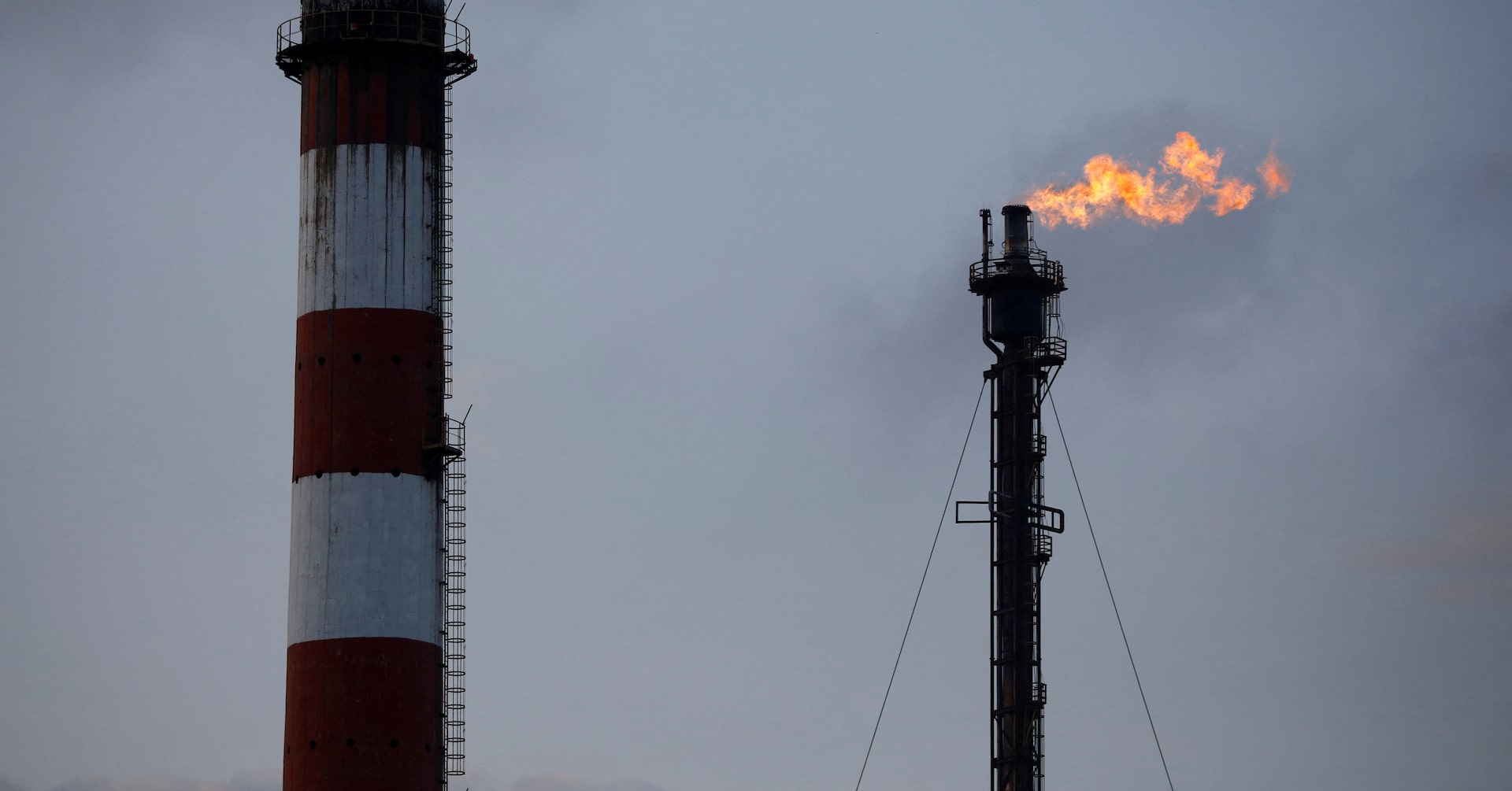
Energy Sector Thrives Amid Geopolitical Tensions
- Surge in Oil Prices: The escalation of the U.S. and Israel's conflict with Iran has led to a nearly 30% increase in crude oil prices, making the energy sector the top-performing area this year and significantly boosting investor confidence in the sector.
- Strong Performance of Major Oil Companies: Due to geopolitical risks, stocks of large integrated oil companies like Chevron and Exxon Mobil have reached 52-week highs, demonstrating their robust competitiveness in the global oil and gas supply chain.
- Optimistic Outlook for TechnipFMC: As a leading manufacturer in the energy sector, TechnipFMC benefits from increased capital spending driven by rising oil prices, with its stock trading near a 52-week high and projected EPS growth of 14% this year, reaching $3.34 by 2027.
- Investor Shift to Energy: Amid heightened market volatility, investors are flocking to the energy sector for defensive investments, highlighting the relative safety and strong fundamentals of the industry in the current economic environment.

Escalating Middle East Conflict Impacts Global Markets
- Market Turmoil Intensifies: South Korea's Kospi index fell 7.24% on Wednesday, extending its worst performance in 19 months, indicating severe investor sentiment impact due to escalating Middle East conflict.
- China's Policy Meeting in Focus: China's

Exxon Mobil Plans to Return to Venezuela with New Investment Terms
- Technical Team Deployment: Exxon Mobil (XOM) plans to send a technical team to Venezuela in a few weeks after finalizing logistical and security arrangements, indicating the company's interest in returning if favorable investment terms are established.
- Resource Familiarity: Senior VP Jack Williams noted that the company is well-acquainted with Venezuela's resources, having had a successful operation there in 2007, which suggests a strategic advantage for potential re-entry.
- Technological Advancements: Williams mentioned that since leaving Venezuela, Exxon has significantly improved its technology for heavy oil resources, indicating that the company could achieve better operational efficiency than before with its enhanced technological toolkit.
- Global Asset Strategy: Williams highlighted that Exxon's extensive global assets and operations provide a buffer against operational disruptions from conflicts in the Middle East, ensuring the company can optimize resource allocation in response to market dynamics.

Oil Price Fluctuations Have Far-Reaching Economic Impacts
- Profit Pressure from Oil Prices: Recent oil price increases of over 10% in just two days are expected to exert direct pressure on profit margins, as companies struggle to pass costs onto consumers, potentially leading to declines in stock prices.
- Inflationary Risks Intensified: Rising oil prices are likely to drive overall inflation, particularly impacting costs in sectors like trucking and plastics, which may reduce consumer purchasing power and subsequently affect sales and corporate profits.
- Federal Reserve Policy Considerations: The increase in oil prices complicates the Federal Reserve's decision-making environment regarding interest rates, as inflationary pressures mount, even though the core PCE index excludes volatile food and energy costs, the indirect effects remain significant.
- Market Dynamics in Flux: The fluctuations in oil prices are closely tied to stock market performance, with WTI crude reaching $77.98 on Tuesday before retreating to around $74, indicating the market's sensitivity to oil price movements, necessitating a calm and discerning approach from investors amid uncertainty.
Goldman Sachs CEO Discusses Iran War Impact on Markets
- Benign Market Reaction: Goldman Sachs CEO David Solomon remarked at the World Economic Forum that the financial markets have shown a surprisingly benign reaction to the ongoing Iran war, which has entered its fifth day, indicating that investor concerns may be less severe than anticipated.
- Increased Stock Volatility: U.S. stock markets have experienced heightened volatility, with the Dow Jones Industrial Average down 0.83%, the S&P 500 slipping 0.94%, and the Nasdaq Composite shedding 1.02% on Tuesday, reflecting the market's sensitivity to geopolitical risks.
- Rising Treasury Yields: Contrary to typical safe-haven behavior, U.S. Treasury yields are rising as investors worry about inflationary pressures from higher energy prices, leading to falling bond prices and increasing yields, which underscores the uncertainty surrounding future economic conditions.
- Oil Price Fluctuation Risks: International benchmark Brent crude futures rose 2.7% to $83.58 per barrel, with energy strategists warning that prolonged closure of the Strait of Hormuz could push oil prices above $100 per barrel, further exacerbating global economic instability.
Middle East Conflict Intensifies Challenges for Global Central Banks
- Oil Price Surge Impact: Following U.S. and Israeli military strikes on Iran, Brent crude prices rose 1.6% to $82.76 per barrel, marking the highest level since January 2025, which will exacerbate global inflationary pressures and compel central banks to reassess their interest rate strategies.
- Central Bank Policy Dilemma: As tensions in the Middle East escalate, the European Central Bank faces a 'genuine dilemma' where rising oil prices could push already sticky inflation higher while economic growth outlook weakens due to U.S. tariffs, prompting officials to respond cautiously to energy price fluctuations.
- Asian Economic Vulnerability: Goldman Sachs estimates that a six-week closure of the Strait of Hormuz, with oil prices jumping from $70 to $85, could raise regional inflation in Asia by about 0.7 percentage points, with the Philippines and Thailand being the most vulnerable, potentially leading to a pause in rate cuts by their central banks.
- Fiscal Policy to Combat Inflation: Nomura anticipates that Asian countries will utilize fiscal policy as the first line of defense against inflation, potentially implementing price controls and increased subsidies, but this could exacerbate existing fiscal budget deficits, creating a policy dilemma for governments.
Energy Sector Thrives Amid Geopolitical Tensions
- Surge in Oil Prices: The escalation of the U.S. and Israel's conflict with Iran has led to a nearly 30% increase in crude oil prices, making the energy sector the top-performing area this year and significantly boosting investor confidence in the sector.
- Strong Performance of Major Oil Companies: Due to geopolitical risks, stocks of large integrated oil companies like Chevron and Exxon Mobil have reached 52-week highs, demonstrating their robust competitiveness in the global oil and gas supply chain.
- Optimistic Outlook for TechnipFMC: As a leading manufacturer in the energy sector, TechnipFMC benefits from increased capital spending driven by rising oil prices, with its stock trading near a 52-week high and projected EPS growth of 14% this year, reaching $3.34 by 2027.
- Investor Shift to Energy: Amid heightened market volatility, investors are flocking to the energy sector for defensive investments, highlighting the relative safety and strong fundamentals of the industry in the current economic environment.
Escalating Middle East Conflict Impacts Global Markets
- Market Turmoil Intensifies: South Korea's Kospi index fell 7.24% on Wednesday, extending its worst performance in 19 months, indicating severe investor sentiment impact due to escalating Middle East conflict.
- China's Policy Meeting in Focus: China's
Exxon Mobil Plans to Return to Venezuela with New Investment Terms
- Technical Team Deployment: Exxon Mobil (XOM) plans to send a technical team to Venezuela in a few weeks after finalizing logistical and security arrangements, indicating the company's interest in returning if favorable investment terms are established.
- Resource Familiarity: Senior VP Jack Williams noted that the company is well-acquainted with Venezuela's resources, having had a successful operation there in 2007, which suggests a strategic advantage for potential re-entry.
- Technological Advancements: Williams mentioned that since leaving Venezuela, Exxon has significantly improved its technology for heavy oil resources, indicating that the company could achieve better operational efficiency than before with its enhanced technological toolkit.
- Global Asset Strategy: Williams highlighted that Exxon's extensive global assets and operations provide a buffer against operational disruptions from conflicts in the Middle East, ensuring the company can optimize resource allocation in response to market dynamics.
Oil Price Fluctuations Have Far-Reaching Economic Impacts
- Profit Pressure from Oil Prices: Recent oil price increases of over 10% in just two days are expected to exert direct pressure on profit margins, as companies struggle to pass costs onto consumers, potentially leading to declines in stock prices.
- Inflationary Risks Intensified: Rising oil prices are likely to drive overall inflation, particularly impacting costs in sectors like trucking and plastics, which may reduce consumer purchasing power and subsequently affect sales and corporate profits.
- Federal Reserve Policy Considerations: The increase in oil prices complicates the Federal Reserve's decision-making environment regarding interest rates, as inflationary pressures mount, even though the core PCE index excludes volatile food and energy costs, the indirect effects remain significant.
- Market Dynamics in Flux: The fluctuations in oil prices are closely tied to stock market performance, with WTI crude reaching $77.98 on Tuesday before retreating to around $74, indicating the market's sensitivity to oil price movements, necessitating a calm and discerning approach from investors amid uncertainty.