Trump Claims Canada Refuses to Certify Gulfstream Jets
Written by Emily J. Thompson, Senior Investment Analyst
Updated: Jan 30 2026
0mins

Source: stocktwits
- Certification Dispute: Trump claims Canada has illegally refused to certify General Dynamics' Gulfstream 500, 600, 700, and 800 jets, resulting in the U.S. decertification of Bombardier Global Express jets, which could strain trade relations in the aerospace sector between the two countries.
- Tariff Threats: Trump warned that if Canada does not certify Gulfstream aircraft, he would impose a 50% tariff on all aircraft made in Canada, a move that could escalate trade tensions between the U.S. and Canada.
- Market Sentiment: According to Stocktwits data, retail sentiment for General Dynamics has shifted from 'neutral' to 'bearish', while Bombardier's sentiment has moved from 'bearish' to 'bullish', indicating differing market perceptions of the two companies' prospects.
- Stock Performance: Over the past 12 months, shares of General Dynamics have surged more than 36%, while U.S.-listed shares of Bombardier have more than tripled, reflecting contrasting investor expectations for the future performance of both companies.
Trade with 70% Backtested Accuracy
Stop guessing "Should I Buy GD?" and start using high-conviction signals backed by rigorous historical data.
Sign up today to access powerful investing tools and make smarter, data-driven decisions.
Analyst Views on GD
Wall Street analysts forecast GD stock price to rise
15 Analyst Rating
7 Buy
8 Hold
0 Sell
Moderate Buy
Current: 364.700

Low
360.00
Averages
386.85
High
410.00
Current: 364.700
Low
360.00
Averages
386.85
High
410.00
About GD
General Dynamics Corporation is a global aerospace and defense company. It offers a portfolio of products and services in business aviation; ship construction and repair; land combat vehicles, weapons systems and munitions, and technology products and services. Its segments include Aerospace, Marine Systems, Combat Systems and Technologies. The Aerospace segment produces business jets and is the standard bearer in new technology aircraft, aircraft repair, customer support and custom completion services. The Marine Systems segment designs and builds nuclear-powered submarines and is engaged in surface combatant and auxiliary ship design and construction for the U.S. Navy. The Combat Systems segment manufactures land combat solutions worldwide, including wheeled and tracked combat vehicles, weapons systems and munitions. The Technologies segment provides a full spectrum of services, technologies and products to a range of military, intelligence, federal civilian and state customers.
About the author

Emily J. Thompson
Emily J. Thompson, a Chartered Financial Analyst (CFA) with 12 years in investment research, graduated with honors from the Wharton School. Specializing in industrial and technology stocks, she provides in-depth analysis for Intellectia’s earnings and market brief reports.

Geopolitical Conflict Boosts Drone Demand

- Drone Market Growth: Analysts indicate that the Ukraine-Russia war has driven demand for drone systems, which is expected to enhance the sector's attractiveness, particularly as U.S. investment in unmanned systems increases.
- Rising Demand for Counter-Drone Tech: With Iran deploying low-cost long-range drones against U.S. targets, BTIG analysts note that production and distribution of counter-drone systems are increasing to address escalating threats, with AeroVironment and Leonardo DRS positioned as primary beneficiaries.
- Increased Defense Budget: The fiscal 2025 National Defense Authorization Act raised the budget for counter-drone programs by approximately $336 million, reflecting the U.S. government's commitment to unmanned systems, especially in countering emerging threats.
- Optimistic Market Outlook: AeroVironment is projected to capture hundreds of millions in market opportunities, particularly after the U.S. military selected its counter-drone systems, and analysts' strong buy ratings reflect confidence in the company's future growth prospects.
See More
Anthropic Designated Supply Chain Risk by Trump Administration


- Supply Chain Risk Declaration: The Trump administration's designation of Anthropic as a supply chain risk has prompted 10 startups working with the Department of Defense to cease using its Claude model and seek alternatives, potentially impacting about 80% of Anthropic's enterprise revenue.
- Defense Contract Implications: Major defense contractors like Lockheed Martin are expected to remove Anthropic's technology from their supply chains, which could lead to a decline in Anthropic's market share within the defense sector and adversely affect future revenue growth.
- Legal Response Possibility: Anthropic has indicated it may appeal the supply chain risk designation through legal channels, although no formal action has been taken yet; if the designation becomes official, it would restrict the use of Claude in defense contracts, potentially affecting its business with other clients.
- Market Reaction and Alternatives: Several defense tech firms are proactively transitioning their workforce away from Claude to other models, and while Anthropic's product is regarded as excellent, the reliance on it for defense contracts is now under scrutiny, posing challenges for its continued use in sensitive environments.
See More

Investors Urged to Exercise Caution Amid Market Uncertainty


- Market Volatility Warning: Despite major indices rebounding from their lows on Tuesday, investors are advised to tread carefully as the Dow Jones Industrial Average plummeted over 1,200 points at one point, ultimately closing down 400 points, indicating market instability.
- Global Market Impact: The South Korean Kospi index crashed by 12% on Tuesday after a 7% drop on Monday, marking its largest single-day decline since 1985, reflecting significant losses in global markets due to geopolitical tensions.
- Investment Strategy Recommendations: JPMorgan advises clients to remain long on energy and the dollar index amid elevated geopolitical risks, while suggesting a focus on aerospace and defense stocks within equities to navigate market uncertainties.
- Energy Market Performance: U.S. crude futures have risen by 10% this week, and the S&P 500 energy sector has climbed 1%, indicating that energy assets retain defensive qualities and attractiveness amidst market turmoil.
See More

South Korea's Kospi Records Worst Day Ever with 12% Plunge

- Market Crash: South Korea's Kospi index plummeted 12% on Wednesday, marking its worst day ever, reflecting investor concerns over the global economic outlook, particularly amid escalating Middle East conflicts that could lead to oil price spikes and increased inflation risks.
- US Market Decline: Concurrently, US markets also faced significant declines, with the S&P 500 slipping about 0.94% and the Dow dropping over 1,200 points at one point before closing down 0.83%, indicating a sensitive market reaction to international developments.
- Defense Industry Meeting: Executives from US defense contractors Lockheed Martin and RTX are expected to meet with White House officials on Friday to discuss accelerating weapons production, which could positively impact defense spending and the stock prices of related companies.
- China's Manufacturing Slowdown: China's official manufacturing purchasing managers' index fell to 49 in February, missing economists' forecast of 49.1, indicating a slowdown in manufacturing activity due to production and cargo shipment pauses for the holiday, which may affect global supply chain stability.
See More
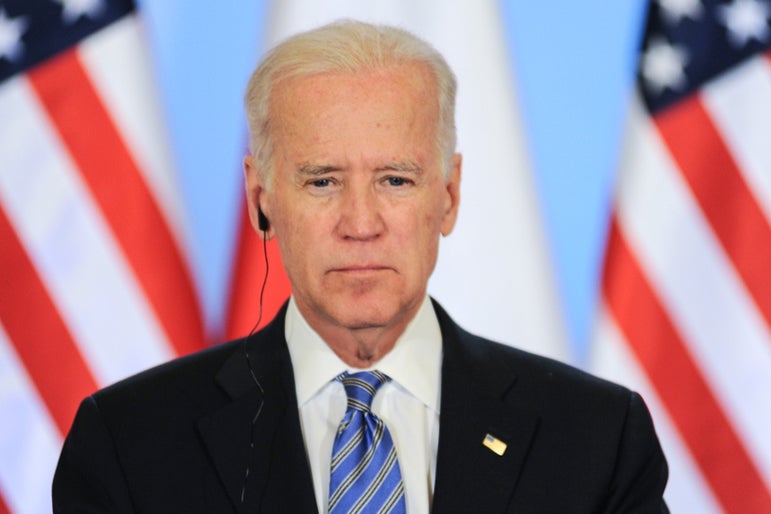
Trump's Ambiguous Objectives in Iran War

- Unclear War Objectives: Trump's military action against Iran has seen its objectives shift multiple times within 48 hours, ranging from preventing nuclear weapons to regime change, raising questions about U.S. strategic intentions and potentially affecting Congressional support for the war.
- Rising U.S. Casualties: With U.S. service member deaths climbing to six, opposition from Democrats has intensified, and some Republicans are beginning to question Trump's military strategy, which could lead to increased pressure on the administration in Congress.
- Divergent Cabinet Opinions: Trump's cabinet members have differing views on the nature and goals of the war, with the Defense Secretary stating it is not a
See More
China's Submarine Modernization Threatens U.S. Security

- Accelerated Submarine Modernization: Senior U.S. naval officials warn that China is rapidly modernizing its submarine fleet, with projections indicating a growth to about 80 submarines by 2035, roughly half of which will be nuclear-powered, significantly enhancing China's sea-based nuclear deterrent capabilities.
- Escalating Strategic Threat: The anticipated Type 096 ballistic missile submarine is expected to have the capability to strike large portions of the U.S. from protected waters, thereby increasing the threat to the U.S. homeland and highlighting the intensifying undersea rivalry between the two powers.
- Increased Production Capacity: China's submarine production capacity has surged from less than one nuclear submarine per year to significantly higher levels, supported by upgraded shipbuilding infrastructure, positioning China favorably in future maritime strategies.
- Enhanced Technological Investments: Beijing is investing in seabed sensors, undersea cables, and unmanned systems to improve detection and tracking of rival submarines, complicating U.S. military operations in the western Pacific and raising intervention costs during crises.
See More
Geopolitical Conflict Boosts Drone Demand
- Drone Market Growth: Analysts indicate that the Ukraine-Russia war has driven demand for drone systems, which is expected to enhance the sector's attractiveness, particularly as U.S. investment in unmanned systems increases.
- Rising Demand for Counter-Drone Tech: With Iran deploying low-cost long-range drones against U.S. targets, BTIG analysts note that production and distribution of counter-drone systems are increasing to address escalating threats, with AeroVironment and Leonardo DRS positioned as primary beneficiaries.
- Increased Defense Budget: The fiscal 2025 National Defense Authorization Act raised the budget for counter-drone programs by approximately $336 million, reflecting the U.S. government's commitment to unmanned systems, especially in countering emerging threats.
- Optimistic Market Outlook: AeroVironment is projected to capture hundreds of millions in market opportunities, particularly after the U.S. military selected its counter-drone systems, and analysts' strong buy ratings reflect confidence in the company's future growth prospects.
See More
Anthropic Designated Supply Chain Risk by Trump Administration
- Supply Chain Risk Declaration: The Trump administration's designation of Anthropic as a supply chain risk has prompted 10 startups working with the Department of Defense to cease using its Claude model and seek alternatives, potentially impacting about 80% of Anthropic's enterprise revenue.
- Defense Contract Implications: Major defense contractors like Lockheed Martin are expected to remove Anthropic's technology from their supply chains, which could lead to a decline in Anthropic's market share within the defense sector and adversely affect future revenue growth.
- Legal Response Possibility: Anthropic has indicated it may appeal the supply chain risk designation through legal channels, although no formal action has been taken yet; if the designation becomes official, it would restrict the use of Claude in defense contracts, potentially affecting its business with other clients.
- Market Reaction and Alternatives: Several defense tech firms are proactively transitioning their workforce away from Claude to other models, and while Anthropic's product is regarded as excellent, the reliance on it for defense contracts is now under scrutiny, posing challenges for its continued use in sensitive environments.
See More
Investors Urged to Exercise Caution Amid Market Uncertainty
- Market Volatility Warning: Despite major indices rebounding from their lows on Tuesday, investors are advised to tread carefully as the Dow Jones Industrial Average plummeted over 1,200 points at one point, ultimately closing down 400 points, indicating market instability.
- Global Market Impact: The South Korean Kospi index crashed by 12% on Tuesday after a 7% drop on Monday, marking its largest single-day decline since 1985, reflecting significant losses in global markets due to geopolitical tensions.
- Investment Strategy Recommendations: JPMorgan advises clients to remain long on energy and the dollar index amid elevated geopolitical risks, while suggesting a focus on aerospace and defense stocks within equities to navigate market uncertainties.
- Energy Market Performance: U.S. crude futures have risen by 10% this week, and the S&P 500 energy sector has climbed 1%, indicating that energy assets retain defensive qualities and attractiveness amidst market turmoil.
See More
South Korea's Kospi Records Worst Day Ever with 12% Plunge
- Market Crash: South Korea's Kospi index plummeted 12% on Wednesday, marking its worst day ever, reflecting investor concerns over the global economic outlook, particularly amid escalating Middle East conflicts that could lead to oil price spikes and increased inflation risks.
- US Market Decline: Concurrently, US markets also faced significant declines, with the S&P 500 slipping about 0.94% and the Dow dropping over 1,200 points at one point before closing down 0.83%, indicating a sensitive market reaction to international developments.
- Defense Industry Meeting: Executives from US defense contractors Lockheed Martin and RTX are expected to meet with White House officials on Friday to discuss accelerating weapons production, which could positively impact defense spending and the stock prices of related companies.
- China's Manufacturing Slowdown: China's official manufacturing purchasing managers' index fell to 49 in February, missing economists' forecast of 49.1, indicating a slowdown in manufacturing activity due to production and cargo shipment pauses for the holiday, which may affect global supply chain stability.
See More
Trump's Ambiguous Objectives in Iran War
- Unclear War Objectives: Trump's military action against Iran has seen its objectives shift multiple times within 48 hours, ranging from preventing nuclear weapons to regime change, raising questions about U.S. strategic intentions and potentially affecting Congressional support for the war.
- Rising U.S. Casualties: With U.S. service member deaths climbing to six, opposition from Democrats has intensified, and some Republicans are beginning to question Trump's military strategy, which could lead to increased pressure on the administration in Congress.
- Divergent Cabinet Opinions: Trump's cabinet members have differing views on the nature and goals of the war, with the Defense Secretary stating it is not a
See More
China's Submarine Modernization Threatens U.S. Security
- Accelerated Submarine Modernization: Senior U.S. naval officials warn that China is rapidly modernizing its submarine fleet, with projections indicating a growth to about 80 submarines by 2035, roughly half of which will be nuclear-powered, significantly enhancing China's sea-based nuclear deterrent capabilities.
- Escalating Strategic Threat: The anticipated Type 096 ballistic missile submarine is expected to have the capability to strike large portions of the U.S. from protected waters, thereby increasing the threat to the U.S. homeland and highlighting the intensifying undersea rivalry between the two powers.
- Increased Production Capacity: China's submarine production capacity has surged from less than one nuclear submarine per year to significantly higher levels, supported by upgraded shipbuilding infrastructure, positioning China favorably in future maritime strategies.
- Enhanced Technological Investments: Beijing is investing in seabed sensors, undersea cables, and unmanned systems to improve detection and tracking of rival submarines, complicating U.S. military operations in the western Pacific and raising intervention costs during crises.
See More