Trump Administration Halts $259 Million Medicaid Funds to Minnesota
Written by Emily J. Thompson, Senior Investment Analyst
Updated: 4 days ago
0mins
Source: seekingalpha
- Medicaid Funding Suspension: U.S. Vice President JD Vance announced the withholding of $259 million in Medicaid funds from Minnesota due to the state's failure to prevent the theft of federal funds, highlighting significant regulatory shortcomings in social welfare programs.
- State Government Pushback: Minnesota Governor Tim Walz retaliated on social media, accusing the Trump administration of attempting to punish states led by Democrats, illustrating the political tensions intertwined with healthcare policy.
- Audit Findings Impact: Medicaid program overseer Dr. Mehmet Oz stated that the payment halt follows audit findings, requiring Minnesota to propose a comprehensive corrective action plan within 60 days, emphasizing the stringent scrutiny of Medicaid fund usage.
- Nationwide Enrollment Pause: Additionally, a six-month nationwide pause on Medicaid enrollment for durable medical equipment suppliers was announced, aimed at addressing fraud risks among these providers, thereby intensifying oversight of the Medicaid system.
Trade with 70% Backtested Accuracy
Stop guessing "Should I Buy UNH?" and start using high-conviction signals backed by rigorous historical data.
Sign up today to access powerful investing tools and make smarter, data-driven decisions.
Analyst Views on UNH
Wall Street analysts forecast UNH stock price to rise
19 Analyst Rating
16 Buy
3 Hold
0 Sell
Strong Buy
Current: 293.270

Low
330.00
Averages
397.82
High
444.00
Current: 293.270
Low
330.00
Averages
397.82
High
444.00
About UNH
UnitedHealth Group Incorporated is a healthcare and well-being company. Its segments include Optum Health, Optum Insight, Optum Rx, and UnitedHealthcare, which includes UnitedHealthcare Employer & Individual, UnitedHealthcare Medicare & Retirement and UnitedHealthcare Community & State. Optum Health offers comprehensive and patient-centered care, addressing the physical, mental, social, and financial well-being. Optum Health delivers primary, specialty and surgical care; helps patients and providers navigate and address complex, chronic and behavioral health needs. Optum Insight connects the healthcare system with services, analytics and platforms that make clinical, administrative and financial processes simpler and more efficient for all participants in the healthcare system. Optum Rx offers a range of pharmacy care services through retail pharmacies, through home delivery, specialty and community health pharmacies and the provision of in-home and community-based infusion services.
About the author

Emily J. Thompson
Emily J. Thompson, a Chartered Financial Analyst (CFA) with 12 years in investment research, graduated with honors from the Wharton School. Specializing in industrial and technology stocks, she provides in-depth analysis for Intellectia’s earnings and market brief reports.

UnitedHealth Group Faces Significant Challenges Amid Rising Costs

- Rising Medical Care Ratio: UnitedHealth Group's medical care ratio reached 89.1% in 2025, up from 85.5% in 2024, indicating increasing pressure on the company's ability to manage medical expenses, which could adversely affect profitability.
- Significant Stock Decline: Over the past 12 months, UnitedHealth's stock has fallen by 37%, dropping from a 52-week high of $606 to around $293, reflecting market concerns about its future growth amid rising costs and billing investigations.
- Investor Confidence Eroding: Although the company offers a 3% above-average dividend yield, the uncertainty surrounding its business prospects has weakened investor confidence in the dividend, potentially leading to capital outflows and further stock price declines.
- Uncertain Future Growth: The future growth of UnitedHealth Group hinges on its ability to effectively reduce the medical care ratio; without significant improvement, investor skepticism regarding its profit growth potential may increase.
See More

UnitedHealth Group Stock Faces Significant Decline Amid Rising Costs
- Stock Decline: UnitedHealth Group's stock has fallen by 37% over the past year, dropping from a 52-week high of $606 to around $293, indicating market concerns about its future profitability.
- Rising Medical Care Ratio: The medical care ratio reached 89.1% in 2025, up from 85.5% in 2024, highlighting the company's challenges in controlling costs, which could impact its profit growth outlook.
- Investigations Impact: The company is facing investigations into its billing practices, which may negatively affect future growth and increase uncertainty for investors, putting pressure on the stock price.
- Dividend Attractiveness Declining: Although the stock offers a 3% dividend yield, investor confidence in the dividend may wane if the underlying business performance falters, prompting a more cautious investment approach.
See More
Analysis of Significant Stock Movements


- AeroVironment Stock Decline: AeroVironment shares fell approximately 20% after Raymond James downgraded its rating from strong buy to underperform, losing exclusivity on a $1.4 billion contract with the U.S. Space Force, which could negatively impact future revenues.
- Palantir Sales Surge: Palantir's stock rose 6%, making it the biggest gainer in the S&P 500, with U.S. government revenue accounting for 41% of its sales in Q4, reflecting a 66% year-over-year increase, indicating potential growth from increased defense spending.
- Norwegian Cruise Line Earnings Guidance Cut: Norwegian Cruise Line shares dropped 10% due to weaker-than-expected earnings guidance for 2026, projecting earnings per share at $2.38, below the FactSet estimate of $2.57, raising concerns about its future profitability.
- AES Acquisition Announcement: AES shares plunged 17% after a consortium led by BlackRock announced plans to acquire the company for nearly $11 billion, offering shareholders $15 per share in cash, with the deal expected to close in late 2026 or early 2027.
See More

Defense Stocks Rise After U.S.-Israeli Strikes on Iran


- Defense Stocks Surge: Following the joint U.S.-Israeli attack on Iran, defense stocks collectively rose, with Lockheed Martin shares gaining 6%, Northrop Grumman up 5%, and drone manufacturer AeroVironment soaring over 10%, indicating strong market optimism regarding defense spending.
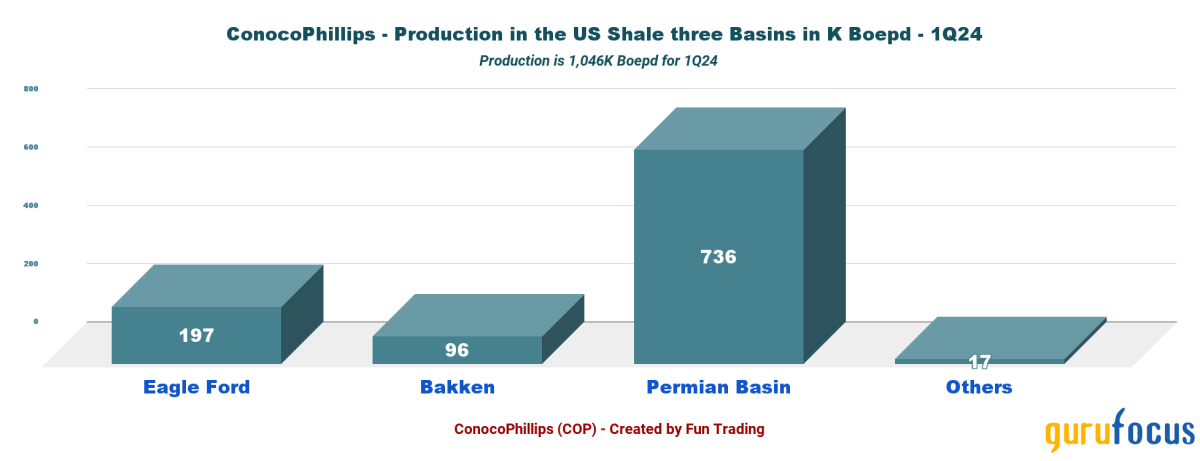
- Oil Prices Spike: The escalation of conflict has led to a significant rise in oil prices, with Brent crude hitting a 52-week high of over $78 on Monday, causing Exxon Mobil and Chevron shares to rise about 4% and ConocoPhillips to gain over 5%, reflecting market concerns over potential disruptions to global crude production and transport.
- Tankers Stocks Perform Well: In response to the military strikes in the Middle East, tanker stocks surged, with Frontline rising over 5%, DHT Holdings up 7%, and International Seaways increasing by 6%, showcasing heightened expectations for tanker transportation demand.
- Travel Stocks Decline: The conflict has caused oil prices to surge, disrupting global travel, leading to declines in travel stocks, with Expedia and Booking Holdings down 3.2% and 2.7%, respectively, Delta Air Lines falling 5.7%, and American Airlines and United Airlines dropping at least 6%, reflecting a pessimistic outlook for the travel industry.
See More

Berkshire Hathaway Reports Decline in 2025 Net Earnings


- Net Earnings Decline: Berkshire Hathaway reported net earnings of $66.968 billion for 2025, a significant drop of approximately 25% from $88.995 billion in 2024, highlighting the substantial impact of investment fluctuations on the company's financial health.
- New CEO Leadership Change: New CEO Greg Abel's first shareholder letter marks a pivotal transition post-Warren Buffett, with market focus on whether he will alter the strategy for deploying over $300 billion in cash reserves.
- Investment Income Fluctuations: The company recorded $30.737 billion in investment gains for 2025, down from $41.558 billion in 2024, alongside impairment charges of $8.255 billion related to Kraft Heinz and Occidental, which significantly affected overall profitability.
- Insurance Sector Performance: The insurance segment contributed $72.58 billion in earnings for 2025, although down from $90.20 billion in 2024, it remains a crucial pillar of the company's performance, underscoring the ongoing significance of the insurance industry.
See More

Billionaire Investor Halvorsen's Portfolio Changes in Q4 2025

- Portfolio Adjustment: In Q4 2025, Viking Global Investors sold significant positions in Nike, Netflix, and Meta Platforms, shifting focus to three insurance stocks, indicating a strategic pivot towards traditional sectors amid uncertainties in tech stocks.
- New Insurance Investments: Viking's new positions in insurance stocks UnitedHealth Group, Chubb, and Progressive, each valued between $300 million and $400 million, suggest Halvorsen's optimistic outlook on the insurance sector's potential growth despite increasing market competition.
- Nike's Challenges: Nike is undergoing a brand turnaround after years of competitive pressure, but slow progress and Trump's tariff policies may have led Halvorsen to believe that the investment's return timeline was too lengthy, prompting his exit.
- Netflix Acquisition Risks: Netflix's pursuit of Warner Bros. Discovery assets faces regulatory scrutiny and skepticism regarding its acquisition capabilities, and Halvorsen's divestment may reflect concerns about the company's future growth strategy.
See More
UnitedHealth Group Faces Significant Challenges Amid Rising Costs
- Rising Medical Care Ratio: UnitedHealth Group's medical care ratio reached 89.1% in 2025, up from 85.5% in 2024, indicating increasing pressure on the company's ability to manage medical expenses, which could adversely affect profitability.
- Significant Stock Decline: Over the past 12 months, UnitedHealth's stock has fallen by 37%, dropping from a 52-week high of $606 to around $293, reflecting market concerns about its future growth amid rising costs and billing investigations.
- Investor Confidence Eroding: Although the company offers a 3% above-average dividend yield, the uncertainty surrounding its business prospects has weakened investor confidence in the dividend, potentially leading to capital outflows and further stock price declines.
- Uncertain Future Growth: The future growth of UnitedHealth Group hinges on its ability to effectively reduce the medical care ratio; without significant improvement, investor skepticism regarding its profit growth potential may increase.
See More
UnitedHealth Group Stock Faces Significant Decline Amid Rising Costs
- Stock Decline: UnitedHealth Group's stock has fallen by 37% over the past year, dropping from a 52-week high of $606 to around $293, indicating market concerns about its future profitability.
- Rising Medical Care Ratio: The medical care ratio reached 89.1% in 2025, up from 85.5% in 2024, highlighting the company's challenges in controlling costs, which could impact its profit growth outlook.
- Investigations Impact: The company is facing investigations into its billing practices, which may negatively affect future growth and increase uncertainty for investors, putting pressure on the stock price.
- Dividend Attractiveness Declining: Although the stock offers a 3% dividend yield, investor confidence in the dividend may wane if the underlying business performance falters, prompting a more cautious investment approach.
See More
Analysis of Significant Stock Movements
- AeroVironment Stock Decline: AeroVironment shares fell approximately 20% after Raymond James downgraded its rating from strong buy to underperform, losing exclusivity on a $1.4 billion contract with the U.S. Space Force, which could negatively impact future revenues.
- Palantir Sales Surge: Palantir's stock rose 6%, making it the biggest gainer in the S&P 500, with U.S. government revenue accounting for 41% of its sales in Q4, reflecting a 66% year-over-year increase, indicating potential growth from increased defense spending.
- Norwegian Cruise Line Earnings Guidance Cut: Norwegian Cruise Line shares dropped 10% due to weaker-than-expected earnings guidance for 2026, projecting earnings per share at $2.38, below the FactSet estimate of $2.57, raising concerns about its future profitability.
- AES Acquisition Announcement: AES shares plunged 17% after a consortium led by BlackRock announced plans to acquire the company for nearly $11 billion, offering shareholders $15 per share in cash, with the deal expected to close in late 2026 or early 2027.
See More
Defense Stocks Rise After U.S.-Israeli Strikes on Iran
- Defense Stocks Surge: Following the joint U.S.-Israeli attack on Iran, defense stocks collectively rose, with Lockheed Martin shares gaining 6%, Northrop Grumman up 5%, and drone manufacturer AeroVironment soaring over 10%, indicating strong market optimism regarding defense spending.
- Oil Prices Spike: The escalation of conflict has led to a significant rise in oil prices, with Brent crude hitting a 52-week high of over $78 on Monday, causing Exxon Mobil and Chevron shares to rise about 4% and ConocoPhillips to gain over 5%, reflecting market concerns over potential disruptions to global crude production and transport.
- Tankers Stocks Perform Well: In response to the military strikes in the Middle East, tanker stocks surged, with Frontline rising over 5%, DHT Holdings up 7%, and International Seaways increasing by 6%, showcasing heightened expectations for tanker transportation demand.
- Travel Stocks Decline: The conflict has caused oil prices to surge, disrupting global travel, leading to declines in travel stocks, with Expedia and Booking Holdings down 3.2% and 2.7%, respectively, Delta Air Lines falling 5.7%, and American Airlines and United Airlines dropping at least 6%, reflecting a pessimistic outlook for the travel industry.
See More
Berkshire Hathaway Reports Decline in 2025 Net Earnings
- Net Earnings Decline: Berkshire Hathaway reported net earnings of $66.968 billion for 2025, a significant drop of approximately 25% from $88.995 billion in 2024, highlighting the substantial impact of investment fluctuations on the company's financial health.
- New CEO Leadership Change: New CEO Greg Abel's first shareholder letter marks a pivotal transition post-Warren Buffett, with market focus on whether he will alter the strategy for deploying over $300 billion in cash reserves.
- Investment Income Fluctuations: The company recorded $30.737 billion in investment gains for 2025, down from $41.558 billion in 2024, alongside impairment charges of $8.255 billion related to Kraft Heinz and Occidental, which significantly affected overall profitability.
- Insurance Sector Performance: The insurance segment contributed $72.58 billion in earnings for 2025, although down from $90.20 billion in 2024, it remains a crucial pillar of the company's performance, underscoring the ongoing significance of the insurance industry.
See More
Billionaire Investor Halvorsen's Portfolio Changes in Q4 2025
- Portfolio Adjustment: In Q4 2025, Viking Global Investors sold significant positions in Nike, Netflix, and Meta Platforms, shifting focus to three insurance stocks, indicating a strategic pivot towards traditional sectors amid uncertainties in tech stocks.
- New Insurance Investments: Viking's new positions in insurance stocks UnitedHealth Group, Chubb, and Progressive, each valued between $300 million and $400 million, suggest Halvorsen's optimistic outlook on the insurance sector's potential growth despite increasing market competition.
- Nike's Challenges: Nike is undergoing a brand turnaround after years of competitive pressure, but slow progress and Trump's tariff policies may have led Halvorsen to believe that the investment's return timeline was too lengthy, prompting his exit.
- Netflix Acquisition Risks: Netflix's pursuit of Warner Bros. Discovery assets faces regulatory scrutiny and skepticism regarding its acquisition capabilities, and Halvorsen's divestment may reflect concerns about the company's future growth strategy.
See More