Top Research Reports for SAP, Novo Nordisk & Thermo Fisher

Research Reports Overview: The Zacks Research Daily highlights new reports on 16 major stocks, including SAP, Novo Nordisk, and Thermo Fisher, with a focus on their performance, growth prospects, and challenges in the current market environment.
Market Insights: The article emphasizes the importance of the 'Ahead of Wall Street' feature for investors, providing insights into economic releases and their potential impact on daily trading, while also discussing specific stock performances and strategic initiatives from various companies.
Trade with 70% Backtested Accuracy
Analyst Views on TMO

About TMO
About the author

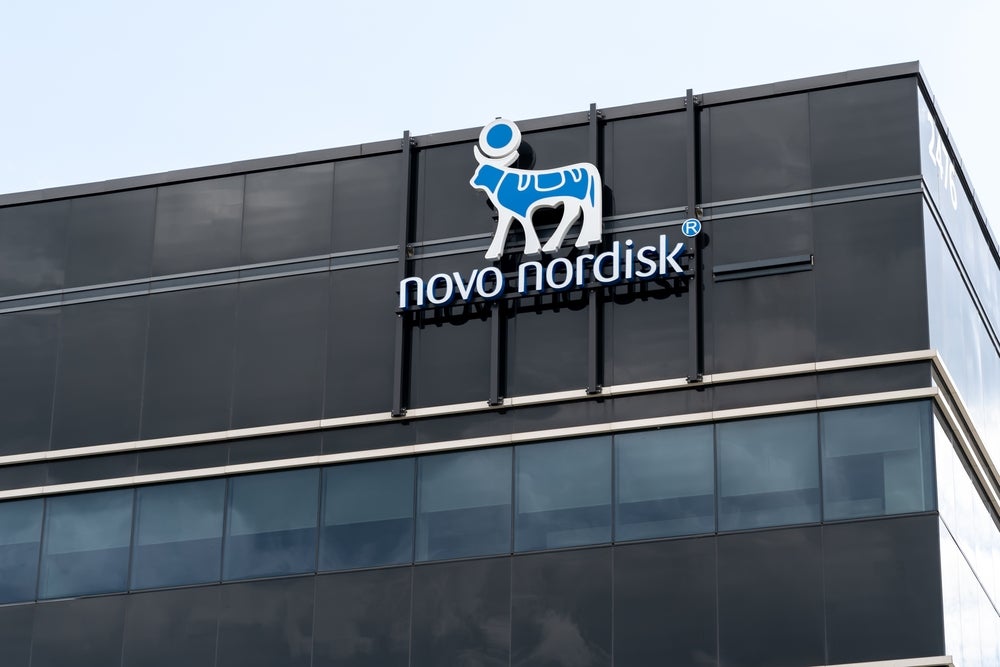
Novo Nordisk Invests €432 Million to Expand Wegovy Production


- Investment Expansion: Novo Nordisk announced a €432 million ($506 million) investment in Ireland to expand production capacity for the Wegovy pill, aiming to meet future global demand, particularly outside the U.S. market.
- Competitive Pressure: This investment follows Novo losing market share to Eli Lilly, with analysts noting that despite competitive pressures, this move demonstrates the company's commitment to the oral medication market, potentially helping to restore market confidence.
- Supply Assurance: Novo has stated that it has resolved supply issues for Wegovy and has enough product to meet U.S. demand; however, challenges remain in meeting global demand, especially as it seeks to launch in other countries.
- Future Outlook: The construction projects in Ireland are set to be completed gradually between 2027 and 2028, expected to include technological upgrades of existing facilities, further enhancing Novo's competitiveness in the obesity drug market, particularly in its strategic focus on oral medications.

AIM Immunotech Inc. Enters Agreement with Thermo Fisher for Phase 3 Trial of Ampligen


Agreement Announcement: AIM Immunotech has signed an agreement with the Thermo Fisher Scientific for the Phase 3 trial of its drug Ampligen.
Trial Focus: The Phase 3 trial will focus on evaluating the efficacy and safety of Ampligen in treating specific medical conditions.

Novartis Reaches Settlement with Henrietta Lacks' Family Over HeLa Cells

- Settlement Reached: Novartis has reached a confidential settlement with the family of Henrietta Lacks, marking a resolution to the controversy surrounding the use of her cells without consent for medical research, with both parties expressing satisfaction despite undisclosed financial terms, indicating a recognition of historical injustices.
- Legal Context: The Lacks family filed the lawsuit nearly 70 years after her death, arguing that companies profited from cells obtained without permission, reflecting the complexities of ethics and legality in the biotech industry, particularly regarding patient consent.
- Scientific Contributions: Lacks' HeLa cells are renowned for their ability to multiply indefinitely in laboratory conditions, advancing global vaccine and disease research, with the World Health Organization crediting them for significant breakthroughs in polio, HIV, and cancer research, highlighting the tension between scientific advancement and ethical considerations.
- Ongoing Legal Actions: In 2023, the Lacks family settled with Thermo Fisher Scientific, yet lawsuits against other pharmaceutical companies remain active, demonstrating the family's strong resolve in pursuing justice and compensation for the unauthorized use of Henrietta Lacks' cells.

Thermo Fisher Announces 10% Increase in Quarterly Dividend
- Dividend Increase: Thermo Fisher Scientific has declared a quarterly dividend increase from $0.43 to $0.47 per share, representing a 10% rise that not only enhances shareholder returns but also reflects the company's robust cash flow and profitability.
- Yield Information: The forward yield of this dividend stands at 0.37%, indicating the company's stability and attractiveness in the current market environment, which may draw more long-term investors' interest.
- Payment Arrangement: The dividend is payable on April 15, with a record date of March 13 and an ex-dividend date also on March 13, ensuring shareholders receive their returns promptly and bolstering investor confidence.
- Future Outlook: Thermo Fisher anticipates revenue guidance of up to $47.2 billion for 2026, with projected EPS growth of 6% to 8%, while advancing AI initiatives and strategic acquisitions, showcasing the company's proactive strategic positioning for future growth.

Opportunities in Healthcare Stocks Amid Market Volatility
- Market Seasonality Insight: Historical data over the past decade shows that the S&P 500 typically experiences weakness in February, which explains the current market volatility while indicating the rotation of capital across sectors.
- Capital Flow Trends: Institutional money is actively moving out of high-beta tech and consumer discretionary sectors, seeking refuge in more defensive areas such as consumer staples, utilities, and healthcare, reflecting a preference for stable investments in uncertain times.
- Healthcare Sector Performance: The healthcare sector, represented by the State Street Health Care Select Sector SPDR ETF (XLV), is firmly entering the leading quadrant, indicating that selective bullish setups are available even amidst broader market turbulence.
- Illumina Trade Strategy: For Illumina Inc. (ILMN), a bull call spread between $120 and $125 allows investors to enter at a cost of $250 per contract, targeting a potential profit of $250, showcasing flexibility and risk management in the current market environment.

War Causes Sharp Decline in Birth Rates in Ukraine and Russia
- Ukraine's Fertility Rate Plummets: Since Russia's full-scale invasion in February 2022, Ukraine's fertility rate has dropped from 1.22 in 2021 to 1.00 by 2025, with some experts warning it could fall to 0.8-0.9, indicating significant impacts on family expansion and potential future labor shortages.
- Russia's Declining Birth Rate: Russia's fertility rate has also decreased from 1.51 in 2021 to 1.37 in 2025, and despite the Kremlin's initiatives to encourage larger families, the lack of effective results reflects a broader societal insecurity affecting women's decisions to have children.
- Long-term Demographic Consequences of War: The four-year conflict has deterred women in both Ukraine and Russia from having children, leading to greater economic and social pressures in the future, particularly as an aging population increases and the labor market faces significant challenges.
- Resistance to Putin's Birth Policies: Despite various incentives introduced by the Russian government, including cash rewards and tax breaks, the low birth rates persist due to women's feelings of insecurity, raising questions about the effectiveness of these policies in addressing demographic concerns.
Novo Nordisk Invests €432 Million to Expand Wegovy Production
- Investment Expansion: Novo Nordisk announced a €432 million ($506 million) investment in Ireland to expand production capacity for the Wegovy pill, aiming to meet future global demand, particularly outside the U.S. market.
- Competitive Pressure: This investment follows Novo losing market share to Eli Lilly, with analysts noting that despite competitive pressures, this move demonstrates the company's commitment to the oral medication market, potentially helping to restore market confidence.
- Supply Assurance: Novo has stated that it has resolved supply issues for Wegovy and has enough product to meet U.S. demand; however, challenges remain in meeting global demand, especially as it seeks to launch in other countries.
- Future Outlook: The construction projects in Ireland are set to be completed gradually between 2027 and 2028, expected to include technological upgrades of existing facilities, further enhancing Novo's competitiveness in the obesity drug market, particularly in its strategic focus on oral medications.
AIM Immunotech Inc. Enters Agreement with Thermo Fisher for Phase 3 Trial of Ampligen
Agreement Announcement: AIM Immunotech has signed an agreement with the Thermo Fisher Scientific for the Phase 3 trial of its drug Ampligen.
Trial Focus: The Phase 3 trial will focus on evaluating the efficacy and safety of Ampligen in treating specific medical conditions.
Novartis Reaches Settlement with Henrietta Lacks' Family Over HeLa Cells
- Settlement Reached: Novartis has reached a confidential settlement with the family of Henrietta Lacks, marking a resolution to the controversy surrounding the use of her cells without consent for medical research, with both parties expressing satisfaction despite undisclosed financial terms, indicating a recognition of historical injustices.
- Legal Context: The Lacks family filed the lawsuit nearly 70 years after her death, arguing that companies profited from cells obtained without permission, reflecting the complexities of ethics and legality in the biotech industry, particularly regarding patient consent.
- Scientific Contributions: Lacks' HeLa cells are renowned for their ability to multiply indefinitely in laboratory conditions, advancing global vaccine and disease research, with the World Health Organization crediting them for significant breakthroughs in polio, HIV, and cancer research, highlighting the tension between scientific advancement and ethical considerations.
- Ongoing Legal Actions: In 2023, the Lacks family settled with Thermo Fisher Scientific, yet lawsuits against other pharmaceutical companies remain active, demonstrating the family's strong resolve in pursuing justice and compensation for the unauthorized use of Henrietta Lacks' cells.
Thermo Fisher Announces 10% Increase in Quarterly Dividend
- Dividend Increase: Thermo Fisher Scientific has declared a quarterly dividend increase from $0.43 to $0.47 per share, representing a 10% rise that not only enhances shareholder returns but also reflects the company's robust cash flow and profitability.
- Yield Information: The forward yield of this dividend stands at 0.37%, indicating the company's stability and attractiveness in the current market environment, which may draw more long-term investors' interest.
- Payment Arrangement: The dividend is payable on April 15, with a record date of March 13 and an ex-dividend date also on March 13, ensuring shareholders receive their returns promptly and bolstering investor confidence.
- Future Outlook: Thermo Fisher anticipates revenue guidance of up to $47.2 billion for 2026, with projected EPS growth of 6% to 8%, while advancing AI initiatives and strategic acquisitions, showcasing the company's proactive strategic positioning for future growth.
Opportunities in Healthcare Stocks Amid Market Volatility
- Market Seasonality Insight: Historical data over the past decade shows that the S&P 500 typically experiences weakness in February, which explains the current market volatility while indicating the rotation of capital across sectors.
- Capital Flow Trends: Institutional money is actively moving out of high-beta tech and consumer discretionary sectors, seeking refuge in more defensive areas such as consumer staples, utilities, and healthcare, reflecting a preference for stable investments in uncertain times.
- Healthcare Sector Performance: The healthcare sector, represented by the State Street Health Care Select Sector SPDR ETF (XLV), is firmly entering the leading quadrant, indicating that selective bullish setups are available even amidst broader market turbulence.
- Illumina Trade Strategy: For Illumina Inc. (ILMN), a bull call spread between $120 and $125 allows investors to enter at a cost of $250 per contract, targeting a potential profit of $250, showcasing flexibility and risk management in the current market environment.
War Causes Sharp Decline in Birth Rates in Ukraine and Russia
- Ukraine's Fertility Rate Plummets: Since Russia's full-scale invasion in February 2022, Ukraine's fertility rate has dropped from 1.22 in 2021 to 1.00 by 2025, with some experts warning it could fall to 0.8-0.9, indicating significant impacts on family expansion and potential future labor shortages.
- Russia's Declining Birth Rate: Russia's fertility rate has also decreased from 1.51 in 2021 to 1.37 in 2025, and despite the Kremlin's initiatives to encourage larger families, the lack of effective results reflects a broader societal insecurity affecting women's decisions to have children.
- Long-term Demographic Consequences of War: The four-year conflict has deterred women in both Ukraine and Russia from having children, leading to greater economic and social pressures in the future, particularly as an aging population increases and the labor market faces significant challenges.
- Resistance to Putin's Birth Policies: Despite various incentives introduced by the Russian government, including cash rewards and tax breaks, the low birth rates persist due to women's feelings of insecurity, raising questions about the effectiveness of these policies in addressing demographic concerns.