This Stock May Benefit from a Resurgent Venezuelan Oil Sector
State Control and Investor Concerns: State control of oil companies generally leads to negative outcomes for investors, as seen with Saudi Aramco and Brazil's Petrobras.
Performance Comparison: Shares of state-controlled oil companies have consistently underperformed compared to their privately-owned counterparts.
Government Influence: The more a publicly traded oil company resembles a government entity, the greater the concern for investors regarding its performance.
Long-term Trends: The trend of underperformance in state-controlled oil companies has persisted over several years, raising alarms for potential investors.
Trade with 70% Backtested Accuracy
Analyst Views on PR

About PR
About the author


Permian Resources Reports Record Q4 2025 Earnings and Growth Outlook

- Record Oil and Gas Production: Permian Resources achieved an impressive oil production of 188,600 barrels per day and total production of 401,500 BOE per day in Q4 2025, showcasing the company's strong performance in the oil and gas market, which is expected to drive future revenue growth.
- Free Cash Flow Growth: The company reported an 18% year-over-year increase in free cash flow per share to $1.94, alongside a debt reduction of over $600 million, indicating effective financial management and sustainability, which enhances investor confidence.
- Dividend Increase Plan: Permian Resources is raising its quarterly base dividend to $0.16 per share for 2026, a 7% increase, reflecting a 40% CAGR in quarterly dividends since 2022, demonstrating a commitment to shareholder returns.
- Active Acquisition Activity: In Q4, the company closed approximately 140 transactions totaling $240 million, with total acquisitions for the year reaching $1.1 billion, adding about 250 locations and 13,000 BOE per day, further solidifying its market position.
Permian Resources (PR) Q4 2025 Earnings Transcript
Permian Resources Declares Quarterly Dividend Increase
- Dividend Increase: Permian Resources has declared a quarterly dividend of $0.16 per share, marking a 6.7% increase from the previous $0.15, reflecting the company's robust cash flow management and enhancing investor confidence.
- Yield Performance: The forward yield of 3.63% is attractive in the current market environment, potentially drawing in more income-seeking investors and further improving the company's stock performance.
- Payment Schedule: The dividend will be payable on March 31, with a record date of March 17 and an ex-dividend date also on March 17, ensuring shareholders receive timely returns and strengthening trust between the company and its investors.
- Market Reaction: With the dividend increase, shareholders of Permian Resources may adopt an optimistic outlook on the company's future growth prospects, especially against the backdrop of a recovering oil and gas industry, which could drive the stock price higher.
Permian Resources (PR) to Report Q4 and FY 2025 Results on February 25, 2026
- Earnings Release Schedule: Permian Resources will report its fourth quarter and full year 2025 financial and operating results after market close on February 25, 2026, providing crucial performance data for investors to assess the company's standing.
- Conference Call Timing: Management will host an earnings conference call on February 26, 2026, at 9:00 a.m. Central (10:00 a.m. Eastern), with investors invited to participate by dialing (800) 549-8228 at least 15 minutes prior to the start.
- Replay Availability: A replay of the call will be accessible on the company's website or by phone at (888) 660-6264 for 14 days following the call, allowing investors who missed the live event to catch up on the information.
- Company Background: Headquartered in Midland, Texas, Permian Resources is an independent oil and natural gas company focused on achieving peer-leading returns through the acquisition and development of high-return oil and gas properties, holding approximately 475,000 net acres and ranking as the second largest pure-play E&P in the Permian Basin.
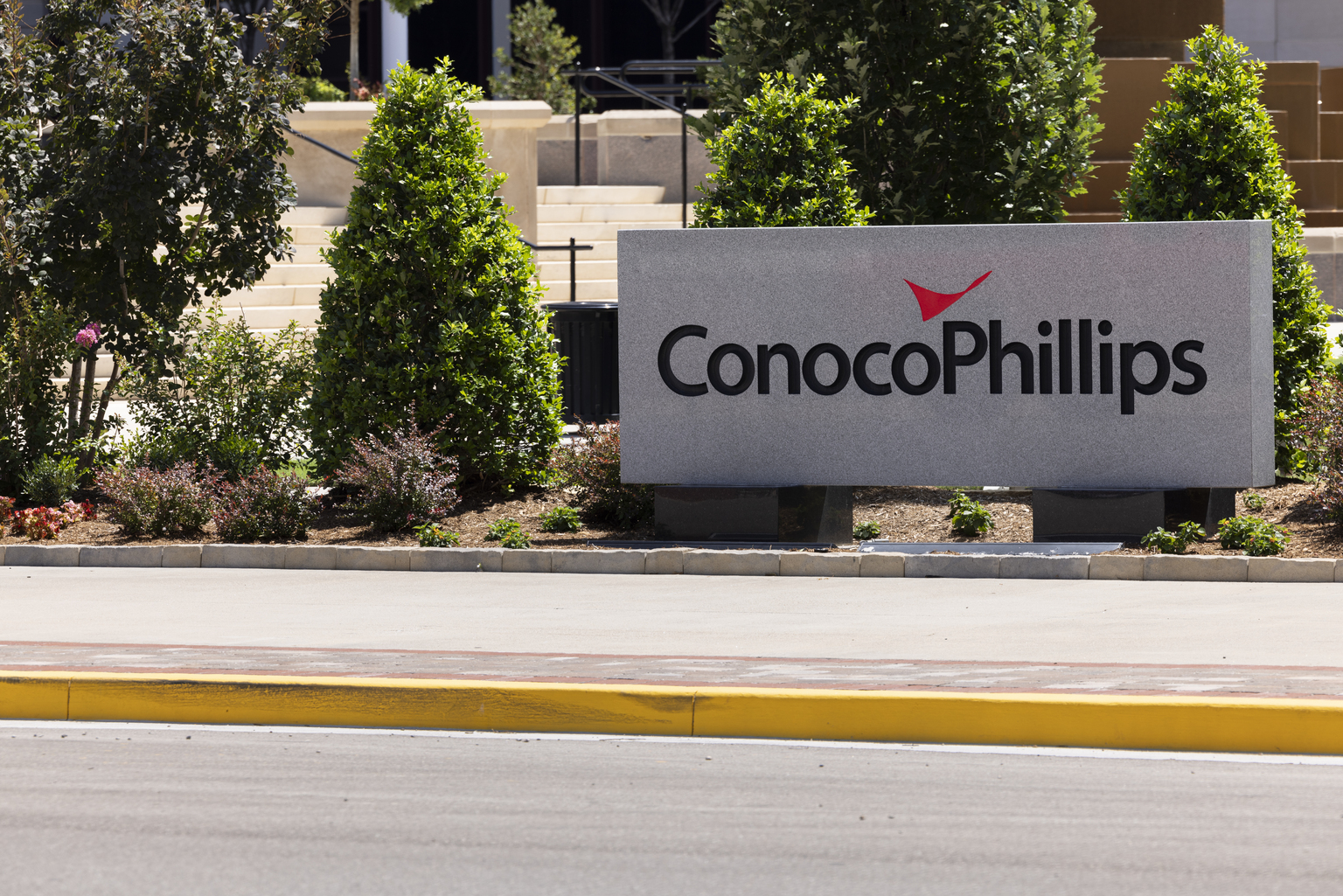
Bank of America Downgrades ConocoPhillips (COP) to Underperform with $102 Price Target


- Rating Downgrade: Bank of America downgraded ConocoPhillips (COP) from Neutral to Underperform with a price target of $102, citing its $53/bbl oil breakeven point as uncompetitive within the E&P sector.
- Cash Flow Forecast: BofA forecasts ConocoPhillips will generate $16.6 billion in operating cash flow and $5 billion in free cash flow, indicating the company cannot sustain its current capital return pace of approximately 45% of operating cash flow, which may impact shareholder returns.
- Shareholder Return Limitations: If returns are confined to cash flow generation, total shareholder returns would be around $5 billion, or approximately 30%, at the low end of management's target range, potentially leaving insufficient funds for buybacks to meet investor expectations.
- Competitor Performance: BofA named Ovintiv (OVV) as its top oil pick for 2026, supported by a disciplined capital allocation strategy in high-return core assets, which is expected to significantly enhance buyback capacity and establish a 100% cash-return framework.
This Stock May Benefit from a Resurgent Venezuelan Oil Sector

State Control and Investor Concerns: State control of oil companies generally leads to negative outcomes for investors, as seen with Saudi Aramco and Brazil's Petrobras.
Performance Comparison: Shares of state-controlled oil companies have consistently underperformed compared to their privately-owned counterparts.
Government Influence: The more a publicly traded oil company resembles a government entity, the greater the concern for investors regarding its performance.
Long-term Trends: The trend of underperformance in state-controlled oil companies has persisted over several years, raising alarms for potential investors.
Permian Resources Reports Record Q4 2025 Earnings and Growth Outlook
- Record Oil and Gas Production: Permian Resources achieved an impressive oil production of 188,600 barrels per day and total production of 401,500 BOE per day in Q4 2025, showcasing the company's strong performance in the oil and gas market, which is expected to drive future revenue growth.
- Free Cash Flow Growth: The company reported an 18% year-over-year increase in free cash flow per share to $1.94, alongside a debt reduction of over $600 million, indicating effective financial management and sustainability, which enhances investor confidence.
- Dividend Increase Plan: Permian Resources is raising its quarterly base dividend to $0.16 per share for 2026, a 7% increase, reflecting a 40% CAGR in quarterly dividends since 2022, demonstrating a commitment to shareholder returns.
- Active Acquisition Activity: In Q4, the company closed approximately 140 transactions totaling $240 million, with total acquisitions for the year reaching $1.1 billion, adding about 250 locations and 13,000 BOE per day, further solidifying its market position.
Permian Resources (PR) Q4 2025 Earnings Transcript
Permian Resources Declares Quarterly Dividend Increase
- Dividend Increase: Permian Resources has declared a quarterly dividend of $0.16 per share, marking a 6.7% increase from the previous $0.15, reflecting the company's robust cash flow management and enhancing investor confidence.
- Yield Performance: The forward yield of 3.63% is attractive in the current market environment, potentially drawing in more income-seeking investors and further improving the company's stock performance.
- Payment Schedule: The dividend will be payable on March 31, with a record date of March 17 and an ex-dividend date also on March 17, ensuring shareholders receive timely returns and strengthening trust between the company and its investors.
- Market Reaction: With the dividend increase, shareholders of Permian Resources may adopt an optimistic outlook on the company's future growth prospects, especially against the backdrop of a recovering oil and gas industry, which could drive the stock price higher.
Permian Resources (PR) to Report Q4 and FY 2025 Results on February 25, 2026
- Earnings Release Schedule: Permian Resources will report its fourth quarter and full year 2025 financial and operating results after market close on February 25, 2026, providing crucial performance data for investors to assess the company's standing.
- Conference Call Timing: Management will host an earnings conference call on February 26, 2026, at 9:00 a.m. Central (10:00 a.m. Eastern), with investors invited to participate by dialing (800) 549-8228 at least 15 minutes prior to the start.
- Replay Availability: A replay of the call will be accessible on the company's website or by phone at (888) 660-6264 for 14 days following the call, allowing investors who missed the live event to catch up on the information.
- Company Background: Headquartered in Midland, Texas, Permian Resources is an independent oil and natural gas company focused on achieving peer-leading returns through the acquisition and development of high-return oil and gas properties, holding approximately 475,000 net acres and ranking as the second largest pure-play E&P in the Permian Basin.
Bank of America Downgrades ConocoPhillips (COP) to Underperform with $102 Price Target
- Rating Downgrade: Bank of America downgraded ConocoPhillips (COP) from Neutral to Underperform with a price target of $102, citing its $53/bbl oil breakeven point as uncompetitive within the E&P sector.
- Cash Flow Forecast: BofA forecasts ConocoPhillips will generate $16.6 billion in operating cash flow and $5 billion in free cash flow, indicating the company cannot sustain its current capital return pace of approximately 45% of operating cash flow, which may impact shareholder returns.
- Shareholder Return Limitations: If returns are confined to cash flow generation, total shareholder returns would be around $5 billion, or approximately 30%, at the low end of management's target range, potentially leaving insufficient funds for buybacks to meet investor expectations.
- Competitor Performance: BofA named Ovintiv (OVV) as its top oil pick for 2026, supported by a disciplined capital allocation strategy in high-return core assets, which is expected to significantly enhance buyback capacity and establish a 100% cash-return framework.
This Stock May Benefit from a Resurgent Venezuelan Oil Sector
State Control and Investor Concerns: State control of oil companies generally leads to negative outcomes for investors, as seen with Saudi Aramco and Brazil's Petrobras.
Performance Comparison: Shares of state-controlled oil companies have consistently underperformed compared to their privately-owned counterparts.
Government Influence: The more a publicly traded oil company resembles a government entity, the greater the concern for investors regarding its performance.
Long-term Trends: The trend of underperformance in state-controlled oil companies has persisted over several years, raising alarms for potential investors.