

This Airline ETF is Surging: A Guide to Trading It with Charts


Current Performance of the Airline Sector: The US Global Jets ETF (JETS) is gaining attention as the airline sector shows strong performance, with major airlines like Southwest, Delta, and United reaching new highs, indicating a potential turnaround for investors.
Investment Strategy: The JETS ETF offers a way to invest in the airline sector without the risks associated with individual stocks, making it an attractive option for those looking to diversify their portfolios.
Market Analysis and Projections: A breakout above the $27 resistance level is seen as critical, with potential upside targets of $33 and possibly low $40s in the long term, supported by a favorable long-term chart setup.
Risk Management: Investors are advised to set stop-loss orders near the rising 50-day moving average to manage downside risk, as this level has historically provided support during upward trends.
Trade with 70% Backtested Accuracy
Analyst Views on LUV

About LUV
About the author


Global Stock Markets Plunge as Oil Prices Surge Amid Iran Conflict


- Stock Market Decline: The S&P 500 index fell by 2.18%, reaching a 3.25-month low, indicating market concerns over the Iran conflict that may lead to decreased investor confidence and increased volatility.
- Surge in Oil Prices: WTI crude oil prices rose over 8% to an 8.5-month high due to Iran's threats to close the Strait of Hormuz, potentially causing long-term disruptions in global energy markets and raising inflation expectations.
- Rising Bond Yields: The 10-year German bund yield climbed to a 2.5-week high of 2.814%, reflecting market worries about future inflation, which may prompt investors to shift towards bonds for safety.
- Economic Data Focus: This week, the market will focus on U.S. employment data and economic indicators, with the ADP employment change expected to rise by 40,000 and the ISM services index anticipated to slip slightly, indicating potential economic slowdown.

Global Stock Markets Plunge as Oil Prices Surge Amid Iran Conflict
- Market Decline: The S&P 500 index fell by 1.82%, the Dow Jones Industrial Average dropped by 2.07%, and the Nasdaq 100 decreased by 1.78%, marking a 2.5-month low for the S&P 500, indicating growing concerns about the global economic outlook.
- Surging Oil Prices: WTI crude oil prices surged over 7% to an 8.5-month high due to escalating conflict in Iran, raising fears of energy supply disruptions and increasing inflation expectations, which negatively impact stock market performance.
- Rising Bond Yields: The 10-year German bund yield reached a 2.5-week high of 2.814%, while the 10-year UK gilt yield climbed to a 3-week high of 4.536%, reflecting market concerns over future inflation, further pressuring stock prices.
- Earnings Outlook: Despite market volatility, 73% of S&P 500 companies exceeded earnings expectations, with Q4 earnings growth projected at 8.4%, indicating strong corporate fundamentals, yet market sentiment remains subdued.
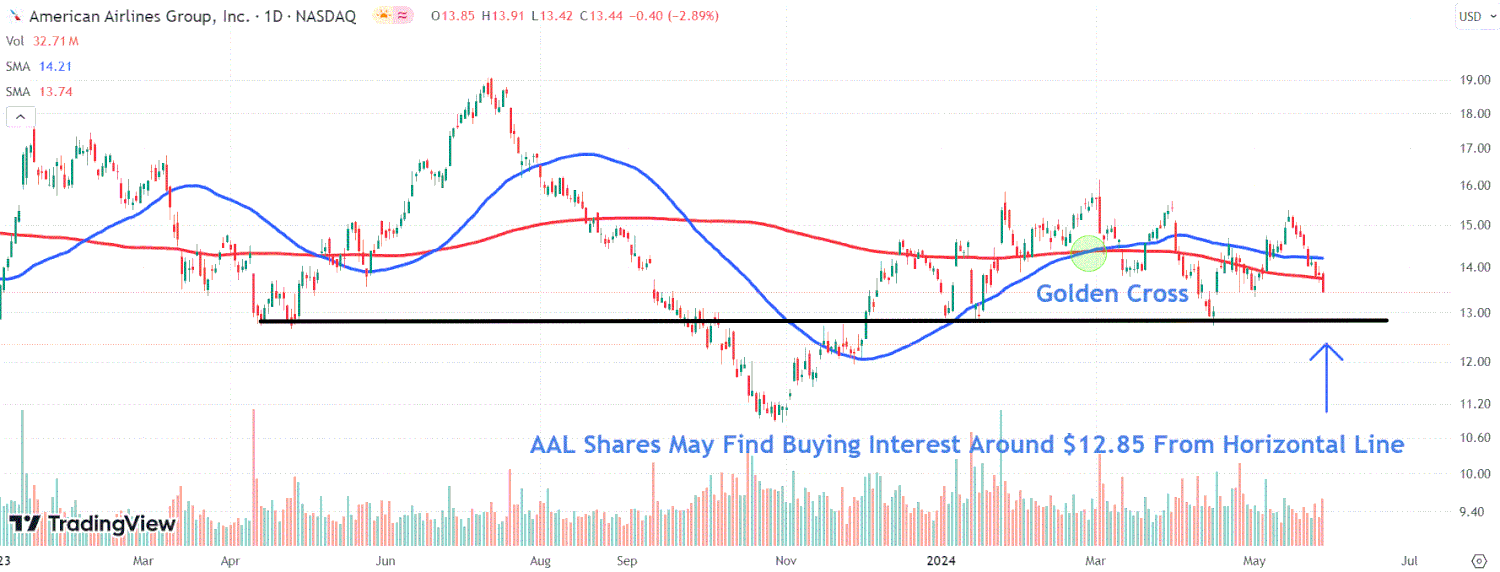
U.S. Airlines' Stock Prices Drop Amid Rising Fuel Costs from Escalating US-Iran Tensions


U.S. Airlines' Share Price Decline: U.S. airline stocks have experienced a significant drop due to escalating tensions from the U.S.-Iran conflict.
Impact on Fuel Prices: The conflict has led to a spike in fuel prices, further affecting the airline industry's financial stability.

Mixed Close for US Stocks Amid Iran War Impact

- Mixed Market Performance: On Monday, the S&P 500 closed up 0.04%, while the Dow Jones Industrial Average fell 0.15%, and the Nasdaq 100 rose 0.13%, reflecting a divergence in market sentiment influenced by the ongoing war in Iran, with increased demand for defense and energy stocks.
- Surge in Oil Prices: WTI crude oil prices soared over 6% to an 8.25-month high following Iran's attack on oil tankers, which is expected to elevate inflation expectations and impact the overall economic environment and investor confidence.
- Strong Manufacturing Index: The US February ISM manufacturing index unexpectedly rose to 52.4, surpassing the market expectation of 51.5, indicating economic resilience that could influence the Federal Reserve's monetary policy direction, leading to shifts in future rate hike expectations.
- Optimistic Earnings Outlook: More than 90% of S&P 500 companies have reported earnings, with 73% exceeding expectations, and Q4 earnings growth is projected at 8.4%, providing market support despite geopolitical risks.

Middle East Conflict Drives Oil Prices Up, Impacting Airlines

- Flight Cancellations Surge: The escalation of the Middle East conflict has led to over 1,560 flight cancellations on Monday alone, with total cancellations exceeding 4,000 since Saturday, causing major international hubs like Dubai and Abu Dhabi to shut down, thereby increasing operational pressures on airlines.
- Oil Prices Spike: U.S. West Texas Intermediate (WTI) crude futures rose 5.3% to $70.60 per barrel, while Brent crude futures increased 5.6% to $77.20 per barrel, raising jet fuel costs and potentially further squeezing airline margins amid rising operational expenses.
- American Airlines Expansion Plans: American Airlines announced a $1 billion investment to expand Concourse D at Miami International Airport, with construction set to begin in 2027 and the expanded concourse expected to open around 2030, aimed at enhancing customer experience and accommodating future growth demands.
- Venezuela Flight Application: American Airlines' regional unit Envoy Air has filed an application with the U.S. Department of Transportation for scheduled flights from Miami to Venezuela, marking a potential resumption of services following the lifting of a 2019 ban, thereby expanding market opportunities.

Iran War Drives Market Volatility and Sector Performance
- Market Reaction: Stocks initially retreated following the US and Israel's joint military actions against Iran, but rebounded after the February ISM manufacturing index exceeded expectations, indicating investor focus on economic data.
- Surge in Energy Prices: The halt of tanker traffic through the Strait of Hormuz due to Iran's attacks on three oil tankers led to WTI crude oil prices soaring over 65% to an 8.25-month high, potentially exacerbating global inflationary pressures.
- Defense Stocks Rise: The ongoing conflict in Iran has bolstered earnings prospects for defense companies, with Aerovironment's stock rising over 12%, while Northrop Grumman and RTX Corp also saw increases of over 4%, reflecting market optimism about defense spending.
- Economic Data Focus: Investors are keenly awaiting upcoming economic data releases, including ADP employment changes and the ISM services index, which are expected to influence future monetary policy directions amid rising inflation concerns.
Global Stock Markets Plunge as Oil Prices Surge Amid Iran Conflict
- Stock Market Decline: The S&P 500 index fell by 2.18%, reaching a 3.25-month low, indicating market concerns over the Iran conflict that may lead to decreased investor confidence and increased volatility.
- Surge in Oil Prices: WTI crude oil prices rose over 8% to an 8.5-month high due to Iran's threats to close the Strait of Hormuz, potentially causing long-term disruptions in global energy markets and raising inflation expectations.
- Rising Bond Yields: The 10-year German bund yield climbed to a 2.5-week high of 2.814%, reflecting market worries about future inflation, which may prompt investors to shift towards bonds for safety.
- Economic Data Focus: This week, the market will focus on U.S. employment data and economic indicators, with the ADP employment change expected to rise by 40,000 and the ISM services index anticipated to slip slightly, indicating potential economic slowdown.
Global Stock Markets Plunge as Oil Prices Surge Amid Iran Conflict
- Market Decline: The S&P 500 index fell by 1.82%, the Dow Jones Industrial Average dropped by 2.07%, and the Nasdaq 100 decreased by 1.78%, marking a 2.5-month low for the S&P 500, indicating growing concerns about the global economic outlook.
- Surging Oil Prices: WTI crude oil prices surged over 7% to an 8.5-month high due to escalating conflict in Iran, raising fears of energy supply disruptions and increasing inflation expectations, which negatively impact stock market performance.
- Rising Bond Yields: The 10-year German bund yield reached a 2.5-week high of 2.814%, while the 10-year UK gilt yield climbed to a 3-week high of 4.536%, reflecting market concerns over future inflation, further pressuring stock prices.
- Earnings Outlook: Despite market volatility, 73% of S&P 500 companies exceeded earnings expectations, with Q4 earnings growth projected at 8.4%, indicating strong corporate fundamentals, yet market sentiment remains subdued.
U.S. Airlines' Stock Prices Drop Amid Rising Fuel Costs from Escalating US-Iran Tensions
U.S. Airlines' Share Price Decline: U.S. airline stocks have experienced a significant drop due to escalating tensions from the U.S.-Iran conflict.
Impact on Fuel Prices: The conflict has led to a spike in fuel prices, further affecting the airline industry's financial stability.
Mixed Close for US Stocks Amid Iran War Impact
- Mixed Market Performance: On Monday, the S&P 500 closed up 0.04%, while the Dow Jones Industrial Average fell 0.15%, and the Nasdaq 100 rose 0.13%, reflecting a divergence in market sentiment influenced by the ongoing war in Iran, with increased demand for defense and energy stocks.
- Surge in Oil Prices: WTI crude oil prices soared over 6% to an 8.25-month high following Iran's attack on oil tankers, which is expected to elevate inflation expectations and impact the overall economic environment and investor confidence.
- Strong Manufacturing Index: The US February ISM manufacturing index unexpectedly rose to 52.4, surpassing the market expectation of 51.5, indicating economic resilience that could influence the Federal Reserve's monetary policy direction, leading to shifts in future rate hike expectations.
- Optimistic Earnings Outlook: More than 90% of S&P 500 companies have reported earnings, with 73% exceeding expectations, and Q4 earnings growth is projected at 8.4%, providing market support despite geopolitical risks.
Middle East Conflict Drives Oil Prices Up, Impacting Airlines
- Flight Cancellations Surge: The escalation of the Middle East conflict has led to over 1,560 flight cancellations on Monday alone, with total cancellations exceeding 4,000 since Saturday, causing major international hubs like Dubai and Abu Dhabi to shut down, thereby increasing operational pressures on airlines.
- Oil Prices Spike: U.S. West Texas Intermediate (WTI) crude futures rose 5.3% to $70.60 per barrel, while Brent crude futures increased 5.6% to $77.20 per barrel, raising jet fuel costs and potentially further squeezing airline margins amid rising operational expenses.
- American Airlines Expansion Plans: American Airlines announced a $1 billion investment to expand Concourse D at Miami International Airport, with construction set to begin in 2027 and the expanded concourse expected to open around 2030, aimed at enhancing customer experience and accommodating future growth demands.
- Venezuela Flight Application: American Airlines' regional unit Envoy Air has filed an application with the U.S. Department of Transportation for scheduled flights from Miami to Venezuela, marking a potential resumption of services following the lifting of a 2019 ban, thereby expanding market opportunities.
Iran War Drives Market Volatility and Sector Performance
- Market Reaction: Stocks initially retreated following the US and Israel's joint military actions against Iran, but rebounded after the February ISM manufacturing index exceeded expectations, indicating investor focus on economic data.
- Surge in Energy Prices: The halt of tanker traffic through the Strait of Hormuz due to Iran's attacks on three oil tankers led to WTI crude oil prices soaring over 65% to an 8.25-month high, potentially exacerbating global inflationary pressures.
- Defense Stocks Rise: The ongoing conflict in Iran has bolstered earnings prospects for defense companies, with Aerovironment's stock rising over 12%, while Northrop Grumman and RTX Corp also saw increases of over 4%, reflecting market optimism about defense spending.
- Economic Data Focus: Investors are keenly awaiting upcoming economic data releases, including ADP employment changes and the ISM services index, which are expected to influence future monetary policy directions amid rising inflation concerns.




