The Impending Government Shutdown: Understanding the Economic Implications.
Written by Emily J. Thompson, Senior Investment Analyst
Updated: Sep 29 2025
0mins

Source: Barron's
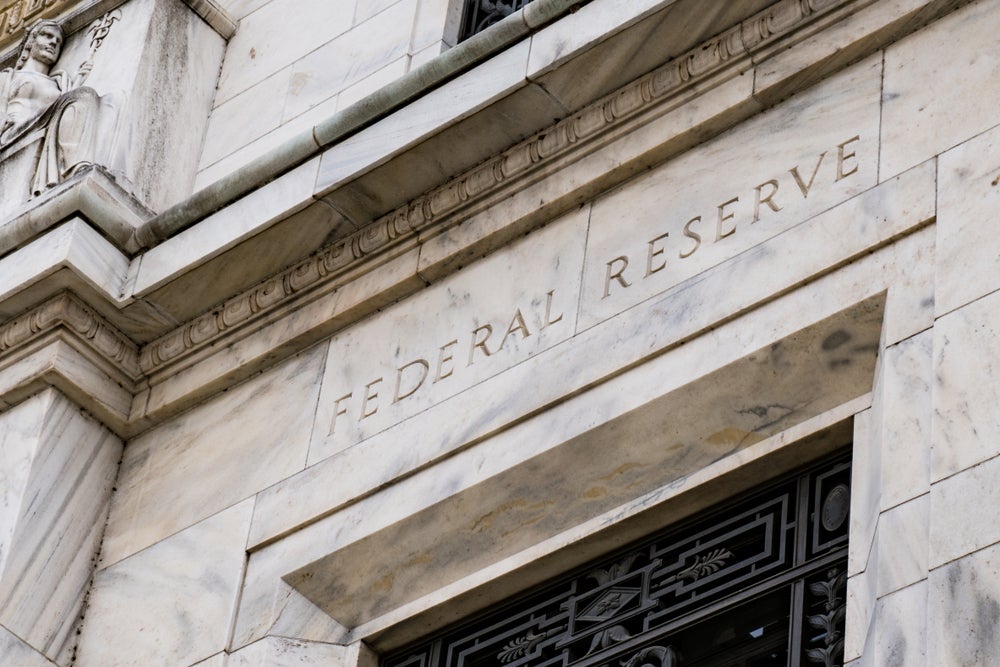
Impact of Government Shutdowns: Government shutdowns typically do not cause significant long-term damage to the U.S. economy.
Potential Effects on Growth and Policy: The current congressional deadlock over spending could still influence economic growth and monetary policy decisions.
Trade with 70% Backtested Accuracy
Stop guessing "Should I Buy GS?" and start using high-conviction signals backed by rigorous historical data.
Sign up today to access powerful investing tools and make smarter, data-driven decisions.
Analyst Views on GS
Wall Street analysts forecast GS stock price to rise
12 Analyst Rating
5 Buy
7 Hold
0 Sell
Moderate Buy
Current: 862.580

Low
604.00
Averages
951.45
High
1100
Current: 862.580
Low
604.00
Averages
951.45
High
1100
About GS
The Goldman Sachs Group, Inc. is a global financial institution that delivers a range of financial services to a large and diversified client base that includes corporations, financial institutions, governments and individuals. Its segments include Global Banking & Markets, Asset & Wealth Management and Platform Solutions. The Global Banking & Markets segment offers a range of services, including financing, advisory services, risk distribution, and hedging for its institutional and corporate clients. It facilitates client transactions and makes markets in fixed income, equity, currency and commodity products. The Asset & Wealth Management segment manages assets and offers investment products across all asset classes to a diverse set of clients. It also provides investing and wealth advisory solutions. The Platform Solutions segment includes consumer platforms, such as partnerships offering credit cards and point-of-sale financing, and transaction banking and other platform businesses.
About the author

Emily J. Thompson
Emily J. Thompson, a Chartered Financial Analyst (CFA) with 12 years in investment research, graduated with honors from the Wharton School. Specializing in industrial and technology stocks, she provides in-depth analysis for Intellectia’s earnings and market brief reports.

Anita Ferrales Coy School Redevelopment Project Launched

- Project Launch: The Anita Ferrales Coy school redevelopment project has officially broken ground, with the first phase comprising 341 units under construction, aimed at providing quality mixed-income housing for cost-burdened residents and AISD employees, thereby addressing Austin's escalating housing affordability crisis.
- Financial Backing: Phase 1 of the project is financially supported by private equity capital from leading real estate investor Clarion Partners and construction loans from Goldman Sachs' Urban Investment Group, ensuring smooth progress and sustainable development of the initiative.
- Housing Policy: The development will allocate 50% of the units as rent and income-restricted, with 10% designated for households earning up to 60% of the Area Median Income (AMI) and 40% for those earning up to 80% AMI, aiming to provide affordable housing options for low-income families.
- Community Impact: The project not only offers priority leasing for AISD teachers and staff but also aims to enhance the overall quality of life in the community by creating a stable housing environment, serving as a blueprint for how school districts can leverage their assets to invest in their teams and uplift neighboring communities.
See More
Asset-Heavy Stocks Outperform Amid AI Risks

- Emergence of HALO Trade: Goldman Sachs noted that investors are shifting towards asset-heavy stocks due to concerns over AI risks, creating a trading strategy dubbed “HALO,” which emphasizes companies with real assets that are less likely to become obsolete due to AI disruptions.
- Increased Market Rotation: As sectors like software have faced sell-offs, asset-heavy businesses have significantly outperformed asset-light ones, with Goldman's asset-heavy stock basket surpassing the asset-light group by 25 percentage points since November, indicating a market preference for physical goods-producing industries.
- Strong Orders for GE Aerospace: GE Aerospace, recently added to Goldman's asset-heavy list, boasts a $190 billion order backlog, suggesting that the company will remain busy regardless of the success of the AI trade, thereby reinforcing its market position.
- Optimistic Outlook for Disney: Analysts reiterated a buy rating on Disney, citing reduced downside risks related to theme park attendance and a robust $60 billion investment over the next decade, which supports its high-quality earnings per share growth and indicates strong industry growth potential.
See More
Comparison of LQD and SCHQ Bond ETFs


- Cost and Yield Comparison: SCHQ's expense ratio stands at 0.03%, significantly lower than LQD's 0.14%, while both maintain similar dividend yields of 4.43% and 4.44%, making SCHQ more appealing for cost-conscious investors, particularly those averse to risk.
- Portfolio Risk Analysis: LQD boasts over 3,071 investment-grade corporate bonds with a maximum drawdown of 24.96%, whereas SCHQ's maximum drawdown reaches 46.13%, highlighting LQD's superior volatility management, making it suitable for investors seeking stable returns.
- Long-Term Performance Assessment: As of March 2026, LQD's five-year growth stands at $1,021 compared to SCHQ's $792, indicating LQD's better long-term investment returns despite facing higher credit risk.
- Interest Rate Sensitivity Consideration: SCHQ has an effective duration of 13.8 years, reflecting its high sensitivity to interest rate changes, which could present opportunities for investors amid the Federal Reserve's easing monetary policy, but may also introduce unwanted volatility for those seeking stable income.
See More

Goldman Sachs: Market Pullbacks May Present Buying Opportunities
- Market Pullback Opportunity: Goldman Sachs strategist Peter Oppenheimer suggests that despite significant uncertainties from geopolitical tensions and AI disruptions, any pullback in equities could be viewed as a buying opportunity for investors, thereby limiting the potential depth of market corrections.
- Valuation Risk Warning: Oppenheimer warns that current market valuations are above their 20-year historical averages; however, he believes the likelihood of a deep and prolonged downturn is relatively low, providing a safer entry point for investors.
- Geopolitical Impact: Goldman highlights that the Iran conflict could threaten oil and gas supplies, which may affect growth and inflation expectations if uncertainty persists, although most geopolitical shocks in recent years have not led to lasting market impacts.
- Market Reaction Observation: Goldman Sachs Chairman David Solomon noted at an event in Australia that the relatively benign reaction of financial markets to the Middle East conflict is surprising, indicating it may take weeks to fully assess the broader implications for the markets.
See More

Analysis of TJX Companies' Stock Potential

- Steady Performance: TJX Companies has seen its stock rise approximately 30% over the past year, demonstrating strong performance in the retail market, particularly in the discount retail sector, which is expected to continue attracting investor interest.
- Competitive Advantage: Despite Ross Stores' better-than-expected quarterly results, TJX's scale and negotiating power provide a clear advantage in inventory acquisition, with the CEO indicating a slowdown in purchasing to manage market supply, reflecting confidence in future growth.
- Valuation Debate: TJX's price-to-earnings ratio stands at about 31 times, significantly higher than the S&P 500's 21 times; however, analysts argue that its consistency and best-in-class status justify this premium valuation, further solidifying investor confidence.
- Buyer Capability: With over 1,400 buyers, TJX can prioritize acquiring excess inventory in the market, and the CEO noted that this capability gives the company a competitive edge in pricing, further driving sales growth and market share expansion.
See More

Comparison Analysis of iShares Bond ETFs
- Cost and Yield Comparison: The iShares iBoxx Investment Grade Corporate Bond ETF (LQD) has a slightly lower expense ratio of 0.14% compared to the iShares 20-Year Treasury Bond ETF (TLT) at 0.15%, while offering a dividend yield of 4.44%, which is marginally higher than TLT's 4.27%, making LQD more attractive for income-focused investors.
- Risk and Return Analysis: Over the past five years, LQD's maximum drawdown was 24.9%, significantly lower than TLT's 48.3%, indicating that LQD has demonstrated greater resilience during market volatility, appealing to investors seeking lower credit risk.
- Portfolio Composition: LQD holds over 3,071 securities, primarily concentrated in well-known issuers like JPMorgan Chase and Bank of America, ensuring diversity and stability in its portfolio, whereas TLT holds only 46 long-dated Treasury bonds, virtually eliminating credit risk.
- Interest Rate Sensitivity Consideration: Although LQD has outperformed TLT in the past five years, TLT's long-duration bond portfolio may perform better if interest rates decline, prompting investors to weigh LQD's higher yield against TLT's interest rate sensitivity to select the investment strategy that best fits their risk tolerance.
See More
Anita Ferrales Coy School Redevelopment Project Launched
- Project Launch: The Anita Ferrales Coy school redevelopment project has officially broken ground, with the first phase comprising 341 units under construction, aimed at providing quality mixed-income housing for cost-burdened residents and AISD employees, thereby addressing Austin's escalating housing affordability crisis.
- Financial Backing: Phase 1 of the project is financially supported by private equity capital from leading real estate investor Clarion Partners and construction loans from Goldman Sachs' Urban Investment Group, ensuring smooth progress and sustainable development of the initiative.
- Housing Policy: The development will allocate 50% of the units as rent and income-restricted, with 10% designated for households earning up to 60% of the Area Median Income (AMI) and 40% for those earning up to 80% AMI, aiming to provide affordable housing options for low-income families.
- Community Impact: The project not only offers priority leasing for AISD teachers and staff but also aims to enhance the overall quality of life in the community by creating a stable housing environment, serving as a blueprint for how school districts can leverage their assets to invest in their teams and uplift neighboring communities.
See More
Asset-Heavy Stocks Outperform Amid AI Risks
- Emergence of HALO Trade: Goldman Sachs noted that investors are shifting towards asset-heavy stocks due to concerns over AI risks, creating a trading strategy dubbed “HALO,” which emphasizes companies with real assets that are less likely to become obsolete due to AI disruptions.
- Increased Market Rotation: As sectors like software have faced sell-offs, asset-heavy businesses have significantly outperformed asset-light ones, with Goldman's asset-heavy stock basket surpassing the asset-light group by 25 percentage points since November, indicating a market preference for physical goods-producing industries.
- Strong Orders for GE Aerospace: GE Aerospace, recently added to Goldman's asset-heavy list, boasts a $190 billion order backlog, suggesting that the company will remain busy regardless of the success of the AI trade, thereby reinforcing its market position.
- Optimistic Outlook for Disney: Analysts reiterated a buy rating on Disney, citing reduced downside risks related to theme park attendance and a robust $60 billion investment over the next decade, which supports its high-quality earnings per share growth and indicates strong industry growth potential.
See More
Comparison of LQD and SCHQ Bond ETFs
- Cost and Yield Comparison: SCHQ's expense ratio stands at 0.03%, significantly lower than LQD's 0.14%, while both maintain similar dividend yields of 4.43% and 4.44%, making SCHQ more appealing for cost-conscious investors, particularly those averse to risk.
- Portfolio Risk Analysis: LQD boasts over 3,071 investment-grade corporate bonds with a maximum drawdown of 24.96%, whereas SCHQ's maximum drawdown reaches 46.13%, highlighting LQD's superior volatility management, making it suitable for investors seeking stable returns.
- Long-Term Performance Assessment: As of March 2026, LQD's five-year growth stands at $1,021 compared to SCHQ's $792, indicating LQD's better long-term investment returns despite facing higher credit risk.
- Interest Rate Sensitivity Consideration: SCHQ has an effective duration of 13.8 years, reflecting its high sensitivity to interest rate changes, which could present opportunities for investors amid the Federal Reserve's easing monetary policy, but may also introduce unwanted volatility for those seeking stable income.
See More
Goldman Sachs: Market Pullbacks May Present Buying Opportunities
- Market Pullback Opportunity: Goldman Sachs strategist Peter Oppenheimer suggests that despite significant uncertainties from geopolitical tensions and AI disruptions, any pullback in equities could be viewed as a buying opportunity for investors, thereby limiting the potential depth of market corrections.
- Valuation Risk Warning: Oppenheimer warns that current market valuations are above their 20-year historical averages; however, he believes the likelihood of a deep and prolonged downturn is relatively low, providing a safer entry point for investors.
- Geopolitical Impact: Goldman highlights that the Iran conflict could threaten oil and gas supplies, which may affect growth and inflation expectations if uncertainty persists, although most geopolitical shocks in recent years have not led to lasting market impacts.
- Market Reaction Observation: Goldman Sachs Chairman David Solomon noted at an event in Australia that the relatively benign reaction of financial markets to the Middle East conflict is surprising, indicating it may take weeks to fully assess the broader implications for the markets.
See More
Analysis of TJX Companies' Stock Potential
- Steady Performance: TJX Companies has seen its stock rise approximately 30% over the past year, demonstrating strong performance in the retail market, particularly in the discount retail sector, which is expected to continue attracting investor interest.
- Competitive Advantage: Despite Ross Stores' better-than-expected quarterly results, TJX's scale and negotiating power provide a clear advantage in inventory acquisition, with the CEO indicating a slowdown in purchasing to manage market supply, reflecting confidence in future growth.
- Valuation Debate: TJX's price-to-earnings ratio stands at about 31 times, significantly higher than the S&P 500's 21 times; however, analysts argue that its consistency and best-in-class status justify this premium valuation, further solidifying investor confidence.
- Buyer Capability: With over 1,400 buyers, TJX can prioritize acquiring excess inventory in the market, and the CEO noted that this capability gives the company a competitive edge in pricing, further driving sales growth and market share expansion.
See More
Comparison Analysis of iShares Bond ETFs
- Cost and Yield Comparison: The iShares iBoxx Investment Grade Corporate Bond ETF (LQD) has a slightly lower expense ratio of 0.14% compared to the iShares 20-Year Treasury Bond ETF (TLT) at 0.15%, while offering a dividend yield of 4.44%, which is marginally higher than TLT's 4.27%, making LQD more attractive for income-focused investors.
- Risk and Return Analysis: Over the past five years, LQD's maximum drawdown was 24.9%, significantly lower than TLT's 48.3%, indicating that LQD has demonstrated greater resilience during market volatility, appealing to investors seeking lower credit risk.
- Portfolio Composition: LQD holds over 3,071 securities, primarily concentrated in well-known issuers like JPMorgan Chase and Bank of America, ensuring diversity and stability in its portfolio, whereas TLT holds only 46 long-dated Treasury bonds, virtually eliminating credit risk.
- Interest Rate Sensitivity Consideration: Although LQD has outperformed TLT in the past five years, TLT's long-duration bond portfolio may perform better if interest rates decline, prompting investors to weigh LQD's higher yield against TLT's interest rate sensitivity to select the investment strategy that best fits their risk tolerance.
See More