Stable Cash Flow from Energy Dividend Stocks
Written by Emily J. Thompson, Senior Investment Analyst
Updated: 3 days ago
0mins


Source: Fool
- ExxonMobil's Steady Growth: ExxonMobil (XOM) maintains resilience in oil price fluctuations through its integrated business model, having increased its dividend annually for 43 years, showcasing strong capital management and promising continued cash flow for investors.
- Enbridge's Reliable Income: Enbridge (ENB), operating on a fee-based model as a midstream company, provides long-term stable cash flows and has raised its dividend for 31 consecutive years, with future growth supported by expanding gas infrastructure to meet rising demand.
- National Fuel Gas's Diversified Strength: National Fuel Gas Company (NFG) focuses on natural gas production, transportation, and distribution, boasting a 55-year history of dividend increases, ensuring predictable cash flow and competitive positioning through its assets in the Appalachian Basin and regulated utility segment.
- Inflation-Resistant Energy Stocks: Energy stocks like ExxonMobil, Enbridge, and National Fuel Gas not only offer steady cash flow but also effectively hedge against inflation risks, making them ideal choices for investors seeking passive income in their portfolios.
Trade with 70% Backtested Accuracy
Stop guessing "Should I Buy XOM?" and start using high-conviction signals backed by rigorous historical data.
Sign up today to access powerful investing tools and make smarter, data-driven decisions.
Analyst Views on XOM
Wall Street analysts forecast XOM stock price to fall
19 Analyst Rating
12 Buy
7 Hold
0 Sell
Moderate Buy
Current: 152.500

Low
114.00
Averages
132.17
High
158.00
Current: 152.500
Low
114.00
Averages
132.17
High
158.00
About XOM
Exxon Mobil Corporation is an energy provider and chemical manufacturer. The Company’s principal business involves exploration for, and production of, crude oil and natural gas; the manufacture, trade, transport and sale of crude oil, natural gas, petroleum products, petrochemicals and a wide variety of specialty products; and pursuit of lower-emission and other new business opportunities, including carbon capture and storage, hydrogen, lower-emission fuels, Proxxima systems, carbon materials, and lithium. Its Upstream segment explores for and produces crude oil and natural gas. The Energy Products, Chemical Products, and Specialty Products segments manufacture and sell petroleum products and petrochemicals. Energy Products segment includes fuels, aromatics, and catalysts and licensing. Chemical Products segment consists of olefins, polyolefins, and intermediates. Specialty Products segment includes finished lubricants, basestocks and waxes, synthetics, and elastomers and resins.
About the author

Emily J. Thompson
Emily J. Thompson, a Chartered Financial Analyst (CFA) with 12 years in investment research, graduated with honors from the Wharton School. Specializing in industrial and technology stocks, she provides in-depth analysis for Intellectia’s earnings and market brief reports.

Chevron Positioned for Recovery in Venezuela Oil Trade


- Market Leadership: Chevron's deep legacy presence and joint ventures with PDVSA provide it with the 'clearest line of sight' in the oil recovery trade, enabling effective monetization of new investments and capacity recovery.
- Strong Export Capacity: Chevron is currently exporting nearly 300,000 barrels of Venezuelan crude to the U.S. daily, making it the largest corporate channel for these flows, demonstrating its deep integration into the export infrastructure and ability to scale alongside production recovery.
- Price Advantage: Chevron's profitability is not solely reliant on higher crude volumes but also benefits from the 'volumes + discount' combination, which is crucial if Venezuelan supply caps upside potential for oil prices.
- Flexible Trading Strategy: Even if oil price upside is moderated, Chevron's joint venture throughput and trading flexibility still provide earnings leverage, ensuring its competitiveness amid market fluctuations.
See More

Global Oil Market Faces Supply Crisis Amid U.S.-Iran War

- Supply Disruption Risk: The U.S.-Iran war has led to a near-total halt of tanker traffic through the Strait of Hormuz, which is crucial for about one-third of global seaborne oil exports in 2025, posing a significant risk of slowing the global economy.
- Price Surge: Crude oil prices rose over 5% on Monday, with European natural gas futures soaring more than 40%, and if the conflict persists, Brent prices could exceed $120 per barrel, leading to higher fuel costs for consumers.
- Production Capacity Threat: Should the war last more than three weeks, Gulf countries' storage capacity may be exhausted, potentially forcing production halts and putting Iran's output of over 3 million barrels per day at risk, further tightening market conditions.
- Geopolitical Impact: The tensions surrounding Iran's nuclear program and missile development could lead to oil prices spiking over 70% during regime changes, while U.S. and Israeli military actions have rendered negotiations impossible, increasing market uncertainty.
See More

Iran Conflict Triggers Oil Price Surge
- Oil Price Impact: Following a joint U.S.-Israel strike, West Texas Intermediate futures surged over 5% and Brent crude rose about 6%, which could amplify inflationary pressures and challenge Trump's case for lower interest rates.
- Inflationary Pressures: January's Producer Price Index (PPI) rose 0.8% above expectations, pushing the 12-month rate to 3.6%, significantly above the Fed's 2% target, indicating persistent underlying price pressures.
- Economic Impact of War: Economists note that wars typically lead to negative supply shocks; despite increased U.S. energy independence, rising oil prices could still negatively impact economic growth, with estimates suggesting a $10 oil price increase could raise inflation by 0.2 percentage points.
- Stagflation Risks: With signs of labor market softening and uncertain fiscal policies, economists warn of potential stagflation risks, especially if Middle East tensions persist, which could exacerbate the dual pressures of rising prices and slowing growth.
See More
Market Buzz Surrounds Potential PayPal Acquisition


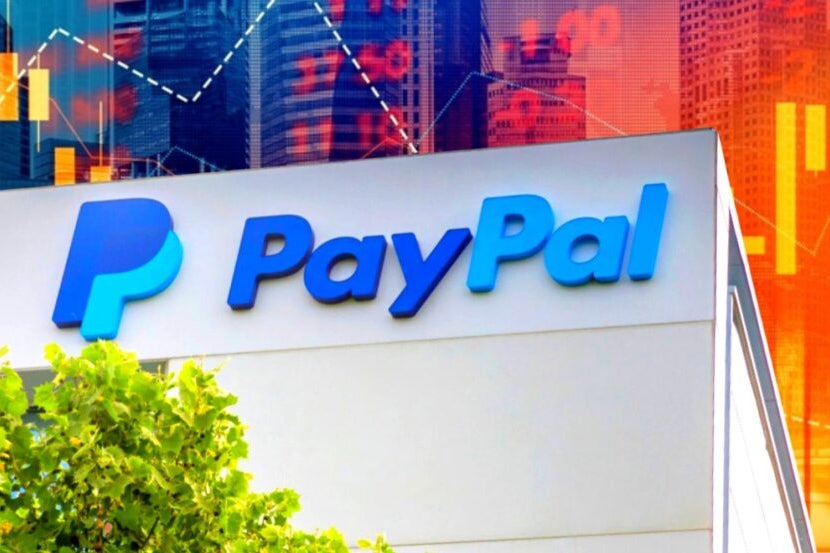
- Acquisition Potential Discussion: PayPal's stock has dropped about 40% over the past year, with a market cap now at $43 billion; despite strong profitability, its low growth profile makes it an attractive target for potential acquirers, particularly private equity firms like Silverlake Partners.
- Strategic Asset Value: Venmo, growing at approximately 20% annually, is seen as a key asset for PayPal, which also processes nearly $2 trillion in annual transaction volume, highlighting its significant position in the payment network and attracting potential buyers' interest.
- CEO Change Impact: The appointment of new CEO Enrique Lores has sparked speculation about a potential restructuring or sale of the company; while PayPal has not explicitly stated intentions to sell, market expectations for its future growth remain high.
- Competitive Landscape Analysis: Stripe has been mentioned as a potential buyer, with a valuation around $159 billion, significantly higher than PayPal's; however, the complementary nature of their businesses in the payment sector could make a merger a strategic option, despite potential antitrust scrutiny.
See More

Market Buzz Surrounds Potential PayPal Acquisition
- Acquisition Potential Discussion: PayPal has sparked acquisition rumors due to an 84% drop in share price, despite being a healthy and profitable company, increasing interest from private equity investors like Silverlake Partners.
- Market Performance Analysis: With a market cap now around $43 billion, down 80-85% from its 2021 peak, the feasibility of a takeover by large firms is enhanced, especially given the strategic value of assets like Venmo and Braintree.
- CEO Change Impact: The appointment of new CEO Enrique Lores has led to speculation about potential restructuring or sale, although PayPal has not explicitly stated intentions to sell, leaving the market eager for future developments.
- Competitive Landscape Consideration: The stark contrast between Stripe's high valuation and PayPal's profitability raises questions about acquisition viability, with regulatory scrutiny and market reactions being critical factors to monitor moving forward.
See More

Retail Investors Actively Position in Energy and Defense Stocks


- Retail Inflows: On Monday, retail investors net bought over $14 million in the Energy Select Sector SPDR ETF (XLE) following U.S.-Israeli military actions against Iran, marking a more than 425% increase compared to Friday's trading volume, indicating strong interest in energy stocks.
- Defense Stock Surge: During the same hour, Palantir saw net inflows exceeding $800,000, a dramatic shift from the net selling of over $500,000 observed on Friday, leading to a more than 6% rise in its stock during midday trading, reflecting a reassessment of the defense sector.
- Market Sentiment Analysis: While retail investors showed activity in specific stocks, the broader market did not experience widespread panic, with analysts noting that investors are engaging in selective repositioning, indicating a more defensive strategy amid rising uncertainty.
- Hedging Strategies Evident: There was a notable increase in demand for the iShares 0-3 Month Treasury Bond ETF (SGOV) and ProShares UltraPro Short QQQ (SQQQ), suggesting that retail investors are not only reallocating their portfolios but are also actively hedging against potential market volatility.
See More
Chevron Positioned for Recovery in Venezuela Oil Trade
- Market Leadership: Chevron's deep legacy presence and joint ventures with PDVSA provide it with the 'clearest line of sight' in the oil recovery trade, enabling effective monetization of new investments and capacity recovery.
- Strong Export Capacity: Chevron is currently exporting nearly 300,000 barrels of Venezuelan crude to the U.S. daily, making it the largest corporate channel for these flows, demonstrating its deep integration into the export infrastructure and ability to scale alongside production recovery.
- Price Advantage: Chevron's profitability is not solely reliant on higher crude volumes but also benefits from the 'volumes + discount' combination, which is crucial if Venezuelan supply caps upside potential for oil prices.
- Flexible Trading Strategy: Even if oil price upside is moderated, Chevron's joint venture throughput and trading flexibility still provide earnings leverage, ensuring its competitiveness amid market fluctuations.
See More
Global Oil Market Faces Supply Crisis Amid U.S.-Iran War
- Supply Disruption Risk: The U.S.-Iran war has led to a near-total halt of tanker traffic through the Strait of Hormuz, which is crucial for about one-third of global seaborne oil exports in 2025, posing a significant risk of slowing the global economy.
- Price Surge: Crude oil prices rose over 5% on Monday, with European natural gas futures soaring more than 40%, and if the conflict persists, Brent prices could exceed $120 per barrel, leading to higher fuel costs for consumers.
- Production Capacity Threat: Should the war last more than three weeks, Gulf countries' storage capacity may be exhausted, potentially forcing production halts and putting Iran's output of over 3 million barrels per day at risk, further tightening market conditions.
- Geopolitical Impact: The tensions surrounding Iran's nuclear program and missile development could lead to oil prices spiking over 70% during regime changes, while U.S. and Israeli military actions have rendered negotiations impossible, increasing market uncertainty.
See More
Iran Conflict Triggers Oil Price Surge
- Oil Price Impact: Following a joint U.S.-Israel strike, West Texas Intermediate futures surged over 5% and Brent crude rose about 6%, which could amplify inflationary pressures and challenge Trump's case for lower interest rates.
- Inflationary Pressures: January's Producer Price Index (PPI) rose 0.8% above expectations, pushing the 12-month rate to 3.6%, significantly above the Fed's 2% target, indicating persistent underlying price pressures.
- Economic Impact of War: Economists note that wars typically lead to negative supply shocks; despite increased U.S. energy independence, rising oil prices could still negatively impact economic growth, with estimates suggesting a $10 oil price increase could raise inflation by 0.2 percentage points.
- Stagflation Risks: With signs of labor market softening and uncertain fiscal policies, economists warn of potential stagflation risks, especially if Middle East tensions persist, which could exacerbate the dual pressures of rising prices and slowing growth.
See More
Market Buzz Surrounds Potential PayPal Acquisition
- Acquisition Potential Discussion: PayPal's stock has dropped about 40% over the past year, with a market cap now at $43 billion; despite strong profitability, its low growth profile makes it an attractive target for potential acquirers, particularly private equity firms like Silverlake Partners.
- Strategic Asset Value: Venmo, growing at approximately 20% annually, is seen as a key asset for PayPal, which also processes nearly $2 trillion in annual transaction volume, highlighting its significant position in the payment network and attracting potential buyers' interest.
- CEO Change Impact: The appointment of new CEO Enrique Lores has sparked speculation about a potential restructuring or sale of the company; while PayPal has not explicitly stated intentions to sell, market expectations for its future growth remain high.
- Competitive Landscape Analysis: Stripe has been mentioned as a potential buyer, with a valuation around $159 billion, significantly higher than PayPal's; however, the complementary nature of their businesses in the payment sector could make a merger a strategic option, despite potential antitrust scrutiny.
See More
Market Buzz Surrounds Potential PayPal Acquisition
- Acquisition Potential Discussion: PayPal has sparked acquisition rumors due to an 84% drop in share price, despite being a healthy and profitable company, increasing interest from private equity investors like Silverlake Partners.
- Market Performance Analysis: With a market cap now around $43 billion, down 80-85% from its 2021 peak, the feasibility of a takeover by large firms is enhanced, especially given the strategic value of assets like Venmo and Braintree.
- CEO Change Impact: The appointment of new CEO Enrique Lores has led to speculation about potential restructuring or sale, although PayPal has not explicitly stated intentions to sell, leaving the market eager for future developments.
- Competitive Landscape Consideration: The stark contrast between Stripe's high valuation and PayPal's profitability raises questions about acquisition viability, with regulatory scrutiny and market reactions being critical factors to monitor moving forward.
See More
Retail Investors Actively Position in Energy and Defense Stocks
- Retail Inflows: On Monday, retail investors net bought over $14 million in the Energy Select Sector SPDR ETF (XLE) following U.S.-Israeli military actions against Iran, marking a more than 425% increase compared to Friday's trading volume, indicating strong interest in energy stocks.
- Defense Stock Surge: During the same hour, Palantir saw net inflows exceeding $800,000, a dramatic shift from the net selling of over $500,000 observed on Friday, leading to a more than 6% rise in its stock during midday trading, reflecting a reassessment of the defense sector.
- Market Sentiment Analysis: While retail investors showed activity in specific stocks, the broader market did not experience widespread panic, with analysts noting that investors are engaging in selective repositioning, indicating a more defensive strategy amid rising uncertainty.
- Hedging Strategies Evident: There was a notable increase in demand for the iShares 0-3 Month Treasury Bond ETF (SGOV) and ProShares UltraPro Short QQQ (SQQQ), suggesting that retail investors are not only reallocating their portfolios but are also actively hedging against potential market volatility.
See More