Significant Stock Movements for Multiple Companies
Written by Emily J. Thompson, Senior Investment Analyst
Updated: Jan 26 2026
0mins

Source: CNBC
- Contract Cancellation Impact: Booz Allen Hamilton's stock fell over 5% after the Treasury Department canceled 31 contracts worth $4.8 million annually, highlighting the significant impact of government contracts on company finances.
- Investor Confidence Rebound: Investor Michael Burry's purchase of GameStop shares drove the stock up nearly 7%, indicating a market reassessment of the company's future value, even as Burry does not rely on a short squeeze for long-term gains.
- Rare Earth Mining Growth: USA Rare Earth shares surged 15% after the Trump administration took a stake, with plans to issue 16.1 million shares and 17.6 million warrants, demonstrating the positive influence of policy support on the rare earth sector.
- Biotech Breakthrough: Sarepta Therapeutics saw a 10% stock increase following its Elevidys study showing significant efficacy, with all Duchenne muscular dystrophy patients able to walk, underscoring the company's innovative potential in the biotech field.
Trade with 70% Backtested Accuracy
Stop guessing "Should I Buy UAL?" and start using high-conviction signals backed by rigorous historical data.
Sign up today to access powerful investing tools and make smarter, data-driven decisions.
Analyst Views on UAL
Wall Street analysts forecast UAL stock price to rise
16 Analyst Rating
15 Buy
1 Hold
0 Sell
Strong Buy
Current: 106.300

Low
115.00
Averages
139.07
High
156.00
Current: 106.300
Low
115.00
Averages
139.07
High
156.00
About UAL
United Airlines Holdings, Inc. is a holding company. The Company transports people and cargo throughout North America and to destinations in Asia, Europe, Africa, the Pacific, the Middle East and Latin America. The Company, through United Airlines, Inc., and its regional carriers, operates across six continents, with hubs at Chicago O'Hare International Airport (ORD), Denver International Airport (DEN), George Bush Intercontinental Airport (IAH), Los Angeles International Airport (LAX), Newark Liberty International Airport (EWR), San Francisco International Airport (SFO), Washington Dulles International Airport (IAD) and A.B. Won Pat International Airport (GUM). Its hub and spoke system allow it to transport passengers between a large number of destinations with frequent services. The Company has contractual relationships with various regional carriers to provide regional aircraft service branded as United Express. It provides freight and mail transportation services (Air Cargo).
About the author

Emily J. Thompson
Emily J. Thompson, a Chartered Financial Analyst (CFA) with 12 years in investment research, graduated with honors from the Wharton School. Specializing in industrial and technology stocks, she provides in-depth analysis for Intellectia’s earnings and market brief reports.
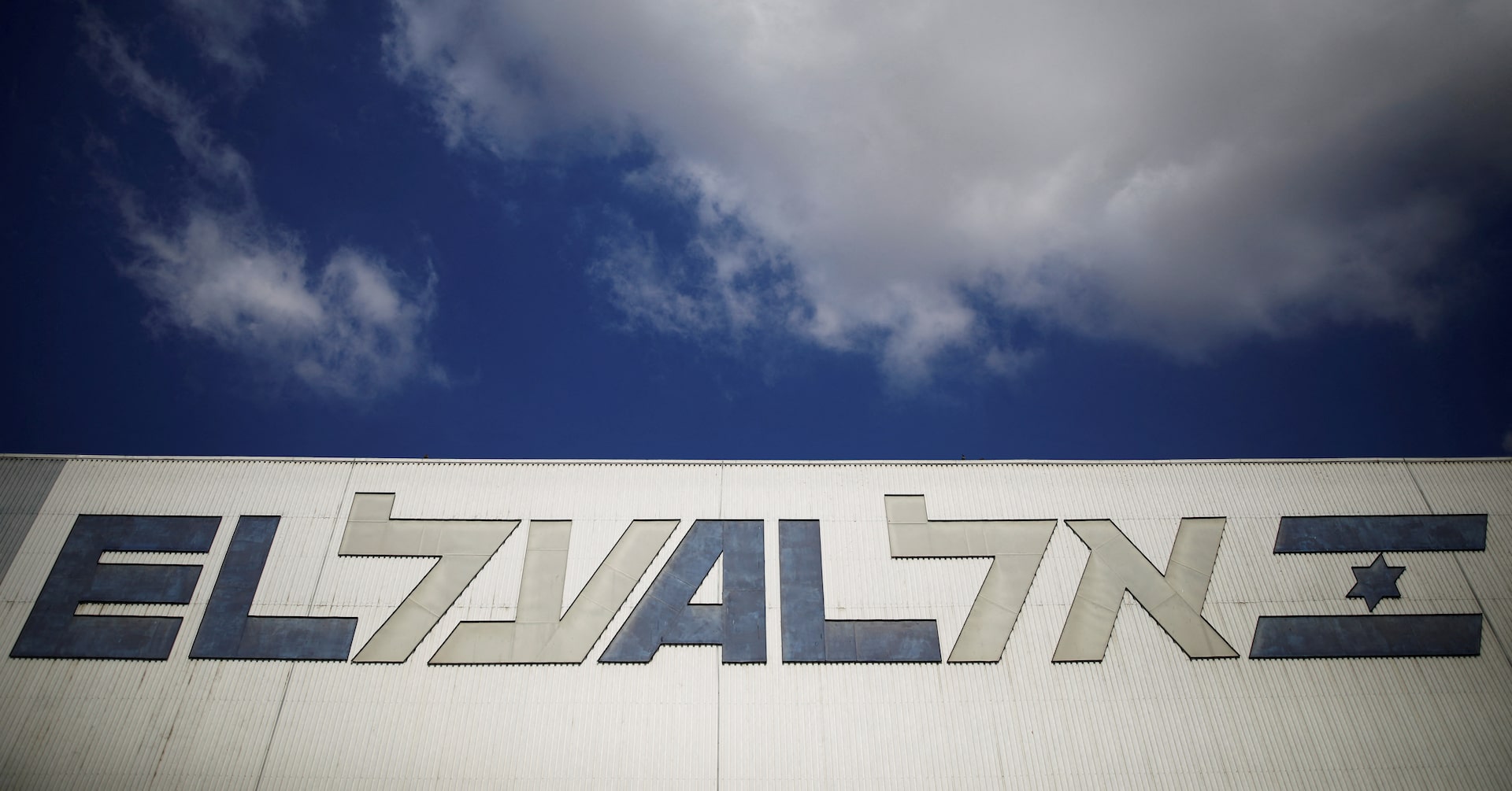
U.S.-Israel Conflict Causes Massive Flight Cancellations


- Flight Cancellation Overview: Following U.S. and Israeli military actions against Iran, major global airports have seen massive flight cancellations, with over 1,560 flights canceled over the weekend, representing about 41% of scheduled arrivals in Middle Eastern countries, severely disrupting international travel.
- Travel Insurance Limitations: Standard travel insurance policies typically exclude coverage for disruptions caused by acts of war and military actions, leaving many insured travelers at risk of not being reimbursed for non-refundable expenses such as flights and hotels.
- Airline Flexible Policies: Airlines are offering flexible rebooking options for affected travelers; for instance, United Airlines allows passengers scheduled to fly through the Middle East to change their flights without incurring fees, which helps mitigate financial losses for travelers.
- Uncertainty of Future Conflicts: President Trump has projected that the military conflict may last four to five weeks but could extend longer, creating ongoing uncertainty that will continue to impact air travel and related economic activities.
See More

PMI Increases in February, Signifying Second Consecutive Month of Growth in U.S. Manufacturing


- U.S. Manufacturing Growth: The U.S. manufacturing sector reported a second consecutive month of growth, providing positive news for investors.
- Investor Sentiment: This growth in manufacturing is likely to boost investor confidence in the economy.
See More

Iran War Drives Market Volatility and Sector Performance

- Market Reaction: Stocks initially retreated following the US and Israel's joint military actions against Iran, but rebounded after the February ISM manufacturing index exceeded expectations, indicating investor focus on economic data.
- Surge in Energy Prices: The halt of tanker traffic through the Strait of Hormuz due to Iran's attacks on three oil tankers led to WTI crude oil prices soaring over 65% to an 8.25-month high, potentially exacerbating global inflationary pressures.
- Defense Stocks Rise: The ongoing conflict in Iran has bolstered earnings prospects for defense companies, with Aerovironment's stock rising over 12%, while Northrop Grumman and RTX Corp also saw increases of over 4%, reflecting market optimism about defense spending.
- Economic Data Focus: Investors are keenly awaiting upcoming economic data releases, including ADP employment changes and the ISM services index, which are expected to influence future monetary policy directions amid rising inflation concerns.
See More
Analysis of Significant Stock Movements


- AeroVironment Stock Decline: AeroVironment shares fell approximately 20% after Raymond James downgraded its rating from strong buy to underperform, losing exclusivity on a $1.4 billion contract with the U.S. Space Force, which could negatively impact future revenues.
- Palantir Sales Surge: Palantir's stock rose 6%, making it the biggest gainer in the S&P 500, with U.S. government revenue accounting for 41% of its sales in Q4, reflecting a 66% year-over-year increase, indicating potential growth from increased defense spending.
- Norwegian Cruise Line Earnings Guidance Cut: Norwegian Cruise Line shares dropped 10% due to weaker-than-expected earnings guidance for 2026, projecting earnings per share at $2.38, below the FactSet estimate of $2.57, raising concerns about its future profitability.
- AES Acquisition Announcement: AES shares plunged 17% after a consortium led by BlackRock announced plans to acquire the company for nearly $11 billion, offering shareholders $15 per share in cash, with the deal expected to close in late 2026 or early 2027.
See More

US Stocks Decline Amid Iran War Escalation

- Market Retreat: The S&P 500 index fell by 0.69% and the Nasdaq 100 by 0.65%, both hitting 1.5-week lows, indicating a heightened risk-off sentiment among investors due to the escalating conflict in Iran, which may lead to a reassessment of risk asset allocations.
- Oil Price Surge: WTI crude oil prices soared over 8% to an 8.25-month high as tanker traffic through the Strait of Hormuz largely halted, raising inflation expectations and potentially impacting overall economic growth forecasts.
- Airline Stocks Under Pressure: Airline stocks faced declines, with American Airlines down over 5% and Delta Air Lines down more than 2%, reflecting the negative impact of rising oil prices on profit outlooks in the aviation sector.
- Defense Stocks Rise: Defense stocks like Aerovironment surged over 15% amid expectations of increased defense spending due to the Iran war, indicating a potential boost in earnings prospects for companies in this sector.
See More
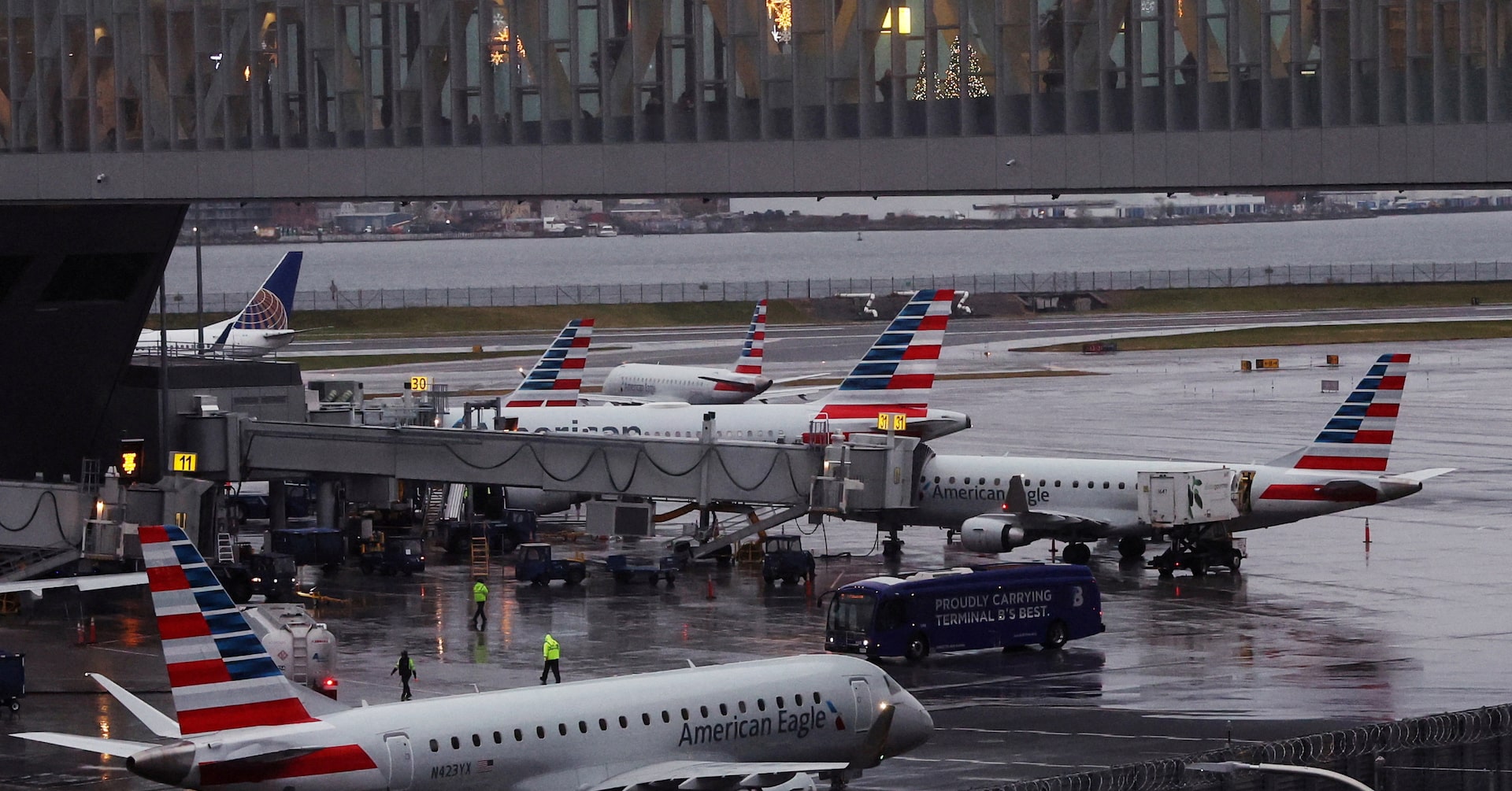
Airline Stocks Decline Amid Military Strikes and Flight Cancellations

- Military Action Impact: Joint U.S.-Israel military strikes on Iran have led to airspace closures across several countries, directly impacting the airline industry with over 2,400 flights canceled, presenting unprecedented operational challenges for carriers.
- Surge in Oil Prices: Fears that the conflict could disrupt shipments through the Strait of Hormuz have caused oil prices to spike, further increasing cost pressures on airlines, which could negatively affect their profitability and stock performance.
- Stock Price Declines: As of now, Delta's stock is down 2.56% to $64.04, United's down 4.09% to $101.91, American's down 4.82% to $12.44, and Southwest's down 2.48% to $48.10, reflecting strong investor reactions to the escalating situation.
- Market Reaction: The widespread decline in airline stocks amid escalating conflict and flight cancellations indicates market concerns over the future uncertainties and potential risks facing the airline sector, prompting investors to reassess the financial health of these companies.
See More
U.S.-Israel Conflict Causes Massive Flight Cancellations
- Flight Cancellation Overview: Following U.S. and Israeli military actions against Iran, major global airports have seen massive flight cancellations, with over 1,560 flights canceled over the weekend, representing about 41% of scheduled arrivals in Middle Eastern countries, severely disrupting international travel.
- Travel Insurance Limitations: Standard travel insurance policies typically exclude coverage for disruptions caused by acts of war and military actions, leaving many insured travelers at risk of not being reimbursed for non-refundable expenses such as flights and hotels.
- Airline Flexible Policies: Airlines are offering flexible rebooking options for affected travelers; for instance, United Airlines allows passengers scheduled to fly through the Middle East to change their flights without incurring fees, which helps mitigate financial losses for travelers.
- Uncertainty of Future Conflicts: President Trump has projected that the military conflict may last four to five weeks but could extend longer, creating ongoing uncertainty that will continue to impact air travel and related economic activities.
See More
PMI Increases in February, Signifying Second Consecutive Month of Growth in U.S. Manufacturing
- U.S. Manufacturing Growth: The U.S. manufacturing sector reported a second consecutive month of growth, providing positive news for investors.
- Investor Sentiment: This growth in manufacturing is likely to boost investor confidence in the economy.
See More
Iran War Drives Market Volatility and Sector Performance
- Market Reaction: Stocks initially retreated following the US and Israel's joint military actions against Iran, but rebounded after the February ISM manufacturing index exceeded expectations, indicating investor focus on economic data.
- Surge in Energy Prices: The halt of tanker traffic through the Strait of Hormuz due to Iran's attacks on three oil tankers led to WTI crude oil prices soaring over 65% to an 8.25-month high, potentially exacerbating global inflationary pressures.
- Defense Stocks Rise: The ongoing conflict in Iran has bolstered earnings prospects for defense companies, with Aerovironment's stock rising over 12%, while Northrop Grumman and RTX Corp also saw increases of over 4%, reflecting market optimism about defense spending.
- Economic Data Focus: Investors are keenly awaiting upcoming economic data releases, including ADP employment changes and the ISM services index, which are expected to influence future monetary policy directions amid rising inflation concerns.
See More
Analysis of Significant Stock Movements
- AeroVironment Stock Decline: AeroVironment shares fell approximately 20% after Raymond James downgraded its rating from strong buy to underperform, losing exclusivity on a $1.4 billion contract with the U.S. Space Force, which could negatively impact future revenues.
- Palantir Sales Surge: Palantir's stock rose 6%, making it the biggest gainer in the S&P 500, with U.S. government revenue accounting for 41% of its sales in Q4, reflecting a 66% year-over-year increase, indicating potential growth from increased defense spending.
- Norwegian Cruise Line Earnings Guidance Cut: Norwegian Cruise Line shares dropped 10% due to weaker-than-expected earnings guidance for 2026, projecting earnings per share at $2.38, below the FactSet estimate of $2.57, raising concerns about its future profitability.
- AES Acquisition Announcement: AES shares plunged 17% after a consortium led by BlackRock announced plans to acquire the company for nearly $11 billion, offering shareholders $15 per share in cash, with the deal expected to close in late 2026 or early 2027.
See More
US Stocks Decline Amid Iran War Escalation
- Market Retreat: The S&P 500 index fell by 0.69% and the Nasdaq 100 by 0.65%, both hitting 1.5-week lows, indicating a heightened risk-off sentiment among investors due to the escalating conflict in Iran, which may lead to a reassessment of risk asset allocations.
- Oil Price Surge: WTI crude oil prices soared over 8% to an 8.25-month high as tanker traffic through the Strait of Hormuz largely halted, raising inflation expectations and potentially impacting overall economic growth forecasts.
- Airline Stocks Under Pressure: Airline stocks faced declines, with American Airlines down over 5% and Delta Air Lines down more than 2%, reflecting the negative impact of rising oil prices on profit outlooks in the aviation sector.
- Defense Stocks Rise: Defense stocks like Aerovironment surged over 15% amid expectations of increased defense spending due to the Iran war, indicating a potential boost in earnings prospects for companies in this sector.
See More
Airline Stocks Decline Amid Military Strikes and Flight Cancellations
- Military Action Impact: Joint U.S.-Israel military strikes on Iran have led to airspace closures across several countries, directly impacting the airline industry with over 2,400 flights canceled, presenting unprecedented operational challenges for carriers.
- Surge in Oil Prices: Fears that the conflict could disrupt shipments through the Strait of Hormuz have caused oil prices to spike, further increasing cost pressures on airlines, which could negatively affect their profitability and stock performance.
- Stock Price Declines: As of now, Delta's stock is down 2.56% to $64.04, United's down 4.09% to $101.91, American's down 4.82% to $12.44, and Southwest's down 2.48% to $48.10, reflecting strong investor reactions to the escalating situation.
- Market Reaction: The widespread decline in airline stocks amid escalating conflict and flight cancellations indicates market concerns over the future uncertainties and potential risks facing the airline sector, prompting investors to reassess the financial health of these companies.
See More