Significant Options Activity on Tuesday: AAPL, MSFT, RYAM


Microsoft Options Volume: Microsoft Corporation (MSFT) has recorded an options volume of 298,519 contracts today, equating to about 29.9 million underlying shares, which is 108.1% of its average daily trading volume over the past month.
High Volume Call Option: The $480 strike call option for MSFT, expiring on November 28, 2025, has seen particularly high activity with 13,043 contracts traded, representing approximately 1.3 million underlying shares.
Rayonier Advanced Materials Options Volume: Rayonier Advanced Materials Inc (RYAM) has reported an options trading volume of 7,097 contracts, which corresponds to about 709,700 underlying shares, or 106% of its average daily trading volume.
Notable RYAM Call Option: The $7 strike call option for RYAM, expiring on January 16, 2026, has also experienced significant trading, with 3,003 contracts exchanged, representing around 300,300 underlying shares.
Trade with 70% Backtested Accuracy
Analyst Views on AAPL

About AAPL
About the author


Analysis of Apple's Stock Price Potential

- Significant Investment Returns: Over the past decade, an investment of $10,000 in Apple has grown to approximately $105,000, showcasing its strong growth potential, although future challenges may arise.
- Strong iPhone Sales: In the last three months of 2025, Apple reported a 23% increase in iPhone sales, reaching $85.3 billion, indicating that consumer anticipation for new AI features is driving sales.
- Insufficient Growth Drivers: Despite the surge in iPhone sales, Apple's overall revenue grew only 6% in the most recent fiscal year, indicating a lack of compelling catalysts that could sustain future growth and potentially impact stock performance.
- High Market Valuation: With a market cap of around $4 trillion and a current stock price of $260.76, trading at 33 times earnings, Apple's excellent financial performance may not translate into a doubling of stock value in the near future.

Global Stock Markets Plunge as Oil Prices Surge Amid Iran Conflict


- Stock Market Decline: The S&P 500 index fell by 2.18%, reaching a 3.25-month low, indicating market concerns over the Iran conflict that may lead to decreased investor confidence and increased volatility.
- Surge in Oil Prices: WTI crude oil prices rose over 8% to an 8.5-month high due to Iran's threats to close the Strait of Hormuz, potentially causing long-term disruptions in global energy markets and raising inflation expectations.
- Rising Bond Yields: The 10-year German bund yield climbed to a 2.5-week high of 2.814%, reflecting market worries about future inflation, which may prompt investors to shift towards bonds for safety.
- Economic Data Focus: This week, the market will focus on U.S. employment data and economic indicators, with the ADP employment change expected to rise by 40,000 and the ISM services index anticipated to slip slightly, indicating potential economic slowdown.

Apple Unveils New MacBook Air with M5 Chip
- Performance Boost: The new MacBook Air features the M5 chip with a 10-core CPU and 10-core GPU, each equipped with a Neural Accelerator, delivering up to four times the AI performance compared to the M4 model, significantly enhancing user experience and application capabilities.
- Storage Expansion: Starting storage for the new MacBook Air is 512GB, double that of the previous generation, and it can be configured up to 4TB, with the updated SSD offering up to two times faster read/write performance, catering to high-performance user needs.
- Battery Life and Design: This laptop offers up to 18 hours of battery life, includes a 12MP Center Stage camera and two Thunderbolt 4 ports supporting up to two external displays, and features a fanless aluminum design, enhancing portability and aesthetics.
- Market Positioning: The new MacBook Air is available in 13-inch and 15-inch models starting at $1,099, with pre-orders beginning on March 4 and availability on March 11, which is expected to further solidify Apple's leadership in the premium laptop market.

Apple Launches New MacBook Pro and Air Models with M5 Chips


- Product Refresh: Apple has launched new MacBook Pro and MacBook Air models featuring the latest M5 chips, aiming to revive Mac demand amid a nearly 7% sales drop to $8.39 billion during the holiday quarter, significantly below analyst expectations of $9 billion.
- Price Adjustments: The new MacBook Air starts at $1,099 for the 13-inch model and $1,299 for the 15-inch model, with base storage doubled to 512GB, while the MacBook Pro starts at $2,199 for the 14-inch model and $3,899 for the 16-inch model, reflecting a $400 increase from previous versions.
- Performance Boost: The new MacBook Pro is positioned to process large language model prompts nearly four times faster than M4-based machines and up to eight times faster than M1 models, all while maintaining battery life, which is crucial for businesses wanting to keep sensitive data off cloud servers.
- Display Update: Apple has revamped its Studio Display lineup, with the base model starting at $1,599 and the higher-end Studio Display XDR at $3,299, adding features like higher brightness and faster refresh rates aimed at professional users, indicating Apple's ongoing focus on the premium market.

South Korean Market Turbulence Signals U.S. Stock Trends

- Market Signal: The South Korean ETF (EWY) experienced an approximately 11% selloff overnight, indicating its role as a 'canary in the coal mine' for potential turbulence in the U.S. stock market.
- Profit Signal: Following a buy signal on April 9, 2025, the South Korean ETF (EWY) has shown a strong upward trend, with recent sell-offs prompting investors to consider taking partial profits.
- Memory Market Dynamics: Due to surging AI demand, major memory manufacturers like Samsung Electronics and SK Hynix are perceived as lower risk compared to other AI stocks, contributing to South Korea's market outperforming QQQ by 27.48%.
- Global Industrial Recovery: As a major exporter of industrial goods, South Korea benefits from a global uptick in industrial activity, further bolstering investor confidence in the market.
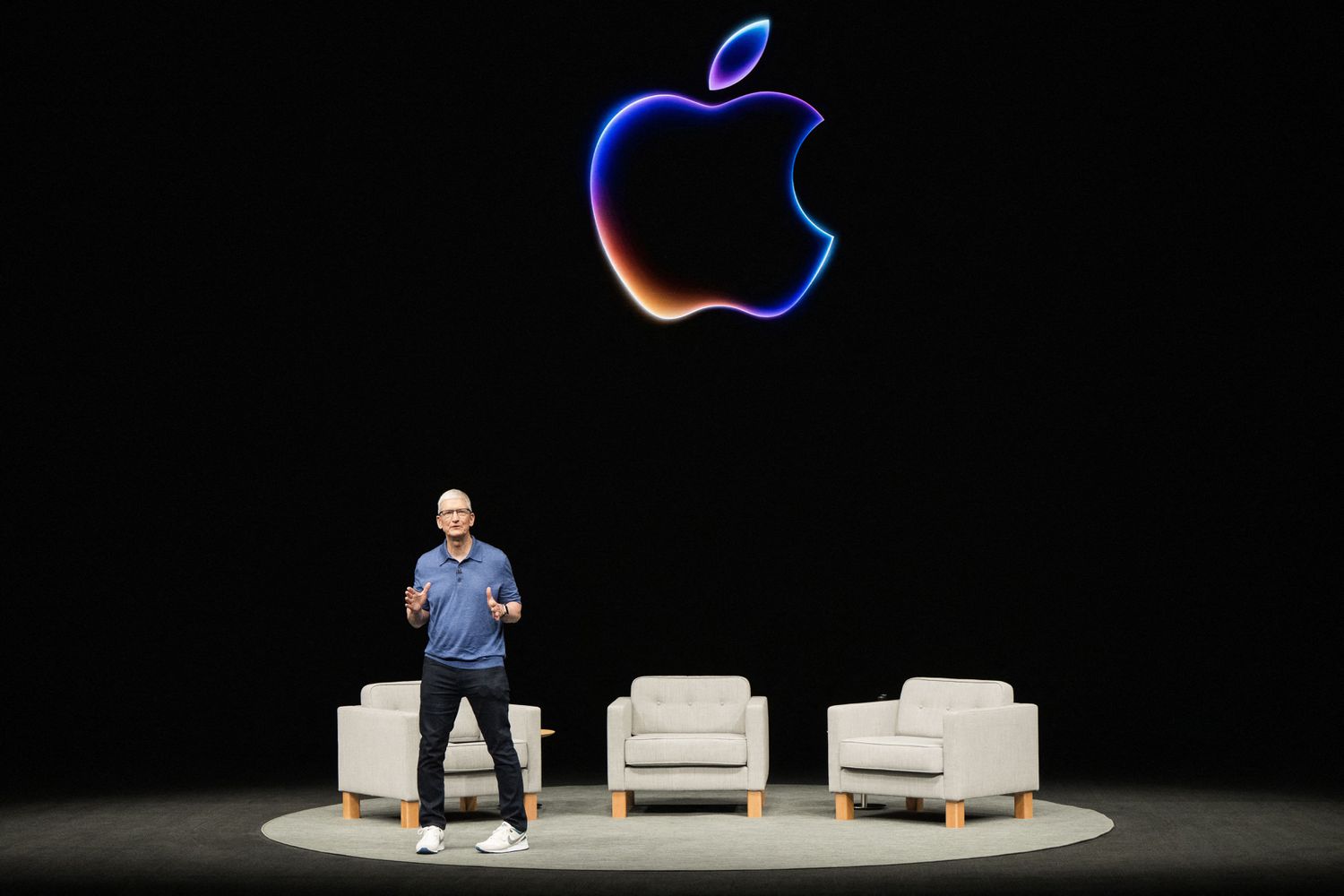
Apple Launches New MacBook Pro and Air Models with M5 Chips
- New MacBook Launch: Apple has introduced new MacBook Pro and MacBook Air models featuring M5 chips, aiming to revive Mac demand, particularly targeting users still on older Intel systems.
- Price Increases: The new MacBook Air starts at $1,099, up $100 from before, while the 16-inch M5 Max MacBook Pro starts at $3,899, reflecting a $400 increase due to tight memory supply in the market.
- Performance Boost: The new MacBook Pro processes tasks nearly four times faster than M4 machines and maintains battery life, indicating Apple's push to establish the Mac as a credible platform for running advanced AI tools locally.
- Display Update: Apple has revamped its Studio Display lineup, with the base model starting at $1,599, catering to professional users while maintaining focus on high-end products, showcasing Apple's strategy to attract customers across multiple price points.
Analysis of Apple's Stock Price Potential
- Significant Investment Returns: Over the past decade, an investment of $10,000 in Apple has grown to approximately $105,000, showcasing its strong growth potential, although future challenges may arise.
- Strong iPhone Sales: In the last three months of 2025, Apple reported a 23% increase in iPhone sales, reaching $85.3 billion, indicating that consumer anticipation for new AI features is driving sales.
- Insufficient Growth Drivers: Despite the surge in iPhone sales, Apple's overall revenue grew only 6% in the most recent fiscal year, indicating a lack of compelling catalysts that could sustain future growth and potentially impact stock performance.
- High Market Valuation: With a market cap of around $4 trillion and a current stock price of $260.76, trading at 33 times earnings, Apple's excellent financial performance may not translate into a doubling of stock value in the near future.
Global Stock Markets Plunge as Oil Prices Surge Amid Iran Conflict
- Stock Market Decline: The S&P 500 index fell by 2.18%, reaching a 3.25-month low, indicating market concerns over the Iran conflict that may lead to decreased investor confidence and increased volatility.
- Surge in Oil Prices: WTI crude oil prices rose over 8% to an 8.5-month high due to Iran's threats to close the Strait of Hormuz, potentially causing long-term disruptions in global energy markets and raising inflation expectations.
- Rising Bond Yields: The 10-year German bund yield climbed to a 2.5-week high of 2.814%, reflecting market worries about future inflation, which may prompt investors to shift towards bonds for safety.
- Economic Data Focus: This week, the market will focus on U.S. employment data and economic indicators, with the ADP employment change expected to rise by 40,000 and the ISM services index anticipated to slip slightly, indicating potential economic slowdown.
Apple Unveils New MacBook Air with M5 Chip
- Performance Boost: The new MacBook Air features the M5 chip with a 10-core CPU and 10-core GPU, each equipped with a Neural Accelerator, delivering up to four times the AI performance compared to the M4 model, significantly enhancing user experience and application capabilities.
- Storage Expansion: Starting storage for the new MacBook Air is 512GB, double that of the previous generation, and it can be configured up to 4TB, with the updated SSD offering up to two times faster read/write performance, catering to high-performance user needs.
- Battery Life and Design: This laptop offers up to 18 hours of battery life, includes a 12MP Center Stage camera and two Thunderbolt 4 ports supporting up to two external displays, and features a fanless aluminum design, enhancing portability and aesthetics.
- Market Positioning: The new MacBook Air is available in 13-inch and 15-inch models starting at $1,099, with pre-orders beginning on March 4 and availability on March 11, which is expected to further solidify Apple's leadership in the premium laptop market.
Apple Launches New MacBook Pro and Air Models with M5 Chips
- Product Refresh: Apple has launched new MacBook Pro and MacBook Air models featuring the latest M5 chips, aiming to revive Mac demand amid a nearly 7% sales drop to $8.39 billion during the holiday quarter, significantly below analyst expectations of $9 billion.
- Price Adjustments: The new MacBook Air starts at $1,099 for the 13-inch model and $1,299 for the 15-inch model, with base storage doubled to 512GB, while the MacBook Pro starts at $2,199 for the 14-inch model and $3,899 for the 16-inch model, reflecting a $400 increase from previous versions.
- Performance Boost: The new MacBook Pro is positioned to process large language model prompts nearly four times faster than M4-based machines and up to eight times faster than M1 models, all while maintaining battery life, which is crucial for businesses wanting to keep sensitive data off cloud servers.
- Display Update: Apple has revamped its Studio Display lineup, with the base model starting at $1,599 and the higher-end Studio Display XDR at $3,299, adding features like higher brightness and faster refresh rates aimed at professional users, indicating Apple's ongoing focus on the premium market.
South Korean Market Turbulence Signals U.S. Stock Trends
- Market Signal: The South Korean ETF (EWY) experienced an approximately 11% selloff overnight, indicating its role as a 'canary in the coal mine' for potential turbulence in the U.S. stock market.
- Profit Signal: Following a buy signal on April 9, 2025, the South Korean ETF (EWY) has shown a strong upward trend, with recent sell-offs prompting investors to consider taking partial profits.
- Memory Market Dynamics: Due to surging AI demand, major memory manufacturers like Samsung Electronics and SK Hynix are perceived as lower risk compared to other AI stocks, contributing to South Korea's market outperforming QQQ by 27.48%.
- Global Industrial Recovery: As a major exporter of industrial goods, South Korea benefits from a global uptick in industrial activity, further bolstering investor confidence in the market.
Apple Launches New MacBook Pro and Air Models with M5 Chips
- New MacBook Launch: Apple has introduced new MacBook Pro and MacBook Air models featuring M5 chips, aiming to revive Mac demand, particularly targeting users still on older Intel systems.
- Price Increases: The new MacBook Air starts at $1,099, up $100 from before, while the 16-inch M5 Max MacBook Pro starts at $3,899, reflecting a $400 increase due to tight memory supply in the market.
- Performance Boost: The new MacBook Pro processes tasks nearly four times faster than M4 machines and maintains battery life, indicating Apple's push to establish the Mac as a credible platform for running advanced AI tools locally.
- Display Update: Apple has revamped its Studio Display lineup, with the base model starting at $1,599, catering to professional users while maintaining focus on high-end products, showcasing Apple's strategy to attract customers across multiple price points.