Seven Essential Rules for Investors
Written by Emily J. Thompson, Senior Investment Analyst
Updated: 2 days ago
0mins


Should l Buy NVDA?
Source: Fool
- Importance of Management: Assessing the quality of a company's top management is crucial in investment decisions, particularly in the fast-evolving tech sector, as the capability and integrity of leadership directly impact long-term performance.
- Advantage of Founder-Led Companies: Studies indicate that founder-led companies tend to outperform the market over the long term, making firms like Nvidia and Palantir, which are led by their founders, attractive investment opportunities.
- Caution on Accounting Issues: Investors should be wary of companies with multiple accounting issues, especially those linked to fraud, as these can lead to significant stock price volatility and affect investment decisions.
- Significance of Cash Flows: Paying attention to a company's cash flows rather than solely relying on net income is prudent, as healthy cash flow can provide a more accurate reflection of a company's profitability and financial stability.
Trade with 70% Backtested Accuracy
Stop guessing "Should I Buy NVDA?" and start using high-conviction signals backed by rigorous historical data.
Sign up today to access powerful investing tools and make smarter, data-driven decisions.
Analyst Views on NVDA
Wall Street analysts forecast NVDA stock price to rise
41 Analyst Rating
39 Buy
1 Hold
1 Sell
Strong Buy
Current: 182.480

Low
200.00
Averages
264.97
High
352.00
Current: 182.480
Low
200.00
Averages
264.97
High
352.00
About NVDA
NVIDIA Corporation is a full-stack computing infrastructure company. The Company is engaged in accelerated computing to help solve the challenging computational problems. The Company’s segments include Compute & Networking and Graphics. The Compute & Networking segment includes its Data Center accelerated computing platforms and artificial intelligence (AI) solutions and software; networking; automotive platforms and autonomous and electric vehicle solutions; Jetson for robotics and other embedded platforms, and DGX Cloud computing services. The Graphics segment includes GeForce GPUs for gaming and PCs, the GeForce NOW game streaming service and related infrastructure, and solutions for gaming platforms; Quadro/NVIDIA RTX GPUs for enterprise workstation graphics; virtual GPU software for cloud-based visual and virtual computing; automotive platforms for infotainment systems, and Omniverse Enterprise software for building and operating industrial AI and digital twin applications.
About the author

Emily J. Thompson
Emily J. Thompson, a Chartered Financial Analyst (CFA) with 12 years in investment research, graduated with honors from the Wharton School. Specializing in industrial and technology stocks, she provides in-depth analysis for Intellectia’s earnings and market brief reports.

Nvidia's Earnings Exceed Expectations Amid Strong AI Demand

- Significant Earnings Growth: Nvidia reported a net income of $120.1 billion for Q4 FY2026, a 64.5% increase from $72.9 billion in FY2025, establishing itself as the second most profitable company globally, highlighting its strong performance in the AI market.
- Strong Revenue Guidance: The company anticipates $78 billion in revenue for Q1 FY2027, representing a staggering 76.9% increase from Q1 FY2026, indicating robust demand for its Blackwell and Rubin chips and further solidifying its market position.
- Customer Concentration Risk: While Nvidia's top five cloud providers account for over 50% of its data center revenue, analysts project that capital expenditures from these customers will approach $700 billion by 2025, showcasing future growth potential and reducing reliance on a single customer base.
- Investment in Innovation: Nvidia's ongoing investments in AI, including a $10 billion investment in Anthropic and a potential $30 billion investment in OpenAI, demonstrate its critical role in future AI spending, enhancing confidence in its long-term growth prospects.
See More

Nvidia Continues to Achieve Double-Digit Growth
- Revenue and Profit Surge: In the fourth quarter, Nvidia reported a revenue of $68 billion and a profit of $42 billion, reflecting double-digit growth driven by strong demand from AI data center customers, which solidifies its leadership in the AI chip market.
- Investor Concerns: Despite robust performance, investors are worried about high levels of AI spending and question whether future earnings will justify current valuations, leading to Nvidia's stock price remaining flat and trading near its lowest levels over the past year.
- Market Positioning: Nvidia's stock is currently considered 'dirt cheap', and the company is well-positioned for long-term growth in the AI sector, although short-term market volatility may persist, prompting investors to carefully assess their entry points.
- Industry Impact: Nvidia's success not only drives its own growth but also fuels investment and technological advancement across the AI industry, and despite facing market uncertainties, it is still viewed as a 'no-brainer buy' in AI investments.
See More

Analysts Bullish on Nvidia and Microsoft Price Targets

- Nvidia Growth Potential: Analysts project a price target of $256 for Nvidia, indicating about a 40% upside from Monday's closing price of $180.12, reflecting its strong growth potential amid surging AI spending, with expected revenue of $78 billion for Q1 FY2027, representing a 77% year-over-year increase.
- Microsoft Valuation Recovery: Microsoft has a price target of $596; despite recent stock declines due to unmet market expectations, its 17% quarterly revenue growth demonstrates robust fundamentals, with projected revenue growth of 16% and 15% over the next two fiscal years, indicating its ability to outperform the market.
- Market Reaction Analysis: Although Nvidia and Microsoft's stock prices face short-term volatility, analysts generally believe both stocks possess significant upside potential in the long term, particularly against the backdrop of ongoing investments in AI and cloud computing, which may attract more investor interest.
- Investment Recommendation: With the overall market recovering, Nvidia and Microsoft are viewed as
See More
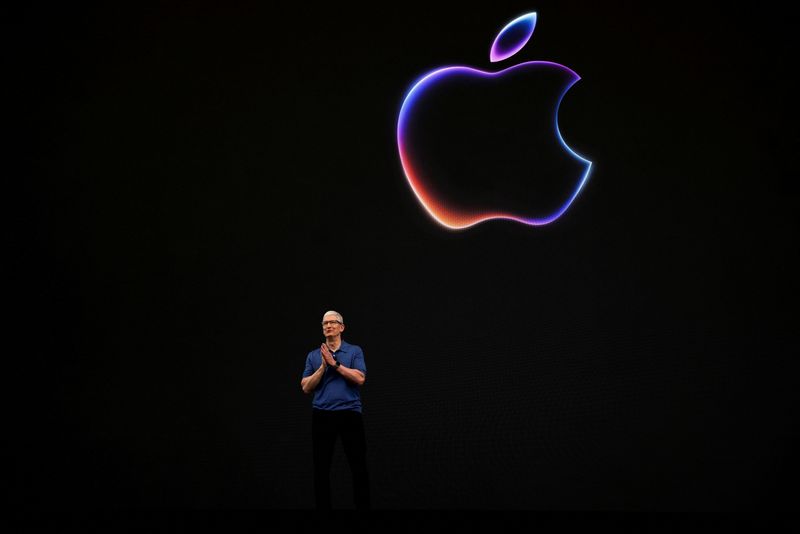
Nvidia and Microsoft Stock Price Potential Analysis
- Nvidia's Strong Performance: In Q4 of fiscal 2026, Nvidia reported a remarkable 72% year-over-year revenue growth, reaching $78 billion, showcasing its robust position amid soaring AI spending, with a projected 77% growth for Q1 of fiscal 2027, further solidifying its market leadership.
- Microsoft's Valuation Struggles: Despite achieving a 17% revenue growth in Q2 of fiscal 2026, Microsoft's stock faced a significant sell-off, bringing its price-to-earnings ratio to a multi-year low, reflecting investor caution regarding its future growth prospects.
- Analyst Price Targets Optimistic: Analysts set an average price target of $256 for Nvidia, indicating a potential upside of about 40%, while Microsoft's target of $598 suggests a 50% growth potential, highlighting both companies' investment attractiveness over the next year.
- Market Environment Impact: While Nvidia's ongoing investments and growth potential make it a
See More

Carvana Q4 Results Beat Estimates but Stock Declines

- Strong Sales Performance: Carvana reported fourth-quarter sales of $5.6 billion, exceeding analyst expectations by $330 million and reflecting a 58% year-over-year increase, indicating robust market performance despite stock price pressures from other factors.
- Profitability Concerns: While the earnings per share of $4.22 significantly surpassed the market's forecast of $1.13, the adjusted EBITDA of $511 million fell short of the $535.7 million expected by analysts, raising concerns about the company's profitability and market confidence.
- Related-Party Transaction Allegations: A short report from Gotham City Research accused Carvana of overstating earnings through related-party transactions with businesses owned by CEO Ernie Garcia III's family, particularly highlighting the connections with DriveTime and Bridgecrest, which has raised investor scrutiny and could impact the company's reputation.
- Vague Forward Guidance: The forward guidance provided by Carvana alongside its Q4 report lacked specific details, as management committed to growth in retail units and adjusted EBITDA but failed to outline a clear strategic direction, leaving investors feeling uncertain about the company's future trajectory.
See More

Nvidia Sells Entire Stake in Applied Digital Amid Debt Concerns

- Stake Sale Impact: Nvidia's recent divestment of its 7.7 million shares in Applied Digital has raised market eyebrows, particularly as the company's debt surged from $44 million to $2.6 billion, highlighting severe financial challenges.
- Customer Concentration Risk: Applied Digital's $16 billion in contracted revenue is entirely dependent on two customers, with CoreWeave accounting for $11 billion; if CoreWeave faces financial difficulties, Applied Digital's revenue could be jeopardized, risking its ability to meet debt obligations.
- Profitability Crisis: With a loss of $125 million over the past year, Applied Digital's high leverage poses significant financial strain, meaning any deviation from management's projections could lead to catastrophic outcomes rather than mere disappointments.
- Market Outlook Uncertainty: Despite strong demand for AI data centers, Applied Digital's future remains uncertain due to its extreme reliance on customer concentration and high leverage, which could rapidly deteriorate its financial health in changing market conditions.
See More
Nvidia's Earnings Exceed Expectations Amid Strong AI Demand
- Significant Earnings Growth: Nvidia reported a net income of $120.1 billion for Q4 FY2026, a 64.5% increase from $72.9 billion in FY2025, establishing itself as the second most profitable company globally, highlighting its strong performance in the AI market.
- Strong Revenue Guidance: The company anticipates $78 billion in revenue for Q1 FY2027, representing a staggering 76.9% increase from Q1 FY2026, indicating robust demand for its Blackwell and Rubin chips and further solidifying its market position.
- Customer Concentration Risk: While Nvidia's top five cloud providers account for over 50% of its data center revenue, analysts project that capital expenditures from these customers will approach $700 billion by 2025, showcasing future growth potential and reducing reliance on a single customer base.
- Investment in Innovation: Nvidia's ongoing investments in AI, including a $10 billion investment in Anthropic and a potential $30 billion investment in OpenAI, demonstrate its critical role in future AI spending, enhancing confidence in its long-term growth prospects.
See More
Nvidia Continues to Achieve Double-Digit Growth
- Revenue and Profit Surge: In the fourth quarter, Nvidia reported a revenue of $68 billion and a profit of $42 billion, reflecting double-digit growth driven by strong demand from AI data center customers, which solidifies its leadership in the AI chip market.
- Investor Concerns: Despite robust performance, investors are worried about high levels of AI spending and question whether future earnings will justify current valuations, leading to Nvidia's stock price remaining flat and trading near its lowest levels over the past year.
- Market Positioning: Nvidia's stock is currently considered 'dirt cheap', and the company is well-positioned for long-term growth in the AI sector, although short-term market volatility may persist, prompting investors to carefully assess their entry points.
- Industry Impact: Nvidia's success not only drives its own growth but also fuels investment and technological advancement across the AI industry, and despite facing market uncertainties, it is still viewed as a 'no-brainer buy' in AI investments.
See More
Analysts Bullish on Nvidia and Microsoft Price Targets
- Nvidia Growth Potential: Analysts project a price target of $256 for Nvidia, indicating about a 40% upside from Monday's closing price of $180.12, reflecting its strong growth potential amid surging AI spending, with expected revenue of $78 billion for Q1 FY2027, representing a 77% year-over-year increase.
- Microsoft Valuation Recovery: Microsoft has a price target of $596; despite recent stock declines due to unmet market expectations, its 17% quarterly revenue growth demonstrates robust fundamentals, with projected revenue growth of 16% and 15% over the next two fiscal years, indicating its ability to outperform the market.
- Market Reaction Analysis: Although Nvidia and Microsoft's stock prices face short-term volatility, analysts generally believe both stocks possess significant upside potential in the long term, particularly against the backdrop of ongoing investments in AI and cloud computing, which may attract more investor interest.
- Investment Recommendation: With the overall market recovering, Nvidia and Microsoft are viewed as
See More
Nvidia and Microsoft Stock Price Potential Analysis
- Nvidia's Strong Performance: In Q4 of fiscal 2026, Nvidia reported a remarkable 72% year-over-year revenue growth, reaching $78 billion, showcasing its robust position amid soaring AI spending, with a projected 77% growth for Q1 of fiscal 2027, further solidifying its market leadership.
- Microsoft's Valuation Struggles: Despite achieving a 17% revenue growth in Q2 of fiscal 2026, Microsoft's stock faced a significant sell-off, bringing its price-to-earnings ratio to a multi-year low, reflecting investor caution regarding its future growth prospects.
- Analyst Price Targets Optimistic: Analysts set an average price target of $256 for Nvidia, indicating a potential upside of about 40%, while Microsoft's target of $598 suggests a 50% growth potential, highlighting both companies' investment attractiveness over the next year.
- Market Environment Impact: While Nvidia's ongoing investments and growth potential make it a
See More
Carvana Q4 Results Beat Estimates but Stock Declines
- Strong Sales Performance: Carvana reported fourth-quarter sales of $5.6 billion, exceeding analyst expectations by $330 million and reflecting a 58% year-over-year increase, indicating robust market performance despite stock price pressures from other factors.
- Profitability Concerns: While the earnings per share of $4.22 significantly surpassed the market's forecast of $1.13, the adjusted EBITDA of $511 million fell short of the $535.7 million expected by analysts, raising concerns about the company's profitability and market confidence.
- Related-Party Transaction Allegations: A short report from Gotham City Research accused Carvana of overstating earnings through related-party transactions with businesses owned by CEO Ernie Garcia III's family, particularly highlighting the connections with DriveTime and Bridgecrest, which has raised investor scrutiny and could impact the company's reputation.
- Vague Forward Guidance: The forward guidance provided by Carvana alongside its Q4 report lacked specific details, as management committed to growth in retail units and adjusted EBITDA but failed to outline a clear strategic direction, leaving investors feeling uncertain about the company's future trajectory.
See More
Nvidia Sells Entire Stake in Applied Digital Amid Debt Concerns
- Stake Sale Impact: Nvidia's recent divestment of its 7.7 million shares in Applied Digital has raised market eyebrows, particularly as the company's debt surged from $44 million to $2.6 billion, highlighting severe financial challenges.
- Customer Concentration Risk: Applied Digital's $16 billion in contracted revenue is entirely dependent on two customers, with CoreWeave accounting for $11 billion; if CoreWeave faces financial difficulties, Applied Digital's revenue could be jeopardized, risking its ability to meet debt obligations.
- Profitability Crisis: With a loss of $125 million over the past year, Applied Digital's high leverage poses significant financial strain, meaning any deviation from management's projections could lead to catastrophic outcomes rather than mere disappointments.
- Market Outlook Uncertainty: Despite strong demand for AI data centers, Applied Digital's future remains uncertain due to its extreme reliance on customer concentration and high leverage, which could rapidly deteriorate its financial health in changing market conditions.
See More