Sen. Johnson Calls for Probe into Trump Tax Leak Amid $10B IRS Lawsuit
Written by Emily J. Thompson, Senior Investment Analyst
Updated: Feb 02 2026
0mins

Source: Benzinga
- Call for Investigation: Senator Ron Johnson expressed on CNN that he prefers a thorough investigation into the leak of Trump's tax information over paying the $10 billion lawsuit, highlighting concerns over government spending and accountability.
- Trump Family Lawsuit: Trump and his sons filed a lawsuit against the IRS and Treasury in federal court, alleging failure to implement necessary safeguards for tax records and seeking $10 billion in damages, indicating serious concerns about tax information security.
- Leak Background: IRS contractor Charles Edward Littlejohn admitted to leaking Trump's tax data to The New York Times and ProPublica, resulting in a five-year prison sentence, emphasizing the legal ramifications of unauthorized disclosures.
- Legal Timeline Dispute: The Trump family argues they only learned of the leak source in December 2024, filing under a federal statute that allows claims for unauthorized disclosures, raising concerns about taxpayer funding for potential damages, which critics view as a misuse of public funds.
Trade with 70% Backtested Accuracy
Stop guessing "Should I Buy BAH?" and start using high-conviction signals backed by rigorous historical data.
Sign up today to access powerful investing tools and make smarter, data-driven decisions.
Analyst Views on BAH
Wall Street analysts forecast BAH stock price to rise
8 Analyst Rating
1 Buy
6 Hold
1 Sell
Hold
Current: 77.810

Low
90.00
Averages
101.29
High
115.00
Current: 77.810
Low
90.00
Averages
101.29
High
115.00
About BAH
Booz Allen Hamilton Holding Corporation is the parent company of management and technology consulting and engineering services firm, Booz Allen Hamilton Inc. It provides management and technology consulting, analytics, engineering, digital solutions, mission operations, and cyber services to U.S. and international governments. Its solutions include artificial intelligence, cloud, digital customer experience, elite training, enterprise DevSecOps, JADC2, mission readiness, security and workforce of the future. It supports critical missions for a range of federal government clients, including nearly all the U.S. government's cabinet-level departments, as well as for commercial clients, both domestically and internationally. It supports its federal government clients by helping them tackle challenges such as protecting soldiers in combat and supporting their families. It also provides technologies to evolve defense missions and delivers solutions to warfighters in the digital battlespace.
About the author

Emily J. Thompson
Emily J. Thompson, a Chartered Financial Analyst (CFA) with 12 years in investment research, graduated with honors from the Wharton School. Specializing in industrial and technology stocks, she provides in-depth analysis for Intellectia’s earnings and market brief reports.

OpenAI's Controversial Partnership with the Pentagon


- DoD Partnership Agreement: OpenAI's $200 million contract with the Department of Defense allows its models to be used in non-classified contexts, while the new arrangement enables deployment across classified networks, highlighting the company's significance in government projects.
- Operational Decision Constraints: CEO Sam Altman stated in an all-hands meeting that while the DoD respects OpenAI's technical expertise, operational decisions ultimately rest with the Secretary of Defense, raising employee concerns about the company's direction.
- Competitor Dynamics: Following OpenAI's agreement with the DoD, rival Anthropic was labeled a 'Supply-Chain Risk to National Security' and banned from using its technology, illustrating the intense competition and policy implications within the industry.
- Safety and Collaboration: Altman acknowledged that the partnership with the DoD appeared 'opportunistic and sloppy,' yet emphasized the agency's commitment to safety and willingness to collaborate with OpenAI, indicating potential ethical and security challenges the company may face in the future.
See More
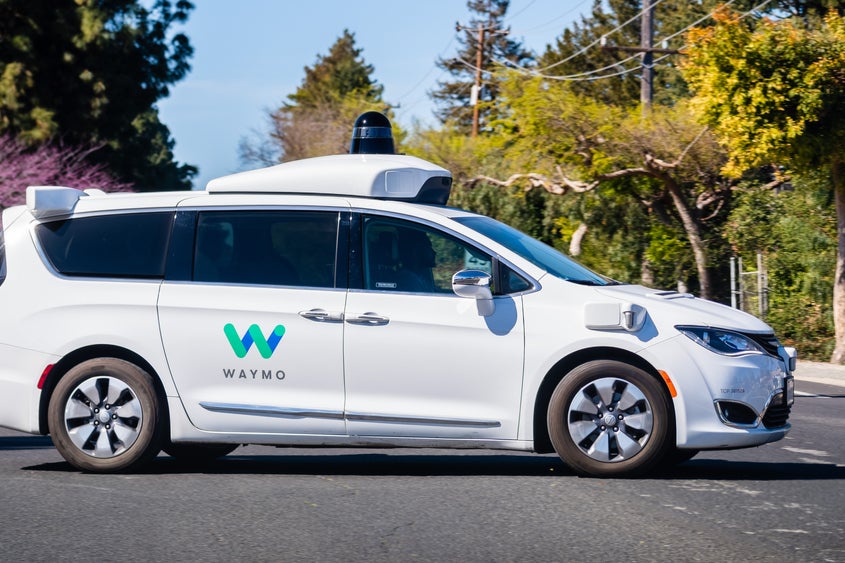
Tech Workers Demand Limits on Military Collaboration


- Employee Solidarity: Nearly 900 tech workers from Google and OpenAI signed an open letter demanding clear limits on military collaboration in response to U.S. strikes on Iran and sanctions against Anthropic, indicating rising discontent within the industry regarding government military partnerships.
- Support for Anthropic: Hundreds of tech workers signed another letter urging the Department of Defense to withdraw its 'supply chain risk' designation against Anthropic, emphasizing that American tech companies should not face retaliation for refusing government demands, reflecting strong opposition to governmental overreach.
- Google's Military Negotiations: Google is reportedly in talks with the Pentagon to deploy its AI model Gemini onto classified systems, raising employee concerns about the company's military collaborations, especially following past internal protests against similar projects, highlighting a growing demand for transparency.
- Historical Lessons and Principles: Google faced significant employee protests in 2018 over Project Maven, leading to the non-renewal of the contract and the establishment of 'AI Principles'; however, recent negotiations have raised questions about the relevance of these principles, particularly concerning human rights and ethical usage.
See More

OpenAI CEO Admits Rushed Deal with Defense Department


- Contract Revision Commitment: OpenAI CEO Sam Altman stated that the company would revise its agreement with the U.S. Department of Defense, particularly to include clauses preventing domestic surveillance, aiming to alleviate public concerns over potential misuse of technology and enhance the company's credibility in government contracts.
- Focus on Technical Safety: Altman emphasized that many technologies are not yet ready to handle complex safety trade-offs, and OpenAI will collaborate with the Pentagon to ensure the safe use of its technologies, demonstrating the company's commitment to responsible technology deployment.
- Market Reaction and Competitive Pressure: Following the deal with the Defense Department, public reactions to OpenAI were mixed, with many users reportedly switching to competitor Anthropic's Claude, reflecting a heightened market concern for transparency in AI technology usage, which could impact OpenAI's market share.
- Support for Competitors: Altman urged on social media for the Defense Department not to designate Anthropic as a supply chain risk, indicating his emphasis on industry collaboration and aiming to maintain stability and growth within the broader AI ecosystem.
See More

Anthropic's AI Model Faces Errors Amid Pentagon Pressure


- Performance Issues: Anthropic's Claude Opus 4.6 model experienced 'elevated errors' on Monday, yet it maintained its position as the most popular free app on Apple's App Store, indicating strong user demand despite technical challenges.
- Fix in Progress: An update at 10:49 AM ET confirmed that the issues with Opus 4.6 were identified and a fix was underway, reflecting the company's commitment to user experience and responsiveness.
- Pentagon Contract Tensions: The $200 million contract with the Pentagon, effective since July, has faced strain as Anthropic refused to comply with government demands regarding the use of its AI models, potentially jeopardizing future business relations.
- Government Ban: President Trump ordered all U.S. government agencies to 'immediately cease' using Anthropic's technology, with the Defense Secretary labeling the company a 'supply-chain risk to national security', which could significantly impact Anthropic's market position and future growth prospects.
See More
Nvidia and Telecom Firms Unite for AI-Driven 6G Networks

- Commitment to 6G Development: Nvidia and several telecom companies have pledged to build 6G networks on AI-native, open, and secure platforms, aiming to transcend traditional connectivity and serve as the foundation for billions of autonomous machines.
- Coalition of Industry Leaders: This initiative includes commitments from Booz Allen, BT Group, Cisco, Deutsche Telekom, Ericsson, MITRE, Nokia, SK Telecom, SoftBank, and T-Mobile, showcasing a unified commitment to open and intelligent 6G infrastructure globally.
- Integrated AI Networks: Nvidia emphasizes that by embedding AI across the radio access network, edge, and core, 6G networks will enable secure integrated sensing and communications, intelligence, and decision-making, addressing increasing demands for security and trust.
- Transformation of Global Telecom: Nvidia's CEO Jensen Huang stated that with the collaboration of global industry leaders, Nvidia is building AI-RAN to transform telecom networks into AI infrastructure everywhere, driving the future of the industry.
See More

Iran Faces Severe Internet Blackout Amid Conflict

- Current Internet Blackout: Iran is experiencing a near-total internet blackout lasting over 48 hours amid ongoing conflict with the U.S. and Israel, with connectivity at just 1% of normal levels, severely impacting over 90 million citizens and highlighting the government's strict control over information flow.
- Historical Context: NetBlocks attributes this blackout to a 'regime-imposed' nationwide shutdown, reminiscent of a similar incident in January that lasted weeks and obscured severe human rights violations, indicating the government's tendency to employ such tactics during public protests to maintain control.
- Cyber Attack Threats: U.S. and Israeli cyberattacks have targeted Iranian internet infrastructure, with multiple government-aligned news websites hacked, and even the popular religious calendar app BadeSaba, with over 5 million downloads, compromised, indicating a psychological warfare strategy against the populace.
- Potential Cyber Retaliation: As Iran retaliates with strikes against U.S. and allied targets, analysts warn that Iranian-aligned groups may initiate cyber attacks, with CrowdStrike's head noting observed activities consistent with Iranian threat actors, suggesting that more aggressive cyber operations may be forthcoming.
See More
OpenAI's Controversial Partnership with the Pentagon
- DoD Partnership Agreement: OpenAI's $200 million contract with the Department of Defense allows its models to be used in non-classified contexts, while the new arrangement enables deployment across classified networks, highlighting the company's significance in government projects.
- Operational Decision Constraints: CEO Sam Altman stated in an all-hands meeting that while the DoD respects OpenAI's technical expertise, operational decisions ultimately rest with the Secretary of Defense, raising employee concerns about the company's direction.
- Competitor Dynamics: Following OpenAI's agreement with the DoD, rival Anthropic was labeled a 'Supply-Chain Risk to National Security' and banned from using its technology, illustrating the intense competition and policy implications within the industry.
- Safety and Collaboration: Altman acknowledged that the partnership with the DoD appeared 'opportunistic and sloppy,' yet emphasized the agency's commitment to safety and willingness to collaborate with OpenAI, indicating potential ethical and security challenges the company may face in the future.
See More
Tech Workers Demand Limits on Military Collaboration
- Employee Solidarity: Nearly 900 tech workers from Google and OpenAI signed an open letter demanding clear limits on military collaboration in response to U.S. strikes on Iran and sanctions against Anthropic, indicating rising discontent within the industry regarding government military partnerships.
- Support for Anthropic: Hundreds of tech workers signed another letter urging the Department of Defense to withdraw its 'supply chain risk' designation against Anthropic, emphasizing that American tech companies should not face retaliation for refusing government demands, reflecting strong opposition to governmental overreach.
- Google's Military Negotiations: Google is reportedly in talks with the Pentagon to deploy its AI model Gemini onto classified systems, raising employee concerns about the company's military collaborations, especially following past internal protests against similar projects, highlighting a growing demand for transparency.
- Historical Lessons and Principles: Google faced significant employee protests in 2018 over Project Maven, leading to the non-renewal of the contract and the establishment of 'AI Principles'; however, recent negotiations have raised questions about the relevance of these principles, particularly concerning human rights and ethical usage.
See More
OpenAI CEO Admits Rushed Deal with Defense Department
- Contract Revision Commitment: OpenAI CEO Sam Altman stated that the company would revise its agreement with the U.S. Department of Defense, particularly to include clauses preventing domestic surveillance, aiming to alleviate public concerns over potential misuse of technology and enhance the company's credibility in government contracts.
- Focus on Technical Safety: Altman emphasized that many technologies are not yet ready to handle complex safety trade-offs, and OpenAI will collaborate with the Pentagon to ensure the safe use of its technologies, demonstrating the company's commitment to responsible technology deployment.
- Market Reaction and Competitive Pressure: Following the deal with the Defense Department, public reactions to OpenAI were mixed, with many users reportedly switching to competitor Anthropic's Claude, reflecting a heightened market concern for transparency in AI technology usage, which could impact OpenAI's market share.
- Support for Competitors: Altman urged on social media for the Defense Department not to designate Anthropic as a supply chain risk, indicating his emphasis on industry collaboration and aiming to maintain stability and growth within the broader AI ecosystem.
See More
Anthropic's AI Model Faces Errors Amid Pentagon Pressure
- Performance Issues: Anthropic's Claude Opus 4.6 model experienced 'elevated errors' on Monday, yet it maintained its position as the most popular free app on Apple's App Store, indicating strong user demand despite technical challenges.
- Fix in Progress: An update at 10:49 AM ET confirmed that the issues with Opus 4.6 were identified and a fix was underway, reflecting the company's commitment to user experience and responsiveness.
- Pentagon Contract Tensions: The $200 million contract with the Pentagon, effective since July, has faced strain as Anthropic refused to comply with government demands regarding the use of its AI models, potentially jeopardizing future business relations.
- Government Ban: President Trump ordered all U.S. government agencies to 'immediately cease' using Anthropic's technology, with the Defense Secretary labeling the company a 'supply-chain risk to national security', which could significantly impact Anthropic's market position and future growth prospects.
See More
Nvidia and Telecom Firms Unite for AI-Driven 6G Networks
- Commitment to 6G Development: Nvidia and several telecom companies have pledged to build 6G networks on AI-native, open, and secure platforms, aiming to transcend traditional connectivity and serve as the foundation for billions of autonomous machines.
- Coalition of Industry Leaders: This initiative includes commitments from Booz Allen, BT Group, Cisco, Deutsche Telekom, Ericsson, MITRE, Nokia, SK Telecom, SoftBank, and T-Mobile, showcasing a unified commitment to open and intelligent 6G infrastructure globally.
- Integrated AI Networks: Nvidia emphasizes that by embedding AI across the radio access network, edge, and core, 6G networks will enable secure integrated sensing and communications, intelligence, and decision-making, addressing increasing demands for security and trust.
- Transformation of Global Telecom: Nvidia's CEO Jensen Huang stated that with the collaboration of global industry leaders, Nvidia is building AI-RAN to transform telecom networks into AI infrastructure everywhere, driving the future of the industry.
See More
Iran Faces Severe Internet Blackout Amid Conflict
- Current Internet Blackout: Iran is experiencing a near-total internet blackout lasting over 48 hours amid ongoing conflict with the U.S. and Israel, with connectivity at just 1% of normal levels, severely impacting over 90 million citizens and highlighting the government's strict control over information flow.
- Historical Context: NetBlocks attributes this blackout to a 'regime-imposed' nationwide shutdown, reminiscent of a similar incident in January that lasted weeks and obscured severe human rights violations, indicating the government's tendency to employ such tactics during public protests to maintain control.
- Cyber Attack Threats: U.S. and Israeli cyberattacks have targeted Iranian internet infrastructure, with multiple government-aligned news websites hacked, and even the popular religious calendar app BadeSaba, with over 5 million downloads, compromised, indicating a psychological warfare strategy against the populace.
- Potential Cyber Retaliation: As Iran retaliates with strikes against U.S. and allied targets, analysts warn that Iranian-aligned groups may initiate cyber attacks, with CrowdStrike's head noting observed activities consistent with Iranian threat actors, suggesting that more aggressive cyber operations may be forthcoming.
See More