Rockwell Automation Deepens Collaboration with Lucid Group to Support Saudi Arabia's First Vehicle Manufacturing Plant
Written by Emily J. Thompson, Senior Investment Analyst
Updated: Jan 21 2026
0mins


Source: Benzinga
- Strategic Collaboration: Rockwell Automation has deepened its collaboration with Lucid Group to support Saudi Arabia's first vehicle manufacturing plant, marking a significant milestone in the Kingdom's industrial development under Vision 2030.
- Production Efficiency Enhancement: Lucid will implement Rockwell's FactoryTalk manufacturing execution system (MES) to optimize production processes, ensuring real-time visibility and traceability, thereby enhancing operational efficiency and quality.
- Local Training Initiative: Rockwell will provide local training programs in Saudi Arabia aimed at developing domestic talent in electric vehicle manufacturing, supporting long-term industrial growth and enhancing local manufacturing capabilities.
- Technological Innovation Application: Lucid has also announced a partnership with Trimble to supply advanced positioning technology for its upcoming Gravity electric SUV, improving navigation and driver assistance reliability, with implementation expected in January 2026 for new models.
Trade with 70% Backtested Accuracy
Stop guessing "Should I Buy LCID?" and start using high-conviction signals backed by rigorous historical data.
Sign up today to access powerful investing tools and make smarter, data-driven decisions.
Analyst Views on LCID
Wall Street analysts forecast LCID stock price to rise
6 Analyst Rating
1 Buy
4 Hold
1 Sell
Hold
Current: 10.000

Low
10.00
Averages
17.00
High
30.00
Current: 10.000
Low
10.00
Averages
17.00
High
30.00
About LCID
Lucid Group, Inc. is a technology company, which designs, engineers, and manufactures electric vehicles (EVs), EV powertrains, and battery systems in-house using its own equipment and factories. It sells vehicles directly to consumers through its retail sales network and through direct online sales. Its vehicles include Lucid Air and Lucid Gravity. Lucid Air is an advanced car, featuring powertrain technology. It offers 420 miles of the United States Environmental Protection Agency (EPA)-estimated range, with an 84-kWh battery pack. The Lucid Air Sapphire is the highest-performance version of the Lucid Air, boasting 1,234 horsepower from three motors, 427 miles of an EPA-estimated range (when equipped with standard wheel covers). The Lucid Gravity provides the interior space and practicality of a full-size SUV within the exterior footprint of a mid-size SUV. It provides space for up to seven adults. It has engineered the Lucid Gravity to deliver up to 450 miles of EPA-estimated range.
About the author

Emily J. Thompson
Emily J. Thompson, a Chartered Financial Analyst (CFA) with 12 years in investment research, graduated with honors from the Wharton School. Specializing in industrial and technology stocks, she provides in-depth analysis for Intellectia’s earnings and market brief reports.

Lucid Faces 2026 Challenges Amid Stock Decline
- Significant Stock Decline: Lucid's stock has fallen approximately 40% since November, primarily due to the departure of executive Eric Bach and concerns regarding the company's future profitability, which has led to a decline in investor confidence and exacerbated the stock's downturn.
- Executive Stock Sales: Eric Bach sold $2.8 million and nearly $1.2 million worth of Lucid stock in the months following his departure, which may reflect a pessimistic outlook on the company's future and raises questions about corporate governance and executive confidence.
- Shareholder Dilution Risk: Since its IPO, Lucid has increased its total shares outstanding by about 90%, while its stock price has plummeted nearly 90%, creating a severe risk of shareholder dilution in future financing efforts, potentially diminishing the value of ordinary shareholders' stakes.
- Bleak Profit Outlook: Despite an expected 80% sales growth in 2026, analysts anticipate significant losses for Lucid, lacking the necessary capital and stock price to support scaling, placing the company at a disadvantage in the highly competitive electric vehicle market.
See More

Investors Flock to Stock Split Trends Amid AI Hype


- Stock Split Attraction: Amid the AI hype, investors are increasingly gravitating towards stock splits, particularly forward splits, as they make shares more affordable, thereby attracting more retail investors to participate.
- Booking Holdings Forward Split: Booking Holdings announced a historic 25-for-1 forward split, reducing its share price from $4,250.26 to approximately $170, significantly enhancing retail investor participation and supporting the company's ongoing growth in the travel market.
- Lucid Group Reverse Split: Lucid Group completed a 1-for-10 reverse split, which raised its share price from nearly $2 to almost $20, yet failed to improve its operational performance, facing ongoing financial pressures and declining market demand.
- Market Performance Discrepancy: Companies that execute forward splits typically outperform the S&P 500 in the 12 months following the split, while Lucid's reverse split has not attracted investors, reflecting a pessimistic outlook on its future prospects.
See More

Booking Holdings Announces 25-for-1 Stock Split Amid Market Trends
- Stock Split Announcement: Booking Holdings has approved a historic 25-for-1 stock split, reducing its share price from $4,250.26 to approximately $170, which is expected to enhance retail investor participation and improve market liquidity.
- Market Performance Insight: Despite economic fluctuations, Booking's strong performance in European and Asian markets has allowed it to maintain high-single-digit to low-double-digit sales growth, demonstrating its competitive edge and solid market share in the global travel sector.
- Technological Innovation Strategy: The company is leveraging generative AI for personalized travel recommendations and is encouraging customers to bundle hotels, car rentals, and attractions through its Connected Trip strategy, aiming to expand market share and enhance customer experience.
- Attractive Valuation: Following a nearly 30% pullback, Booking's valuation has become more appealing, with its forecasted P/E ratio for 2027 expected to be below 14 times, representing a 41% discount to its average P/E ratio over the past five years, attracting investor interest.
See More

Polymarket May Go Public in 2026 Amid Prediction Market Boom


- Prediction Market Surge: With prediction markets currently in high demand, Polymarket is contemplating an IPO in 2026 to capitalize on this trend, which could significantly enhance its funding and market presence if successful.
- Intensifying Competition: Companies like DraftKings and Robinhood are also expanding into prediction markets, indicating a growing competitive landscape, which necessitates Polymarket to carve out a unique position to maintain its competitive edge.
- Investor Caution: Despite the promising outlook for prediction markets, historical examples like Rivian and Lucid show that many companies experience significant stock price declines post-IPO, prompting investors to carefully weigh the potential risks and rewards of investing in Polymarket.
- Market Opportunity Window: Should Polymarket proceed with an IPO in 2026, it must act swiftly to avoid missing the current market enthusiasm; however, investors may prefer to wait until the hype subsides before considering an investment to mitigate risks.
See More
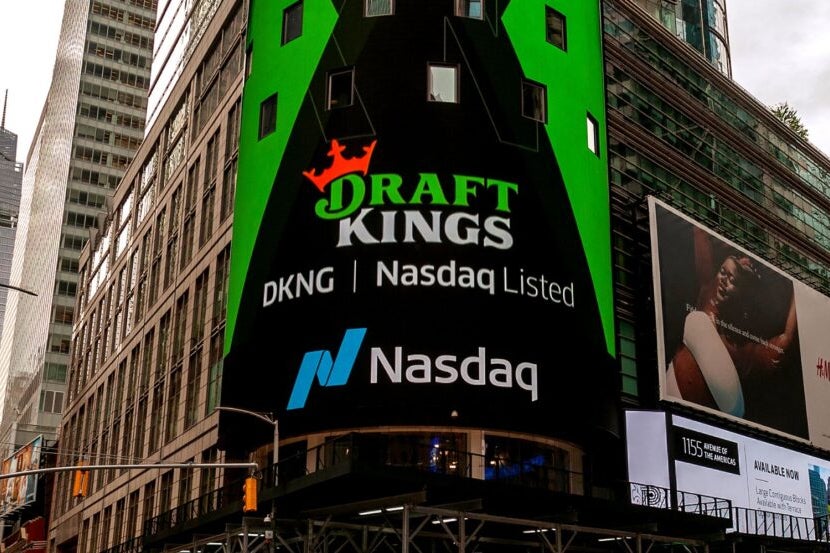
DraftKings Expands Sports Betting to Prediction Markets
- Market Heat Rising: DraftKings is expanding its sports betting business to include prediction markets, reflecting the growing investment enthusiasm in this sector, which could attract more users and enhance the company's market share and revenue potential.
- Robinhood's New Offering: Discount broker Robinhood is now offering prediction markets to its customers, a move that not only diversifies its product line but may also attract more young investors, thereby strengthening its competitive position in the fintech space.
- Polymarket IPO Outlook: The privately held Polymarket is expected to consider an IPO in 2026, and given the current heat in prediction markets, a timely listing could help it secure funding and boost market visibility; however, missing this opportunity could expose it to declining market interest.
- Investor Caution Advised: Despite the allure of prediction markets, historical trends indicate that many companies go public before they are truly ready, leading to stock price declines, thus investors should carefully evaluate Polymarket's potential IPO to avoid being misled by market hype.
See More

US-Israel-Iran Conflict Disrupts Global Markets
- Market Turmoil: The escalating military conflict among the US, Israel, and Iran has led to significant disruptions across global financial markets, adversely affecting equities, commodities, currencies, and safe-haven assets, resulting in a severe blow to investor sentiment.
- Stock Downgrades: JP Morgan's trading desk has categorized consumer, airline, and cruise line stocks as 'conflict laggards', with Lucid Group (LCID) and Duolingo (DUOL) receiving the lowest Quant Ratings of 1.04, indicating a lack of confidence in these companies from the market.
- Sector Impact: The conflict has led to dismal stock ratings across various sectors, with Sweetgreen (SG) and Bright Horizons Family Solutions (BFAM) following closely behind with ratings of 1.18 and 1.25 respectively, reflecting a pessimistic outlook for the consumer and education services industries amid the turmoil.
- Quant Rating System: Seeking Alpha's Quant Ratings system evaluates stocks based on critical metrics such as valuation, growth, stock momentum, and profitability, assigning ratings on a scale from 1 to 5, where ratings above 3.5 are considered bullish and those below 2.5 bearish, resulting in a significant number of low ratings in the current market environment.
See More
Lucid Faces 2026 Challenges Amid Stock Decline
- Significant Stock Decline: Lucid's stock has fallen approximately 40% since November, primarily due to the departure of executive Eric Bach and concerns regarding the company's future profitability, which has led to a decline in investor confidence and exacerbated the stock's downturn.
- Executive Stock Sales: Eric Bach sold $2.8 million and nearly $1.2 million worth of Lucid stock in the months following his departure, which may reflect a pessimistic outlook on the company's future and raises questions about corporate governance and executive confidence.
- Shareholder Dilution Risk: Since its IPO, Lucid has increased its total shares outstanding by about 90%, while its stock price has plummeted nearly 90%, creating a severe risk of shareholder dilution in future financing efforts, potentially diminishing the value of ordinary shareholders' stakes.
- Bleak Profit Outlook: Despite an expected 80% sales growth in 2026, analysts anticipate significant losses for Lucid, lacking the necessary capital and stock price to support scaling, placing the company at a disadvantage in the highly competitive electric vehicle market.
See More
Investors Flock to Stock Split Trends Amid AI Hype
- Stock Split Attraction: Amid the AI hype, investors are increasingly gravitating towards stock splits, particularly forward splits, as they make shares more affordable, thereby attracting more retail investors to participate.
- Booking Holdings Forward Split: Booking Holdings announced a historic 25-for-1 forward split, reducing its share price from $4,250.26 to approximately $170, significantly enhancing retail investor participation and supporting the company's ongoing growth in the travel market.
- Lucid Group Reverse Split: Lucid Group completed a 1-for-10 reverse split, which raised its share price from nearly $2 to almost $20, yet failed to improve its operational performance, facing ongoing financial pressures and declining market demand.
- Market Performance Discrepancy: Companies that execute forward splits typically outperform the S&P 500 in the 12 months following the split, while Lucid's reverse split has not attracted investors, reflecting a pessimistic outlook on its future prospects.
See More
Booking Holdings Announces 25-for-1 Stock Split Amid Market Trends
- Stock Split Announcement: Booking Holdings has approved a historic 25-for-1 stock split, reducing its share price from $4,250.26 to approximately $170, which is expected to enhance retail investor participation and improve market liquidity.
- Market Performance Insight: Despite economic fluctuations, Booking's strong performance in European and Asian markets has allowed it to maintain high-single-digit to low-double-digit sales growth, demonstrating its competitive edge and solid market share in the global travel sector.
- Technological Innovation Strategy: The company is leveraging generative AI for personalized travel recommendations and is encouraging customers to bundle hotels, car rentals, and attractions through its Connected Trip strategy, aiming to expand market share and enhance customer experience.
- Attractive Valuation: Following a nearly 30% pullback, Booking's valuation has become more appealing, with its forecasted P/E ratio for 2027 expected to be below 14 times, representing a 41% discount to its average P/E ratio over the past five years, attracting investor interest.
See More
Polymarket May Go Public in 2026 Amid Prediction Market Boom
- Prediction Market Surge: With prediction markets currently in high demand, Polymarket is contemplating an IPO in 2026 to capitalize on this trend, which could significantly enhance its funding and market presence if successful.
- Intensifying Competition: Companies like DraftKings and Robinhood are also expanding into prediction markets, indicating a growing competitive landscape, which necessitates Polymarket to carve out a unique position to maintain its competitive edge.
- Investor Caution: Despite the promising outlook for prediction markets, historical examples like Rivian and Lucid show that many companies experience significant stock price declines post-IPO, prompting investors to carefully weigh the potential risks and rewards of investing in Polymarket.
- Market Opportunity Window: Should Polymarket proceed with an IPO in 2026, it must act swiftly to avoid missing the current market enthusiasm; however, investors may prefer to wait until the hype subsides before considering an investment to mitigate risks.
See More
DraftKings Expands Sports Betting to Prediction Markets
- Market Heat Rising: DraftKings is expanding its sports betting business to include prediction markets, reflecting the growing investment enthusiasm in this sector, which could attract more users and enhance the company's market share and revenue potential.
- Robinhood's New Offering: Discount broker Robinhood is now offering prediction markets to its customers, a move that not only diversifies its product line but may also attract more young investors, thereby strengthening its competitive position in the fintech space.
- Polymarket IPO Outlook: The privately held Polymarket is expected to consider an IPO in 2026, and given the current heat in prediction markets, a timely listing could help it secure funding and boost market visibility; however, missing this opportunity could expose it to declining market interest.
- Investor Caution Advised: Despite the allure of prediction markets, historical trends indicate that many companies go public before they are truly ready, leading to stock price declines, thus investors should carefully evaluate Polymarket's potential IPO to avoid being misled by market hype.
See More
US-Israel-Iran Conflict Disrupts Global Markets
- Market Turmoil: The escalating military conflict among the US, Israel, and Iran has led to significant disruptions across global financial markets, adversely affecting equities, commodities, currencies, and safe-haven assets, resulting in a severe blow to investor sentiment.
- Stock Downgrades: JP Morgan's trading desk has categorized consumer, airline, and cruise line stocks as 'conflict laggards', with Lucid Group (LCID) and Duolingo (DUOL) receiving the lowest Quant Ratings of 1.04, indicating a lack of confidence in these companies from the market.
- Sector Impact: The conflict has led to dismal stock ratings across various sectors, with Sweetgreen (SG) and Bright Horizons Family Solutions (BFAM) following closely behind with ratings of 1.18 and 1.25 respectively, reflecting a pessimistic outlook for the consumer and education services industries amid the turmoil.
- Quant Rating System: Seeking Alpha's Quant Ratings system evaluates stocks based on critical metrics such as valuation, growth, stock momentum, and profitability, assigning ratings on a scale from 1 to 5, where ratings above 3.5 are considered bullish and those below 2.5 bearish, resulting in a significant number of low ratings in the current market environment.
See More