Rocket Lab Test Failure and IPO Market Outlook


- Rocket Lab Test Failure: Rocket Lab experienced a rupture in a stage one testing tank for its neutron rocket, which has not yet entered commercial operation, while its electron rocket successfully launched two satellites in 2026; however, this failure led to a 5% drop in shares, indicating investor anxiety regarding new product development.
- IPO Market Outlook: With SpaceX reportedly preparing for an IPO in 2026, there is a surge in investor interest in AI and space sectors, with major companies like OpenAI and Anthropic potentially going public, suggesting that 2026 could be a highly active year for IPOs.
- Investor Sentiment Analysis: Analysts suggest that the current IPO frenzy may stem from companies rushing to go public before capital runs out rather than fearing a bubble burst, especially given the favorable macroeconomic conditions of cooling inflation and declining interest rates that enhance IPO valuations.
- Intensifying Market Competition: While Rocket Lab has shown strong performance in the space launch market, increasing competition raises investor caution regarding its future, particularly due to frequent delays and technical challenges encountered during new product development.
Trade with 70% Backtested Accuracy
Analyst Views on RKLB

About RKLB
About the author

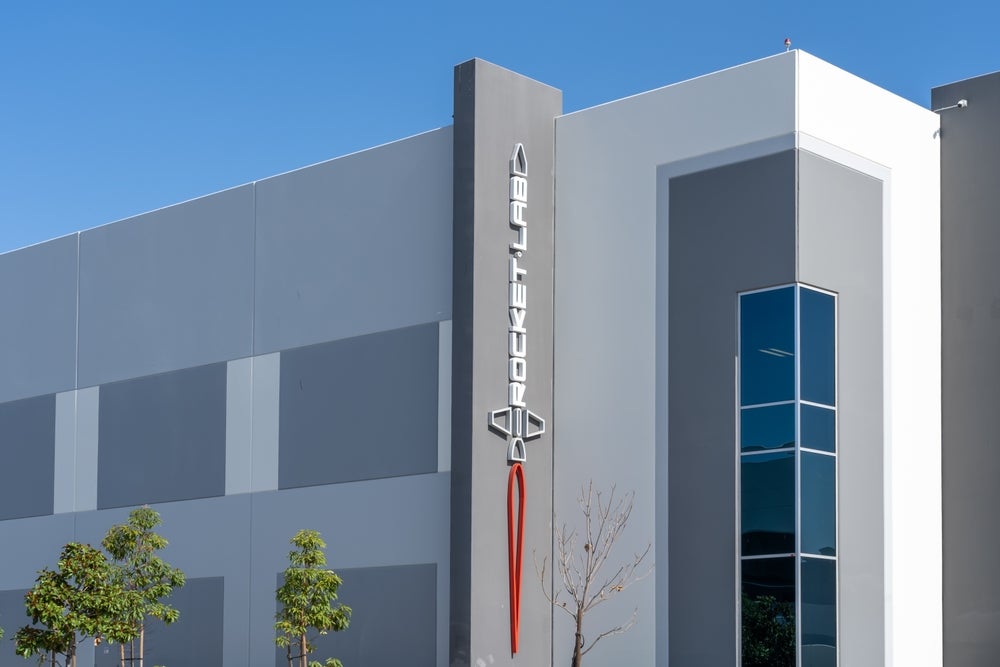
Rocket Lab Delays Neutron Rocket Launch Amid Earnings Beat
- Earnings Beat: Rocket Lab reported fourth-quarter revenue of $179.65 million, exceeding the consensus estimate of $178.47 million, while posting a narrower loss of nine cents per share compared to the expected ten-cent loss, indicating resilience in revenue growth despite challenges.
- Neutron Rocket Delay: The first launch of the Neutron rocket has been postponed to the fourth quarter of fiscal 2026 due to a Stage 1 tank rupture caused by a third-party manufacturing defect, a significant setback that negatively impacted investor sentiment, although management downplayed any material financial implications.
- Successful Hypersonic Test: Rocket Lab successfully launched its latest hypersonic test mission, marking its second such mission in three months, further solidifying its leadership in hypersonic technology and supporting advancements for the U.S. and its allies.
- Stock Technical Analysis: The stock is currently trading 2.5% below its 20-day simple moving average and 5.0% below its 100-day moving average, indicating short-term weakness, although shares have significantly increased over the past 12 months, positioning closer to their 52-week highs, suggesting a positive long-term trend.
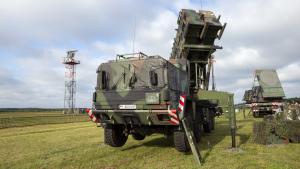
Drone Stocks Surge Amid Middle East Tensions
- Mixed Market Performance: In early morning trading on Monday, drone stocks exhibited mixed results, with AeroVironment (AVAV) surging 13% and Kratos Defense (KTOS) rising 10%, while Rocket Lab (RKLB) slipped 3.2%, indicating varied market reactions to defense demand.
- Surge in Demand: The escalating geopolitical tensions in the Middle East have heightened investor interest in military and surveillance technologies, driving stock gains for companies like AeroVironment and Kratos Defense, suggesting an anticipated increase in future defense spending.
- Impact of Financing Plans: Kratos Defense & Security Solutions is seeking to raise $1 billion through a share sale, and as government defense spending ramps up, the company's stock price has also risen, reflecting market confidence in its growth prospects.
- Industry Volatility: While Red Cat Holdings (RCAT) gained 6.3%, Sidus Space (SIDU) fell 4.6%, highlighting the high volatility within the drone sector amid the current geopolitical climate.

Nvidia Reports Strong Earnings but Shares Decline

- Earnings Beat: Nvidia's fourth-quarter results surpassed revenue and profit expectations, indicating sustained demand for its AI compute platforms; however, the stock price sharply declined, reflecting investor skepticism about the sustainability of high expectations.
- Cautious Market Reaction: Despite Nvidia's strong performance, Wall Street's muted response highlights a shift in focus from headline earnings to deeper concerns regarding long-term growth, capital returns, and competitive dynamics in the AI sector.
- Increased Competitive Pressure: As rival AI hardware efforts gain traction, investors are increasingly concerned about future spending patterns and competition from alternative AI chip designs, which has pressured broader technology stocks and underscored the fragility of the AI-led market rally.
- Significant Industry Impact: Nvidia's pullback not only affected its own stock but also weighed heavily on the semiconductor sector, contributing to sluggish performance among major tech benchmarks late in the week, indicating a waning confidence in AI-related stocks.
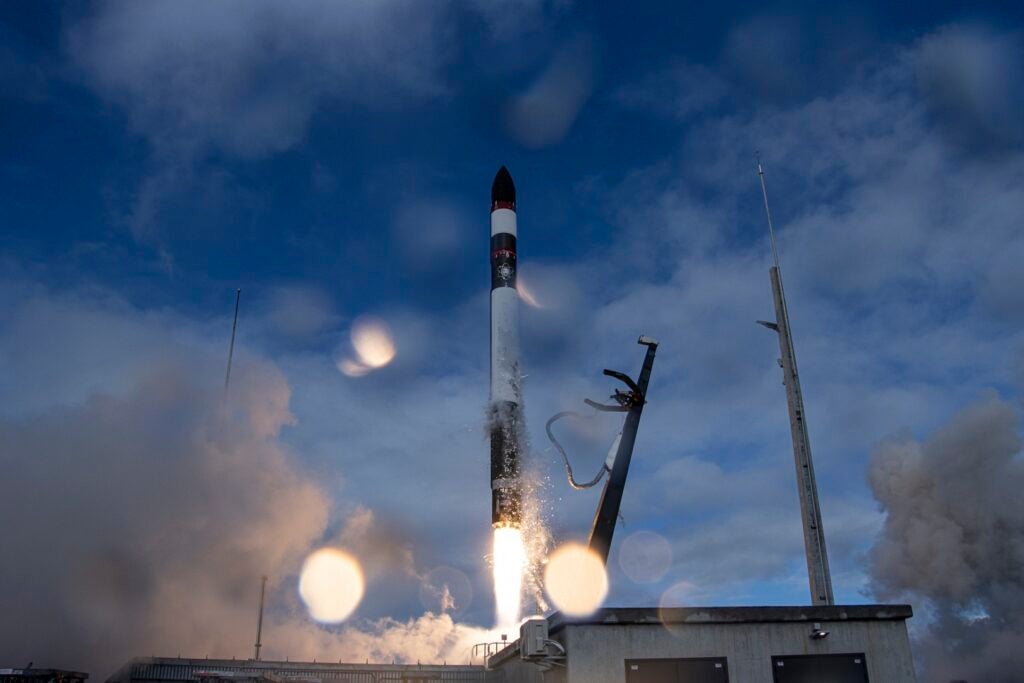
Rocket Lab Successfully Launches Hypersonic Test Mission for U.S. Defense
- Successful Hypersonic Test: Rocket Lab successfully launched its HASTE rocket on February 27, 2026, supporting the U.S. Defense Innovation Unit's hypersonic technology development, marking the company's leadership in hypersonic testing.
- Operational Efficiency: This launch represents the seventh HASTE mission and the second successful hypersonic test in three months, showcasing Rocket Lab's advantages in rapid and reliable launch capabilities.
- Technical Validation Milestone: The successful flight of the DART AE vehicle in a real hypersonic environment validates years of engineering preparation by Hypersonix, advancing the development of reusable hypersonic capabilities with significant strategic implications.
- Market Leadership Consolidation: With three launches completed in 2026 and a 100% mission success rate, Rocket Lab further solidifies its global leadership in the small-lift launch market, enhancing its competitiveness in both government and commercial missions.

US Stocks Decline on Friday, Bank Stocks Plummet


- Market Decline: The S&P 500 index closed down 0.43% on Friday, with the Dow Jones Industrial Average falling 1.05% and the Nasdaq 100 down 0.30%, reflecting heightened investor concerns over the disruptive potential of AI, which has negatively impacted market confidence.
- Bank Stocks Plummet: The collapse of UK private lender Market Financial Solutions Ltd raised fears of rising defaults, leading to significant declines in bank stocks, with Morgan Stanley and Goldman Sachs both down over 7%, indicating instability within the financial sector.
- Economic Data Impact: The US January PPI rose 0.5% month-over-month, exceeding expectations of 0.3%, while the Chicago PMI unexpectedly increased to 57.7, demonstrating economic resilience, although market speculation regarding Fed rate cuts was dampened.
- Rising Oil Prices Pressure: WTI crude oil prices surged over 2% to a 7-month high due to President Trump's pessimistic remarks on Iranian nuclear negotiations, exacerbating geopolitical risks that could further impact airline profits, leading to declines in related stocks.
RKLB Reports Record Performance, Yet Neutron Delay Affects Stock Prices
Strong Q4 Earnings Report: Rocket Lab reported strong Q4 2025 earnings, achieving record revenue of $180 million, a 36% increase year-over-year, and maintaining a 100% mission success rate throughout the year.
Stock Market Reaction: Despite the positive earnings report, Rocket Lab's stock opened lower, dropping nearly 6%, likely due to investor concerns over the delayed Neutron maiden flight and the execution of future growth plans.
Backlog and Future Growth: The company’s backlog climbed to $1.85 billion, with expectations that approximately 37% of this backlog will convert to revenue within the next 12 months, indicating strong future growth potential.
Strategic Acquisitions and Integration: Rocket Lab continues to expand its vertically integrated model through strategic acquisitions, including a new Precision Machining Complex, enhancing its manufacturing capabilities and supporting its space systems offerings.
Rocket Lab Delays Neutron Rocket Launch Amid Earnings Beat
- Earnings Beat: Rocket Lab reported fourth-quarter revenue of $179.65 million, exceeding the consensus estimate of $178.47 million, while posting a narrower loss of nine cents per share compared to the expected ten-cent loss, indicating resilience in revenue growth despite challenges.
- Neutron Rocket Delay: The first launch of the Neutron rocket has been postponed to the fourth quarter of fiscal 2026 due to a Stage 1 tank rupture caused by a third-party manufacturing defect, a significant setback that negatively impacted investor sentiment, although management downplayed any material financial implications.
- Successful Hypersonic Test: Rocket Lab successfully launched its latest hypersonic test mission, marking its second such mission in three months, further solidifying its leadership in hypersonic technology and supporting advancements for the U.S. and its allies.
- Stock Technical Analysis: The stock is currently trading 2.5% below its 20-day simple moving average and 5.0% below its 100-day moving average, indicating short-term weakness, although shares have significantly increased over the past 12 months, positioning closer to their 52-week highs, suggesting a positive long-term trend.
Drone Stocks Surge Amid Middle East Tensions
- Mixed Market Performance: In early morning trading on Monday, drone stocks exhibited mixed results, with AeroVironment (AVAV) surging 13% and Kratos Defense (KTOS) rising 10%, while Rocket Lab (RKLB) slipped 3.2%, indicating varied market reactions to defense demand.
- Surge in Demand: The escalating geopolitical tensions in the Middle East have heightened investor interest in military and surveillance technologies, driving stock gains for companies like AeroVironment and Kratos Defense, suggesting an anticipated increase in future defense spending.
- Impact of Financing Plans: Kratos Defense & Security Solutions is seeking to raise $1 billion through a share sale, and as government defense spending ramps up, the company's stock price has also risen, reflecting market confidence in its growth prospects.
- Industry Volatility: While Red Cat Holdings (RCAT) gained 6.3%, Sidus Space (SIDU) fell 4.6%, highlighting the high volatility within the drone sector amid the current geopolitical climate.
Nvidia Reports Strong Earnings but Shares Decline
- Earnings Beat: Nvidia's fourth-quarter results surpassed revenue and profit expectations, indicating sustained demand for its AI compute platforms; however, the stock price sharply declined, reflecting investor skepticism about the sustainability of high expectations.
- Cautious Market Reaction: Despite Nvidia's strong performance, Wall Street's muted response highlights a shift in focus from headline earnings to deeper concerns regarding long-term growth, capital returns, and competitive dynamics in the AI sector.
- Increased Competitive Pressure: As rival AI hardware efforts gain traction, investors are increasingly concerned about future spending patterns and competition from alternative AI chip designs, which has pressured broader technology stocks and underscored the fragility of the AI-led market rally.
- Significant Industry Impact: Nvidia's pullback not only affected its own stock but also weighed heavily on the semiconductor sector, contributing to sluggish performance among major tech benchmarks late in the week, indicating a waning confidence in AI-related stocks.
Rocket Lab Successfully Launches Hypersonic Test Mission for U.S. Defense
- Successful Hypersonic Test: Rocket Lab successfully launched its HASTE rocket on February 27, 2026, supporting the U.S. Defense Innovation Unit's hypersonic technology development, marking the company's leadership in hypersonic testing.
- Operational Efficiency: This launch represents the seventh HASTE mission and the second successful hypersonic test in three months, showcasing Rocket Lab's advantages in rapid and reliable launch capabilities.
- Technical Validation Milestone: The successful flight of the DART AE vehicle in a real hypersonic environment validates years of engineering preparation by Hypersonix, advancing the development of reusable hypersonic capabilities with significant strategic implications.
- Market Leadership Consolidation: With three launches completed in 2026 and a 100% mission success rate, Rocket Lab further solidifies its global leadership in the small-lift launch market, enhancing its competitiveness in both government and commercial missions.
US Stocks Decline on Friday, Bank Stocks Plummet
- Market Decline: The S&P 500 index closed down 0.43% on Friday, with the Dow Jones Industrial Average falling 1.05% and the Nasdaq 100 down 0.30%, reflecting heightened investor concerns over the disruptive potential of AI, which has negatively impacted market confidence.
- Bank Stocks Plummet: The collapse of UK private lender Market Financial Solutions Ltd raised fears of rising defaults, leading to significant declines in bank stocks, with Morgan Stanley and Goldman Sachs both down over 7%, indicating instability within the financial sector.
- Economic Data Impact: The US January PPI rose 0.5% month-over-month, exceeding expectations of 0.3%, while the Chicago PMI unexpectedly increased to 57.7, demonstrating economic resilience, although market speculation regarding Fed rate cuts was dampened.
- Rising Oil Prices Pressure: WTI crude oil prices surged over 2% to a 7-month high due to President Trump's pessimistic remarks on Iranian nuclear negotiations, exacerbating geopolitical risks that could further impact airline profits, leading to declines in related stocks.
RKLB Reports Record Performance, Yet Neutron Delay Affects Stock Prices
Strong Q4 Earnings Report: Rocket Lab reported strong Q4 2025 earnings, achieving record revenue of $180 million, a 36% increase year-over-year, and maintaining a 100% mission success rate throughout the year.
Stock Market Reaction: Despite the positive earnings report, Rocket Lab's stock opened lower, dropping nearly 6%, likely due to investor concerns over the delayed Neutron maiden flight and the execution of future growth plans.
Backlog and Future Growth: The company’s backlog climbed to $1.85 billion, with expectations that approximately 37% of this backlog will convert to revenue within the next 12 months, indicating strong future growth potential.
Strategic Acquisitions and Integration: Rocket Lab continues to expand its vertically integrated model through strategic acquisitions, including a new Precision Machining Complex, enhancing its manufacturing capabilities and supporting its space systems offerings.