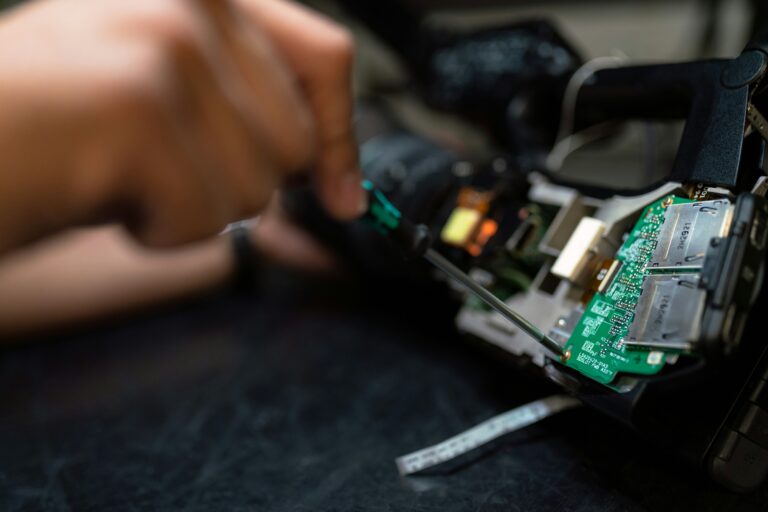
Rising Memory Chip Prices Challenge Tech Industry Profitability
Written by Emily J. Thompson, Senior Investment Analyst
Updated: 2 days ago
0mins
Should l Buy HPQ?
Source: seekingalpha
- Memory Cost Pressure: HP has warned that surging memory chip prices will likely push its full-year 2026 earnings toward the low end of its previously forecast range, despite beating recent revenue and profit estimates, indicating a significant impact on profit margins across the tech sector.
- Smartphone Market Strain: According to GF Securities, rising prices for NAND flash and LPDDR have increased memory's share of a smartphone's bill of materials from 10%-20% to 20%-30%, exacerbating cost pressures in a market already facing soft demand.
- AI Demand Driving Tightness: Nvidia, a major buyer of advanced HBM for AI accelerators, is shifting industry capacity toward high-margin enterprise-grade memory, leading to a squeeze on conventional DRAM supply; IDC expects these memory supply challenges to persist into 2027, amplifying market tightness.
- Samsung Price Negotiations: Samsung Electronics has warned that memory shortages will keep prices elevated industry-wide in 2026, with recent reports indicating that it is negotiating prices for its latest AI-focused memory chips at up to 30% above the previous generation, reflecting strong demand for high-end memory.
Trade with 70% Backtested Accuracy
Stop guessing "Should I Buy HPQ?" and start using high-conviction signals backed by rigorous historical data.
Sign up today to access powerful investing tools and make smarter, data-driven decisions.
Analyst Views on HPQ
Wall Street analysts forecast HPQ stock price to rise
14 Analyst Rating
1 Buy
10 Hold
3 Sell
Hold
Current: 18.810

Low
20.00
Averages
25.30
High
30.00
Current: 18.810
Low
20.00
Averages
25.30
High
30.00
About HPQ
HP Inc. is a global provider of sustainable devices, services and subscriptions for personal computing (PC), printing, three-dimensional (3D) printing, hybrid work, gaming and other related technologies. The Company’s segments include Personal Systems, Printing and Corporate Investments. Its Personal Systems segment offers desktops, notebooks, and workstations, thin clients, retail point-of-sale (POS) systems, displays, hybrid systems, software, solutions including endpoint security and services. Its Printing segment provides consumer and commercial printer hardware, supplies, services and solutions. Printing is also focused on graphics and 3D printing and personalization in the commercial and industrial markets. Its Corporate Investments segment includes certain business incubation and investment projects. Its security solutions provide layered resiliency using features such as containment and isolation technology as well as artificial intelligence (AI) deep learning.
About the author

Emily J. Thompson
Emily J. Thompson, a Chartered Financial Analyst (CFA) with 12 years in investment research, graduated with honors from the Wharton School. Specializing in industrial and technology stocks, she provides in-depth analysis for Intellectia’s earnings and market brief reports.
Sen. Mark Kelly Calls for AI Regulations to Protect Families


- AI Regulation Advocacy: Senator Mark Kelly emphasized that artificial intelligence is rapidly transforming the workforce and called for practical regulations to protect families while fostering innovation, highlighting the need for a balance between technological advancement and social responsibility.
- Escalating Trade Tensions: Following the U.S. Supreme Court's ruling against President Trump's emergency tariff authority, trade tensions between Washington and Taipei have intensified, with Trump doubling down on criticism of Taiwan's semiconductor dominance, potentially leading to the swift implementation of new tariffs that could disrupt economic relations.
- Taiwan's Response Strategy: In light of the Supreme Court's decision, Taiwan is quickly moving to preserve recently negotiated trade benefits with the United States, demonstrating its determination to seek stability in an uncertain trade environment and maintain its economic ties.
- Wayve's Successful Funding: British robotaxi startup Wayve announced it has raised $1.5 billion in fresh funding to bolster its global operations, with backing from Microsoft and Nvidia pushing its valuation to $8.6 billion, reflecting strong market confidence in autonomous driving technology.
See More

Funko Shares Surge 25% as Investor Urges Strategic Alternatives


- Stock Surge: Toymaker Funko's shares jumped approximately 25% following Pleasant Lake Partners' urging for the company to explore strategic alternatives, indicating strong market optimism and potential for new growth avenues.
- Strategic Restructuring: Werewolf Therapeutics has hired Piper Sandler to manage a sale process, highlighting the company's proactive approach to cut operating costs by 64% through layoffs, aiming to enhance financial stability amid restructuring efforts.
- Market Dynamics: The surge in Funko's stock price, coupled with strategic recommendations from its investors, may attract further investor interest, potentially boosting its market performance and overall valuation.
- Private Equity Opportunities: In the private equity space, David Altshuler from Cresta Fund Management discussed opportunities in the energy transition market, reflecting investor interest in the potential value of Funko and similar companies.
See More

Dell Shares Set for Record-Breaking Month: Here's Why the Company Remains a Tech Leader.

- Earnings Report Impact: Dell Technologies' stock experienced a surge following the release of its earnings report.
- Investor Sentiment: The company's ability to navigate challenges has generated excitement among investors.
See More
Rising Memory Chip Prices Challenge Tech Industry Profitability


- Memory Cost Pressure: HP has warned that surging memory chip prices will likely push its full-year 2026 earnings toward the low end of its previously forecast range, despite beating recent revenue and profit estimates, indicating a significant impact on profit margins across the tech sector.
- Smartphone Market Strain: According to GF Securities, rising prices for NAND flash and LPDDR have increased memory's share of a smartphone's bill of materials from 10%-20% to 20%-30%, exacerbating cost pressures in a market already facing soft demand.
- AI Demand Driving Tightness: Nvidia, a major buyer of advanced HBM for AI accelerators, is shifting industry capacity toward high-margin enterprise-grade memory, leading to a squeeze on conventional DRAM supply; IDC expects these memory supply challenges to persist into 2027, amplifying market tightness.
- Samsung Price Negotiations: Samsung Electronics has warned that memory shortages will keep prices elevated industry-wide in 2026, with recent reports indicating that it is negotiating prices for its latest AI-focused memory chips at up to 30% above the previous generation, reflecting strong demand for high-end memory.
See More
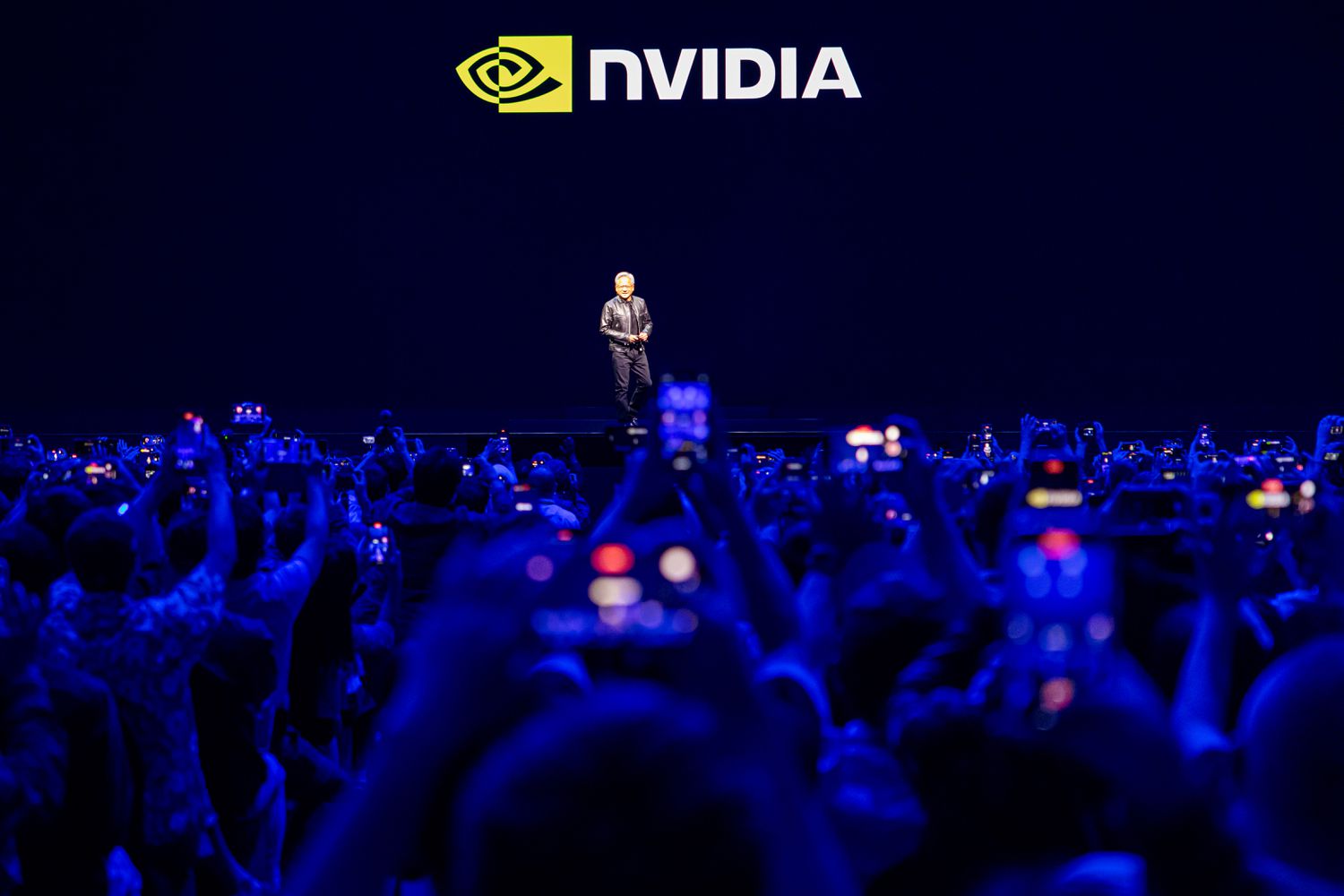
Dell Technologies Reports Strong Quarter, Stock Rises 12%

- Dell's Strong Earnings: Dell Technologies reported a blowout quarter driven by AI buildout, resulting in a 12% stock increase, with AI server revenue expected to double to approximately $50 billion in the new fiscal year, highlighting the company's robust growth potential in the AI sector.
- CoreWeave's Capital Expenditure Surge: CoreWeave plans to invest $30 billion to $35 billion in data center construction for 2026, significantly exceeding the Street's estimate of $26.9 billion, and despite a sharp decline in shares, nearly all new capacity is allocated, indicating strong market demand.
- Block's Workforce Reduction: Jack Dorsey's Block announced a 40% workforce cut, stating that intelligence tools have changed company operations, and despite flat revenues in 2025, Morgan Stanley upgraded its rating from hold to buy, reflecting confidence in its potential growth.
- Zscaler's Underwhelming Performance: Although Zscaler delivered a beat-and-raise quarter, its shares fell 11% in premarket trading, indicating market caution regarding software valuations, as analysts remain skeptical about future profitability in the sector.
See More
PayPal Shares Drop Amid Takeover Chatter

- Takeover Rumors Resurface: PayPal's shares fell as takeover chatter resurfaced, with reports indicating that the company has not engaged in sale negotiations with Stripe or any other suitors, highlighting market uncertainty regarding its future.
- Subpar Earnings Report: On February 3, PayPal reported fourth-quarter earnings of $1.23 per share, missing the analyst consensus estimate of $1.28, which may lead to a decline in investor confidence due to unmet profitability expectations.
- Sales Miss Expectations: The company reported quarterly sales of $8.676 billion, falling short of the $8.801 billion analyst consensus estimate, although this represents a 3.71% year-over-year increase, failing to alleviate concerns about its growth prospects.
- Significant Stock Volatility: As of Thursday, PayPal's shares were down 4.80% at $45.05, reflecting heightened investor concerns about the company's future performance, which could impact its market competitiveness and investment appeal.
See More
Sen. Mark Kelly Calls for AI Regulations to Protect Families
- AI Regulation Advocacy: Senator Mark Kelly emphasized that artificial intelligence is rapidly transforming the workforce and called for practical regulations to protect families while fostering innovation, highlighting the need for a balance between technological advancement and social responsibility.
- Escalating Trade Tensions: Following the U.S. Supreme Court's ruling against President Trump's emergency tariff authority, trade tensions between Washington and Taipei have intensified, with Trump doubling down on criticism of Taiwan's semiconductor dominance, potentially leading to the swift implementation of new tariffs that could disrupt economic relations.
- Taiwan's Response Strategy: In light of the Supreme Court's decision, Taiwan is quickly moving to preserve recently negotiated trade benefits with the United States, demonstrating its determination to seek stability in an uncertain trade environment and maintain its economic ties.
- Wayve's Successful Funding: British robotaxi startup Wayve announced it has raised $1.5 billion in fresh funding to bolster its global operations, with backing from Microsoft and Nvidia pushing its valuation to $8.6 billion, reflecting strong market confidence in autonomous driving technology.
See More
Funko Shares Surge 25% as Investor Urges Strategic Alternatives
- Stock Surge: Toymaker Funko's shares jumped approximately 25% following Pleasant Lake Partners' urging for the company to explore strategic alternatives, indicating strong market optimism and potential for new growth avenues.
- Strategic Restructuring: Werewolf Therapeutics has hired Piper Sandler to manage a sale process, highlighting the company's proactive approach to cut operating costs by 64% through layoffs, aiming to enhance financial stability amid restructuring efforts.
- Market Dynamics: The surge in Funko's stock price, coupled with strategic recommendations from its investors, may attract further investor interest, potentially boosting its market performance and overall valuation.
- Private Equity Opportunities: In the private equity space, David Altshuler from Cresta Fund Management discussed opportunities in the energy transition market, reflecting investor interest in the potential value of Funko and similar companies.
See More
Dell Shares Set for Record-Breaking Month: Here's Why the Company Remains a Tech Leader.
- Earnings Report Impact: Dell Technologies' stock experienced a surge following the release of its earnings report.
- Investor Sentiment: The company's ability to navigate challenges has generated excitement among investors.
See More
Rising Memory Chip Prices Challenge Tech Industry Profitability
- Memory Cost Pressure: HP has warned that surging memory chip prices will likely push its full-year 2026 earnings toward the low end of its previously forecast range, despite beating recent revenue and profit estimates, indicating a significant impact on profit margins across the tech sector.
- Smartphone Market Strain: According to GF Securities, rising prices for NAND flash and LPDDR have increased memory's share of a smartphone's bill of materials from 10%-20% to 20%-30%, exacerbating cost pressures in a market already facing soft demand.
- AI Demand Driving Tightness: Nvidia, a major buyer of advanced HBM for AI accelerators, is shifting industry capacity toward high-margin enterprise-grade memory, leading to a squeeze on conventional DRAM supply; IDC expects these memory supply challenges to persist into 2027, amplifying market tightness.
- Samsung Price Negotiations: Samsung Electronics has warned that memory shortages will keep prices elevated industry-wide in 2026, with recent reports indicating that it is negotiating prices for its latest AI-focused memory chips at up to 30% above the previous generation, reflecting strong demand for high-end memory.
See More
Dell Technologies Reports Strong Quarter, Stock Rises 12%
- Dell's Strong Earnings: Dell Technologies reported a blowout quarter driven by AI buildout, resulting in a 12% stock increase, with AI server revenue expected to double to approximately $50 billion in the new fiscal year, highlighting the company's robust growth potential in the AI sector.
- CoreWeave's Capital Expenditure Surge: CoreWeave plans to invest $30 billion to $35 billion in data center construction for 2026, significantly exceeding the Street's estimate of $26.9 billion, and despite a sharp decline in shares, nearly all new capacity is allocated, indicating strong market demand.
- Block's Workforce Reduction: Jack Dorsey's Block announced a 40% workforce cut, stating that intelligence tools have changed company operations, and despite flat revenues in 2025, Morgan Stanley upgraded its rating from hold to buy, reflecting confidence in its potential growth.
- Zscaler's Underwhelming Performance: Although Zscaler delivered a beat-and-raise quarter, its shares fell 11% in premarket trading, indicating market caution regarding software valuations, as analysts remain skeptical about future profitability in the sector.
See More
PayPal Shares Drop Amid Takeover Chatter
- Takeover Rumors Resurface: PayPal's shares fell as takeover chatter resurfaced, with reports indicating that the company has not engaged in sale negotiations with Stripe or any other suitors, highlighting market uncertainty regarding its future.
- Subpar Earnings Report: On February 3, PayPal reported fourth-quarter earnings of $1.23 per share, missing the analyst consensus estimate of $1.28, which may lead to a decline in investor confidence due to unmet profitability expectations.
- Sales Miss Expectations: The company reported quarterly sales of $8.676 billion, falling short of the $8.801 billion analyst consensus estimate, although this represents a 3.71% year-over-year increase, failing to alleviate concerns about its growth prospects.
- Significant Stock Volatility: As of Thursday, PayPal's shares were down 4.80% at $45.05, reflecting heightened investor concerns about the company's future performance, which could impact its market competitiveness and investment appeal.
See More