

Recent Changes in AI and Competition are Transforming Salesforce's Narrative
Salesforce Fair Value Estimate: The fair value estimate for Salesforce has been slightly reduced from $331 to $327 per share, reflecting a modest adjustment in long-term growth expectations, with a slight increase in revenue growth assumptions from 9.47% to 9.65%.
Analyst Perspectives: Oppenheimer remains bullish on Salesforce, citing potential benefits from AI-driven demand, while Northland downgraded the stock, indicating reduced confidence in its near-term upside, and Needham removed it from its Conviction List in favor of other companies.
Operational Changes: Salesforce will cease direct operations of Slack in China, opting for a partnership with Alibaba due to regulatory challenges, and has taken a firm stance against ransom demands following a recent security incident.
AI Integration Initiatives: The company has launched Missionforce, a unit focused on integrating AI into defense workflows, targeting improvements in personnel management and logistics, while also emphasizing the importance of monitoring competitive risks and evolving market narratives.
Trade with 70% Backtested Accuracy
Analyst Views on CRM

About CRM
About the author


Analysis of Salesforce's Continued Stock Decline

- Poor Stock Performance: Salesforce's stock has fallen 27% this year, nearing a three-year low, despite the company's positioning as a beneficiary of AI, indicating market concerns about its future growth.
- Earnings Beat Expectations: On February 25, Salesforce reported fourth-quarter earnings with revenue of $11.2 billion, a 12% year-over-year increase, slightly exceeding analyst expectations of $11.18 billion, while adjusted earnings per share were $3.81, significantly above the $3.04 expected by Wall Street.
- Future Growth Projections: The company projects a revenue increase of about 10% to 11% for the new fiscal year, which, while decent, appears modest given the context of AI-related opportunities that Salesforce has been promoting.
- Increased Market Competition: Despite strong earnings, there are doubts about whether Salesforce's software will continue to provide sufficient value to retain customers, as AI's rise could intensify competition and threaten demand for Salesforce's offerings.

Global Stock Markets Retreat as Oil Prices Surge


- Market Decline: The S&P 500 index fell by 0.94%, reaching a 3.25-month low, reflecting investor concerns over escalating tensions in Iran, which may impact future investment decisions and market stability.
- Surge in Oil Prices: WTI crude oil prices rose over 4% to an 8.5-month high due to threats from Iran to close the Strait of Hormuz, intensifying fears of energy supply disruptions and potential inflationary pressures in the economy.
- Natural Gas Price Spike: European natural gas prices surged more than 22% to a three-year high after Qatar's Ras Laffan plant was targeted by an Iranian drone attack, posing significant risks to global liquefied natural gas supply and market stability.
- Economic Data Expectations: This week, the ADP employment change is expected to increase by 50,000, while the ISM services index is projected to slip slightly, with markets closely monitoring these indicators to assess economic health and potential implications for Federal Reserve monetary policy decisions.

Investors Must Stay Patient Amid Market Volatility

- Market Volatility Analysis: The ongoing U.S.-Iran conflict led to a rough start on Tuesday, with the Dow Jones dropping over 1,200 points and the S&P 500 down 2.5%, indicating significant investor anxiety about a prolonged war and its economic implications.
- Oil Price Impact: U.S. oil benchmark WTI settled at $74.56 per barrel on Tuesday, well below session highs near $78, illustrating how rising oil prices are exerting downward pressure on stocks and reflecting geopolitical risks to the economy.
- Tech Stock Rebound: Despite recent fears of AI disruption, Cramer's
Tech Workers Demand Limits on Military Collaboration


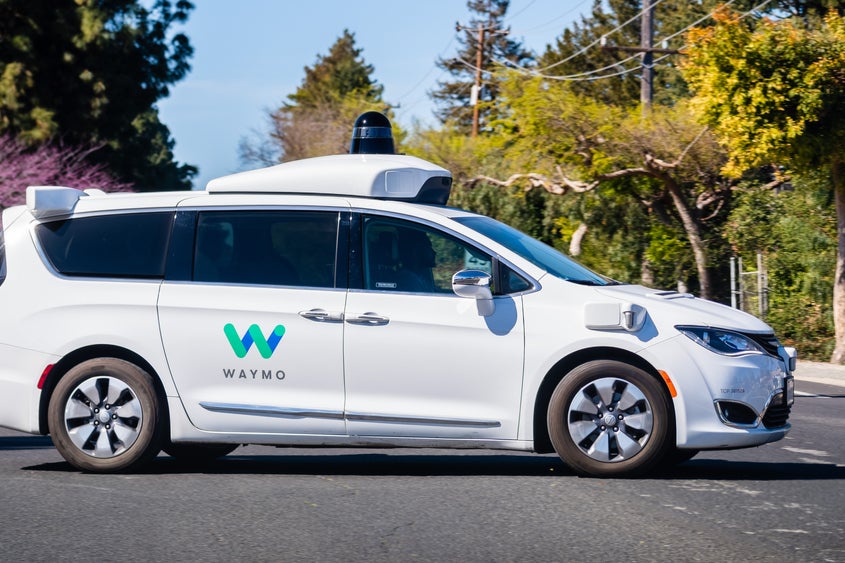
- Employee Solidarity: Nearly 900 tech workers from Google and OpenAI signed an open letter demanding clear limits on military collaboration in response to U.S. strikes on Iran and sanctions against Anthropic, indicating rising discontent within the industry regarding government military partnerships.
- Support for Anthropic: Hundreds of tech workers signed another letter urging the Department of Defense to withdraw its 'supply chain risk' designation against Anthropic, emphasizing that American tech companies should not face retaliation for refusing government demands, reflecting strong opposition to governmental overreach.
- Google's Military Negotiations: Google is reportedly in talks with the Pentagon to deploy its AI model Gemini onto classified systems, raising employee concerns about the company's military collaborations, especially following past internal protests against similar projects, highlighting a growing demand for transparency.
- Historical Lessons and Principles: Google faced significant employee protests in 2018 over Project Maven, leading to the non-renewal of the contract and the establishment of 'AI Principles'; however, recent negotiations have raised questions about the relevance of these principles, particularly concerning human rights and ethical usage.
Salesforce and F1 Launch AI Fan Companion

- Partnership Deepening: Salesforce and F1, tracked through Liberty Media, announced a multi-year partnership extension with the launch of an AI-powered fan companion, aimed at providing 24/7 education on technical regulations to F1's 827 million global fans, particularly targeting the 43% under 35 demographic to enhance engagement.
- AI Companion Launch: The new companion goes live on F1.com, utilizing trusted F1 data sources to answer fan queries about the 2026 regulations and tracking trending questions to provide broader insights, thereby enhancing fan interaction and experience.
- Operational Efficiency Gains: According to company data, Agentforce 360 is embedded across F1 operations, resolving 80% of routine fan queries within four hours, reducing chat handling times by 30%, and cutting average response times by 80%, while AI-recommended content has increased click-through rates by 22%, significantly improving customer service efficiency.
- Strategic Importance: F1's Chief Commercial Officer Emily Prazer stated that the new fan agent will be a vital tool as F1 embarks on the next chapter with new regulations, reflecting the company's commitment to fans and enhancing global engagement through innovative approaches.

Tech Workers Demand Limits on Military AI Use
- Employee Coalition: Workers at Google and OpenAI are rallying around an open letter titled 'We Will Not Be Divided,' which has seen signatories grow from a few hundred to nearly 900 in just a few days, reflecting strong opposition to their companies' military collaborations.
- Pentagon Blacklist Impact: Following U.S. military actions in Iran, the Defense Department blacklisted Anthropic as a 'supply chain risk,' prompting more tech workers to sign petitions urging Congress to review the appropriateness of such extreme measures against American tech firms.
- Google-Pentagon Negotiations: Google is reportedly in talks with the Pentagon to deploy its AI model Gemini onto classified systems, reviving internal debates over military AI, as employees express concerns and demand the establishment of red lines similar to those set by Anthropic.
- Historical Lessons and Principles: Google faced significant employee backlash in 2018 over its involvement in a Pentagon drone project, leading to a lapse in the contract and the establishment of 'AI Principles,' yet controversies resurfaced in 2024 over a contract with the Israeli government, highlighting the ethical dilemmas in military collaborations.
Analysis of Salesforce's Continued Stock Decline
- Poor Stock Performance: Salesforce's stock has fallen 27% this year, nearing a three-year low, despite the company's positioning as a beneficiary of AI, indicating market concerns about its future growth.
- Earnings Beat Expectations: On February 25, Salesforce reported fourth-quarter earnings with revenue of $11.2 billion, a 12% year-over-year increase, slightly exceeding analyst expectations of $11.18 billion, while adjusted earnings per share were $3.81, significantly above the $3.04 expected by Wall Street.
- Future Growth Projections: The company projects a revenue increase of about 10% to 11% for the new fiscal year, which, while decent, appears modest given the context of AI-related opportunities that Salesforce has been promoting.
- Increased Market Competition: Despite strong earnings, there are doubts about whether Salesforce's software will continue to provide sufficient value to retain customers, as AI's rise could intensify competition and threaten demand for Salesforce's offerings.
Global Stock Markets Retreat as Oil Prices Surge
- Market Decline: The S&P 500 index fell by 0.94%, reaching a 3.25-month low, reflecting investor concerns over escalating tensions in Iran, which may impact future investment decisions and market stability.
- Surge in Oil Prices: WTI crude oil prices rose over 4% to an 8.5-month high due to threats from Iran to close the Strait of Hormuz, intensifying fears of energy supply disruptions and potential inflationary pressures in the economy.
- Natural Gas Price Spike: European natural gas prices surged more than 22% to a three-year high after Qatar's Ras Laffan plant was targeted by an Iranian drone attack, posing significant risks to global liquefied natural gas supply and market stability.
- Economic Data Expectations: This week, the ADP employment change is expected to increase by 50,000, while the ISM services index is projected to slip slightly, with markets closely monitoring these indicators to assess economic health and potential implications for Federal Reserve monetary policy decisions.
Investors Must Stay Patient Amid Market Volatility
- Market Volatility Analysis: The ongoing U.S.-Iran conflict led to a rough start on Tuesday, with the Dow Jones dropping over 1,200 points and the S&P 500 down 2.5%, indicating significant investor anxiety about a prolonged war and its economic implications.
- Oil Price Impact: U.S. oil benchmark WTI settled at $74.56 per barrel on Tuesday, well below session highs near $78, illustrating how rising oil prices are exerting downward pressure on stocks and reflecting geopolitical risks to the economy.
- Tech Stock Rebound: Despite recent fears of AI disruption, Cramer's
Tech Workers Demand Limits on Military Collaboration
- Employee Solidarity: Nearly 900 tech workers from Google and OpenAI signed an open letter demanding clear limits on military collaboration in response to U.S. strikes on Iran and sanctions against Anthropic, indicating rising discontent within the industry regarding government military partnerships.
- Support for Anthropic: Hundreds of tech workers signed another letter urging the Department of Defense to withdraw its 'supply chain risk' designation against Anthropic, emphasizing that American tech companies should not face retaliation for refusing government demands, reflecting strong opposition to governmental overreach.
- Google's Military Negotiations: Google is reportedly in talks with the Pentagon to deploy its AI model Gemini onto classified systems, raising employee concerns about the company's military collaborations, especially following past internal protests against similar projects, highlighting a growing demand for transparency.
- Historical Lessons and Principles: Google faced significant employee protests in 2018 over Project Maven, leading to the non-renewal of the contract and the establishment of 'AI Principles'; however, recent negotiations have raised questions about the relevance of these principles, particularly concerning human rights and ethical usage.
Salesforce and F1 Launch AI Fan Companion
- Partnership Deepening: Salesforce and F1, tracked through Liberty Media, announced a multi-year partnership extension with the launch of an AI-powered fan companion, aimed at providing 24/7 education on technical regulations to F1's 827 million global fans, particularly targeting the 43% under 35 demographic to enhance engagement.
- AI Companion Launch: The new companion goes live on F1.com, utilizing trusted F1 data sources to answer fan queries about the 2026 regulations and tracking trending questions to provide broader insights, thereby enhancing fan interaction and experience.
- Operational Efficiency Gains: According to company data, Agentforce 360 is embedded across F1 operations, resolving 80% of routine fan queries within four hours, reducing chat handling times by 30%, and cutting average response times by 80%, while AI-recommended content has increased click-through rates by 22%, significantly improving customer service efficiency.
- Strategic Importance: F1's Chief Commercial Officer Emily Prazer stated that the new fan agent will be a vital tool as F1 embarks on the next chapter with new regulations, reflecting the company's commitment to fans and enhancing global engagement through innovative approaches.
Tech Workers Demand Limits on Military AI Use
- Employee Coalition: Workers at Google and OpenAI are rallying around an open letter titled 'We Will Not Be Divided,' which has seen signatories grow from a few hundred to nearly 900 in just a few days, reflecting strong opposition to their companies' military collaborations.
- Pentagon Blacklist Impact: Following U.S. military actions in Iran, the Defense Department blacklisted Anthropic as a 'supply chain risk,' prompting more tech workers to sign petitions urging Congress to review the appropriateness of such extreme measures against American tech firms.
- Google-Pentagon Negotiations: Google is reportedly in talks with the Pentagon to deploy its AI model Gemini onto classified systems, reviving internal debates over military AI, as employees express concerns and demand the establishment of red lines similar to those set by Anthropic.
- Historical Lessons and Principles: Google faced significant employee backlash in 2018 over its involvement in a Pentagon drone project, leading to a lapse in the contract and the establishment of 'AI Principles,' yet controversies resurfaced in 2024 over a contract with the Israeli government, highlighting the ethical dilemmas in military collaborations.




