Northrop Grumman (NOC): Does the Recent Decline Present a Valuation Opportunity?
Stock Performance: Northrop Grumman's share price has seen a recent decline, but its long-term returns remain strong, with a five-year total shareholder return of 98.33%, indicating sustained momentum.
Valuation Insights: The stock is currently trading at a price-to-earnings ratio of 19.5, significantly lower than the industry average of 37.9, suggesting potential upside but raising questions about market sentiment.
Growth Potential: Supportive government actions and a strong backlog are expected to enhance earnings stability and cash flow, with a fair value estimate of $667.21 indicating the stock may be undervalued.
Risks and Considerations: The optimistic outlook could be jeopardized by budget issues or delays in major US defense programs, highlighting the importance of assessing key risks in investment decisions.
Trade with 70% Backtested Accuracy
Analyst Views on NOC

About NOC
About the author


OpenAI CEO Admits Rushed Deal with Defense Department


- Contract Revision Commitment: OpenAI CEO Sam Altman stated that the company would revise its agreement with the U.S. Department of Defense, particularly to include clauses preventing domestic surveillance, aiming to alleviate public concerns over potential misuse of technology and enhance the company's credibility in government contracts.
- Focus on Technical Safety: Altman emphasized that many technologies are not yet ready to handle complex safety trade-offs, and OpenAI will collaborate with the Pentagon to ensure the safe use of its technologies, demonstrating the company's commitment to responsible technology deployment.
- Market Reaction and Competitive Pressure: Following the deal with the Defense Department, public reactions to OpenAI were mixed, with many users reportedly switching to competitor Anthropic's Claude, reflecting a heightened market concern for transparency in AI technology usage, which could impact OpenAI's market share.
- Support for Competitors: Altman urged on social media for the Defense Department not to designate Anthropic as a supply chain risk, indicating his emphasis on industry collaboration and aiming to maintain stability and growth within the broader AI ecosystem.

Israel ETFs Surge Amid Optimism Over War Resolution


- Israeli Market Rally: The TA-35 index, which tracks the largest stocks on the Tel Aviv Stock Exchange, rose 4.6% on Monday, while the broader TA-125 increased by 4.75%, indicating investor optimism likely tied to expectations of a short resolution to the ongoing conflict.
- Strong ETF Performance: The iShares MSCI Israel ETF (EIS) surged 5.5% on Monday, reaching a new high, and has gained 131% since the October 7 attack, reflecting robust market confidence in Israel's economic recovery amidst geopolitical tensions.
- Defense Sector Growth: The iShares U.S. Aerospace & Defense ETF (ITA) jumped 2.8% on Monday and is up 16.7% year-to-date, highlighting sustained investor interest in defense spending, particularly in light of current geopolitical uncertainties.
- Rising Oil Prices Impact: Both Brent and West Texas Intermediate crude futures rose over 6%, with Brent up 17% in the past month, which could have significant implications for the global economy and related sectors, especially energy and transportation.
South Korean Defense Stocks Surge Amid Global Tensions
- Defense Stocks Surge: South Korean defense stocks saw significant gains after the public holiday, with Hanwha Aerospace shares soaring 22%, indicating strong market interest in the defense sector.
- Leading Companies Growth: Korea Aerospace Industries' stock rose over 7%, while Lignex1, a manufacturer of South Korean air defense systems, skyrocketed by 30%, reflecting a surge in global demand for defense products.
- Market Contrast: The robust performance of defense stocks stands in stark contrast to the overall Kospi index, which fell by 2%, highlighting investor confidence in the defense sector amid escalating tensions in the Middle East.
- Global Defense Market Outlook: South Korea aims to become the world's fourth-largest defense industry by 2030, with increasing orders from European nations like Poland and Romania driving significant growth in the sector.

Mixed Close for US Stocks Amid Iran War Impact

- Mixed Market Performance: On Monday, the S&P 500 closed up 0.04%, while the Dow Jones Industrial Average fell 0.15%, and the Nasdaq 100 rose 0.13%, reflecting a divergence in market sentiment influenced by the ongoing war in Iran, with increased demand for defense and energy stocks.
- Surge in Oil Prices: WTI crude oil prices soared over 6% to an 8.25-month high following Iran's attack on oil tankers, which is expected to elevate inflation expectations and impact the overall economic environment and investor confidence.
- Strong Manufacturing Index: The US February ISM manufacturing index unexpectedly rose to 52.4, surpassing the market expectation of 51.5, indicating economic resilience that could influence the Federal Reserve's monetary policy direction, leading to shifts in future rate hike expectations.
- Optimistic Earnings Outlook: More than 90% of S&P 500 companies have reported earnings, with 73% exceeding expectations, and Q4 earnings growth is projected at 8.4%, providing market support despite geopolitical risks.
Middle East Conflict Drives Defense Stocks Up

- Defense Stocks Surge: As the conflict in the Middle East escalates, investors are seeking safe havens, leading to a broad increase in defense company stocks on Monday, indicating strong market demand for secure investments.
- U.S.-Israel Military Operations: The U.S. and Israeli militaries launched large-scale operations against Iran this weekend, expected to last four to five weeks, which will likely require significant replenishment of armaments, further driving demand in the defense sector.
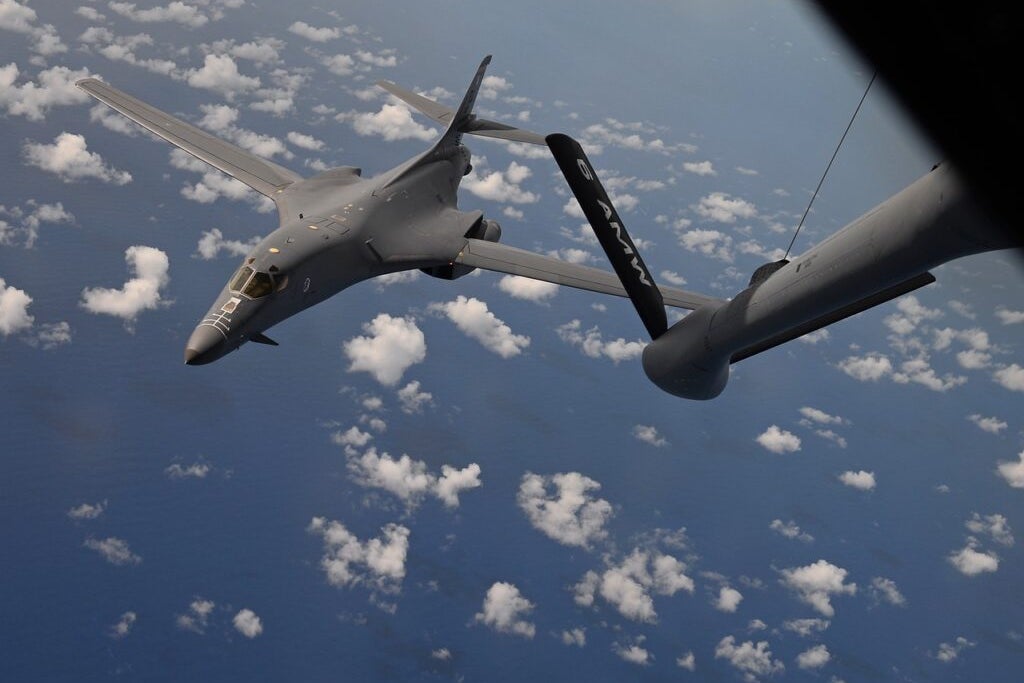
- Key Defense Contractors' Roles: Companies like RTX, Lockheed Martin, Huntington Ingalls, and Northrop Grumman play crucial roles in this conflict, producing interceptors, fighter jets, and strategic bombers to ensure the defense capabilities of U.S. forces and allies.
- Investor Focus on Future Returns: Although Northrop Grumman was not recommended as a top stock by The Motley Fool, the overall performance and future demand in the defense industry may attract increased investor interest.
Iran Conflict Impacts Asia-Pacific Markets


- Oil Price Surge: Following Iran's announcement of closing the Strait of Hormuz, oil prices have continued to rise, with U.S. crude futures up 0.15% to $71.33 and Brent crude up 7.14% to $78.07, indicating market concerns over supply disruptions that could lead to increased global energy costs.
- Weak Market Performance: Most Asia-Pacific markets opened lower, with Australia's S&P/ASX 200 index down 0.3%, reflecting investor caution regarding geopolitical risks that may impact future investment decisions.
- Declining Japanese Market Expectations: Japan's Nikkei 225 futures traded at 57,530 in Chicago, down from the previous close of 58,057.24, indicating market concerns over economic outlook, which may lead investors to reassess their risk appetite.
- U.S. Market Fluctuations: The U.S. S&P 500 index edged up 0.04%, while the Dow Jones Industrial Average fell by 73.14 points, showing market attempts to find stability amid uncertainty, which could influence global market sentiment.
OpenAI CEO Admits Rushed Deal with Defense Department
- Contract Revision Commitment: OpenAI CEO Sam Altman stated that the company would revise its agreement with the U.S. Department of Defense, particularly to include clauses preventing domestic surveillance, aiming to alleviate public concerns over potential misuse of technology and enhance the company's credibility in government contracts.
- Focus on Technical Safety: Altman emphasized that many technologies are not yet ready to handle complex safety trade-offs, and OpenAI will collaborate with the Pentagon to ensure the safe use of its technologies, demonstrating the company's commitment to responsible technology deployment.
- Market Reaction and Competitive Pressure: Following the deal with the Defense Department, public reactions to OpenAI were mixed, with many users reportedly switching to competitor Anthropic's Claude, reflecting a heightened market concern for transparency in AI technology usage, which could impact OpenAI's market share.
- Support for Competitors: Altman urged on social media for the Defense Department not to designate Anthropic as a supply chain risk, indicating his emphasis on industry collaboration and aiming to maintain stability and growth within the broader AI ecosystem.
Israel ETFs Surge Amid Optimism Over War Resolution
- Israeli Market Rally: The TA-35 index, which tracks the largest stocks on the Tel Aviv Stock Exchange, rose 4.6% on Monday, while the broader TA-125 increased by 4.75%, indicating investor optimism likely tied to expectations of a short resolution to the ongoing conflict.
- Strong ETF Performance: The iShares MSCI Israel ETF (EIS) surged 5.5% on Monday, reaching a new high, and has gained 131% since the October 7 attack, reflecting robust market confidence in Israel's economic recovery amidst geopolitical tensions.
- Defense Sector Growth: The iShares U.S. Aerospace & Defense ETF (ITA) jumped 2.8% on Monday and is up 16.7% year-to-date, highlighting sustained investor interest in defense spending, particularly in light of current geopolitical uncertainties.
- Rising Oil Prices Impact: Both Brent and West Texas Intermediate crude futures rose over 6%, with Brent up 17% in the past month, which could have significant implications for the global economy and related sectors, especially energy and transportation.
South Korean Defense Stocks Surge Amid Global Tensions
- Defense Stocks Surge: South Korean defense stocks saw significant gains after the public holiday, with Hanwha Aerospace shares soaring 22%, indicating strong market interest in the defense sector.
- Leading Companies Growth: Korea Aerospace Industries' stock rose over 7%, while Lignex1, a manufacturer of South Korean air defense systems, skyrocketed by 30%, reflecting a surge in global demand for defense products.
- Market Contrast: The robust performance of defense stocks stands in stark contrast to the overall Kospi index, which fell by 2%, highlighting investor confidence in the defense sector amid escalating tensions in the Middle East.
- Global Defense Market Outlook: South Korea aims to become the world's fourth-largest defense industry by 2030, with increasing orders from European nations like Poland and Romania driving significant growth in the sector.
Mixed Close for US Stocks Amid Iran War Impact
- Mixed Market Performance: On Monday, the S&P 500 closed up 0.04%, while the Dow Jones Industrial Average fell 0.15%, and the Nasdaq 100 rose 0.13%, reflecting a divergence in market sentiment influenced by the ongoing war in Iran, with increased demand for defense and energy stocks.
- Surge in Oil Prices: WTI crude oil prices soared over 6% to an 8.25-month high following Iran's attack on oil tankers, which is expected to elevate inflation expectations and impact the overall economic environment and investor confidence.
- Strong Manufacturing Index: The US February ISM manufacturing index unexpectedly rose to 52.4, surpassing the market expectation of 51.5, indicating economic resilience that could influence the Federal Reserve's monetary policy direction, leading to shifts in future rate hike expectations.
- Optimistic Earnings Outlook: More than 90% of S&P 500 companies have reported earnings, with 73% exceeding expectations, and Q4 earnings growth is projected at 8.4%, providing market support despite geopolitical risks.
Middle East Conflict Drives Defense Stocks Up
- Defense Stocks Surge: As the conflict in the Middle East escalates, investors are seeking safe havens, leading to a broad increase in defense company stocks on Monday, indicating strong market demand for secure investments.
- U.S.-Israel Military Operations: The U.S. and Israeli militaries launched large-scale operations against Iran this weekend, expected to last four to five weeks, which will likely require significant replenishment of armaments, further driving demand in the defense sector.
- Key Defense Contractors' Roles: Companies like RTX, Lockheed Martin, Huntington Ingalls, and Northrop Grumman play crucial roles in this conflict, producing interceptors, fighter jets, and strategic bombers to ensure the defense capabilities of U.S. forces and allies.
- Investor Focus on Future Returns: Although Northrop Grumman was not recommended as a top stock by The Motley Fool, the overall performance and future demand in the defense industry may attract increased investor interest.
Iran Conflict Impacts Asia-Pacific Markets
- Oil Price Surge: Following Iran's announcement of closing the Strait of Hormuz, oil prices have continued to rise, with U.S. crude futures up 0.15% to $71.33 and Brent crude up 7.14% to $78.07, indicating market concerns over supply disruptions that could lead to increased global energy costs.
- Weak Market Performance: Most Asia-Pacific markets opened lower, with Australia's S&P/ASX 200 index down 0.3%, reflecting investor caution regarding geopolitical risks that may impact future investment decisions.
- Declining Japanese Market Expectations: Japan's Nikkei 225 futures traded at 57,530 in Chicago, down from the previous close of 58,057.24, indicating market concerns over economic outlook, which may lead investors to reassess their risk appetite.
- U.S. Market Fluctuations: The U.S. S&P 500 index edged up 0.04%, while the Dow Jones Industrial Average fell by 73.14 points, showing market attempts to find stability amid uncertainty, which could influence global market sentiment.