Penske Automotive Group Reports Q4 Revenue of $7.77B
Reports Q4 revenue $7.77B, consensus $7.63B. Commenting on the company's results, Chair Roger Penske said, "In 2025, our business delivered over 504,000 retail auto and commercial truck units, generated nearly $32 billion in revenue and $1.3 billion in earnings before taxes. Our diversified model remains resilient as vehicle inventory remains in good shape, service and parts remain strong, and our costs remain well controlled. I was pleased with how our team performed during the fourth quarter in light of the difficult quarter-over-quarter comparisons, including the impact to auto sales from pull forward activity, the continuing weakness in the commercial truck freight market, and the macro-economic environment in the U.K." Penske continued, "Over the last two years, we completed divestitures of 23 non-strategic retail automotive dealerships representing nearly 21,000 new and used units and $700 million in revenue. In addition, over the last few months, we announced acquisitions of two Toyota dealerships and four Lexus dealerships representing approximately $2 billion in estimated annualized revenue that will drive further scale and growth for Penske Automotive Group."
Trade with 70% Backtested Accuracy
Analyst Views on PAG

About PAG
About the author


Automakers Warn of Rising Prices Due to Tariffs


- Tariff Impact Intensifies: Sonic Automotive President Jeff Dyke warns that unsustainable tariff costs will lead automakers to either raise prices or cut features, indicating a pressing urgency within the industry and potential future price pressures.
- Limited Price Fluctuations: Despite only a 1% increase in vehicle prices since the Trump administration's tariffs, analyst Jessica Caldwell notes a surge in used vehicle demand as consumers anticipate new car price hikes, highlighting market sensitivity to pricing changes.
- Toyota's Financial Strain: Toyota reported a 25% drop in net income for the first nine months of fiscal year 2026, with tariffs costing approximately 1.2 trillion yen (around $8 billion), underscoring the significant impact of tariffs on major automakers and their profitability.
- Future Production Adjustments: Toyota may consider relocating some production back to the U.S. based on the outcomes of U.S.-Mexico-Canada trade negotiations, particularly for its Tacoma pickup made in Mexico, reflecting the company's strategic flexibility in addressing tariff challenges.

2026 Jeep Cherokee Returns to Market as Key Growth Driver for Stellantis


- Market Comeback: The 2026 Jeep Cherokee returns after a three-year hiatus, serving as a critical model for Stellantis to regain market share in the U.S. SUV segment, with a target to boost retail sales by 25% to 1.15 million vehicles in 2026.
- Fuel Efficiency Improvement: The new Cherokee is Jeep's first traditional hybrid model, expected to achieve a combined fuel economy of 37 miles per gallon, including 35 mpg on the highway and 39 mpg in the city, significantly enhancing fuel efficiency and competitive positioning against rivals.
- Production Capacity Expansion: Currently produced only at the Toluca plant in Mexico, Stellantis plans to expand production capabilities at its Illinois facility as early as next year to meet market demand and increase U.S. output.
- Strategic Focus Shift: Jeep CEO Bob Broderdorf emphasizes the Cherokee as the brand's priority, planning to advance other electric models only after ensuring the Cherokee's success, reflecting Stellantis' cautious approach in its electrification strategy.
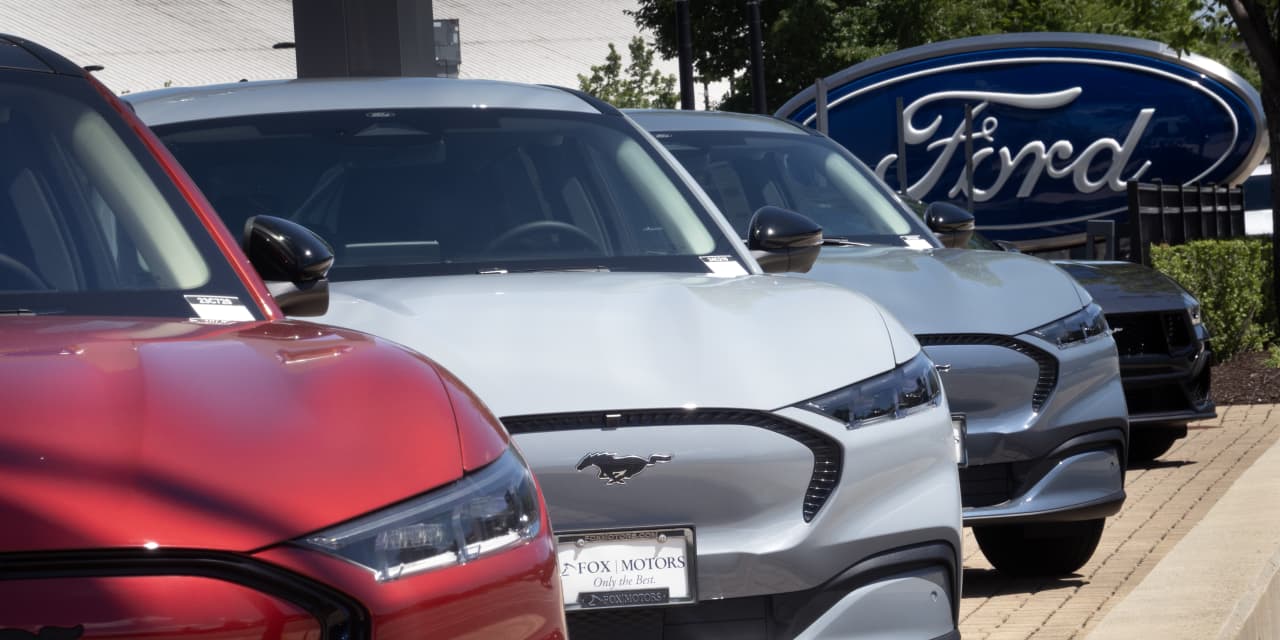
U.S. Automotive Industry Faces Spring Test Amid Tax Season

- Tax Impact on Buying Intent: With tax season underway, the average tax refund for Americans is projected to rise by 10.9% to $2,290, potentially encouraging consumers priced out of the new vehicle market to reconsider purchases, thereby offering a short-term sales boost for the automotive industry.
- Historical Sales Trends: March is typically a peak month for U.S. vehicle sales, averaging 9.1% of annual new vehicle sales over the past 12 years, second only to December at 9.3%, suggesting that tax changes could drive a rebound in sales during this critical period.
- Loan Condition Changes: Despite current federal interest rates between 3.5% and 3.75%, leading to higher financing costs, consumers are agreeing to longer-term loans, with Carmax reporting an average monthly payment of $772 for new vehicles, reflecting buyers' adaptive strategies in a high-price environment.
- Low Consumer Confidence: Even with additional tax funds, consumer confidence fell to 84.5 in January, the lowest since May 2014, indicating that high prices and a weakening labor market negatively impact purchasing decisions, leaving buying intent under significant pressure.
Analyst Predicts GM Stock Could Rise Following a Strong Year; Also Featuring Cloudflare, Vertiv, and Others.


Source of Reports: The reports are excerpts from various investment and research firms, recently issued and edited by Barron’s.
Analysts' Perspectives: They represent a sampling of analysts' thoughts and should not be interpreted as Barron’s official views or recommendations.
Investment Services Disclosure: Some firms that issued the reports may have provided or intend to provide investment-banking or other services to the companies analyzed.
Caution on Interpretation: Readers are advised to consider the reports as insights rather than definitive investment advice.

Penske Automotive Group Q4 2025 Earnings Call Insights
- Strong Profitability: Penske Automotive Group delivered 485,000 new and nearly 19,000 commercial vehicles in 2025, generating $31 billion in revenue and $1.3 billion in earnings before taxes, demonstrating robust profitability despite market challenges.
- Strategic Acquisitions: The company acquired two Toyota, two Lexus, and one Ferrari dealership in 2025, with these acquisitions expected to yield $2 billion in annualized revenue, further solidifying its position in the premium market.
- Dividend Growth: Penske announced its 21st consecutive dividend increase to $1.40 per share, with a forward yield of 3.4%, reflecting confidence in future cash flows and commitment to shareholder returns.
- Optimistic Market Outlook: Management anticipates a recovery in the commercial truck market and an improved macroeconomic environment in 2026, emphasizing that tax refunds and lower interest rates will positively impact operations, showcasing confidence in future growth.
Penske Automotive Reports Mixed Quarterly Results Amid Growth Strategy Focus
- Quarterly Highlights: Penske Automotive reported Q4 adjusted EPS of $2.91, falling short of the $3.10 consensus, yet sales surged to $7.769 billion, exceeding estimates of $7.604 billion, indicating resilience in revenue growth despite profitability challenges.
- Profitability Decline: Net income attributable to common stockholders dropped from $249.3 million a year earlier to $186.1 million, with adjusted net income declining 23% to $191.5 million, reflecting pressure on profitability amid a weak truck freight market and uneven global demand.
- Delivery and Sales Performance: Overall new vehicle deliveries fell by 10%, with U.S. units down 8% and international units down 14%, while retail commercial truck dealerships sold 3,789 units, generating $725.4 million in revenue and $33.8 million in pre-tax earnings, highlighting the severity of market challenges.
- Dividend Increase: The company approved a 1.4% increase in its quarterly dividend, raising it by 2 cents to $1.40 per share, representing a forward dividend yield of 3.4%, marking the 21st consecutive quarterly increase, demonstrating a commitment to shareholder returns.
Automakers Warn of Rising Prices Due to Tariffs
- Tariff Impact Intensifies: Sonic Automotive President Jeff Dyke warns that unsustainable tariff costs will lead automakers to either raise prices or cut features, indicating a pressing urgency within the industry and potential future price pressures.
- Limited Price Fluctuations: Despite only a 1% increase in vehicle prices since the Trump administration's tariffs, analyst Jessica Caldwell notes a surge in used vehicle demand as consumers anticipate new car price hikes, highlighting market sensitivity to pricing changes.
- Toyota's Financial Strain: Toyota reported a 25% drop in net income for the first nine months of fiscal year 2026, with tariffs costing approximately 1.2 trillion yen (around $8 billion), underscoring the significant impact of tariffs on major automakers and their profitability.
- Future Production Adjustments: Toyota may consider relocating some production back to the U.S. based on the outcomes of U.S.-Mexico-Canada trade negotiations, particularly for its Tacoma pickup made in Mexico, reflecting the company's strategic flexibility in addressing tariff challenges.
2026 Jeep Cherokee Returns to Market as Key Growth Driver for Stellantis
- Market Comeback: The 2026 Jeep Cherokee returns after a three-year hiatus, serving as a critical model for Stellantis to regain market share in the U.S. SUV segment, with a target to boost retail sales by 25% to 1.15 million vehicles in 2026.
- Fuel Efficiency Improvement: The new Cherokee is Jeep's first traditional hybrid model, expected to achieve a combined fuel economy of 37 miles per gallon, including 35 mpg on the highway and 39 mpg in the city, significantly enhancing fuel efficiency and competitive positioning against rivals.
- Production Capacity Expansion: Currently produced only at the Toluca plant in Mexico, Stellantis plans to expand production capabilities at its Illinois facility as early as next year to meet market demand and increase U.S. output.
- Strategic Focus Shift: Jeep CEO Bob Broderdorf emphasizes the Cherokee as the brand's priority, planning to advance other electric models only after ensuring the Cherokee's success, reflecting Stellantis' cautious approach in its electrification strategy.
U.S. Automotive Industry Faces Spring Test Amid Tax Season
- Tax Impact on Buying Intent: With tax season underway, the average tax refund for Americans is projected to rise by 10.9% to $2,290, potentially encouraging consumers priced out of the new vehicle market to reconsider purchases, thereby offering a short-term sales boost for the automotive industry.
- Historical Sales Trends: March is typically a peak month for U.S. vehicle sales, averaging 9.1% of annual new vehicle sales over the past 12 years, second only to December at 9.3%, suggesting that tax changes could drive a rebound in sales during this critical period.
- Loan Condition Changes: Despite current federal interest rates between 3.5% and 3.75%, leading to higher financing costs, consumers are agreeing to longer-term loans, with Carmax reporting an average monthly payment of $772 for new vehicles, reflecting buyers' adaptive strategies in a high-price environment.
- Low Consumer Confidence: Even with additional tax funds, consumer confidence fell to 84.5 in January, the lowest since May 2014, indicating that high prices and a weakening labor market negatively impact purchasing decisions, leaving buying intent under significant pressure.
Analyst Predicts GM Stock Could Rise Following a Strong Year; Also Featuring Cloudflare, Vertiv, and Others.
Source of Reports: The reports are excerpts from various investment and research firms, recently issued and edited by Barron’s.
Analysts' Perspectives: They represent a sampling of analysts' thoughts and should not be interpreted as Barron’s official views or recommendations.
Investment Services Disclosure: Some firms that issued the reports may have provided or intend to provide investment-banking or other services to the companies analyzed.
Caution on Interpretation: Readers are advised to consider the reports as insights rather than definitive investment advice.
Penske Automotive Group Q4 2025 Earnings Call Insights
- Strong Profitability: Penske Automotive Group delivered 485,000 new and nearly 19,000 commercial vehicles in 2025, generating $31 billion in revenue and $1.3 billion in earnings before taxes, demonstrating robust profitability despite market challenges.
- Strategic Acquisitions: The company acquired two Toyota, two Lexus, and one Ferrari dealership in 2025, with these acquisitions expected to yield $2 billion in annualized revenue, further solidifying its position in the premium market.
- Dividend Growth: Penske announced its 21st consecutive dividend increase to $1.40 per share, with a forward yield of 3.4%, reflecting confidence in future cash flows and commitment to shareholder returns.
- Optimistic Market Outlook: Management anticipates a recovery in the commercial truck market and an improved macroeconomic environment in 2026, emphasizing that tax refunds and lower interest rates will positively impact operations, showcasing confidence in future growth.
Penske Automotive Reports Mixed Quarterly Results Amid Growth Strategy Focus
- Quarterly Highlights: Penske Automotive reported Q4 adjusted EPS of $2.91, falling short of the $3.10 consensus, yet sales surged to $7.769 billion, exceeding estimates of $7.604 billion, indicating resilience in revenue growth despite profitability challenges.
- Profitability Decline: Net income attributable to common stockholders dropped from $249.3 million a year earlier to $186.1 million, with adjusted net income declining 23% to $191.5 million, reflecting pressure on profitability amid a weak truck freight market and uneven global demand.
- Delivery and Sales Performance: Overall new vehicle deliveries fell by 10%, with U.S. units down 8% and international units down 14%, while retail commercial truck dealerships sold 3,789 units, generating $725.4 million in revenue and $33.8 million in pre-tax earnings, highlighting the severity of market challenges.
- Dividend Increase: The company approved a 1.4% increase in its quarterly dividend, raising it by 2 cents to $1.40 per share, representing a forward dividend yield of 3.4%, marking the 21st consecutive quarterly increase, demonstrating a commitment to shareholder returns.