Oracle Shares Drop 13% Following Disappointing Forecast


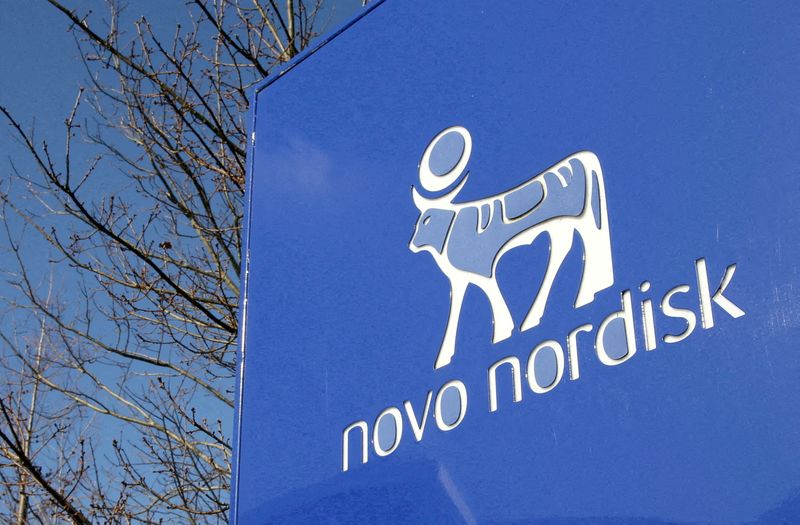
Markets are under pressure this morning as index futures slide following disappointing corporate news and lingering concerns over the technology sector. Oracle's shares are sharply lower after a downbeat forecast and heavy capital spending tied to its AI business. This drag on tech names like Nvidia, Microsoft, Broadcom and other AI-linked equities has knocked futures lower and put a cooler tone on the market.Globally, markets are mixed. Some Gulf markets are holding modest gains in response to the Fed easing, while Asian and European tech-heavy indices have softened in the wake of the tech selloff. Currency and bond markets are also reacting to the Fed's messaging and macro dynamics.In pre-market trading, S&P 500 futures fell 0.4%, Nasdaq futures fell 0.62% and Dow futures were flat.Check out this morning's top movers from around Wall Street, compiled by The Fly.HIGHER -Geminiup 9% after receiving a designated contract market license from the Commodity Futures Trading Commission, which will allow Gemini to begin offering prediction markets to U.S. customersCorbus Pharmaceuticalsup 8% after completing the single ascending dose and multiple ascending dose Phase 1a study of CRB-913Eli Lillyup 1% after reporting each dose of retatrutide met all primary and key secondary endpoints in its TRIUMPH-4 clinical trialUP AFTER EARNINGS -Cienaup 8%DOWN AFTER EARNINGS -Oracledown 13%Oxford Industriesdown 21%Lovesacdown 16%Hooker Furnituredown 14%Manchester Uniteddown 2%Vera Bradleydown 1%
Trade with 70% Backtested Accuracy
Analyst Views on ORCL

About ORCL
About the author


Drone Strikes Disrupt AWS Data Centers in UAE


- Drone Strike Impact: AWS data centers in the UAE were struck by drones on March 3, resulting in damage to two facilities and taking them offline, which disrupted consumer apps like Careem and Alaan, highlighting the vulnerability of infrastructure to operational threats.
- Widespread Service Outages: Banks and enterprise software providers, including ADCB and Snowflake, reported service disruptions, indicating the extensive impact of AWS infrastructure failures on the financial and tech sectors, which could lead to decreased customer trust.
- Slow Recovery Progress: AWS stated on Tuesday that recovery efforts are underway, but ongoing regional IT disruptions have prompted customers to migrate workloads to alternate regions, illustrating the severe challenges to business continuity posed by the current situation.
- Severe Market Reactions: The closure of the Strait of Hormuz has sent shockwaves through global energy markets, causing significant declines in U.S. and European stock markets and rising oil prices, indicating the potential economic impact of geopolitical risks.

Oracle Corporation Faces Securities Fraud Class Action Lawsuit

- Lawsuit Background: Kessler Topaz Meltzer & Check, LLP filed a securities fraud class action against Oracle Corporation (NYSE: ORCL) on February 3, 2026, in Delaware, targeting investors who purchased shares between June 12 and December 16, 2025, alleging significant misstatements regarding AI infrastructure and capital expenditures.
- Key Allegations: The lawsuit claims Oracle misled investors by failing to disclose that its AI infrastructure strategy would lead to substantial increases in capital expenditures without corresponding near-term revenue growth, resulting in a misunderstanding of the company's financial health.
- Stock Price Volatility: Oracle's stock price dropped by $5.37 on September 24, 2025, following an S&P Global Ratings warning about risks associated with its contracts with OpenAI, and fell another $10.19 on December 17, 2025, after Blue Owl Capital withdrew from a $10 billion data center project, reflecting market concerns over the company's financial stability.
- Investor Action: Affected investors must apply by April 6, 2026, to serve as lead plaintiffs in the class action, with Kessler Topaz Meltzer & Check, LLP offering free legal consultations to help investors understand their rights.

Tech Workers Demand Limits on Military Collaboration


- Employee Solidarity: Nearly 900 tech workers from Google and OpenAI signed an open letter demanding clear limits on military collaboration in response to U.S. strikes on Iran and sanctions against Anthropic, indicating rising discontent within the industry regarding government military partnerships.
- Support for Anthropic: Hundreds of tech workers signed another letter urging the Department of Defense to withdraw its 'supply chain risk' designation against Anthropic, emphasizing that American tech companies should not face retaliation for refusing government demands, reflecting strong opposition to governmental overreach.
- Google's Military Negotiations: Google is reportedly in talks with the Pentagon to deploy its AI model Gemini onto classified systems, raising employee concerns about the company's military collaborations, especially following past internal protests against similar projects, highlighting a growing demand for transparency.
- Historical Lessons and Principles: Google faced significant employee protests in 2018 over Project Maven, leading to the non-renewal of the contract and the establishment of 'AI Principles'; however, recent negotiations have raised questions about the relevance of these principles, particularly concerning human rights and ethical usage.

Oracle Corporation Faces Class Action Lawsuit
- Class Action Reminder: The Schall Law Firm alerts investors of a class action lawsuit against Oracle Corporation for violations of §§10(b) and 20(a) of the Securities Exchange Act, concerning securities purchased between June 12, 2025, and December 16, 2025, with a deadline to contact the firm by April 6, 2026, to participate.
- False Statement Allegations: The complaint alleges that Oracle made false and misleading statements during the class period, claiming that its AI infrastructure strategy would require massive capital expenditures without near-term revenue growth, increasing risks related to debt and credit ratings.
- Increased Financial Risks: Oracle's rising capital expenditures heightened risks associated with its debt, free cash flow, and project funding capabilities, leading to investor losses when the market learned the truth, highlighting significant deficiencies in the company's financial transparency.
- Legal Consultation Opportunity: The Schall Law Firm offers free consultations, encouraging affected investors to reach out to discuss their rights, emphasizing the firm's specialization in securities class actions and shareholder rights litigation aimed at helping investors recover losses.

Oracle's Stock Plummets Amid Growing Market Concerns

- Stock Decline: Oracle's stock fell 11.7% in March according to S&P Global Market Intelligence, with a total decline exceeding 23% in 2026, indicating growing market concerns about its future performance.
- Impact of OpenAI Deal: Since the announcement of the $300 billion deal with OpenAI in mid-September, Oracle's stock has plummeted over 54%, as initial optimism quickly faded, reflecting a lack of confidence in the deal's potential benefits.
- Rising Debt Risks: Oracle's 5-year credit default swap (CDS) spread has surged from under 50 basis points to 120-150 basis points, signaling bond investors' concerns regarding its financial health, particularly related to the cash-burning nature of OpenAI.
- AI Investment Outlook: While market worries persist about Oracle's financial position, OpenAI is now expected to spend $600 billion on computing by 2030, a significant reduction from its previous $1.4 trillion target, which may alleviate some investor risks.
Amazon Data Centers Hit by Drone Strikes
- Facility Damage: Amazon Web Services (AWS) reported that two data centers in the UAE and one in Bahrain were taken offline due to drone strikes, significantly impacting service availability and stability in the region.
- Damage Assessment: The strikes caused structural damage and power disruptions, leading to fire incidents, with AWS indicating that the recovery process will be prolonged due to the complex nature of the physical damage.
- Service Impact: Several applications, including AWS's EC2 virtual servers, S3 storage service, and DynamoDB database service, experienced elevated error rates and degraded availability, affecting customers' workloads in the impacted areas.
- Customer Advisory: AWS advised customers in the Middle East to take steps to mitigate the impacts of the conflict, such as backing up data or migrating workloads to other AWS regions, in anticipation of potential instability in the future.
Drone Strikes Disrupt AWS Data Centers in UAE
- Drone Strike Impact: AWS data centers in the UAE were struck by drones on March 3, resulting in damage to two facilities and taking them offline, which disrupted consumer apps like Careem and Alaan, highlighting the vulnerability of infrastructure to operational threats.
- Widespread Service Outages: Banks and enterprise software providers, including ADCB and Snowflake, reported service disruptions, indicating the extensive impact of AWS infrastructure failures on the financial and tech sectors, which could lead to decreased customer trust.
- Slow Recovery Progress: AWS stated on Tuesday that recovery efforts are underway, but ongoing regional IT disruptions have prompted customers to migrate workloads to alternate regions, illustrating the severe challenges to business continuity posed by the current situation.
- Severe Market Reactions: The closure of the Strait of Hormuz has sent shockwaves through global energy markets, causing significant declines in U.S. and European stock markets and rising oil prices, indicating the potential economic impact of geopolitical risks.
Oracle Corporation Faces Securities Fraud Class Action Lawsuit
- Lawsuit Background: Kessler Topaz Meltzer & Check, LLP filed a securities fraud class action against Oracle Corporation (NYSE: ORCL) on February 3, 2026, in Delaware, targeting investors who purchased shares between June 12 and December 16, 2025, alleging significant misstatements regarding AI infrastructure and capital expenditures.
- Key Allegations: The lawsuit claims Oracle misled investors by failing to disclose that its AI infrastructure strategy would lead to substantial increases in capital expenditures without corresponding near-term revenue growth, resulting in a misunderstanding of the company's financial health.
- Stock Price Volatility: Oracle's stock price dropped by $5.37 on September 24, 2025, following an S&P Global Ratings warning about risks associated with its contracts with OpenAI, and fell another $10.19 on December 17, 2025, after Blue Owl Capital withdrew from a $10 billion data center project, reflecting market concerns over the company's financial stability.
- Investor Action: Affected investors must apply by April 6, 2026, to serve as lead plaintiffs in the class action, with Kessler Topaz Meltzer & Check, LLP offering free legal consultations to help investors understand their rights.
Tech Workers Demand Limits on Military Collaboration
- Employee Solidarity: Nearly 900 tech workers from Google and OpenAI signed an open letter demanding clear limits on military collaboration in response to U.S. strikes on Iran and sanctions against Anthropic, indicating rising discontent within the industry regarding government military partnerships.
- Support for Anthropic: Hundreds of tech workers signed another letter urging the Department of Defense to withdraw its 'supply chain risk' designation against Anthropic, emphasizing that American tech companies should not face retaliation for refusing government demands, reflecting strong opposition to governmental overreach.
- Google's Military Negotiations: Google is reportedly in talks with the Pentagon to deploy its AI model Gemini onto classified systems, raising employee concerns about the company's military collaborations, especially following past internal protests against similar projects, highlighting a growing demand for transparency.
- Historical Lessons and Principles: Google faced significant employee protests in 2018 over Project Maven, leading to the non-renewal of the contract and the establishment of 'AI Principles'; however, recent negotiations have raised questions about the relevance of these principles, particularly concerning human rights and ethical usage.
Oracle Corporation Faces Class Action Lawsuit
- Class Action Reminder: The Schall Law Firm alerts investors of a class action lawsuit against Oracle Corporation for violations of §§10(b) and 20(a) of the Securities Exchange Act, concerning securities purchased between June 12, 2025, and December 16, 2025, with a deadline to contact the firm by April 6, 2026, to participate.
- False Statement Allegations: The complaint alleges that Oracle made false and misleading statements during the class period, claiming that its AI infrastructure strategy would require massive capital expenditures without near-term revenue growth, increasing risks related to debt and credit ratings.
- Increased Financial Risks: Oracle's rising capital expenditures heightened risks associated with its debt, free cash flow, and project funding capabilities, leading to investor losses when the market learned the truth, highlighting significant deficiencies in the company's financial transparency.
- Legal Consultation Opportunity: The Schall Law Firm offers free consultations, encouraging affected investors to reach out to discuss their rights, emphasizing the firm's specialization in securities class actions and shareholder rights litigation aimed at helping investors recover losses.
Oracle's Stock Plummets Amid Growing Market Concerns
- Stock Decline: Oracle's stock fell 11.7% in March according to S&P Global Market Intelligence, with a total decline exceeding 23% in 2026, indicating growing market concerns about its future performance.
- Impact of OpenAI Deal: Since the announcement of the $300 billion deal with OpenAI in mid-September, Oracle's stock has plummeted over 54%, as initial optimism quickly faded, reflecting a lack of confidence in the deal's potential benefits.
- Rising Debt Risks: Oracle's 5-year credit default swap (CDS) spread has surged from under 50 basis points to 120-150 basis points, signaling bond investors' concerns regarding its financial health, particularly related to the cash-burning nature of OpenAI.
- AI Investment Outlook: While market worries persist about Oracle's financial position, OpenAI is now expected to spend $600 billion on computing by 2030, a significant reduction from its previous $1.4 trillion target, which may alleviate some investor risks.
Amazon Data Centers Hit by Drone Strikes
- Facility Damage: Amazon Web Services (AWS) reported that two data centers in the UAE and one in Bahrain were taken offline due to drone strikes, significantly impacting service availability and stability in the region.
- Damage Assessment: The strikes caused structural damage and power disruptions, leading to fire incidents, with AWS indicating that the recovery process will be prolonged due to the complex nature of the physical damage.
- Service Impact: Several applications, including AWS's EC2 virtual servers, S3 storage service, and DynamoDB database service, experienced elevated error rates and degraded availability, affecting customers' workloads in the impacted areas.
- Customer Advisory: AWS advised customers in the Middle East to take steps to mitigate the impacts of the conflict, such as backing up data or migrating workloads to other AWS regions, in anticipation of potential instability in the future.