Oil Prices Surge to $83 per Barrel as Natural Gas Issues Worsen.

- Oil Price Increase: Oil prices rose on Tuesday, continuing the upward trend from Monday due to escalating conflict in the Middle East.
- Natural Gas Price Spike: There was also a significant increase in natural gas prices, contributing to global market concerns.
- Market Reactions: The combination of rising oil and natural gas prices has created anxiety in global markets.
- Potential Energy Shock: Analysts are worried about the possibility of an energy shock resulting from the ongoing geopolitical tensions.
Trade with 70% Backtested Accuracy
Analyst Views on CVX

About CVX
About the author

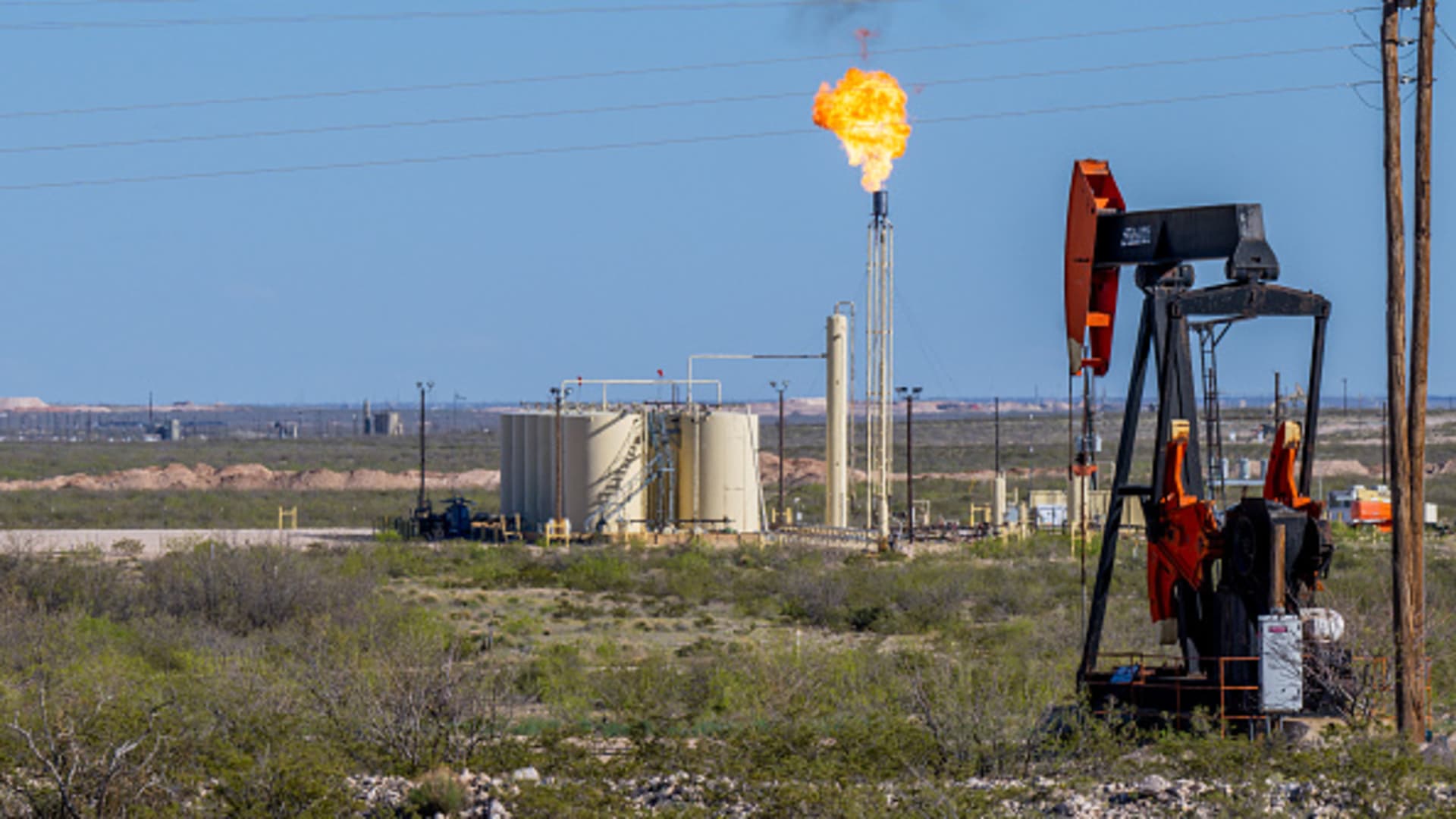
Crude Oil Prices Surge Amid U.S.-Iran Conflict


- Oil Price Surge: Following U.S. and Israeli military strikes on Iran, Brent crude prices have surged over 5% today and approximately 15% over the past few days, directly boosting oil company stock prices and attracting investor interest.
- Oil Stocks Performance: Amid rising oil prices, ConocoPhillips shares have jumped nearly 8% in recent days, while Chevron closed at a record high of nearly $190 per share on Monday, reflecting strong market confidence in oil companies.
- Strait of Hormuz Risk: Iran's threat to close the Strait of Hormuz jeopardizes approximately 20 million barrels of global oil supply daily, leading insurance companies to cancel war risk coverage and causing transportation costs to soar, which could further elevate oil prices.
- U.S. Production Capacity: Although U.S. oil producers have the capacity to ramp up production, the limitations of infrastructure and oilfield services mean that bringing new shale wells online can take months, making it difficult to alleviate upward pressure on oil prices in the short term.

Oil Prices Surge Amid Iran Conflict, Impacting Stocks
- Surge in Oil Prices: The ongoing conflict with Iran has caused Brent crude prices to rise approximately 15% over the past few days, with a further increase of over 5% today, potentially pushing prices above $100 per barrel, which could have significant implications for global oil markets.
- U.S. Producers' Response: While U.S. producers have the capacity to ramp up production, the time required to bring newly drilled wells online due to infrastructure limitations means that they cannot quickly fill the supply gap in the short term, impacting market stability.
- Rising Transportation Costs: Attacks on several ships by Iran have led to record-high supertanker rates and the cancellation of war risk insurance by insurers, which increases the risks associated with transporting oil out of the region, further constraining oil flow from the Persian Gulf.
- Capital Expenditure Adjustments: In light of the unexpected surge in oil prices, ConocoPhillips has reduced its capital expenditure budget from $12.6 billion last year to $12 billion this year, while Chevron has increased its spending range to $18 billion-$19 billion, reflecting a cautious approach amid market uncertainties.

Oil Price Fluctuations Have Far-Reaching Economic Impacts

- Profit Pressure from Oil Prices: Recent oil price increases of over 10% in just two days are expected to exert direct pressure on profit margins, as companies struggle to pass costs onto consumers, potentially leading to declines in stock prices.
- Inflationary Risks Intensified: Rising oil prices are likely to drive overall inflation, particularly impacting costs in sectors like trucking and plastics, which may reduce consumer purchasing power and subsequently affect sales and corporate profits.
- Federal Reserve Policy Considerations: The increase in oil prices complicates the Federal Reserve's decision-making environment regarding interest rates, as inflationary pressures mount, even though the core PCE index excludes volatile food and energy costs, the indirect effects remain significant.
- Market Dynamics in Flux: The fluctuations in oil prices are closely tied to stock market performance, with WTI crude reaching $77.98 on Tuesday before retreating to around $74, indicating the market's sensitivity to oil price movements, necessitating a calm and discerning approach from investors amid uncertainty.

This Schwab Dividend ETF Shines Bright, with Defense and Energy as Key Sectors.


- Investor Expectations: Investors in the Schwab U.S. Dividend Equity ETF are not anticipating significant growth this year.
- Current Performance: Despite low expectations, the ETF is experiencing notable performance this year.

Strategies for Navigating a Volatile Market Amid Rising Oil Prices and Falling Stocks

Market Concerns: The markets are experiencing a downturn due to escalating fears of a prolonged conflict in Iran.
Oil Price Impact: Investors are worried that rising oil prices could negatively affect the global economy and reignite inflation fears.
AI Trade Vulnerability: The situation poses particular challenges for the previously thriving artificial intelligence sector.
Investment Climate: Overall, it is becoming increasingly difficult for investors to find safe investment opportunities amid these uncertainties.

Oil Price Surge Sparks Market Concerns

- Oil Price Surge: Brooks highlighted that Brent crude surged over 7% on Monday, more than three times the 2% increase seen on the day of Russia's invasion of Ukraine in 2022, indicating heightened market sensitivity to supply risks that could lead to rising energy costs in the future.
- Supply Chain Risks: Russia exports approximately 7 million barrels of oil daily, while 20 million barrels transit the Strait of Hormuz each day; the current geopolitical tensions could further impact global supply chains, increasing market uncertainty.
- Cautious Market Reaction: The S&P 500 was flat on Monday, reflecting a defensive market stance compared to the 2% gain on the day of the Ukraine invasion, indicating investor concerns about future market volatility.
- Gold and Dollar Movements: Gold prices rose on Monday while the dollar strengthened against G10 and emerging market currencies, reflecting a risk-off sentiment in the market as investors reassess asset allocations in light of geopolitical conflicts.
Crude Oil Prices Surge Amid U.S.-Iran Conflict
- Oil Price Surge: Following U.S. and Israeli military strikes on Iran, Brent crude prices have surged over 5% today and approximately 15% over the past few days, directly boosting oil company stock prices and attracting investor interest.
- Oil Stocks Performance: Amid rising oil prices, ConocoPhillips shares have jumped nearly 8% in recent days, while Chevron closed at a record high of nearly $190 per share on Monday, reflecting strong market confidence in oil companies.
- Strait of Hormuz Risk: Iran's threat to close the Strait of Hormuz jeopardizes approximately 20 million barrels of global oil supply daily, leading insurance companies to cancel war risk coverage and causing transportation costs to soar, which could further elevate oil prices.
- U.S. Production Capacity: Although U.S. oil producers have the capacity to ramp up production, the limitations of infrastructure and oilfield services mean that bringing new shale wells online can take months, making it difficult to alleviate upward pressure on oil prices in the short term.
Oil Prices Surge Amid Iran Conflict, Impacting Stocks
- Surge in Oil Prices: The ongoing conflict with Iran has caused Brent crude prices to rise approximately 15% over the past few days, with a further increase of over 5% today, potentially pushing prices above $100 per barrel, which could have significant implications for global oil markets.
- U.S. Producers' Response: While U.S. producers have the capacity to ramp up production, the time required to bring newly drilled wells online due to infrastructure limitations means that they cannot quickly fill the supply gap in the short term, impacting market stability.
- Rising Transportation Costs: Attacks on several ships by Iran have led to record-high supertanker rates and the cancellation of war risk insurance by insurers, which increases the risks associated with transporting oil out of the region, further constraining oil flow from the Persian Gulf.
- Capital Expenditure Adjustments: In light of the unexpected surge in oil prices, ConocoPhillips has reduced its capital expenditure budget from $12.6 billion last year to $12 billion this year, while Chevron has increased its spending range to $18 billion-$19 billion, reflecting a cautious approach amid market uncertainties.
Oil Price Fluctuations Have Far-Reaching Economic Impacts
- Profit Pressure from Oil Prices: Recent oil price increases of over 10% in just two days are expected to exert direct pressure on profit margins, as companies struggle to pass costs onto consumers, potentially leading to declines in stock prices.
- Inflationary Risks Intensified: Rising oil prices are likely to drive overall inflation, particularly impacting costs in sectors like trucking and plastics, which may reduce consumer purchasing power and subsequently affect sales and corporate profits.
- Federal Reserve Policy Considerations: The increase in oil prices complicates the Federal Reserve's decision-making environment regarding interest rates, as inflationary pressures mount, even though the core PCE index excludes volatile food and energy costs, the indirect effects remain significant.
- Market Dynamics in Flux: The fluctuations in oil prices are closely tied to stock market performance, with WTI crude reaching $77.98 on Tuesday before retreating to around $74, indicating the market's sensitivity to oil price movements, necessitating a calm and discerning approach from investors amid uncertainty.
This Schwab Dividend ETF Shines Bright, with Defense and Energy as Key Sectors.
- Investor Expectations: Investors in the Schwab U.S. Dividend Equity ETF are not anticipating significant growth this year.
- Current Performance: Despite low expectations, the ETF is experiencing notable performance this year.
Strategies for Navigating a Volatile Market Amid Rising Oil Prices and Falling Stocks
Market Concerns: The markets are experiencing a downturn due to escalating fears of a prolonged conflict in Iran.
Oil Price Impact: Investors are worried that rising oil prices could negatively affect the global economy and reignite inflation fears.
AI Trade Vulnerability: The situation poses particular challenges for the previously thriving artificial intelligence sector.
Investment Climate: Overall, it is becoming increasingly difficult for investors to find safe investment opportunities amid these uncertainties.
Oil Price Surge Sparks Market Concerns
- Oil Price Surge: Brooks highlighted that Brent crude surged over 7% on Monday, more than three times the 2% increase seen on the day of Russia's invasion of Ukraine in 2022, indicating heightened market sensitivity to supply risks that could lead to rising energy costs in the future.
- Supply Chain Risks: Russia exports approximately 7 million barrels of oil daily, while 20 million barrels transit the Strait of Hormuz each day; the current geopolitical tensions could further impact global supply chains, increasing market uncertainty.
- Cautious Market Reaction: The S&P 500 was flat on Monday, reflecting a defensive market stance compared to the 2% gain on the day of the Ukraine invasion, indicating investor concerns about future market volatility.
- Gold and Dollar Movements: Gold prices rose on Monday while the dollar strengthened against G10 and emerging market currencies, reflecting a risk-off sentiment in the market as investors reassess asset allocations in light of geopolitical conflicts.