Nvidia Stock Rating Upgraded to Buy Following Strong Quarter
Written by Emily J. Thompson, Senior Investment Analyst
Updated: 14 hours ago
0mins


Should l Buy NVDA?
Source: CNBC
- Market Reaction Discrepancy: Despite Nvidia's strong quarterly results and guidance, the stock fell over 9% on Thursday and Friday, which does not align with the robust demand for its AI computing platform discussed during the earnings call, indicating market confusion regarding future growth.
- Increased Valuation Appeal: Nvidia's forward price-to-earnings ratio has dropped from the mid-30s in August to 22 times, marking the lowest level since last April's tariff announcement, suggesting that the current stock price is more attractive amid surging AI spending, potentially drawing more investor interest.
- Analysts Optimistic on Future: Morgan Stanley has reinstated Nvidia as their top pick, replacing Micron, which surged due to AI-related memory price increases; analysts noted that while Nvidia's stock has stagnated over the past two quarters, its business has continued to strengthen, with expectations of a shift towards optimism for 2027 in the coming months.
- New Chip Development: Nvidia is designing a new chip focused on inference for everyday AI model usage, leveraging technology from Groq, an AI startup with which it signed a $20 billion non-exclusive licensing agreement, aiming to enhance AI infrastructure performance and value to counter competition from larger data center operators.
Trade with 70% Backtested Accuracy
Stop guessing "Should I Buy NVDA?" and start using high-conviction signals backed by rigorous historical data.
Sign up today to access powerful investing tools and make smarter, data-driven decisions.
Analyst Views on NVDA
Wall Street analysts forecast NVDA stock price to rise
41 Analyst Rating
39 Buy
1 Hold
1 Sell
Strong Buy
Current: 177.190

Low
200.00
Averages
264.97
High
352.00
Current: 177.190
Low
200.00
Averages
264.97
High
352.00
About NVDA
NVIDIA Corporation is a full-stack computing infrastructure company. The Company is engaged in accelerated computing to help solve the challenging computational problems. The Company’s segments include Compute & Networking and Graphics. The Compute & Networking segment includes its Data Center accelerated computing platforms and artificial intelligence (AI) solutions and software; networking; automotive platforms and autonomous and electric vehicle solutions; Jetson for robotics and other embedded platforms, and DGX Cloud computing services. The Graphics segment includes GeForce GPUs for gaming and PCs, the GeForce NOW game streaming service and related infrastructure, and solutions for gaming platforms; Quadro/NVIDIA RTX GPUs for enterprise workstation graphics; virtual GPU software for cloud-based visual and virtual computing; automotive platforms for infotainment systems, and Omniverse Enterprise software for building and operating industrial AI and digital twin applications.
About the author

Emily J. Thompson
Emily J. Thompson, a Chartered Financial Analyst (CFA) with 12 years in investment research, graduated with honors from the Wharton School. Specializing in industrial and technology stocks, she provides in-depth analysis for Intellectia’s earnings and market brief reports.

Nvidia Shares Decline Once More; New AI Chip May Provide a Boost.

- Earnings Performance: Nvidia was expected to continue its decline following disappointing earnings results.
- New Product Potential: The introduction of a new artificial-intelligence processor may generate renewed interest and excitement for the company.
See More

Nvidia Q4 Earnings Beat but Stock Drops
- Earnings Beat: Nvidia's fourth-quarter earnings exceeded market expectations, although specific figures were not disclosed, analysts believe this reflects the company's strong performance in the artificial intelligence sector, potentially attracting more investor interest.
- Significant Stock Drop: Despite the positive earnings report, Nvidia's stock experienced its largest drop in 10 months during Friday's trading, likely due to market concerns about the overall economic outlook and a reassessment of high valuations by investors.
- Impact of Dollar Weakness: As the US dollar weakens, investors are increasingly looking at the attractiveness of foreign stocks, with analysts suggesting opportunities outside of Nvidia in the AI sector to diversify investment risks and capture potential gains.
- Market Analysis Discussion: Main Street Research's Chief Investment Officer James Demmert discussed with Morning Brief host Julie Hyman how to effectively invest in the current market environment, emphasizing the importance of continued focus on the AI industry and diversified investment strategies.
See More
Nvidia's 13F Report Reveals Investment Dynamics

- Portfolio Adjustment: Nvidia's 13F report for Q4 reveals the complete sale of 1,101,249 shares of Arm Holdings and 7,716,050 shares of Applied Digital, indicating a cautious stance towards high-valuation stocks, especially as Arm's price surged since its IPO, reflecting market optimism about its future.
- Profit-Taking Strategy: With Arm Holdings' P/S ratio at 29 and Applied Digital's exceeding 23, Nvidia's sell-off not only locks in profits but also signals a reaction to perceived market overvaluation, demonstrating a more prudent approach in its investment decisions.
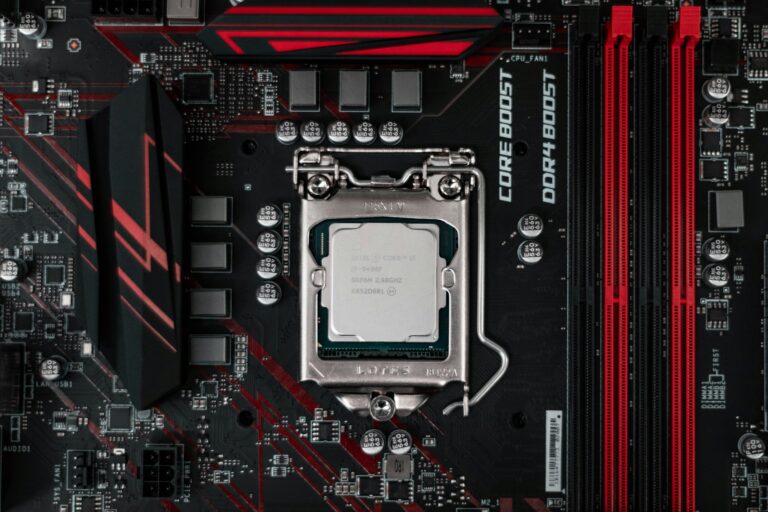
- Massive Intel Investment: Nvidia purchased 214,776,632 shares of Intel at $23.28 each in December, totaling a $5 billion investment, and with Intel's stock doubling since then, this move has generated significant unrealized gains for Nvidia, showcasing its strategic positioning in the semiconductor sector.
- AI Data Center Collaboration: The partnership between Nvidia and Intel aims to advance AI data centers by integrating Nvidia's GPUs with Intel's x86 processors, and if Intel successfully executes a multi-year turnaround, it could yield billions in investment income for Nvidia, further solidifying its leadership in the AI domain.
See More

Monumental Shift in Tech Market Dynamics in 2026


- Investor Rotation Trend: Institutional investors are aggressively rotating out of software and into AI hardware, driving significant year-to-date gains for memory and storage leaders, indicating a strong preference for emerging technologies.
- Surging Hardware Revenues: SanDisk's revenue is projected to double to $15.2 billion in 2026, with operating income expected to reach $7 billion, a tenfold increase from 2025, reflecting robust demand for AI chips and storage solutions.
- Software Market Weakness: While software giants like Nvidia remain strong in guidance, signs of capitulation are emerging, as investors shift focus to mid-cap tech for alpha, indicating waning confidence in traditional software sectors.
- Changing Market Dynamics: The market performance in 2026 appears flat, yet many stocks are thriving beneath the surface, suggesting that returns from investments in AI hardware are attracting more attention and could reshape future investment strategies.
See More

Circle Internet Group Shares Surge 31% Following Strong Earnings Report

- Earnings Surprise: Circle Internet Group's fourth-quarter earnings report revealed a remarkable 77% revenue increase to $770.2 million, significantly surpassing analyst expectations of $745 million, indicating robust market demand and growth potential.
- Stablecoin Surge: The circulation of USDC skyrocketed by 72% to $75.3 billion, while on-chain transaction volume surged 247% to $11.9 billion, reflecting Circle's dominant position and increasing user acceptance in the stablecoin market.
- New Product Launch: Circle introduced a new product, Arc, capable of handling payments across various asset classes, enhancing its product diversity and market competitiveness, while also receiving conditional approval to establish a national trust bank, strengthening USDC infrastructure.
- Optimistic Future Outlook: Circle projects a 40% compound annual growth rate for USDC circulation by 2026, with anticipated other revenue between $150 million and $170 million, showcasing the company's positive progress in diversifying its revenue streams.
See More

U.S. Stock Futures Decline Amid Escalating Middle East Conflict

- Middle East Escalation: The U.S. and Israel's airstrikes on Iran, resulting in the death of Supreme Leader Ali Khamenei, have heightened market concerns over soaring energy prices, with oil prices rising by 2.2%, potentially driving inflation higher and impacting Federal Reserve policies.
- Market Reaction: Dow E-minis fell by 494 points (1.01%), S&P 500 E-minis dropped by 72.5 points (1.05%), and Nasdaq 100 E-minis decreased by 332.75 points (1.33%), reflecting investor anxiety about the future economic outlook amid geopolitical tensions.
- Airline Stocks Hit: Travel and airline stocks suffered significantly due to flight cancellations and closures of Middle Eastern airspace, with rising jet fuel costs adding to investor unease and exacerbating market volatility.
- Fed Policy Outlook: As inflation readings continue to pile up, expectations for the Fed to raise interest rates have strengthened, particularly given the increasing divisions among Fed officials regarding the path of rates, prompting investors to closely monitor upcoming economic data.
See More
Nvidia Shares Decline Once More; New AI Chip May Provide a Boost.
- Earnings Performance: Nvidia was expected to continue its decline following disappointing earnings results.
- New Product Potential: The introduction of a new artificial-intelligence processor may generate renewed interest and excitement for the company.
See More
Nvidia Q4 Earnings Beat but Stock Drops
- Earnings Beat: Nvidia's fourth-quarter earnings exceeded market expectations, although specific figures were not disclosed, analysts believe this reflects the company's strong performance in the artificial intelligence sector, potentially attracting more investor interest.
- Significant Stock Drop: Despite the positive earnings report, Nvidia's stock experienced its largest drop in 10 months during Friday's trading, likely due to market concerns about the overall economic outlook and a reassessment of high valuations by investors.
- Impact of Dollar Weakness: As the US dollar weakens, investors are increasingly looking at the attractiveness of foreign stocks, with analysts suggesting opportunities outside of Nvidia in the AI sector to diversify investment risks and capture potential gains.
- Market Analysis Discussion: Main Street Research's Chief Investment Officer James Demmert discussed with Morning Brief host Julie Hyman how to effectively invest in the current market environment, emphasizing the importance of continued focus on the AI industry and diversified investment strategies.
See More
Nvidia's 13F Report Reveals Investment Dynamics
- Portfolio Adjustment: Nvidia's 13F report for Q4 reveals the complete sale of 1,101,249 shares of Arm Holdings and 7,716,050 shares of Applied Digital, indicating a cautious stance towards high-valuation stocks, especially as Arm's price surged since its IPO, reflecting market optimism about its future.
- Profit-Taking Strategy: With Arm Holdings' P/S ratio at 29 and Applied Digital's exceeding 23, Nvidia's sell-off not only locks in profits but also signals a reaction to perceived market overvaluation, demonstrating a more prudent approach in its investment decisions.
- Massive Intel Investment: Nvidia purchased 214,776,632 shares of Intel at $23.28 each in December, totaling a $5 billion investment, and with Intel's stock doubling since then, this move has generated significant unrealized gains for Nvidia, showcasing its strategic positioning in the semiconductor sector.
- AI Data Center Collaboration: The partnership between Nvidia and Intel aims to advance AI data centers by integrating Nvidia's GPUs with Intel's x86 processors, and if Intel successfully executes a multi-year turnaround, it could yield billions in investment income for Nvidia, further solidifying its leadership in the AI domain.
See More
Monumental Shift in Tech Market Dynamics in 2026
- Investor Rotation Trend: Institutional investors are aggressively rotating out of software and into AI hardware, driving significant year-to-date gains for memory and storage leaders, indicating a strong preference for emerging technologies.
- Surging Hardware Revenues: SanDisk's revenue is projected to double to $15.2 billion in 2026, with operating income expected to reach $7 billion, a tenfold increase from 2025, reflecting robust demand for AI chips and storage solutions.
- Software Market Weakness: While software giants like Nvidia remain strong in guidance, signs of capitulation are emerging, as investors shift focus to mid-cap tech for alpha, indicating waning confidence in traditional software sectors.
- Changing Market Dynamics: The market performance in 2026 appears flat, yet many stocks are thriving beneath the surface, suggesting that returns from investments in AI hardware are attracting more attention and could reshape future investment strategies.
See More
Circle Internet Group Shares Surge 31% Following Strong Earnings Report
- Earnings Surprise: Circle Internet Group's fourth-quarter earnings report revealed a remarkable 77% revenue increase to $770.2 million, significantly surpassing analyst expectations of $745 million, indicating robust market demand and growth potential.
- Stablecoin Surge: The circulation of USDC skyrocketed by 72% to $75.3 billion, while on-chain transaction volume surged 247% to $11.9 billion, reflecting Circle's dominant position and increasing user acceptance in the stablecoin market.
- New Product Launch: Circle introduced a new product, Arc, capable of handling payments across various asset classes, enhancing its product diversity and market competitiveness, while also receiving conditional approval to establish a national trust bank, strengthening USDC infrastructure.
- Optimistic Future Outlook: Circle projects a 40% compound annual growth rate for USDC circulation by 2026, with anticipated other revenue between $150 million and $170 million, showcasing the company's positive progress in diversifying its revenue streams.
See More
U.S. Stock Futures Decline Amid Escalating Middle East Conflict
- Middle East Escalation: The U.S. and Israel's airstrikes on Iran, resulting in the death of Supreme Leader Ali Khamenei, have heightened market concerns over soaring energy prices, with oil prices rising by 2.2%, potentially driving inflation higher and impacting Federal Reserve policies.
- Market Reaction: Dow E-minis fell by 494 points (1.01%), S&P 500 E-minis dropped by 72.5 points (1.05%), and Nasdaq 100 E-minis decreased by 332.75 points (1.33%), reflecting investor anxiety about the future economic outlook amid geopolitical tensions.
- Airline Stocks Hit: Travel and airline stocks suffered significantly due to flight cancellations and closures of Middle Eastern airspace, with rising jet fuel costs adding to investor unease and exacerbating market volatility.
- Fed Policy Outlook: As inflation readings continue to pile up, expectations for the Fed to raise interest rates have strengthened, particularly given the increasing divisions among Fed officials regarding the path of rates, prompting investors to closely monitor upcoming economic data.
See More