

Nuclear Market Expected to Reach $42 Billion by 2026 Amid Net-Zero Goals

- Market Growth Potential: The global nuclear power market is projected to reach approximately $42 billion by 2026, reflecting the critical role of nuclear energy in the clean energy transition, particularly in industrial decarbonization and grid stability.
- Policy-Driven Investments: Government initiatives such as carbon pricing and long-term power purchase agreements are driving investments in nuclear power and life-extension projects for existing reactors, ensuring nuclear energy's significant role alongside renewables.
- Technological Innovation Outlook: Advanced designs like small modular reactors (SMRs) are gaining traction, expected to reduce upfront costs and enhance safety, catering to niche markets such as remote areas and data centers.
- Strategic Collaboration Opportunities: DevvStream has signed a memorandum of understanding with multiple companies to explore strategic collaboration on SMR nuclear power development and electro-sustainable aviation fuel (eSAF) production, aiming to advance reliable zero-carbon electricity supply.
Trade with 70% Backtested Accuracy
Analyst Views on CEG

About CEG
About the author

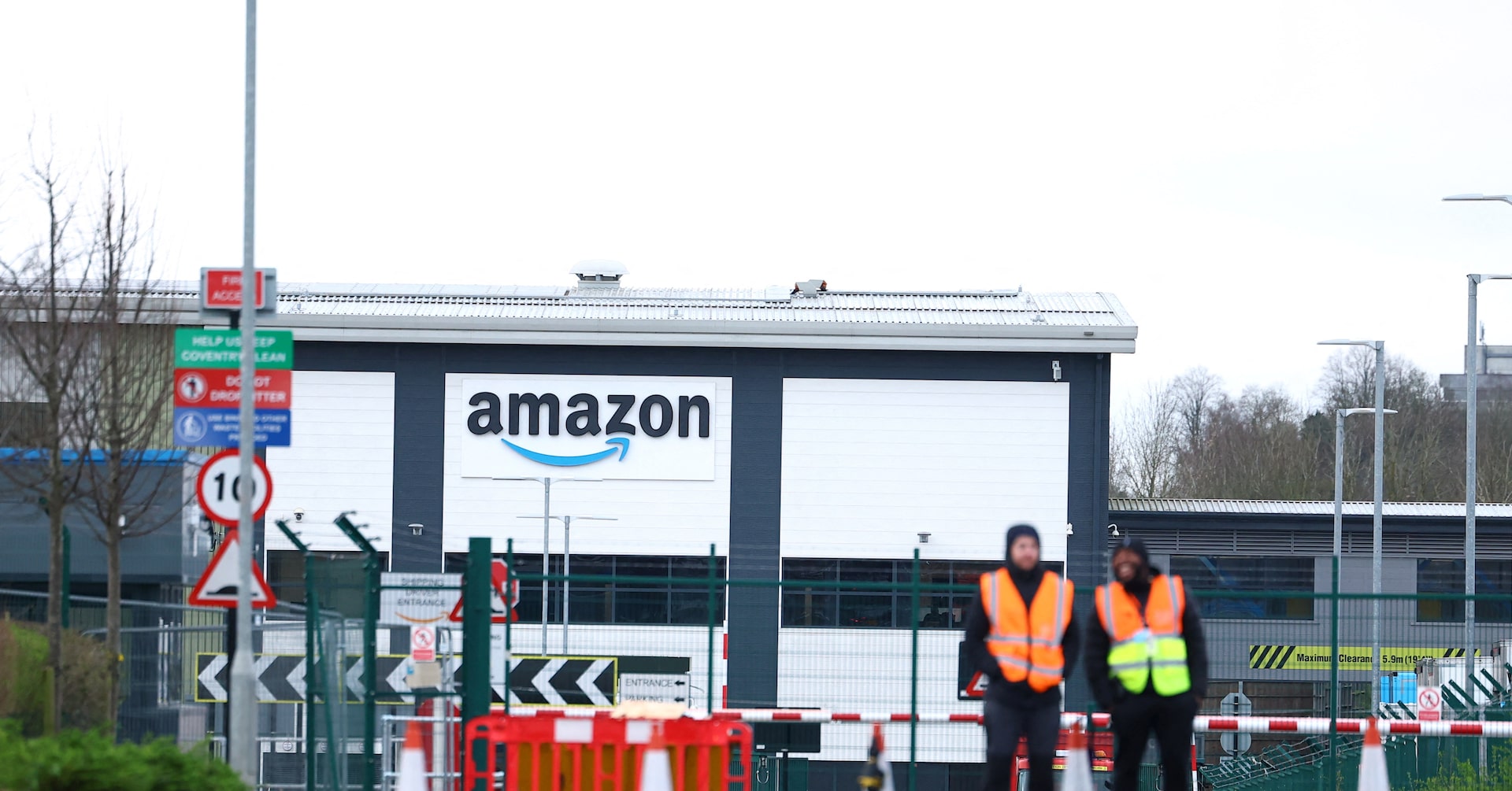
Utilities: The Surprising Shift in AI Infrastructure Investment


Shift in Utilities Sector: The utilities sector is experiencing a narrative shift from being viewed as defensive and predictable to being discussed in terms of growth, driven by advancements in artificial intelligence and data center expansion, which could lead to unprecedented increases in electricity demand.
Investment Trends: The Utilities Select Sector SPDR Fund (XLU) has seen significant growth, outperforming the broader S&P 500, with institutional flows indicating a positive sentiment shift towards utilities, as approximately $6.5 billion has flowed into XLU over the past year.
Nuclear Power's Role: Nuclear energy is highlighted as a critical component in meeting the rising demand for reliable electricity, particularly in an AI-driven environment, as it provides stable base load generation without the intermittency challenges faced by some renewable sources.
Market Performance and Recommendations: Companies like NextEra Energy and Constellation Energy are noted for their strong market performance, with analysts recommending specific stocks for investment, emphasizing the growing confidence in long-term electricity demand driven by AI and data center needs.

DJT Stock Declines After Trump's Speech on Iran

- Stock Fluctuation: Trump Media & Technology Group (DJT) fell 2.28% on Friday following President Trump's strong speech on Iran, despite high discussion levels on Stocktwits, indicating increased market attention but a neutral overall sentiment.
- Market Reaction: Trump's emphasis on the U.S. taking further military action against Iranian nuclear threats sparked discussions around nuclear stocks, yet DJT's retail popularity did not translate into a price increase, reflecting investor uncertainty about future developments.
- Nuclear Stock Performance: In contrast to DJT, nuclear-related stocks like Constellation Energy (CEG) ended the day up 1.95% but saw a slight decline of 0.28% in after-hours trading, showcasing divergent views on the nuclear sector's outlook.
- Investor Sentiment: While some traders believe that long-term instability could benefit nuclear energy as part of an energy security strategy, others argue that escalating conflicts could pose greater risks to the overall market than sector-specific advantages, reflecting the complex emotions surrounding future geopolitical tensions.

Investment Outlook for Hydrogen and Nuclear Energy

- Hydrogen Infrastructure Development: Plug Power has deployed 230 megawatts of GenEco electrolyzers globally, focusing on hydrogen infrastructure, yet despite a 13% year-over-year revenue increase in Q3 2025, it faces an operating loss of $704.1 million, indicating insufficient profitability.
- Hydrogen Supply Capacity: The company supplies 45 tons of hydrogen daily to major clients like Amazon, Home Depot, and General Motors, but with $991.4 million in debt against only $165.9 million in cash, its financial health appears precarious.
- Nuclear Energy Investment Opportunity: NextEra Energy, as America's largest electric utility, reported a net income of $2.97 billion in 2025, up 29.4%, and projects an 8% compound annual growth rate in earnings per share through 2035, showcasing strong growth potential in the green energy sector.
- Comparison of Nuclear and Hydrogen: While hydrogen holds promise, nuclear energy emerges as a more attractive investment due to its profitability and stable dividend (increased for 31 consecutive years), currently yielding 2.4%, reflecting its long-term investment value.

Comparison of Hydrogen Infrastructure and Nuclear Energy Investment
- Hydrogen Market Potential: PlugPower has deployed 230 megawatts of GenEco electrolyzers globally, and while its Q3 2025 revenue grew by 13% year-over-year, its operating loss reached $704.1 million, indicating that its growth is insufficient to offset significant losses, thus increasing investment risk.
- Nuclear Revival Plan: NextEra Energy is partnering with Alphabet to restart the Duane Arnold nuclear power plant in Iowa, projected to be operational by Q1 2029, which will supply power to Alphabet for the next 25 years, showcasing its strategic positioning in the green energy sector.
- Financial Performance Comparison: NextEra reported a net income of $2.97 billion in 2025, a 29.4% increase year-over-year, with earnings per share (EPS) growing by 28.5%, while PlugPower faces a staggering $991.4 million in debt, highlighting NextEra's stronger financial health.
- Dividend Appeal: NextEra has raised its dividend for 31 consecutive years, currently yielding 2.4%, and despite a payout ratio of 70.3%, it reflects a commitment to shareholder returns, making it attractive for long-term investors.

Jim Cramer Highlights AI Investment Opportunities


- AI Investment Focus: Jim Cramer emphasized the significance of AI stocks during the Investing Club meeting, particularly highlighting Nvidia as the gold standard in AI computing, with its stunning quarterly results reinforcing the notion of an ongoing Fourth Industrial Revolution.
- Corning's New Strategy: After visiting its Kentucky factory, Jim learned about Corning's ambition to enhance data center connectivity by replacing copper with fiber optics, indicating a strong growth trajectory in the data center market that could drive future company performance.
- Eaton's Acquisition Plans: Eaton's strategy to spin off its eMobility unit and acquire Boyd Thermal aims to bolster its competitive edge in liquid cooling technology, which is crucial for managing heat in AI chips, thereby enhancing its market position.
- Alphabet and Amazon Performance: Alphabet stands out in the AI sector with its strong YouTube and cloud computing divisions, while Amazon's AWS cloud business is accelerating, although both face capital expenditure pressures, they are still viewed as solid long-term investment opportunities.

Surge in AI Investment Signals Economic Optimism

- Surge in AI Investment: OpenAI announced it secured a total of $110 billion in new investments from Amazon ($50 billion), Nvidia ($30 billion), and Softbank ($30 billion), elevating its valuation to $730 billion, indicating a robust trend of capital flowing into AI infrastructure and signaling potential economic expansion.
- Economic Growth Signals: Jim Cramer noted that despite core wholesale prices rising 0.8% in January, the decline in the 10-year Treasury yield reduces borrowing costs for companies, enhancing the present value of future profits, particularly benefiting growth stocks and AI-related companies.
- Strong Corporate Performance: Dell's strong fourth-quarter results and positive guidance, driven by accelerating AI server revenue, saw its shares jump over 18% on Friday, further bolstering market confidence in AI investments.
- Sustained Infrastructure Demand: CoreWeave's CEO emphasized relentless demand for AI infrastructure over the past three years; despite an 11% drop in stock price, the company is aggressively scaling to meet surging compute demands, indicating long-term growth potential in the AI sector.
Utilities: The Surprising Shift in AI Infrastructure Investment
Shift in Utilities Sector: The utilities sector is experiencing a narrative shift from being viewed as defensive and predictable to being discussed in terms of growth, driven by advancements in artificial intelligence and data center expansion, which could lead to unprecedented increases in electricity demand.
Investment Trends: The Utilities Select Sector SPDR Fund (XLU) has seen significant growth, outperforming the broader S&P 500, with institutional flows indicating a positive sentiment shift towards utilities, as approximately $6.5 billion has flowed into XLU over the past year.
Nuclear Power's Role: Nuclear energy is highlighted as a critical component in meeting the rising demand for reliable electricity, particularly in an AI-driven environment, as it provides stable base load generation without the intermittency challenges faced by some renewable sources.
Market Performance and Recommendations: Companies like NextEra Energy and Constellation Energy are noted for their strong market performance, with analysts recommending specific stocks for investment, emphasizing the growing confidence in long-term electricity demand driven by AI and data center needs.
DJT Stock Declines After Trump's Speech on Iran
- Stock Fluctuation: Trump Media & Technology Group (DJT) fell 2.28% on Friday following President Trump's strong speech on Iran, despite high discussion levels on Stocktwits, indicating increased market attention but a neutral overall sentiment.
- Market Reaction: Trump's emphasis on the U.S. taking further military action against Iranian nuclear threats sparked discussions around nuclear stocks, yet DJT's retail popularity did not translate into a price increase, reflecting investor uncertainty about future developments.
- Nuclear Stock Performance: In contrast to DJT, nuclear-related stocks like Constellation Energy (CEG) ended the day up 1.95% but saw a slight decline of 0.28% in after-hours trading, showcasing divergent views on the nuclear sector's outlook.
- Investor Sentiment: While some traders believe that long-term instability could benefit nuclear energy as part of an energy security strategy, others argue that escalating conflicts could pose greater risks to the overall market than sector-specific advantages, reflecting the complex emotions surrounding future geopolitical tensions.
Investment Outlook for Hydrogen and Nuclear Energy
- Hydrogen Infrastructure Development: Plug Power has deployed 230 megawatts of GenEco electrolyzers globally, focusing on hydrogen infrastructure, yet despite a 13% year-over-year revenue increase in Q3 2025, it faces an operating loss of $704.1 million, indicating insufficient profitability.
- Hydrogen Supply Capacity: The company supplies 45 tons of hydrogen daily to major clients like Amazon, Home Depot, and General Motors, but with $991.4 million in debt against only $165.9 million in cash, its financial health appears precarious.
- Nuclear Energy Investment Opportunity: NextEra Energy, as America's largest electric utility, reported a net income of $2.97 billion in 2025, up 29.4%, and projects an 8% compound annual growth rate in earnings per share through 2035, showcasing strong growth potential in the green energy sector.
- Comparison of Nuclear and Hydrogen: While hydrogen holds promise, nuclear energy emerges as a more attractive investment due to its profitability and stable dividend (increased for 31 consecutive years), currently yielding 2.4%, reflecting its long-term investment value.
Comparison of Hydrogen Infrastructure and Nuclear Energy Investment
- Hydrogen Market Potential: PlugPower has deployed 230 megawatts of GenEco electrolyzers globally, and while its Q3 2025 revenue grew by 13% year-over-year, its operating loss reached $704.1 million, indicating that its growth is insufficient to offset significant losses, thus increasing investment risk.
- Nuclear Revival Plan: NextEra Energy is partnering with Alphabet to restart the Duane Arnold nuclear power plant in Iowa, projected to be operational by Q1 2029, which will supply power to Alphabet for the next 25 years, showcasing its strategic positioning in the green energy sector.
- Financial Performance Comparison: NextEra reported a net income of $2.97 billion in 2025, a 29.4% increase year-over-year, with earnings per share (EPS) growing by 28.5%, while PlugPower faces a staggering $991.4 million in debt, highlighting NextEra's stronger financial health.
- Dividend Appeal: NextEra has raised its dividend for 31 consecutive years, currently yielding 2.4%, and despite a payout ratio of 70.3%, it reflects a commitment to shareholder returns, making it attractive for long-term investors.
Jim Cramer Highlights AI Investment Opportunities
- AI Investment Focus: Jim Cramer emphasized the significance of AI stocks during the Investing Club meeting, particularly highlighting Nvidia as the gold standard in AI computing, with its stunning quarterly results reinforcing the notion of an ongoing Fourth Industrial Revolution.
- Corning's New Strategy: After visiting its Kentucky factory, Jim learned about Corning's ambition to enhance data center connectivity by replacing copper with fiber optics, indicating a strong growth trajectory in the data center market that could drive future company performance.
- Eaton's Acquisition Plans: Eaton's strategy to spin off its eMobility unit and acquire Boyd Thermal aims to bolster its competitive edge in liquid cooling technology, which is crucial for managing heat in AI chips, thereby enhancing its market position.
- Alphabet and Amazon Performance: Alphabet stands out in the AI sector with its strong YouTube and cloud computing divisions, while Amazon's AWS cloud business is accelerating, although both face capital expenditure pressures, they are still viewed as solid long-term investment opportunities.
Surge in AI Investment Signals Economic Optimism
- Surge in AI Investment: OpenAI announced it secured a total of $110 billion in new investments from Amazon ($50 billion), Nvidia ($30 billion), and Softbank ($30 billion), elevating its valuation to $730 billion, indicating a robust trend of capital flowing into AI infrastructure and signaling potential economic expansion.
- Economic Growth Signals: Jim Cramer noted that despite core wholesale prices rising 0.8% in January, the decline in the 10-year Treasury yield reduces borrowing costs for companies, enhancing the present value of future profits, particularly benefiting growth stocks and AI-related companies.
- Strong Corporate Performance: Dell's strong fourth-quarter results and positive guidance, driven by accelerating AI server revenue, saw its shares jump over 18% on Friday, further bolstering market confidence in AI investments.
- Sustained Infrastructure Demand: CoreWeave's CEO emphasized relentless demand for AI infrastructure over the past three years; despite an 11% drop in stock price, the company is aggressively scaling to meet surging compute demands, indicating long-term growth potential in the AI sector.




