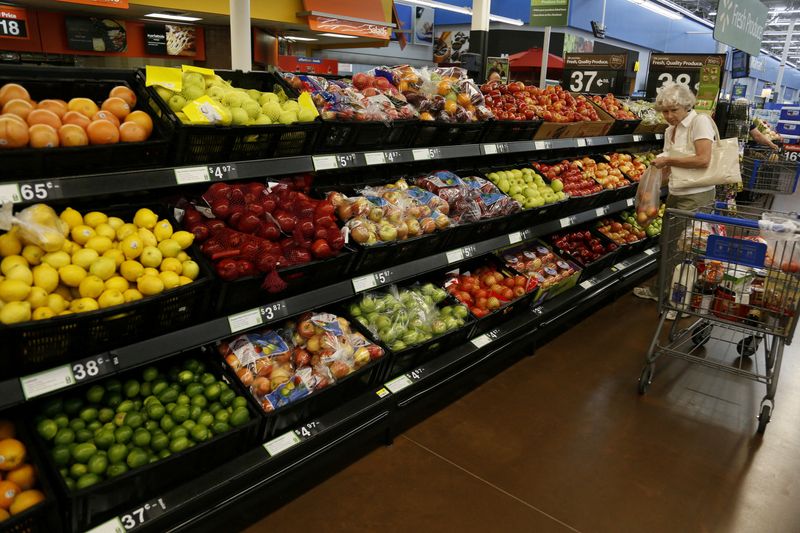
New Balance Sales Surge 19% to $9.2 Billion Amid Market Share Gains
Written by Emily J. Thompson, Senior Investment Analyst
Updated: Feb 19 2026
0mins


Source: CNBC
- Significant Sales Growth: New Balance achieved $9.2 billion in sales for 2025, marking a 19% increase, outperforming competitors in the global footwear market and demonstrating strong market competitiveness.
- Market Share Gains: Since 2020, New Balance has seen a staggering 180% sales growth, successfully capturing market share from competitors like Nike, reflecting its successful brand positioning and market strategy.
- Store Expansion Plans: In 2025, New Balance plans to open 80 new stores globally, which, despite high costs and long return periods, will further drive revenue growth and market coverage.
- Brand Positioning Strategy: By positioning itself as a premium brand, New Balance has increased its average selling price by 30% over the past five years while avoiding excessive discounts, ensuring brand value and market competitiveness.
Trade with 70% Backtested Accuracy
Stop guessing "Should I Buy NKE?" and start using high-conviction signals backed by rigorous historical data.
Sign up today to access powerful investing tools and make smarter, data-driven decisions.
Analyst Views on NKE
Wall Street analysts forecast NKE stock price to rise
21 Analyst Rating
14 Buy
7 Hold
0 Sell
Moderate Buy
Current: 62.180

Low
62.00
Averages
76.11
High
110.00
Current: 62.180
Low
62.00
Averages
76.11
High
110.00
About NKE
NIKE, Inc. is engaged in the designing, marketing and distributing of athletic footwear, apparel, equipment and accessories and services for sports and fitness activities. The Company's operating segments include North America; Europe, Middle East & Africa (EMEA); Greater China; and Asia Pacific & Latin America (APLA). It sells a line of equipment and accessories under the NIKE Brand name, including bags, socks, sport balls, eyewear, timepieces, digital devices, bats, gloves, protective equipment and other equipment designed for sports activities. It also designs products specifically for the Jordan Brand and Converse. The Jordan Brand designs, distributes and licenses athletic and casual footwear, apparel and accessories predominantly focused on basketball performance and culture using the Jumpman trademark. The Company also designs, distributes and licenses casual sneakers, apparel and accessories under the Chuck Taylor, All Star, One Star, Star Chevron and Jack Purcell trademarks.
About the author

Emily J. Thompson
Emily J. Thompson, a Chartered Financial Analyst (CFA) with 12 years in investment research, graduated with honors from the Wharton School. Specializing in industrial and technology stocks, she provides in-depth analysis for Intellectia’s earnings and market brief reports.

Nike Reports Significant Earnings Decline in Q2 2026

- Earnings Decline: Nike's diluted earnings per share fell by 38% from Q2 2023 to Q2 2026, indicating significant challenges in restoring steady revenue and profit growth, which may impact investor confidence.
- Increased Competition: Over the past three years, Nike's stock price has declined by 46%, while the S&P 500 has risen by 74%, highlighting Nike's disadvantage in a fiercely competitive consumer market, prompting management to take urgent measures.
- Strategic Transformation: CEO Elliott Hill is implementing a major turnaround by prioritizing new product launches and rebuilding relationships with wholesale clients, aiming to enhance brand loyalty through reduced promotions and discounts, thereby improving future financial performance.
- Future Outlook: Analysts expect Nike's EPS to rise at a compound annual growth rate of 9.2% between fiscal 2025 and fiscal 2028, although there is high uncertainty, requiring investors to possess patience and risk tolerance to achieve substantial returns over the next three years.
See More
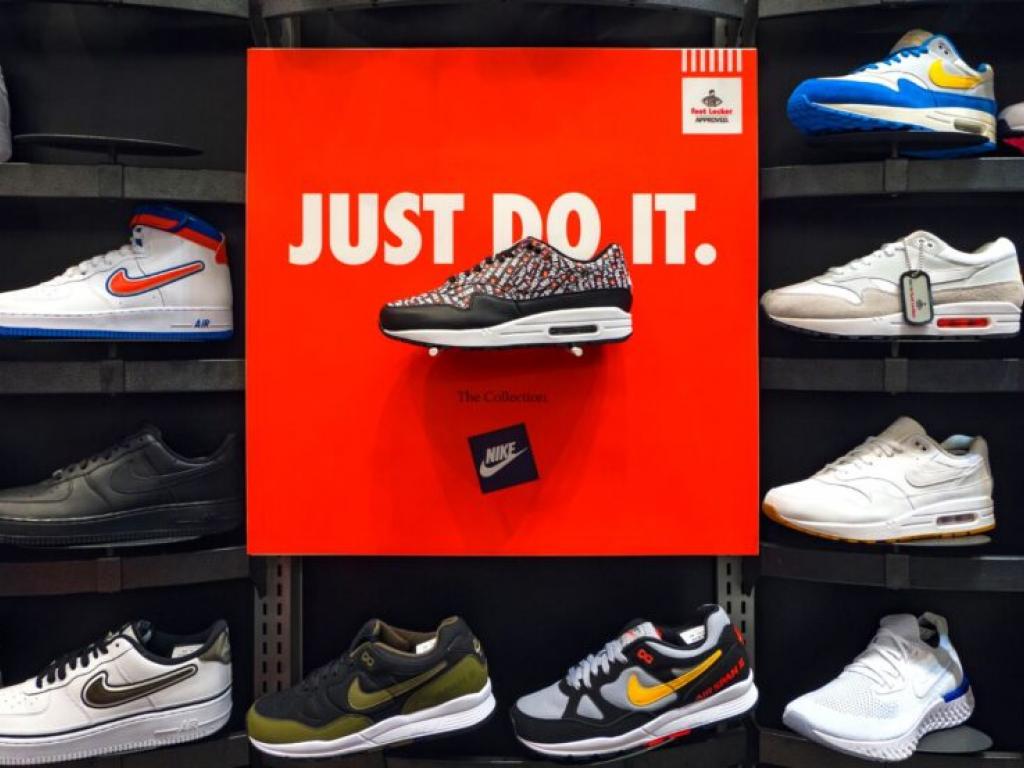
CrowdStrike and Eli Lilly Options Trading Active

- CrowdStrike Options Volume: As of now, CrowdStrike Holdings Inc (CRWD) options have reached a trading volume of 25,887 contracts, equivalent to approximately 2.6 million shares, representing a significant 53.7% of its average daily trading volume over the past month, indicating strong market interest in the stock.
- High Strike Options Activity: Within CRWD, the $400 strike call option has been particularly active, with 1,316 contracts traded today, representing about 131,600 underlying shares, reflecting investor expectations for future price increases.
- Eli Lilly Options Volume: Concurrently, Eli Lilly (LLY) options have shown a trading volume of 19,886 contracts, approximately 2.0 million shares, accounting for 52.5% of its average daily trading volume over the past month, highlighting the stock's market activity.
- High Strike Options Focus: For LLY, the $1100 strike call option has also been notably active, with 1,461 contracts traded today, representing around 146,100 shares, indicating optimistic sentiment among investors regarding the stock's future performance.
See More
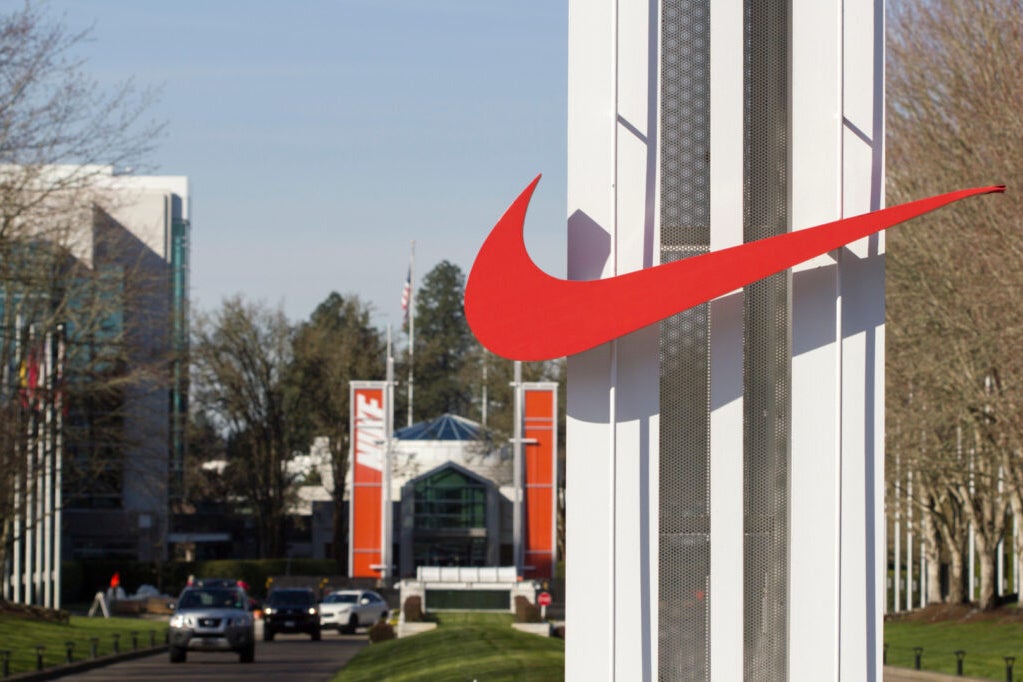
Nike Faces Challenges and Opportunities in the Next Three Years
- Poor Stock Performance: Over the past three years, Nike's (NKE) stock has plummeted by 46% while the S&P 500 has surged by 74%, indicating a significant decline in Nike's competitive position and investor confidence in its future.
- Deteriorating Financials: Between Q2 2023 and Q2 2026, Nike's revenue and diluted earnings per share fell by 7% and 38%, respectively, highlighting management missteps in product development and distribution that necessitate urgent financial recovery.
- Strategic Transformation: CEO Elliott Hill is implementing a major turnaround by prioritizing product innovation and rebuilding relationships with wholesale accounts, aiming to strengthen consumer connections through reduced promotions and discounts to enhance future market performance.
- Uncertain Future Outlook: Although analysts predict a 9.2% compound annual growth rate for Nike's EPS from 2025 to 2028, the high uncertainty surrounding Nike's future means investors must be patient to realize significant returns in the coming years.
See More
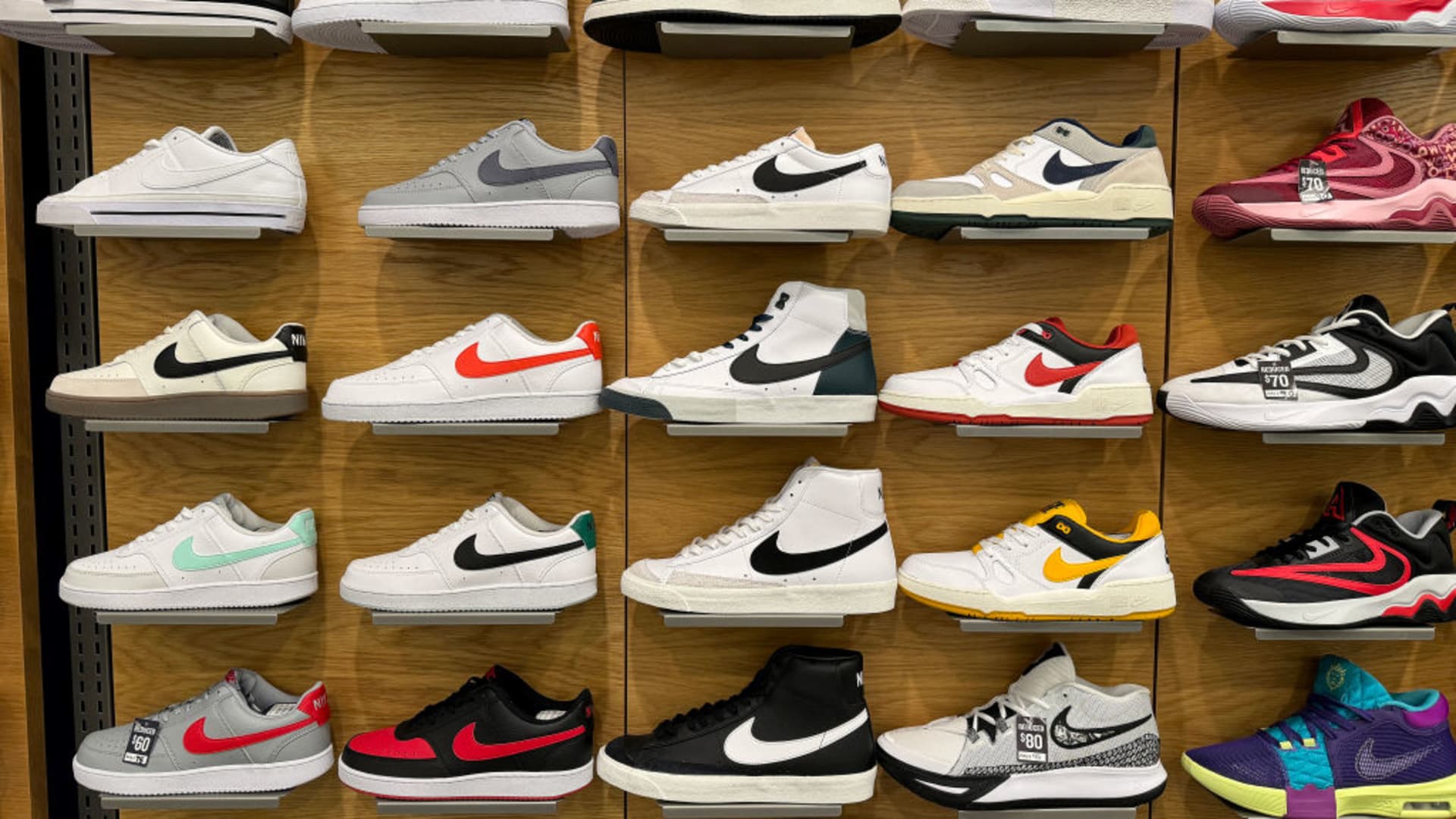
Opportunities and Challenges in the Footwear and Apparel Industry

- Premiumization Trend: The footwear and apparel industry is benefiting from consumers' preference for high-performance, high-quality products, which is driving price increases and enhancing brand loyalty, likely strengthening market competitiveness further.
- Digital Transformation: Brands are increasingly investing in e-commerce platforms and data analytics, improving customer relationships and inventory efficiency, which promotes growth in direct-to-consumer sales and enhances market responsiveness.
- Margin Pressure: Despite the overall optimistic outlook for the industry, frequent promotional activities, excess inventory, and cautious consumer spending are compressing profit margins, posing challenges to profitability.
- Industry Ranking: The Zacks Shoes and Retail Apparel industry ranks 89, placing it in the top 37%, indicating the sector's potential for future earnings growth, even though its overall performance has been poor over the past year.
See More
Nike Faces Challenges in Rebuilding Earnings Model
- Revenue Decline Moderation: Nike's revenue fell approximately 10% year-over-year in fiscal 2025, marking a rare contraction for the company, although its brand power remains strong, the weakened operating model contributed to this outcome.
- Margin Compression: The gross margin significantly compressed by 190 basis points to 42.7% due to increased promotions aimed at clearing excess inventory, reflecting the pressures faced by the company amid intensified market competition.
- Inventory Management Improvement: In the second quarter of fiscal 2026, Nike's revenue increased by 1%, primarily driven by a recovery in wholesale performance, while inventory decreased by 3% due to lower units, indicating initial progress in stabilizing operations.
- Earnings Model Reconstruction: Nike's operating margin fell to 7.8% in the first half of fiscal 2026, significantly below historical levels, and future success hinges on achieving consistent gross margin expansion and improved cost control to restore earnings momentum.
See More
Nike Stabilizes but Not Turnaround; Future Depends on Margin Recovery
- Revenue Recovery: Nike reported a 1% year-over-year revenue increase in Q2 of fiscal 2026, primarily driven by a recovery in wholesale performance, indicating a gradual stabilization after a 10% annual revenue decline.
- Inventory Management Improvement: The company's inventory levels decreased by 3% compared to last year, reflecting better alignment with demand and improved inventory forecasting, although further optimization is needed to avoid excessive discounting that compresses margins.
- Margin Challenges: Despite strong brand power, Nike's operating margin fell to 7.8% in the first half of fiscal 2026, significantly below historical levels, highlighting substantial challenges in restoring profitability.
- Strategic Transformation Necessity: Nike's new
See More
Nike Reports Significant Earnings Decline in Q2 2026
- Earnings Decline: Nike's diluted earnings per share fell by 38% from Q2 2023 to Q2 2026, indicating significant challenges in restoring steady revenue and profit growth, which may impact investor confidence.
- Increased Competition: Over the past three years, Nike's stock price has declined by 46%, while the S&P 500 has risen by 74%, highlighting Nike's disadvantage in a fiercely competitive consumer market, prompting management to take urgent measures.
- Strategic Transformation: CEO Elliott Hill is implementing a major turnaround by prioritizing new product launches and rebuilding relationships with wholesale clients, aiming to enhance brand loyalty through reduced promotions and discounts, thereby improving future financial performance.
- Future Outlook: Analysts expect Nike's EPS to rise at a compound annual growth rate of 9.2% between fiscal 2025 and fiscal 2028, although there is high uncertainty, requiring investors to possess patience and risk tolerance to achieve substantial returns over the next three years.
See More
CrowdStrike and Eli Lilly Options Trading Active
- CrowdStrike Options Volume: As of now, CrowdStrike Holdings Inc (CRWD) options have reached a trading volume of 25,887 contracts, equivalent to approximately 2.6 million shares, representing a significant 53.7% of its average daily trading volume over the past month, indicating strong market interest in the stock.
- High Strike Options Activity: Within CRWD, the $400 strike call option has been particularly active, with 1,316 contracts traded today, representing about 131,600 underlying shares, reflecting investor expectations for future price increases.
- Eli Lilly Options Volume: Concurrently, Eli Lilly (LLY) options have shown a trading volume of 19,886 contracts, approximately 2.0 million shares, accounting for 52.5% of its average daily trading volume over the past month, highlighting the stock's market activity.
- High Strike Options Focus: For LLY, the $1100 strike call option has also been notably active, with 1,461 contracts traded today, representing around 146,100 shares, indicating optimistic sentiment among investors regarding the stock's future performance.
See More
Nike Faces Challenges and Opportunities in the Next Three Years
- Poor Stock Performance: Over the past three years, Nike's (NKE) stock has plummeted by 46% while the S&P 500 has surged by 74%, indicating a significant decline in Nike's competitive position and investor confidence in its future.
- Deteriorating Financials: Between Q2 2023 and Q2 2026, Nike's revenue and diluted earnings per share fell by 7% and 38%, respectively, highlighting management missteps in product development and distribution that necessitate urgent financial recovery.
- Strategic Transformation: CEO Elliott Hill is implementing a major turnaround by prioritizing product innovation and rebuilding relationships with wholesale accounts, aiming to strengthen consumer connections through reduced promotions and discounts to enhance future market performance.
- Uncertain Future Outlook: Although analysts predict a 9.2% compound annual growth rate for Nike's EPS from 2025 to 2028, the high uncertainty surrounding Nike's future means investors must be patient to realize significant returns in the coming years.
See More
Opportunities and Challenges in the Footwear and Apparel Industry
- Premiumization Trend: The footwear and apparel industry is benefiting from consumers' preference for high-performance, high-quality products, which is driving price increases and enhancing brand loyalty, likely strengthening market competitiveness further.
- Digital Transformation: Brands are increasingly investing in e-commerce platforms and data analytics, improving customer relationships and inventory efficiency, which promotes growth in direct-to-consumer sales and enhances market responsiveness.
- Margin Pressure: Despite the overall optimistic outlook for the industry, frequent promotional activities, excess inventory, and cautious consumer spending are compressing profit margins, posing challenges to profitability.
- Industry Ranking: The Zacks Shoes and Retail Apparel industry ranks 89, placing it in the top 37%, indicating the sector's potential for future earnings growth, even though its overall performance has been poor over the past year.
See More
Nike Faces Challenges in Rebuilding Earnings Model
- Revenue Decline Moderation: Nike's revenue fell approximately 10% year-over-year in fiscal 2025, marking a rare contraction for the company, although its brand power remains strong, the weakened operating model contributed to this outcome.
- Margin Compression: The gross margin significantly compressed by 190 basis points to 42.7% due to increased promotions aimed at clearing excess inventory, reflecting the pressures faced by the company amid intensified market competition.
- Inventory Management Improvement: In the second quarter of fiscal 2026, Nike's revenue increased by 1%, primarily driven by a recovery in wholesale performance, while inventory decreased by 3% due to lower units, indicating initial progress in stabilizing operations.
- Earnings Model Reconstruction: Nike's operating margin fell to 7.8% in the first half of fiscal 2026, significantly below historical levels, and future success hinges on achieving consistent gross margin expansion and improved cost control to restore earnings momentum.
See More
Nike Stabilizes but Not Turnaround; Future Depends on Margin Recovery
- Revenue Recovery: Nike reported a 1% year-over-year revenue increase in Q2 of fiscal 2026, primarily driven by a recovery in wholesale performance, indicating a gradual stabilization after a 10% annual revenue decline.
- Inventory Management Improvement: The company's inventory levels decreased by 3% compared to last year, reflecting better alignment with demand and improved inventory forecasting, although further optimization is needed to avoid excessive discounting that compresses margins.
- Margin Challenges: Despite strong brand power, Nike's operating margin fell to 7.8% in the first half of fiscal 2026, significantly below historical levels, highlighting substantial challenges in restoring profitability.
- Strategic Transformation Necessity: Nike's new
See More