Nasdaq Closes Down, Posts Weekly Decline: Fear & Greed Index Stays in 'Extreme Fear' Territory


Market Sentiment: The CNN Money Fear and Greed index indicates a slight easing in fear levels, remaining in the "Extreme Fear" zone with a reading of 21.1, compared to 18.3 previously.
Stock Performance: U.S. stocks showed mixed results, with the Nasdaq Composite declining by 0.2% and the S&P 500 and Dow also experiencing losses, while Fluor Corp. shares rose over 2% after positive quarterly results.
Economic Concerns: Investor anxiety increased as the University of Michigan's consumer sentiment index fell to its lowest since June 2022, with the subindex for current economic conditions hitting a record low since 1951.
Sector Trends: Most S&P 500 sectors closed positively, particularly energy, utilities, and real estate, while communication services and information technology sectors saw declines; investors are also awaiting earnings reports from major companies.
Trade with 70% Backtested Accuracy
Analyst Views on TSN

About TSN
About the author

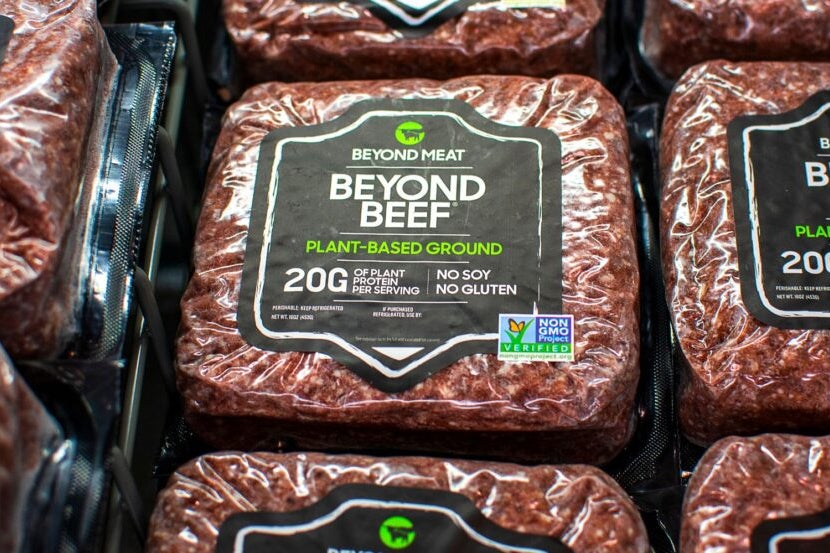
Analysis of Beyond Meat's Stock Price Collapse


- Revenue Growth Slowdown: Beyond Meat experienced a staggering 239% revenue growth in 2019, but this plummeted to just 37% in 2020 due to the pandemic, as consumers shifted back to cheaper animal-based meats, severely impacting market performance.
- Significant Margin Decline: The company's gross margin has drastically fallen from 33.5% in 2019 to 12.8% in 2024 due to inventory liquidation and increased competition, which not only affects profitability but also exacerbates financial pressures.
- Increased Share Dilution: Since its IPO, Beyond Meat has increased its outstanding shares by 678%, a trend that is likely to continue, further diluting shareholder value and complicating recovery efforts.
- Uncertain Future Outlook: Although Beyond Meat aims to stabilize its business through portfolio streamlining and price increases, analysts predict a 1% revenue decline in 2026 and only a 1% increase in 2027, highlighting the ongoing challenges the company faces.

Middleby Plans Spin-Off of Food Processing Segment
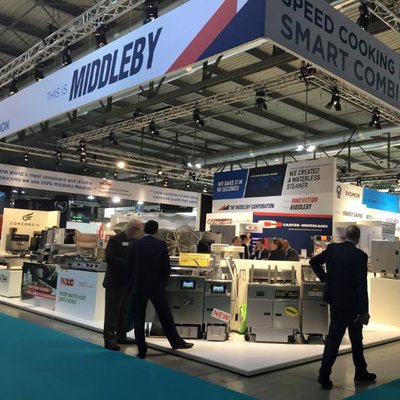

- Spin-Off Strategy: Middleby plans a tax-free spin-off of its food processing segment in February 2025, aiming to enhance shareholder value through independent management and capital structure, thereby positioning it as a primary acquisition vehicle.
- Financial Performance: The commercial foodservice segment boasts an EBITDA margin of 27%, while the food processing segment has grown from $3 million in revenue in 2005 to over $800 million, demonstrating strong growth potential but facing challenges with declining margins.
- Market Valuation: Based on conservative estimates, the enterprise value of both segments is around $11.5 billion, and after accounting for $1.9 billion in net debt, the equity is valued at approximately $9.6 billion, highlighting a significant gap compared to the current market cap of $8.5 billion.
- Share Buyback Program: Middleby has reduced its share count by 6.4% through the first three quarters of 2025, utilizing $540 million from the sale of its residential kitchen segment, which is expected to further enhance shareholder returns and improve margins in the food processing segment.
Analysis of Industrial Giants' Spin-Off Strategies
- Spin-Off Strategy: Major industrial players like Honeywell, DuPont, and Johnson & Johnson are executing spin-offs to unlock shareholder value, with Middleby planning a tax-free spin-off of its food processing segment in February 2025, which is expected to enhance its market competitiveness.
- Acquisition and Integration: Middleby has successfully increased the food processing segment's revenue from $3 million in 2005 to over $800 million by acquiring small equipment companies and integrating their operations, demonstrating strong growth potential in the commercial foodservice sector.
- Financial Performance: With annual revenue of $2.4 billion from its commercial foodservice segment, Middleby aims for the spun-off food processing segment to become a primary acquisition vehicle, although it must prove its profitability to achieve a higher market valuation despite currently generating less than $1 billion in revenue.
- Market Valuation: Preliminary estimates suggest the enterprise value of both segments is around $11.5 billion, and after accounting for net debt, the equity value is approximately $9.6 billion, highlighting a significant gap compared to the current market cap of $8.5 billion, with the spin-off aimed at closing this gap.

Trump's State of the Union: Food Price Dynamics


- Beef Price Surge: In his State of the Union address, Trump claimed beef prices are 'significantly coming down,' yet data shows the average price in January was $6.75 per pound, a 22% increase from January 2025, indicating ongoing supply-demand imbalances despite government efforts to alleviate the situation.
- Egg Price Decline: Trump stated that egg prices have dropped by 60%, aligning with Bureau of Labor Statistics data showing the price for a dozen eggs fell from $6.23 to $2.58, primarily due to a recovery in supply post-avian flu outbreak, although decreased demand also contributed to the price drop.
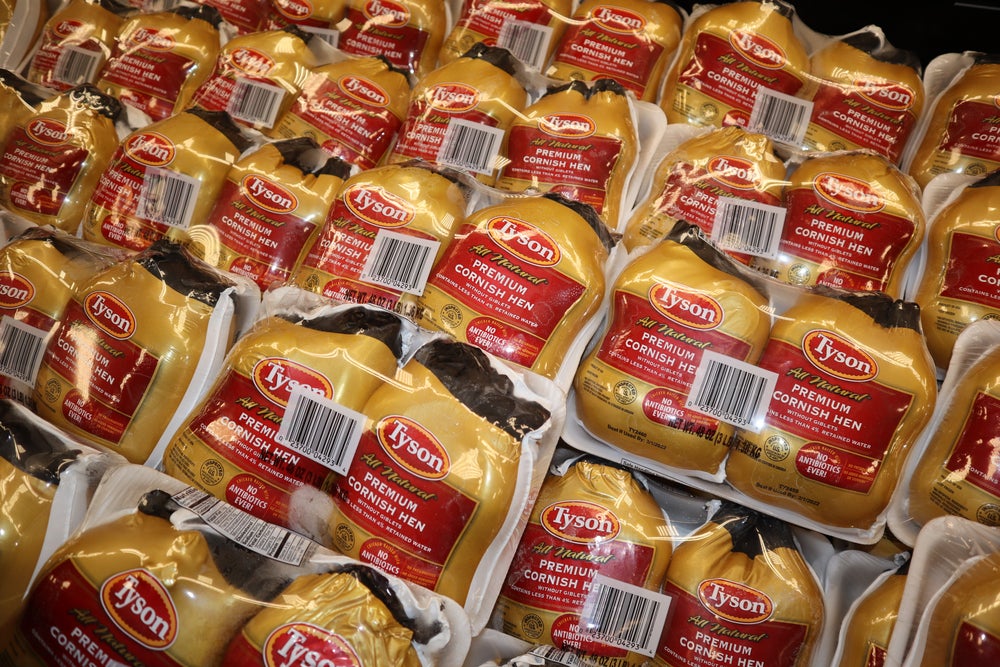
- Chicken Price Increase: Trump asserted that chicken prices are much lower than when he took office, but data reveals that the average price for boneless chicken breast in January was $4.17 per pound, up 1% from the previous year, reflecting subtle market dynamics.
- Tight Beef Supply: The U.S. cattle inventory has fallen to its lowest level in decades, with only 27.6 million beef cows as of January, leading to persistently high beef prices; economists cite drought and increased demand as key factors, suggesting prices may not significantly decline in the near future.
Supreme Court Strikes Down Trump's Tariffs, Market Reaction Mixed

- Tariff Ruling Impact: The Supreme Court's decision to strike down Trump's emergency tariffs is seen as positive for consumer-facing companies like Nike; however, the market remains cautious about the potential for tariffs to be reimposed, resulting in a muted response from retail and consumer stocks.
- Stock Volatility Analysis: Texas Roadhouse exited its position due to lackluster earnings, and although the stock initially opened higher on accelerating same-store sales, it ultimately turned lower, reflecting market concerns over high beef prices.
- Corning Stock Surge: Corning's shares rose 7%, making it one of the biggest gainers in the S&P 500 after UBS raised its price target from $125 to $160, with analysts increasing sales and earnings forecasts based on high capital expenditure plans from hyperscalers.
- Future Outlook: Analysts believe there could be further upward revisions in capital expenditures following Nvidia's earnings report next week, which may lead to additional contracts for Corning, particularly in fiber-optic cable and connectivity solutions, thereby driving the company's growth.

Texas Roadhouse Reports Disappointing Q4 Results Amid Stock Rally

- Triple Miss on Earnings: Texas Roadhouse reported disappointing fourth-quarter results, with revenue, comparable restaurant sales, and earnings per share all falling short of consensus analyst estimates, indicating significant market pressures.
- Sales Acceleration: Despite the poor performance, the stock rallied in premarket trading, primarily due to comparable sales growth accelerating from 2.2% in December to 8.2% through the first seven weeks of Q1 2026, reflecting improved customer traffic.
- Beef Inflation Pressure: Management reiterated a 7% commodity inflation forecast for 2026, which, while a relief to the market, suggests ongoing high beef prices will continue to pressure margins and limit upside potential for the stock.
- Sell Decision: Given the discouraging outlook for future earnings, the investor decided to sell the remaining 200 shares during the stock's rally, realizing an average gain of about 12%, reflecting a cautious approach to the current market environment.
Analysis of Beyond Meat's Stock Price Collapse
- Revenue Growth Slowdown: Beyond Meat experienced a staggering 239% revenue growth in 2019, but this plummeted to just 37% in 2020 due to the pandemic, as consumers shifted back to cheaper animal-based meats, severely impacting market performance.
- Significant Margin Decline: The company's gross margin has drastically fallen from 33.5% in 2019 to 12.8% in 2024 due to inventory liquidation and increased competition, which not only affects profitability but also exacerbates financial pressures.
- Increased Share Dilution: Since its IPO, Beyond Meat has increased its outstanding shares by 678%, a trend that is likely to continue, further diluting shareholder value and complicating recovery efforts.
- Uncertain Future Outlook: Although Beyond Meat aims to stabilize its business through portfolio streamlining and price increases, analysts predict a 1% revenue decline in 2026 and only a 1% increase in 2027, highlighting the ongoing challenges the company faces.
Middleby Plans Spin-Off of Food Processing Segment
- Spin-Off Strategy: Middleby plans a tax-free spin-off of its food processing segment in February 2025, aiming to enhance shareholder value through independent management and capital structure, thereby positioning it as a primary acquisition vehicle.
- Financial Performance: The commercial foodservice segment boasts an EBITDA margin of 27%, while the food processing segment has grown from $3 million in revenue in 2005 to over $800 million, demonstrating strong growth potential but facing challenges with declining margins.
- Market Valuation: Based on conservative estimates, the enterprise value of both segments is around $11.5 billion, and after accounting for $1.9 billion in net debt, the equity is valued at approximately $9.6 billion, highlighting a significant gap compared to the current market cap of $8.5 billion.
- Share Buyback Program: Middleby has reduced its share count by 6.4% through the first three quarters of 2025, utilizing $540 million from the sale of its residential kitchen segment, which is expected to further enhance shareholder returns and improve margins in the food processing segment.
Analysis of Industrial Giants' Spin-Off Strategies
- Spin-Off Strategy: Major industrial players like Honeywell, DuPont, and Johnson & Johnson are executing spin-offs to unlock shareholder value, with Middleby planning a tax-free spin-off of its food processing segment in February 2025, which is expected to enhance its market competitiveness.
- Acquisition and Integration: Middleby has successfully increased the food processing segment's revenue from $3 million in 2005 to over $800 million by acquiring small equipment companies and integrating their operations, demonstrating strong growth potential in the commercial foodservice sector.
- Financial Performance: With annual revenue of $2.4 billion from its commercial foodservice segment, Middleby aims for the spun-off food processing segment to become a primary acquisition vehicle, although it must prove its profitability to achieve a higher market valuation despite currently generating less than $1 billion in revenue.
- Market Valuation: Preliminary estimates suggest the enterprise value of both segments is around $11.5 billion, and after accounting for net debt, the equity value is approximately $9.6 billion, highlighting a significant gap compared to the current market cap of $8.5 billion, with the spin-off aimed at closing this gap.
Trump's State of the Union: Food Price Dynamics
- Beef Price Surge: In his State of the Union address, Trump claimed beef prices are 'significantly coming down,' yet data shows the average price in January was $6.75 per pound, a 22% increase from January 2025, indicating ongoing supply-demand imbalances despite government efforts to alleviate the situation.
- Egg Price Decline: Trump stated that egg prices have dropped by 60%, aligning with Bureau of Labor Statistics data showing the price for a dozen eggs fell from $6.23 to $2.58, primarily due to a recovery in supply post-avian flu outbreak, although decreased demand also contributed to the price drop.
- Chicken Price Increase: Trump asserted that chicken prices are much lower than when he took office, but data reveals that the average price for boneless chicken breast in January was $4.17 per pound, up 1% from the previous year, reflecting subtle market dynamics.
- Tight Beef Supply: The U.S. cattle inventory has fallen to its lowest level in decades, with only 27.6 million beef cows as of January, leading to persistently high beef prices; economists cite drought and increased demand as key factors, suggesting prices may not significantly decline in the near future.
Supreme Court Strikes Down Trump's Tariffs, Market Reaction Mixed
- Tariff Ruling Impact: The Supreme Court's decision to strike down Trump's emergency tariffs is seen as positive for consumer-facing companies like Nike; however, the market remains cautious about the potential for tariffs to be reimposed, resulting in a muted response from retail and consumer stocks.
- Stock Volatility Analysis: Texas Roadhouse exited its position due to lackluster earnings, and although the stock initially opened higher on accelerating same-store sales, it ultimately turned lower, reflecting market concerns over high beef prices.
- Corning Stock Surge: Corning's shares rose 7%, making it one of the biggest gainers in the S&P 500 after UBS raised its price target from $125 to $160, with analysts increasing sales and earnings forecasts based on high capital expenditure plans from hyperscalers.
- Future Outlook: Analysts believe there could be further upward revisions in capital expenditures following Nvidia's earnings report next week, which may lead to additional contracts for Corning, particularly in fiber-optic cable and connectivity solutions, thereby driving the company's growth.
Texas Roadhouse Reports Disappointing Q4 Results Amid Stock Rally
- Triple Miss on Earnings: Texas Roadhouse reported disappointing fourth-quarter results, with revenue, comparable restaurant sales, and earnings per share all falling short of consensus analyst estimates, indicating significant market pressures.
- Sales Acceleration: Despite the poor performance, the stock rallied in premarket trading, primarily due to comparable sales growth accelerating from 2.2% in December to 8.2% through the first seven weeks of Q1 2026, reflecting improved customer traffic.
- Beef Inflation Pressure: Management reiterated a 7% commodity inflation forecast for 2026, which, while a relief to the market, suggests ongoing high beef prices will continue to pressure margins and limit upside potential for the stock.
- Sell Decision: Given the discouraging outlook for future earnings, the investor decided to sell the remaining 200 shares during the stock's rally, realizing an average gain of about 12%, reflecting a cautious approach to the current market environment.