

Musk Envisions a Bright Future for Tesla Amidst Stock Concerns
Written by Emily J. Thompson, Senior Investment Analyst
Updated: 4 days ago
0mins


Should l Buy TSLA?
Source: stocktwits
- Future Development Plans: Musk emphasized in a recent interview that Tesla will launch several new initiatives over the next five to ten years, including the Optimus humanoid robot, CyberCab production, and battery manufacturing, showcasing the company's ambitions in autonomous driving and robotics.
- Lagging Stock Performance: Future Fund's Gary Black noted that Tesla's stock has only risen 81% over the past five years, significantly trailing the Nasdaq's 94% increase, reflecting a cautious market sentiment regarding its future growth potential.
- Slow Progress in Autonomy: Despite Musk's confidence in Tesla's autonomous driving prospects, observations from Jefferies indicate that Tesla's robotaxi fleet still requires safety monitoring, suggesting that its fully autonomous business model is not yet fully developed.
- Cybertruck Demand Challenges: The recently introduced lower-priced $59,990 Cybertruck variant faces uneven demand, with only 50,850 units sold in 2025, indicating that market acceptance of this model is below expectations, which could impact future production plans.
Trade with 70% Backtested Accuracy
Stop guessing "Should I Buy TSLA?" and start using high-conviction signals backed by rigorous historical data.
Sign up today to access powerful investing tools and make smarter, data-driven decisions.
Analyst Views on TSLA
Wall Street analysts forecast TSLA stock price to fall
30 Analyst Rating
12 Buy
11 Hold
7 Sell
Hold
Current: 402.510

Low
25.28
Averages
401.93
High
600.00
Current: 402.510
Low
25.28
Averages
401.93
High
600.00
About TSLA
Tesla, Inc. designs, develops, manufactures, sells and leases high-performance fully electric vehicles and energy generation and storage systems, and offers services related to its products. Its segments include automotive, and energy generation and storage. The automotive segment includes the design, development, manufacturing, sales and leasing of high-performance fully electric vehicles, and sales of automotive regulatory credits. It also includes sales of used vehicles, non-warranty maintenance services and collisions, part sales, paid supercharging, insurance services revenue and retail merchandise sales. The energy generation and storage segment include the design, manufacture, installation, sales and leasing of solar energy generation and energy storage products and related services and sales of solar energy systems incentives. Its consumer vehicles include the Model 3, Y, S, X and Cybertruck. Its lithium-ion battery energy storage products include Powerwall and Megapack.
About the author

Emily J. Thompson
Emily J. Thompson, a Chartered Financial Analyst (CFA) with 12 years in investment research, graduated with honors from the Wharton School. Specializing in industrial and technology stocks, she provides in-depth analysis for Intellectia’s earnings and market brief reports.
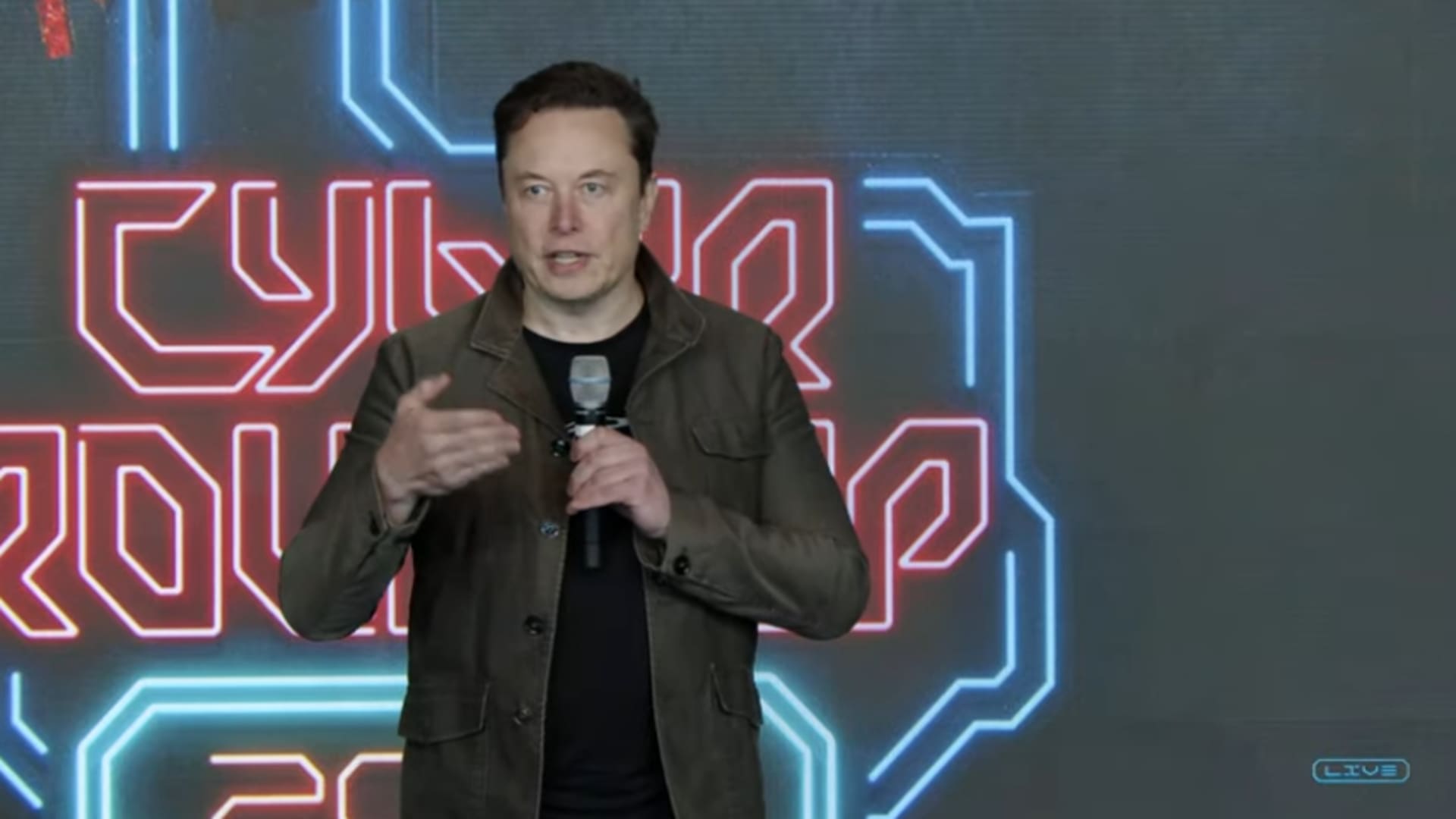
SpaceX Plans Initial Public Offering Filing

- IPO Filing Plans: SpaceX is preparing to file confidential regulatory submissions for an initial public offering, indicating the company's potential entry into the capital markets to raise funds for its future space exploration projects.
- Funding Needs Context: As SpaceX expands in areas like interstellar travel and satellite internet, an IPO would provide essential funding to accelerate technology development and market expansion.
- Market Reaction Expectations: The IPO plan is likely to attract significant investor interest, especially against the backdrop of the growing space industry, with SpaceX's market valuation expected to rise substantially, drawing more investors in.
- Strategic Implications: By going public, SpaceX can not only strengthen its financial position but also enhance brand visibility, further solidifying its leadership in the global aerospace market.
See More
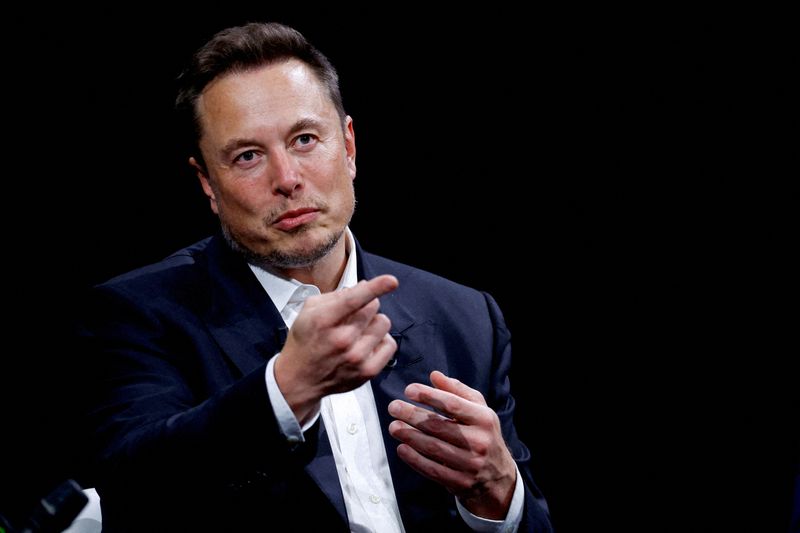
Qualcomm CEO: Robotics Market Set for Growth

- Robotics Market Outlook: Qualcomm CEO Cristiano Amon stated in an interview in Barcelona that the robotics market is expected to scale within the next two years, indicating significant progress in the company's expansion beyond smartphones.
- New Processor Launch: Qualcomm launched its Dragonwing robotics processor in January, aimed at supporting multiple robotics platforms, mirroring its successful strategy in the smartphone sector and showcasing the company's adaptability in emerging markets.
- Market Size Forecasts: McKinsey projects that the general-purpose robotics market could reach $370 billion by 2040, while RBC Capital Markets forecasts a global total addressable market for humanoid robots of $9 trillion by 2050, reflecting the immense potential of robotics technology.
- Advancements in Physical AI: Amon highlighted that advancements in physical AI have made robots significantly more useful, with analysts suggesting that robotics alone could represent a trillion-dollar market opportunity, further emphasizing Qualcomm's strategic importance in this domain.
See More
BYD Sales Decline Raises Concerns
- Sales Decline: BYD reported a 36% drop in sales during the first two months of 2026, currently operating below 50% capacity, raising concerns about the future sales of the world's largest EV maker, particularly noted by Tesla CEO Elon Musk.
- Capacity Impact: Musk emphasized that factories perform poorly when running below 50% capacity, although they can manage at 60%, but operating below this threshold significantly hampers production efficiency, potentially affecting BYD's market competitiveness.
- Strong Overseas Market: Despite the overall sales decline, BYD recorded a remarkable 165% surge in European sales, indicating its potential in international markets, especially as Tesla experienced a 17% sales decline during the same period.
- Tesla Price Adjustment: Concurrently, Tesla raised the price of the Dual Motor All-Wheel Drive variant of the Cybertruck by $10,000, with the base model starting at $69,990 and the top-spec Cyberbeast reaching $99,990, which may impact its competitive position in the market.
See More
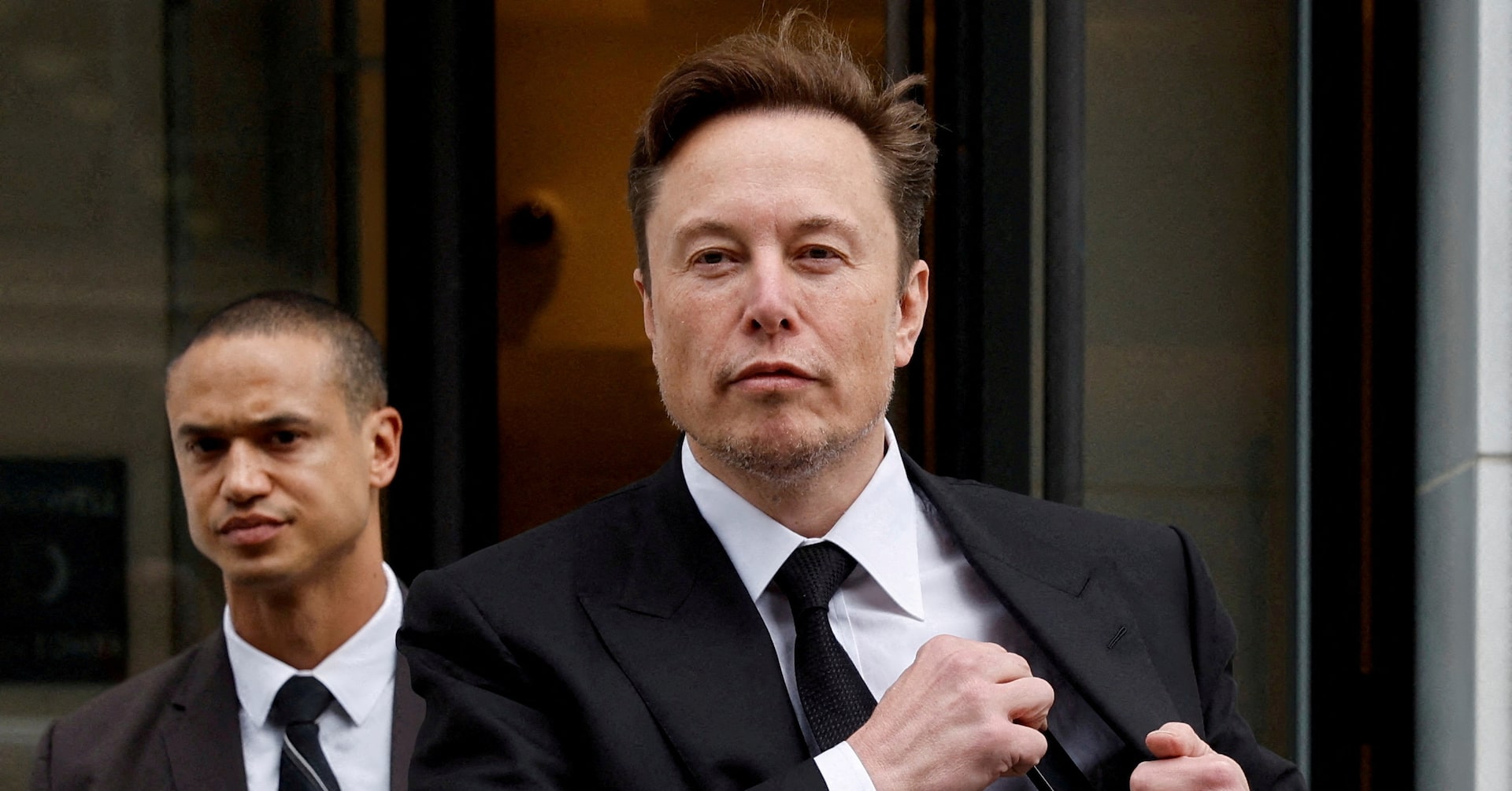
SpaceX Targets $1.75 Trillion IPO, Musk Confirms
- IPO Target Confirmation: SpaceX CEO Elon Musk confirmed the company's plan for a $1.75 trillion IPO, expected to file in March, which will fund Starship, Moon and Mars colonization, and Earth's Dyson Swarm, marking an expansion of human civilization.
- Positive Market Response: The confirmation of this IPO valuation has generated significant market interest, potentially attracting a large number of investors and further solidifying SpaceX's leadership position in the commercial space sector, especially in future space exploration and technological innovation.
- Criticism Emerges: Despite the optimistic IPO outlook, Musk's orbital datacenter ambitions faced criticism from short-seller Jim Chanos, who labeled them as “AI Snake Oil,” suggesting that power supply is not the core issue, which could impact investor confidence.
- Vision for Humanity's Future: Musk's plans represent not just a business endeavor but a vision for humanity's future, aiming to advance civilization through space exploration and technological innovation, thereby reinforcing SpaceX's strategic position in the global aerospace market.
See More

U.S.-Iran Conflict Triggers Stock Market Turmoil


- Market Turmoil: The outbreak of the U.S.-Iran conflict led to significant volatility in the U.S. stock market on Monday, impacting investor sentiment and causing instability that could affect short-term investment decisions.
- Nvidia Stock Movement: As a major mover in the market, Nvidia's stock experienced notable fluctuations following the conflict news, reflecting the sensitivity of tech stocks to geopolitical tensions, which may impact its short-term performance.
- Earnings Impact: Credo and MongoDB saw substantial declines after their earnings reports, indicating a strong market reaction to their performance, which could raise concerns among investors regarding the future growth prospects of these companies.
- Investor Sentiment Shift: As the market reacts to the U.S.-Iran situation, investors may reassess their risk appetite, leading to a shift of funds towards safer assets, thereby affecting overall market liquidity.
See More
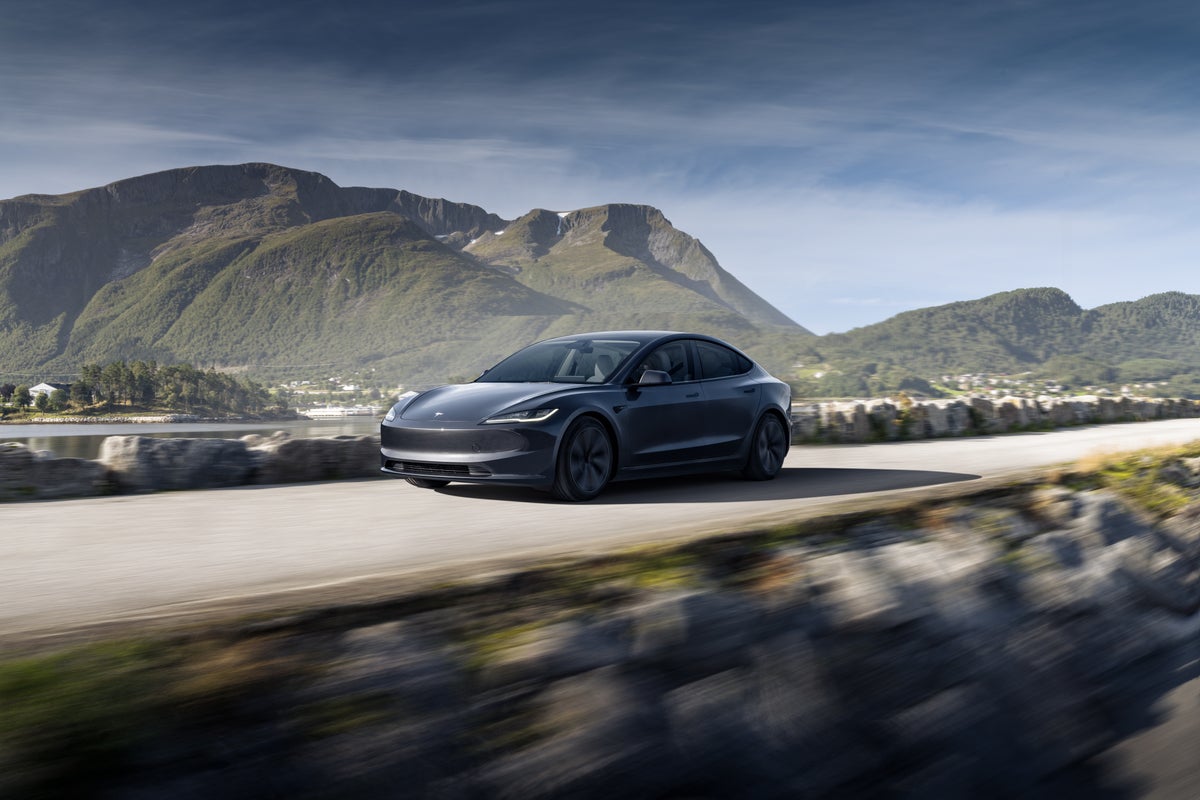
Tesla's Berlin Gigafactory Produces Over 200,000 Vehicles in 2025
- Production Capacity Boost: Tesla's Berlin gigafactory produced over 200,000 vehicles in 2025, despite a production halt in Q1, subsequently ramping up to 5,000 units per week, indicating strong recovery capabilities and anticipating further growth in Q1 2026.
- Investment Expansion: Since 2020, Tesla has invested over €5 billion (approximately $5.85 billion) in the Berlin factory and plans to invest several million euros more in battery cell production, aiming to enhance overall production efficiency and battery technology.
- Global Market Contribution: With an annual capacity exceeding 375,000 vehicles, the Berlin factory serves as Tesla's only production base in Europe, supplying over half of the global market, thereby reinforcing Tesla's leadership position in the electric vehicle sector.
- Positive Market Reaction: Despite media concerns regarding production numbers for 2025, Tesla executives emphasized the factory's capabilities on LinkedIn, resulting in TSLA stock maintaining an 'extremely bullish' sentiment over the past 24 hours, with a 42% increase in stock price over the last 12 months.
See More
SpaceX Plans Initial Public Offering Filing
- IPO Filing Plans: SpaceX is preparing to file confidential regulatory submissions for an initial public offering, indicating the company's potential entry into the capital markets to raise funds for its future space exploration projects.
- Funding Needs Context: As SpaceX expands in areas like interstellar travel and satellite internet, an IPO would provide essential funding to accelerate technology development and market expansion.
- Market Reaction Expectations: The IPO plan is likely to attract significant investor interest, especially against the backdrop of the growing space industry, with SpaceX's market valuation expected to rise substantially, drawing more investors in.
- Strategic Implications: By going public, SpaceX can not only strengthen its financial position but also enhance brand visibility, further solidifying its leadership in the global aerospace market.
See More
Qualcomm CEO: Robotics Market Set for Growth
- Robotics Market Outlook: Qualcomm CEO Cristiano Amon stated in an interview in Barcelona that the robotics market is expected to scale within the next two years, indicating significant progress in the company's expansion beyond smartphones.
- New Processor Launch: Qualcomm launched its Dragonwing robotics processor in January, aimed at supporting multiple robotics platforms, mirroring its successful strategy in the smartphone sector and showcasing the company's adaptability in emerging markets.
- Market Size Forecasts: McKinsey projects that the general-purpose robotics market could reach $370 billion by 2040, while RBC Capital Markets forecasts a global total addressable market for humanoid robots of $9 trillion by 2050, reflecting the immense potential of robotics technology.
- Advancements in Physical AI: Amon highlighted that advancements in physical AI have made robots significantly more useful, with analysts suggesting that robotics alone could represent a trillion-dollar market opportunity, further emphasizing Qualcomm's strategic importance in this domain.
See More
BYD Sales Decline Raises Concerns
- Sales Decline: BYD reported a 36% drop in sales during the first two months of 2026, currently operating below 50% capacity, raising concerns about the future sales of the world's largest EV maker, particularly noted by Tesla CEO Elon Musk.
- Capacity Impact: Musk emphasized that factories perform poorly when running below 50% capacity, although they can manage at 60%, but operating below this threshold significantly hampers production efficiency, potentially affecting BYD's market competitiveness.
- Strong Overseas Market: Despite the overall sales decline, BYD recorded a remarkable 165% surge in European sales, indicating its potential in international markets, especially as Tesla experienced a 17% sales decline during the same period.
- Tesla Price Adjustment: Concurrently, Tesla raised the price of the Dual Motor All-Wheel Drive variant of the Cybertruck by $10,000, with the base model starting at $69,990 and the top-spec Cyberbeast reaching $99,990, which may impact its competitive position in the market.
See More
SpaceX Targets $1.75 Trillion IPO, Musk Confirms
- IPO Target Confirmation: SpaceX CEO Elon Musk confirmed the company's plan for a $1.75 trillion IPO, expected to file in March, which will fund Starship, Moon and Mars colonization, and Earth's Dyson Swarm, marking an expansion of human civilization.
- Positive Market Response: The confirmation of this IPO valuation has generated significant market interest, potentially attracting a large number of investors and further solidifying SpaceX's leadership position in the commercial space sector, especially in future space exploration and technological innovation.
- Criticism Emerges: Despite the optimistic IPO outlook, Musk's orbital datacenter ambitions faced criticism from short-seller Jim Chanos, who labeled them as “AI Snake Oil,” suggesting that power supply is not the core issue, which could impact investor confidence.
- Vision for Humanity's Future: Musk's plans represent not just a business endeavor but a vision for humanity's future, aiming to advance civilization through space exploration and technological innovation, thereby reinforcing SpaceX's strategic position in the global aerospace market.
See More
U.S.-Iran Conflict Triggers Stock Market Turmoil
- Market Turmoil: The outbreak of the U.S.-Iran conflict led to significant volatility in the U.S. stock market on Monday, impacting investor sentiment and causing instability that could affect short-term investment decisions.
- Nvidia Stock Movement: As a major mover in the market, Nvidia's stock experienced notable fluctuations following the conflict news, reflecting the sensitivity of tech stocks to geopolitical tensions, which may impact its short-term performance.
- Earnings Impact: Credo and MongoDB saw substantial declines after their earnings reports, indicating a strong market reaction to their performance, which could raise concerns among investors regarding the future growth prospects of these companies.
- Investor Sentiment Shift: As the market reacts to the U.S.-Iran situation, investors may reassess their risk appetite, leading to a shift of funds towards safer assets, thereby affecting overall market liquidity.
See More
Tesla's Berlin Gigafactory Produces Over 200,000 Vehicles in 2025
- Production Capacity Boost: Tesla's Berlin gigafactory produced over 200,000 vehicles in 2025, despite a production halt in Q1, subsequently ramping up to 5,000 units per week, indicating strong recovery capabilities and anticipating further growth in Q1 2026.
- Investment Expansion: Since 2020, Tesla has invested over €5 billion (approximately $5.85 billion) in the Berlin factory and plans to invest several million euros more in battery cell production, aiming to enhance overall production efficiency and battery technology.
- Global Market Contribution: With an annual capacity exceeding 375,000 vehicles, the Berlin factory serves as Tesla's only production base in Europe, supplying over half of the global market, thereby reinforcing Tesla's leadership position in the electric vehicle sector.
- Positive Market Reaction: Despite media concerns regarding production numbers for 2025, Tesla executives emphasized the factory's capabilities on LinkedIn, resulting in TSLA stock maintaining an 'extremely bullish' sentiment over the past 24 hours, with a 42% increase in stock price over the last 12 months.
See More




