Mars Colonization Market Expected to Reach $14.88 Billion by 2026

- Market Growth Potential: The Mars colonization market is projected to grow from $13.04 billion in 2025 to $24.93 billion by 2030, reflecting a robust CAGR of 13.8%, indicating strong demand and investment in deep-space exploration.
- Technological Advancements: Recent advancements in robotic Mars missions have significantly improved terrain and resource mapping capabilities, while the development of reusable launch vehicles has reduced costs associated with Mars missions, accelerating market growth.
- Investment Trends: Increasing investments in habitat design and modular settlement infrastructure are driving demand for mission planning and Mars communication services, which are crucial for supporting long-duration human missions, further propelling market expansion.
- Challenges and Opportunities: While global trade relations and tariff changes may raise costs and extend timelines, they also incentivize local manufacturing and regional supplier clustering, potentially strengthening the domestic industrial base and fostering innovations in indigenous launch capabilities and modular habitat production.
Trade with 70% Backtested Accuracy
Analyst Views on AIR

About AIR
About the author


The Anti-AI Trend Is Booming: Here Are the Top Performing Stocks.


Investor Behavior: Investors are moving away from struggling software companies and seeking stability in stocks less likely to be affected by the rise of artificial intelligence.
Market Insights: Goldman Sachs reports that this shift in investment strategy appears to be yielding positive results.
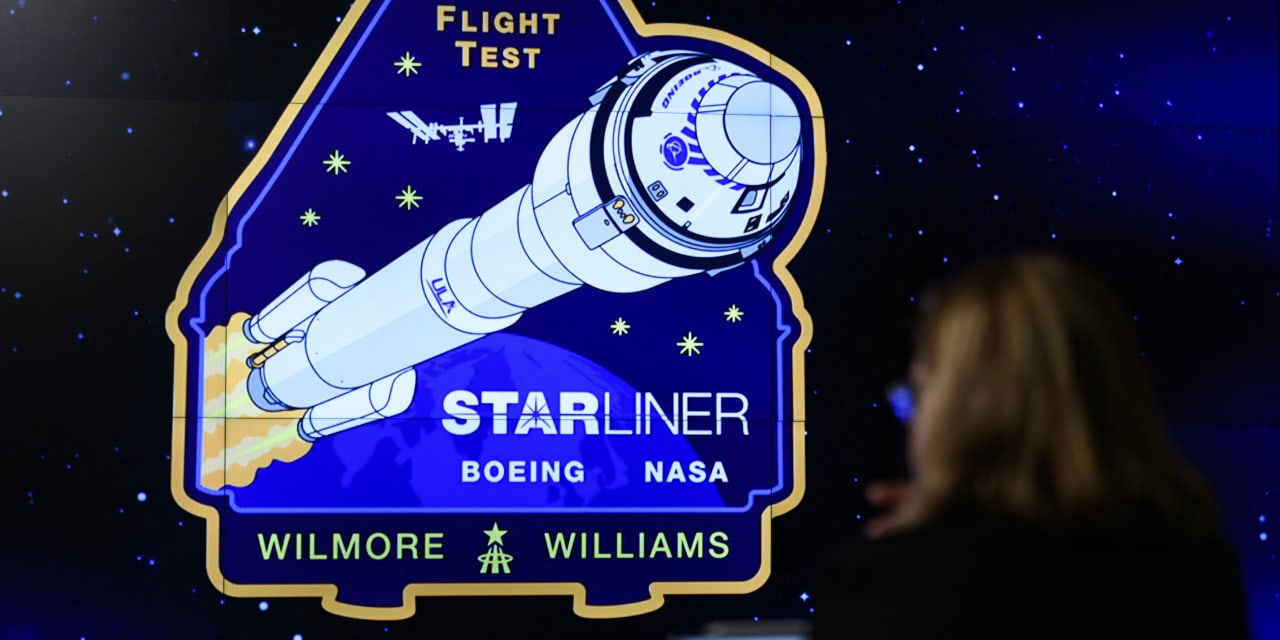
NASA Criticizes Boeing Starliner in Recent Report: Implications for Stock Performance.


- Boeing's Starliner: The troubled space capsule Starliner has resurfaced in the news, highlighting ongoing issues within Boeing's space program.
- Investor Concerns: The situation serves as a reminder for investors about the necessary changes at Boeing and the implications for the company's stock performance.
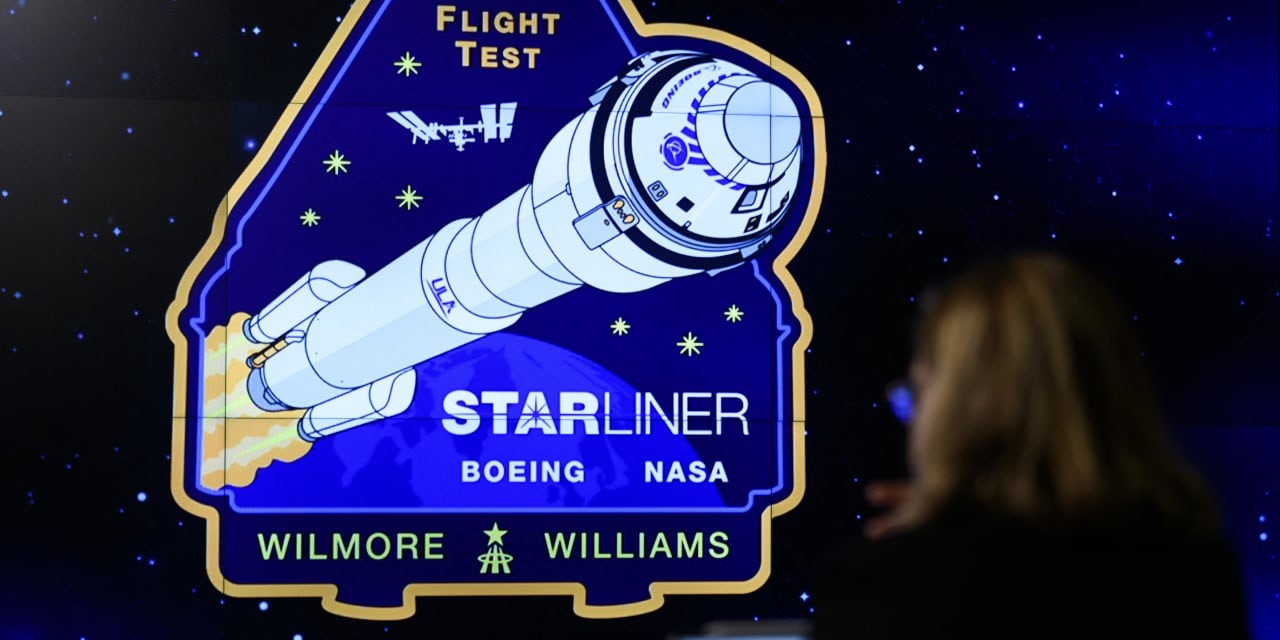
NASA Criticizes Boeing Starliner in Report: Implications for Stock Performance.
- Boeing's Starliner Issues: Boeing's space capsule Starliner has faced ongoing challenges, drawing attention to the company's operational difficulties.
- Investor Concerns: The situation serves as a reminder for investors about the necessary changes at Boeing and the implications for its stock market performance.
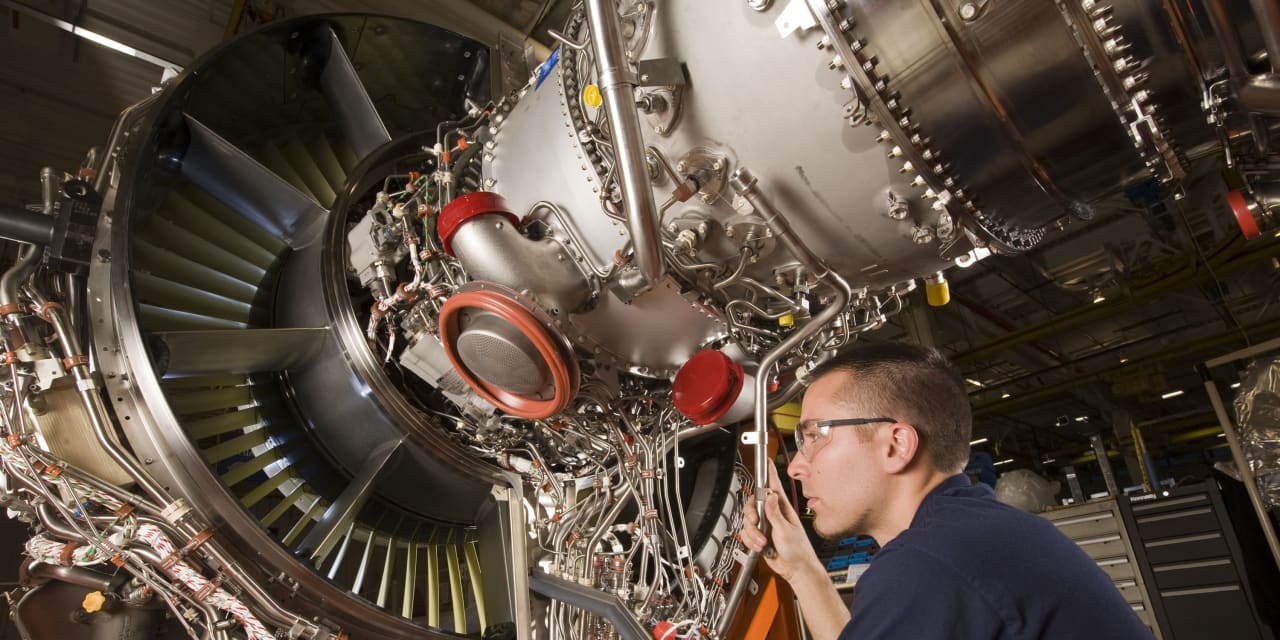
Aerospace Gains for GE as RTX Declines Amid Engine Issues.


Airbus Financial Guidance: Airbus has provided unexpected financial guidance for 2026, indicating a strong outlook for the company.
Impact on Aerospace Supply Chain: This guidance reflects not only Airbus's competition with Boeing but also its influence on the broader aerospace supply chain, particularly concerning jetliner engines.
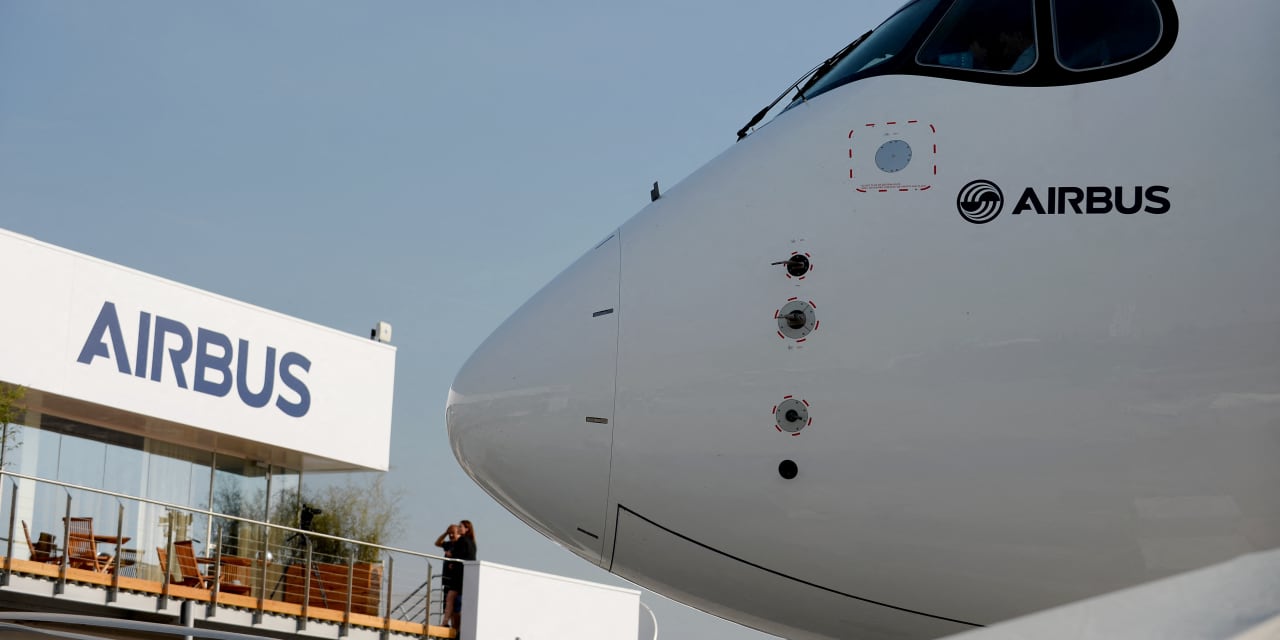
Airbus Shares Decline Despite Strong Earnings Report; Here's the Issue.

Ongoing Challenges: Six years post-Covid-19 pandemic, the aviation industry continues to face significant difficulties in aircraft production.
Supply Chain Issues: Persistent supply chain disruptions and labor shortages are major factors hindering the manufacturing of planes.
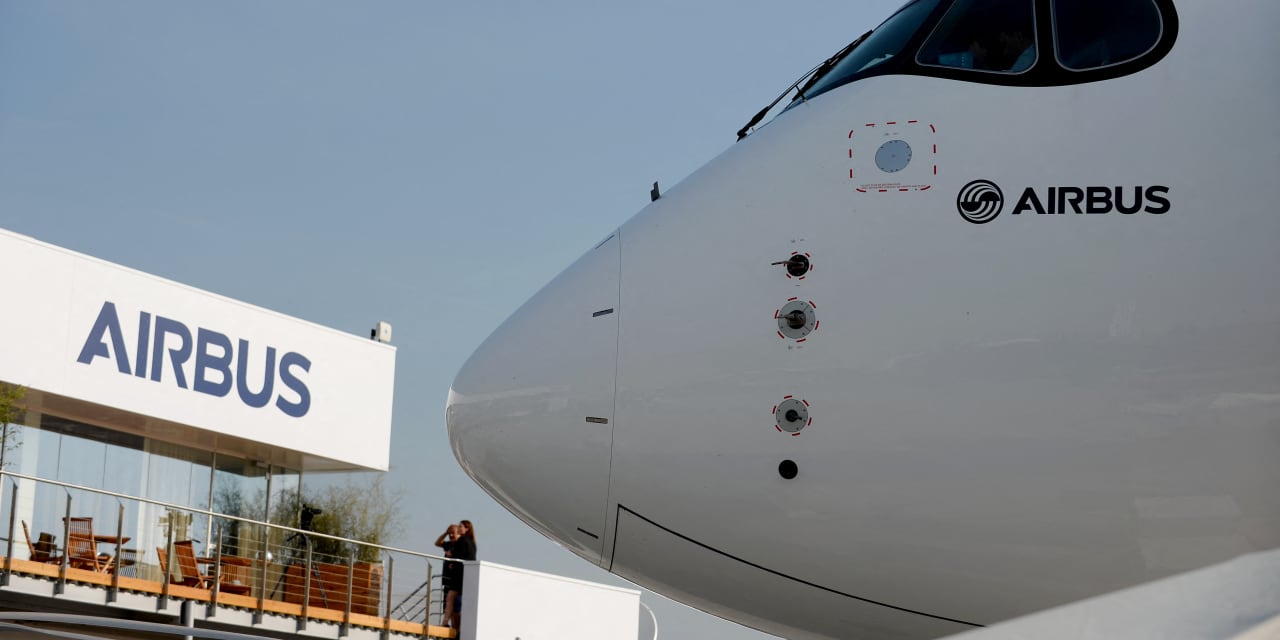
How Airbus's Poor Earnings Impacted Boeing's Stock Performance
Ongoing Challenges: Six years post-Covid-19 pandemic, the aviation industry continues to face significant difficulties in aircraft production.
Supply Chain Issues: Persistent supply chain disruptions and labor shortages are contributing to the challenges in manufacturing planes.
Economic Impact: The ongoing issues in plane production are affecting the broader economy and the recovery of the travel industry.
Future Outlook: Experts suggest that resolving these challenges will require time and strategic planning within the aviation sector.
The Anti-AI Trend Is Booming: Here Are the Top Performing Stocks.
Investor Behavior: Investors are moving away from struggling software companies and seeking stability in stocks less likely to be affected by the rise of artificial intelligence.
Market Insights: Goldman Sachs reports that this shift in investment strategy appears to be yielding positive results.
NASA Criticizes Boeing Starliner in Recent Report: Implications for Stock Performance.
- Boeing's Starliner: The troubled space capsule Starliner has resurfaced in the news, highlighting ongoing issues within Boeing's space program.
- Investor Concerns: The situation serves as a reminder for investors about the necessary changes at Boeing and the implications for the company's stock performance.
NASA Criticizes Boeing Starliner in Report: Implications for Stock Performance.
- Boeing's Starliner Issues: Boeing's space capsule Starliner has faced ongoing challenges, drawing attention to the company's operational difficulties.
- Investor Concerns: The situation serves as a reminder for investors about the necessary changes at Boeing and the implications for its stock market performance.
Aerospace Gains for GE as RTX Declines Amid Engine Issues.
Airbus Financial Guidance: Airbus has provided unexpected financial guidance for 2026, indicating a strong outlook for the company.
Impact on Aerospace Supply Chain: This guidance reflects not only Airbus's competition with Boeing but also its influence on the broader aerospace supply chain, particularly concerning jetliner engines.
Airbus Shares Decline Despite Strong Earnings Report; Here's the Issue.
Ongoing Challenges: Six years post-Covid-19 pandemic, the aviation industry continues to face significant difficulties in aircraft production.
Supply Chain Issues: Persistent supply chain disruptions and labor shortages are major factors hindering the manufacturing of planes.
How Airbus's Poor Earnings Impacted Boeing's Stock Performance
Ongoing Challenges: Six years post-Covid-19 pandemic, the aviation industry continues to face significant difficulties in aircraft production.
Supply Chain Issues: Persistent supply chain disruptions and labor shortages are contributing to the challenges in manufacturing planes.
Economic Impact: The ongoing issues in plane production are affecting the broader economy and the recovery of the travel industry.
Future Outlook: Experts suggest that resolving these challenges will require time and strategic planning within the aviation sector.