Market Volatility and Consumer Trends Analysis
Written by Emily J. Thompson, Senior Investment Analyst
Updated: Feb 24 2026
0mins

Should l Buy COST?
Source: CNBC
- Market Volatility Phenomenon: Despite concerns over global macroeconomic conditions and AI capital expenditures, the Nasdaq 100 is currently only 4.5% off its all-time highs, indicating resilience in the market that may provide investors with opportunities to reassess their portfolios after volatility.
- Consumer Goods Performance Comparison: The Consumer Discretionary (XLY) to Consumer Staples (XLP) ratio is testing a support line around 1.25-1.20, and if this support holds, it could signal a period of outperformance for discretionary goods, influencing consumer choices and market dynamics.
- Individual Stock Performance Analysis: Home Depot's earnings exceeded expectations, revealing a long-term consolidation pattern with a current trading price of $388, nearing a resistance level of $420, and a breakout could attract more investor attention.
- Yield and Consumer Trends: The loose inverse correlation between the U.S. 10-Year Treasury Yield and the consumer goods ratio suggests that if yields decline due to risk aversion, it may enhance the purchasing willingness for discretionary goods, thereby impacting overall market sentiment.
Trade with 70% Backtested Accuracy
Stop guessing "Should I Buy COST?" and start using high-conviction signals backed by rigorous historical data.
Sign up today to access powerful investing tools and make smarter, data-driven decisions.
Analyst Views on COST
Wall Street analysts forecast COST stock price to rise
24 Analyst Rating
19 Buy
4 Hold
1 Sell
Strong Buy
Current: 1002.770

Low
769.00
Averages
1061
High
1205
Current: 1002.770
Low
769.00
Averages
1061
High
1205
About COST
Costco Wholesale Corporation (Costco) operates membership warehouses and e-commerce sites that offer a selection of nationally branded and private-label products in a wide range of categories. The Company buys the majority of its merchandise directly from suppliers and route it to cross-docking consolidation points (depots) or directly to its warehouses. It operates 891 warehouses, including 614 in the United States and Puerto Rico, 108 in Canada, 40 in Mexico, 35 in Japan, 29 in the United Kingdom, 19 in Korea, 15 in Australia, 14 in Taiwan, seven in China, five in Spain, two in France, and one each in Iceland, New Zealand and Sweden. It also operates e-commerce sites in the United States, Canada, the United Kingdom, Mexico, Korea, Taiwan, Japan and Australia. The Company provides wide selection of merchandise, plus the convenience of specialty departments and exclusive member services.
About the author

Emily J. Thompson
Emily J. Thompson, a Chartered Financial Analyst (CFA) with 12 years in investment research, graduated with honors from the Wharton School. Specializing in industrial and technology stocks, she provides in-depth analysis for Intellectia’s earnings and market brief reports.
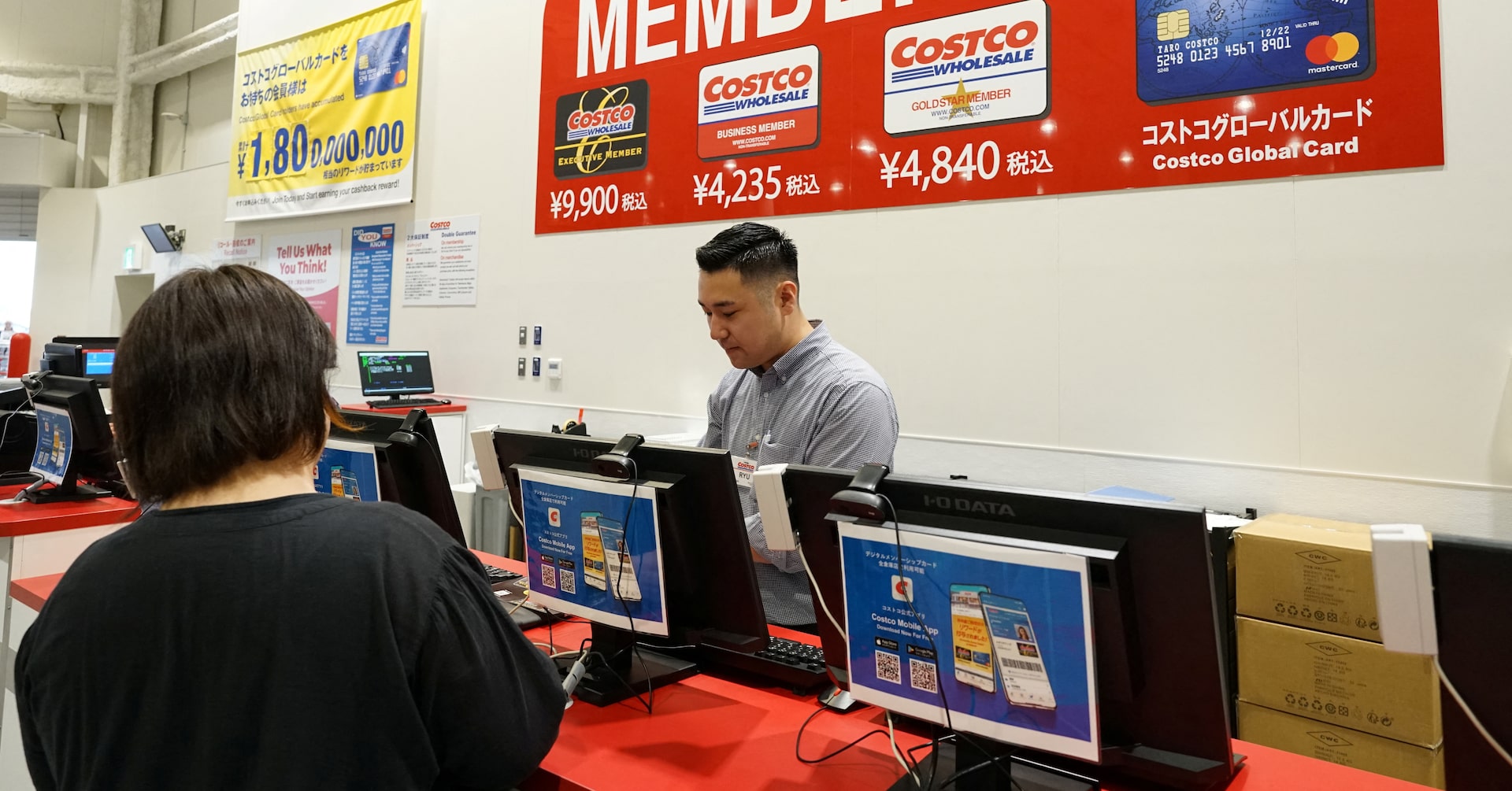
Costco's Impressive Returns Highlighting Boring Business Potential

- Steady Financial Performance: Over the past five years, Costco's revenue has grown at a compound annual rate of 9.3%, with no down years, demonstrating resilience during economic turmoil and strong consumer preference.
- Strong Market Competitiveness: In Q1 2026, Costco reported net sales of $66 billion, leveraging massive scale and fewer stock-keeping units to enhance bargaining power with suppliers, resulting in everyday low prices for consumers.
- High Investor Attention: With a market cap of $445 billion, Costco's business durability is widely recognized, although its price-to-earnings ratio of 53.6 raises questions about its valuation, being 15% higher than Nvidia's.
- Purchase Strategy Recommendations: Given the current high valuation, investors are advised to wait for a significant pullback before considering purchases, or to adopt a dollar-cost averaging strategy to mitigate investment risks across different price points.
See More

Costco Faces Rare Underperformance Amid Strong Business Metrics

- Membership Model Advantage: Costco stands out in the retail market with its unique membership model, boasting nearly 1,000 stores and $280 billion in annual sales, maintaining a leading position despite competition from BJ's and Walmart.
- High Customer Satisfaction: With renewal rates exceeding 90%, Costco's executive members account for nearly half of total membership yet contribute 74% of total sales, highlighting the critical role of membership in profitability.
- Stable Sales Growth: For the first quarter of fiscal 2026 (ending November 23, 2025), Costco reported an 8.2% year-over-year sales increase, with a 14% rise in fee income and a 5.2% membership growth, demonstrating resilience in a high-inflation environment.
- Increasing Market Concerns: Despite Costco's reliable growth, the market is worried about the sustainability of sales growth, particularly with a slight dip in renewal rates and a premium P/E ratio of 54, significantly above the three-year average of 49, potentially limiting short-term stock price upside.
See More

Costco Thrives in Pressured Economy with Membership Growth
- Membership Growth Trend: Costco boasts a renewal rate exceeding 90%, with an increasing number of members upgrading to the executive membership, which costs double, reflecting the company's strong appeal and customer loyalty even in a pressured economy.
- Robust Sales Performance: For the first quarter of fiscal 2026, Costco reported an 8.2% year-over-year sales increase, with a 14% rise in fee income, indicating the company's ability to maintain solid performance amid high inflation.
- Market Valuation Pressure: Costco's stock trades at a P/E ratio of 54, significantly above its three-year average of 49, suggesting that while the company performs well, its high valuation poses downside risks for the stock price, warranting caution from investors.
- Future Growth Challenges: Despite Costco's proactive expansion of new stores and digital transformation, the market expresses concerns about the sustainability of sales growth under inflationary pressures, which could impact short-term stock performance.
See More
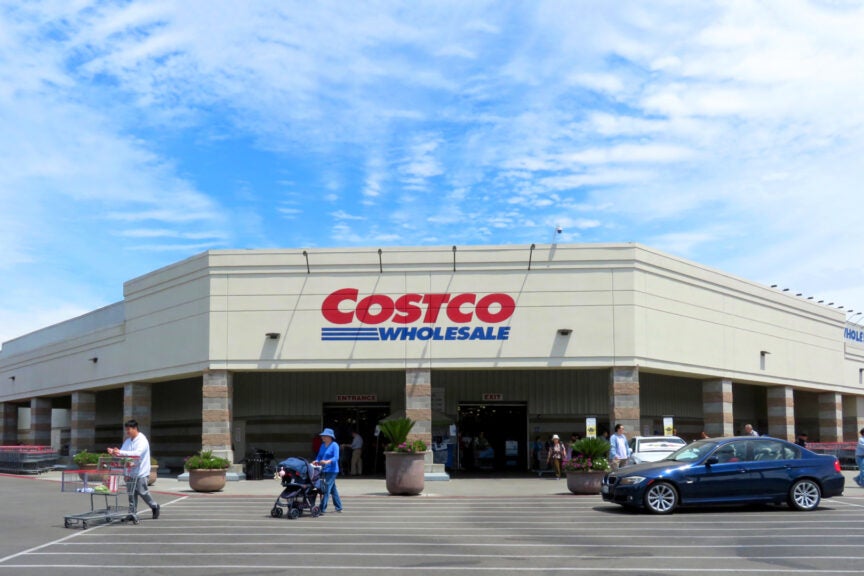
S&P 500 Index Experiences Increased Volatility

- Increased Market Volatility: The S&P 500 Index has experienced significant swings from gains to losses in recent trading sessions, reflecting investor concerns despite a 78% rise over the past three years driven by optimism around AI stocks, indicating a shift in market sentiment.
- Concerns Over AI Spending: While AI companies report soaring revenues and high demand, investor worries about the rapid pace of AI spending and the lofty valuations of certain growth stocks could lead to potential price crashes, impacting overall market performance.
- Geopolitical Tensions: The escalation of conflict between the U.S. and Iran has heightened market anxiety, resulting in the S&P 500 showing little change year-to-date, which underscores investor caution regarding future economic prospects.
- Long-Term Investment Strategy: Although short-term market volatility poses risks, historical data suggests that holding stocks for over five years can reduce the probability of loss to about 12%, prompting investors to focus on companies capable of surviving tough times and achieving growth for long-term investment success.
See More
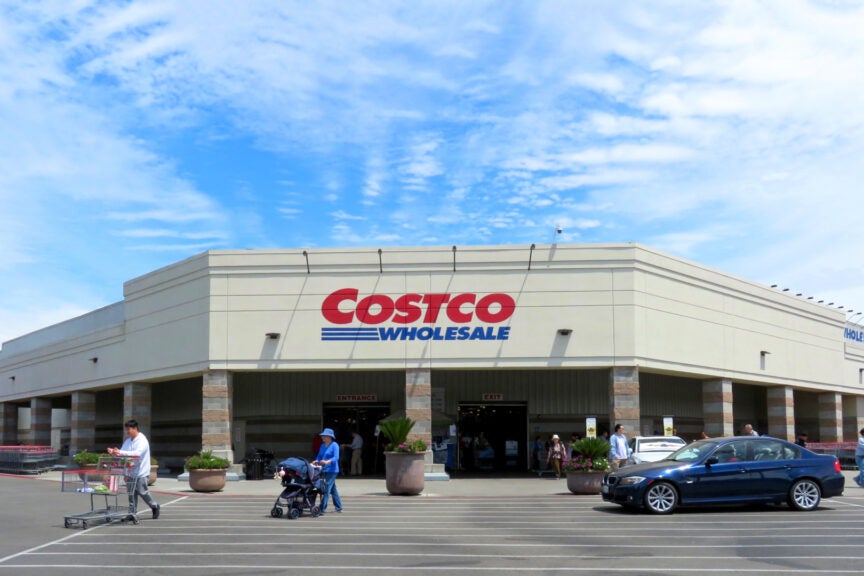
Investment Strategies Amidst Market Turbulence in the S&P 500
- Market Performance Review: The S&P 500 index has gained 78% over the past three years despite facing challenges, reflecting investor optimism about AI stocks and the positive impact of a lower interest rate environment, which has driven broader market gains.
- AI Investment Concerns: Recently, investors have expressed worries about the rapid spending on AI and the lofty valuations of certain growth stocks, fearing that if revenue falls short of expectations, it could lead to significant price drops, contributing to market volatility.
- Geopolitical Impact: The escalation of conflict between the U.S. and Iran has further heightened market anxiety, causing the S&P 500 to swing between gains and losses, resulting in little change year-to-date, indicating the fragility of market sentiment.
- Long-Term Investment Advice: In uncertain market conditions, investors are advised to focus on quality companies, pay reasonable prices, and hold for the long term; historical data shows that the probability of loss drops to about 12% when holding investments for over five years, and to less than 5% for over 11 years, underscoring the importance of long-term investing.
See More

Target's Investor Day Highlights Optimistic Future Plans

- Earnings Release and Investor Day: Target is holding its annual investor day in Minneapolis while releasing its fourth-quarter earnings, which beat expectations; however, the company faces the challenge of a fourth consecutive quarter of declining customer transactions, indicating difficulties in attracting consumers.
- Poor Sales Performance: Target's comparable sales fell by 2.5%, starkly contrasting with Walmart's 4.6% gain, reflecting its disadvantage in a competitive market, particularly in an environment where consumers are price-sensitive.
- Overly Optimistic Outlook: Despite the company's guidance for future sales growth appearing overly optimistic, analysts remain cautious given the current market uncertainties, especially the impacts of the war in Iran.
- Leadership Changes Impact: The appointment of new CEO Michael Fiddelke and a largely new leadership team brings some hope, but the company still needs time to rebuild its brand and market positioning to regain investor trust.
See More
Costco's Impressive Returns Highlighting Boring Business Potential
- Steady Financial Performance: Over the past five years, Costco's revenue has grown at a compound annual rate of 9.3%, with no down years, demonstrating resilience during economic turmoil and strong consumer preference.
- Strong Market Competitiveness: In Q1 2026, Costco reported net sales of $66 billion, leveraging massive scale and fewer stock-keeping units to enhance bargaining power with suppliers, resulting in everyday low prices for consumers.
- High Investor Attention: With a market cap of $445 billion, Costco's business durability is widely recognized, although its price-to-earnings ratio of 53.6 raises questions about its valuation, being 15% higher than Nvidia's.
- Purchase Strategy Recommendations: Given the current high valuation, investors are advised to wait for a significant pullback before considering purchases, or to adopt a dollar-cost averaging strategy to mitigate investment risks across different price points.
See More
Costco Faces Rare Underperformance Amid Strong Business Metrics
- Membership Model Advantage: Costco stands out in the retail market with its unique membership model, boasting nearly 1,000 stores and $280 billion in annual sales, maintaining a leading position despite competition from BJ's and Walmart.
- High Customer Satisfaction: With renewal rates exceeding 90%, Costco's executive members account for nearly half of total membership yet contribute 74% of total sales, highlighting the critical role of membership in profitability.
- Stable Sales Growth: For the first quarter of fiscal 2026 (ending November 23, 2025), Costco reported an 8.2% year-over-year sales increase, with a 14% rise in fee income and a 5.2% membership growth, demonstrating resilience in a high-inflation environment.
- Increasing Market Concerns: Despite Costco's reliable growth, the market is worried about the sustainability of sales growth, particularly with a slight dip in renewal rates and a premium P/E ratio of 54, significantly above the three-year average of 49, potentially limiting short-term stock price upside.
See More
Costco Thrives in Pressured Economy with Membership Growth
- Membership Growth Trend: Costco boasts a renewal rate exceeding 90%, with an increasing number of members upgrading to the executive membership, which costs double, reflecting the company's strong appeal and customer loyalty even in a pressured economy.
- Robust Sales Performance: For the first quarter of fiscal 2026, Costco reported an 8.2% year-over-year sales increase, with a 14% rise in fee income, indicating the company's ability to maintain solid performance amid high inflation.
- Market Valuation Pressure: Costco's stock trades at a P/E ratio of 54, significantly above its three-year average of 49, suggesting that while the company performs well, its high valuation poses downside risks for the stock price, warranting caution from investors.
- Future Growth Challenges: Despite Costco's proactive expansion of new stores and digital transformation, the market expresses concerns about the sustainability of sales growth under inflationary pressures, which could impact short-term stock performance.
See More
S&P 500 Index Experiences Increased Volatility
- Increased Market Volatility: The S&P 500 Index has experienced significant swings from gains to losses in recent trading sessions, reflecting investor concerns despite a 78% rise over the past three years driven by optimism around AI stocks, indicating a shift in market sentiment.
- Concerns Over AI Spending: While AI companies report soaring revenues and high demand, investor worries about the rapid pace of AI spending and the lofty valuations of certain growth stocks could lead to potential price crashes, impacting overall market performance.
- Geopolitical Tensions: The escalation of conflict between the U.S. and Iran has heightened market anxiety, resulting in the S&P 500 showing little change year-to-date, which underscores investor caution regarding future economic prospects.
- Long-Term Investment Strategy: Although short-term market volatility poses risks, historical data suggests that holding stocks for over five years can reduce the probability of loss to about 12%, prompting investors to focus on companies capable of surviving tough times and achieving growth for long-term investment success.
See More
Investment Strategies Amidst Market Turbulence in the S&P 500
- Market Performance Review: The S&P 500 index has gained 78% over the past three years despite facing challenges, reflecting investor optimism about AI stocks and the positive impact of a lower interest rate environment, which has driven broader market gains.
- AI Investment Concerns: Recently, investors have expressed worries about the rapid spending on AI and the lofty valuations of certain growth stocks, fearing that if revenue falls short of expectations, it could lead to significant price drops, contributing to market volatility.
- Geopolitical Impact: The escalation of conflict between the U.S. and Iran has further heightened market anxiety, causing the S&P 500 to swing between gains and losses, resulting in little change year-to-date, indicating the fragility of market sentiment.
- Long-Term Investment Advice: In uncertain market conditions, investors are advised to focus on quality companies, pay reasonable prices, and hold for the long term; historical data shows that the probability of loss drops to about 12% when holding investments for over five years, and to less than 5% for over 11 years, underscoring the importance of long-term investing.
See More
Target's Investor Day Highlights Optimistic Future Plans
- Earnings Release and Investor Day: Target is holding its annual investor day in Minneapolis while releasing its fourth-quarter earnings, which beat expectations; however, the company faces the challenge of a fourth consecutive quarter of declining customer transactions, indicating difficulties in attracting consumers.
- Poor Sales Performance: Target's comparable sales fell by 2.5%, starkly contrasting with Walmart's 4.6% gain, reflecting its disadvantage in a competitive market, particularly in an environment where consumers are price-sensitive.
- Overly Optimistic Outlook: Despite the company's guidance for future sales growth appearing overly optimistic, analysts remain cautious given the current market uncertainties, especially the impacts of the war in Iran.
- Leadership Changes Impact: The appointment of new CEO Michael Fiddelke and a largely new leadership team brings some hope, but the company still needs time to rebuild its brand and market positioning to regain investor trust.
See More