Loop Industries Signs Long-Term Supply Agreement with Nike
Written by Emily J. Thompson, Senior Investment Analyst
Updated: Nov 10 2025
0mins

Loop Industries and Nike Partnership: Loop Industries has signed a multi-year offtake agreement with Nike to supply its Twist circular polyester resin, made from textile waste.
Sustainable Manufacturing Initiative: The agreement positions Nike as the anchor customer for Loop's Infinite Loop India manufacturing facility, highlighting both companies' commitment to sustainable innovation.
Impact on Product Lines: Loop's Twist resin will help reduce the reliance on virgin and recycled flake polyester in Nike's products, promoting a more sustainable supply chain.
Commercialization Strategy: This partnership is a significant step in Loop's commercialization strategy, reinforcing its role in the textile recycling industry.
Trade with 70% Backtested Accuracy
Stop guessing "Should I Buy NKE?" and start using high-conviction signals backed by rigorous historical data.
Sign up today to access powerful investing tools and make smarter, data-driven decisions.
Analyst Views on NKE
Wall Street analysts forecast NKE stock price to rise
21 Analyst Rating
14 Buy
7 Hold
0 Sell
Moderate Buy
Current: 61.010

Low
62.00
Averages
76.11
High
110.00
Current: 61.010
Low
62.00
Averages
76.11
High
110.00
About NKE
NIKE, Inc. is engaged in the designing, marketing and distributing of athletic footwear, apparel, equipment and accessories and services for sports and fitness activities. The Company's operating segments include North America; Europe, Middle East & Africa (EMEA); Greater China; and Asia Pacific & Latin America (APLA). It sells a line of equipment and accessories under the NIKE Brand name, including bags, socks, sport balls, eyewear, timepieces, digital devices, bats, gloves, protective equipment and other equipment designed for sports activities. It also designs products specifically for the Jordan Brand and Converse. The Jordan Brand designs, distributes and licenses athletic and casual footwear, apparel and accessories predominantly focused on basketball performance and culture using the Jumpman trademark. The Company also designs, distributes and licenses casual sneakers, apparel and accessories under the Chuck Taylor, All Star, One Star, Star Chevron and Jack Purcell trademarks.
About the author

Emily J. Thompson
Emily J. Thompson, a Chartered Financial Analyst (CFA) with 12 years in investment research, graduated with honors from the Wharton School. Specializing in industrial and technology stocks, she provides in-depth analysis for Intellectia’s earnings and market brief reports.

Nike Reports Significant Earnings Decline in Q2 2026
- Earnings Decline: Nike's diluted earnings per share fell by 38% from Q2 2023 to Q2 2026, indicating significant challenges in restoring steady revenue and profit growth, which may impact investor confidence.
- Increased Competition: Over the past three years, Nike's stock price has declined by 46%, while the S&P 500 has risen by 74%, highlighting Nike's disadvantage in a fiercely competitive consumer market, prompting management to take urgent measures.
- Strategic Transformation: CEO Elliott Hill is implementing a major turnaround by prioritizing new product launches and rebuilding relationships with wholesale clients, aiming to enhance brand loyalty through reduced promotions and discounts, thereby improving future financial performance.
- Future Outlook: Analysts expect Nike's EPS to rise at a compound annual growth rate of 9.2% between fiscal 2025 and fiscal 2028, although there is high uncertainty, requiring investors to possess patience and risk tolerance to achieve substantial returns over the next three years.
See More

Los Angeles Rebuilds Hope and Unity After Wildfires

- Community Rebuilding Collaboration: Families in Los Angeles County affected by the 2025 wildfires received support from the LA Clippers, Habitat for Humanity, Nike, and Comcast NBCUniversal, who hosted three home-building events, assisting over 112 households in rebuilding their lives, showcasing strong corporate-community partnerships.
- Volunteer Engagement: Comcast NBCUniversal employee volunteers worked alongside Clippers players, coaches, and community members to construct homes, frame walls, and assemble furniture over several months, emphasizing that rebuilding is a shared responsibility that extends beyond corporate boundaries.
- Project UP Commitment: This rebuilding initiative aligns with Comcast's Project UP, which aims to provide safe and stable housing as a foundation for creating unlimited possibilities, reflecting the company's long-term commitment to community support.
- NBA All-Star Day of Service: During the 18th Annual NBA All-Star Day of Service, two families were recognized as new homeowners, highlighting the importance of teamwork and the significance of rebuilding lives during a global celebration of sports.
See More
Nike's Difficult Turnaround Under CEO Elliott Hill Tests Patience as Stock Declines

- Stock Performance: Nike's shares have dropped over 6% year-to-date, reflecting market disappointment with the company's turnaround efforts under CEO Elliott Hill, who took over in October 2024, as investor expectations for a brand revival remain unmet.
- Earnings Downgrade: Wells Fargo removed Nike from its 'top picks' list and lowered fiscal 2027 EPS estimates significantly below Street expectations, indicating concerns about international growth, particularly in the challenging Chinese market.
- Pressure in China: Nike's Greater China sales declined nearly 17% year-over-year in fiscal Q2 2026, worsening from a 9% drop in Q1, highlighting a long road ahead for recovery amid fierce local competition and discount pressures.
- Innovation and Inventory Cleanup: While Nike shows positive signs domestically and recent innovations are well-received, analysts note that the inventory cleanup is nearing completion, and the company must address multiple challenges in China to achieve a full recovery.
See More
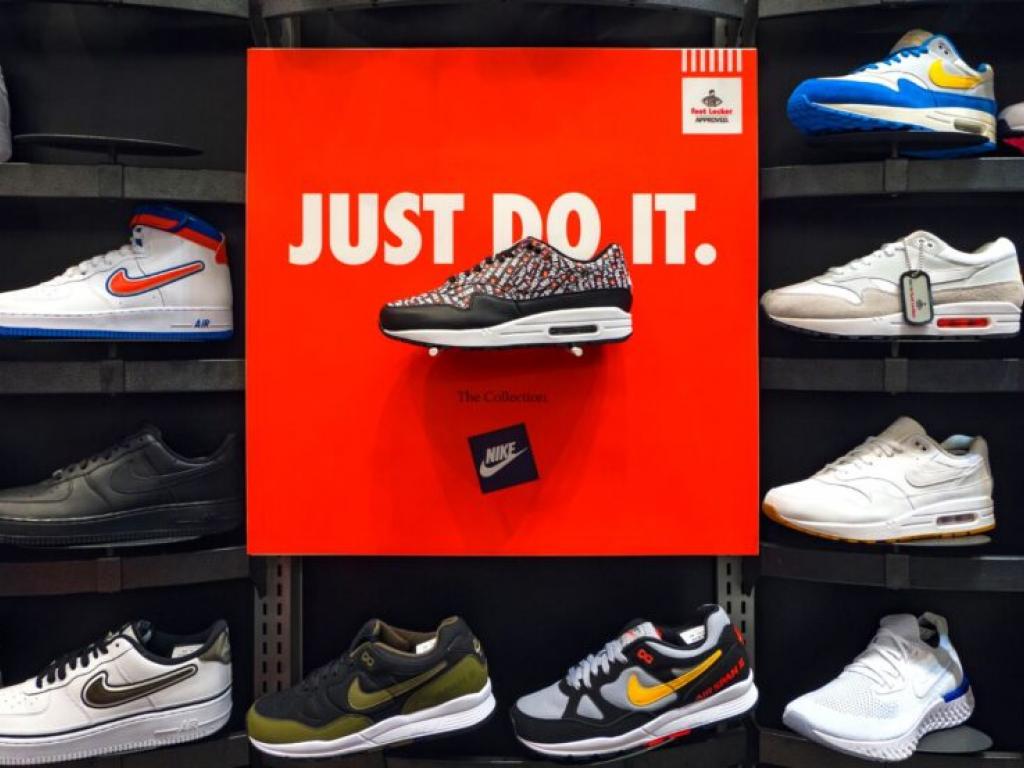
Nike Faces Growth Stagnation and Competitive Pressure

- Performance Decline: Nike's stock price has dropped by 50% over the past three years while the S&P 500 has risen by 70%, indicating significant underperformance in the market, driven by stalled sales growth and declining margins in North America and Europe.
- Revenue Growth Struggles: Despite aiming for $50 billion in revenue by fiscal 2020, Nike only achieved $37.4 billion, primarily hindered by sluggish North American sales, weak demand for Converse products, and pandemic-related impacts, resulting in unmet growth expectations.
- Intensifying Competition: In fiscal 2024, Nike's revenue growth flatlined due to declining sales in North America and fierce currency headwinds, compounded by increased competition from Adidas and On Holding, forcing Nike to rely more on markdowns to drive sales.
- Future Outlook: Analysts project that from fiscal 2025 to 2028, Nike will achieve revenue and EPS growth rates of 3% and 10%, respectively, although its stock remains expensive, with expected gains of less than 10% over the next three years, potentially trailing the S&P 500's average annual return.
See More
Nike Faces Innovation Challenges Amid Turnaround Pressure
- Brand Credibility Crisis: Nike's innovation edge in performance running shoes is diminishing, facing competitive pressure from brands like Asics and Adidas, which could lead to a decline in brand credibility and affect the stability of its overall business model.
- Intensifying Market Competition: With the rise of emerging brands like On Running and Hoka, consumer focus has shifted towards comfort and specialized engineering in running shoes, potentially eroding Nike's market share and impacting its pricing power.
- Profit Compression Risk: Nike's recent margin compression is largely due to inventory imbalances and increased promotional intensity; if it fails to restore pricing power, future gross margin expansion will be constrained, affecting the sustainability of its financial recovery.
- Loss of Innovation Leadership: Nike must regain its technical leadership in performance running to restore pricing power and brand influence; otherwise, its turnaround will continue to face significant challenges.
See More
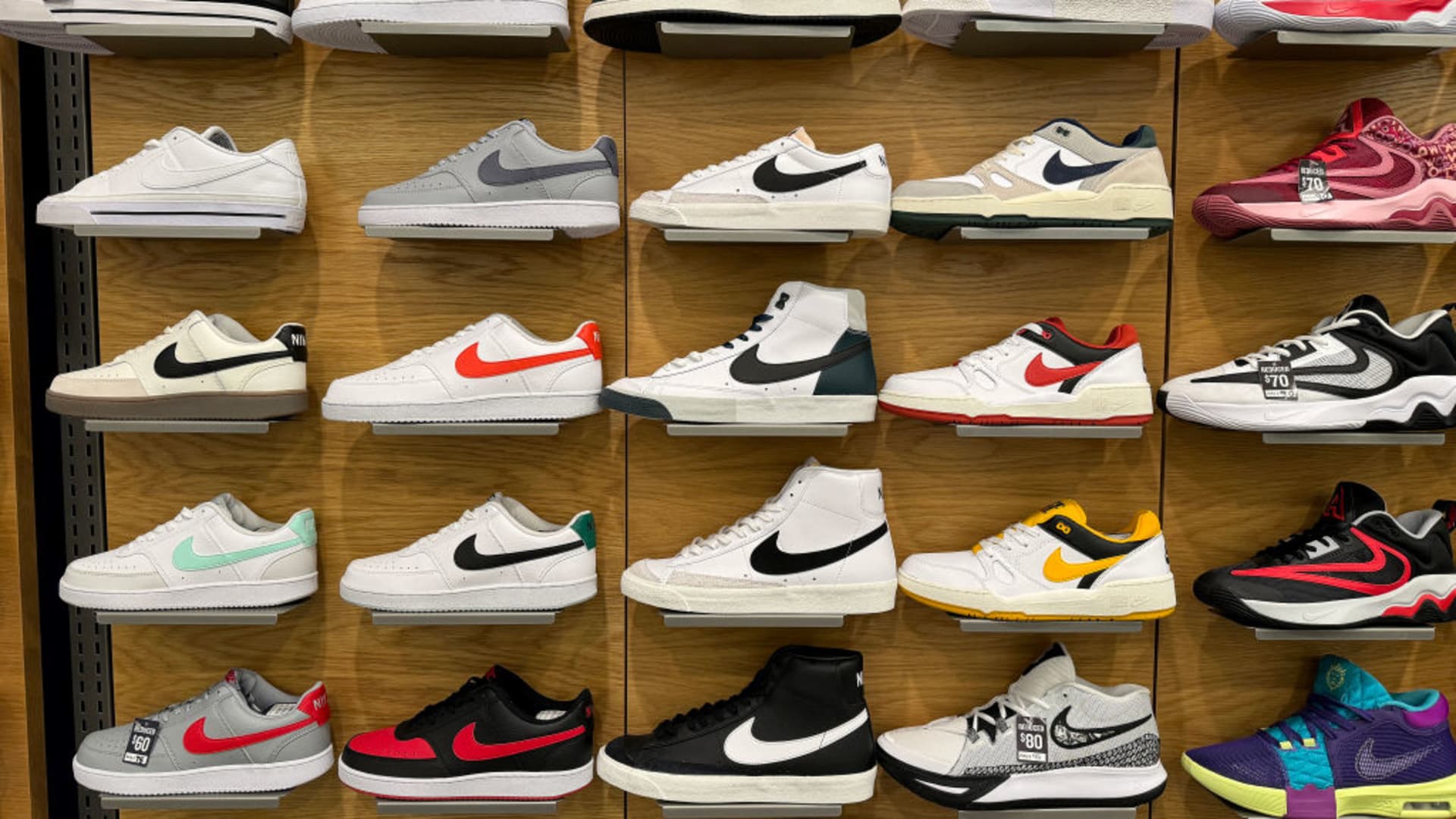
Nike Faces Challenges in Innovation Leadership
- Increased Market Competition: Nike faces intensified competition in the performance running shoe market from brands like Asics, Adidas, On Running, and Hoka, which have gained consumer trust through comfort and specialized engineering, potentially weakening Nike's pricing power over time.
- Brand Credibility Risk: Nike's brand credibility is built on its leadership in performance running, but as consumers experiment with other brands, its premium positioning may be threatened, impacting the overall business model.
- Profit Recovery Challenges: Nike's recent margin compression is largely due to inventory imbalances and promotional intensity, and restoring margins requires not only inventory cleanup but also regaining pricing power to ensure new launches can sell at full price for sustainable gross margin expansion.
- Importance of Innovation Leadership: Nike's financial recovery hinges on its innovation leadership; if it fails to reassert this leadership, its turnaround will face ongoing challenges, affecting future earnings growth.
See More
Nike Reports Significant Earnings Decline in Q2 2026
- Earnings Decline: Nike's diluted earnings per share fell by 38% from Q2 2023 to Q2 2026, indicating significant challenges in restoring steady revenue and profit growth, which may impact investor confidence.
- Increased Competition: Over the past three years, Nike's stock price has declined by 46%, while the S&P 500 has risen by 74%, highlighting Nike's disadvantage in a fiercely competitive consumer market, prompting management to take urgent measures.
- Strategic Transformation: CEO Elliott Hill is implementing a major turnaround by prioritizing new product launches and rebuilding relationships with wholesale clients, aiming to enhance brand loyalty through reduced promotions and discounts, thereby improving future financial performance.
- Future Outlook: Analysts expect Nike's EPS to rise at a compound annual growth rate of 9.2% between fiscal 2025 and fiscal 2028, although there is high uncertainty, requiring investors to possess patience and risk tolerance to achieve substantial returns over the next three years.
See More
Los Angeles Rebuilds Hope and Unity After Wildfires
- Community Rebuilding Collaboration: Families in Los Angeles County affected by the 2025 wildfires received support from the LA Clippers, Habitat for Humanity, Nike, and Comcast NBCUniversal, who hosted three home-building events, assisting over 112 households in rebuilding their lives, showcasing strong corporate-community partnerships.
- Volunteer Engagement: Comcast NBCUniversal employee volunteers worked alongside Clippers players, coaches, and community members to construct homes, frame walls, and assemble furniture over several months, emphasizing that rebuilding is a shared responsibility that extends beyond corporate boundaries.
- Project UP Commitment: This rebuilding initiative aligns with Comcast's Project UP, which aims to provide safe and stable housing as a foundation for creating unlimited possibilities, reflecting the company's long-term commitment to community support.
- NBA All-Star Day of Service: During the 18th Annual NBA All-Star Day of Service, two families were recognized as new homeowners, highlighting the importance of teamwork and the significance of rebuilding lives during a global celebration of sports.
See More
Nike's Difficult Turnaround Under CEO Elliott Hill Tests Patience as Stock Declines
- Stock Performance: Nike's shares have dropped over 6% year-to-date, reflecting market disappointment with the company's turnaround efforts under CEO Elliott Hill, who took over in October 2024, as investor expectations for a brand revival remain unmet.
- Earnings Downgrade: Wells Fargo removed Nike from its 'top picks' list and lowered fiscal 2027 EPS estimates significantly below Street expectations, indicating concerns about international growth, particularly in the challenging Chinese market.
- Pressure in China: Nike's Greater China sales declined nearly 17% year-over-year in fiscal Q2 2026, worsening from a 9% drop in Q1, highlighting a long road ahead for recovery amid fierce local competition and discount pressures.
- Innovation and Inventory Cleanup: While Nike shows positive signs domestically and recent innovations are well-received, analysts note that the inventory cleanup is nearing completion, and the company must address multiple challenges in China to achieve a full recovery.
See More
Nike Faces Growth Stagnation and Competitive Pressure
- Performance Decline: Nike's stock price has dropped by 50% over the past three years while the S&P 500 has risen by 70%, indicating significant underperformance in the market, driven by stalled sales growth and declining margins in North America and Europe.
- Revenue Growth Struggles: Despite aiming for $50 billion in revenue by fiscal 2020, Nike only achieved $37.4 billion, primarily hindered by sluggish North American sales, weak demand for Converse products, and pandemic-related impacts, resulting in unmet growth expectations.
- Intensifying Competition: In fiscal 2024, Nike's revenue growth flatlined due to declining sales in North America and fierce currency headwinds, compounded by increased competition from Adidas and On Holding, forcing Nike to rely more on markdowns to drive sales.
- Future Outlook: Analysts project that from fiscal 2025 to 2028, Nike will achieve revenue and EPS growth rates of 3% and 10%, respectively, although its stock remains expensive, with expected gains of less than 10% over the next three years, potentially trailing the S&P 500's average annual return.
See More
Nike Faces Innovation Challenges Amid Turnaround Pressure
- Brand Credibility Crisis: Nike's innovation edge in performance running shoes is diminishing, facing competitive pressure from brands like Asics and Adidas, which could lead to a decline in brand credibility and affect the stability of its overall business model.
- Intensifying Market Competition: With the rise of emerging brands like On Running and Hoka, consumer focus has shifted towards comfort and specialized engineering in running shoes, potentially eroding Nike's market share and impacting its pricing power.
- Profit Compression Risk: Nike's recent margin compression is largely due to inventory imbalances and increased promotional intensity; if it fails to restore pricing power, future gross margin expansion will be constrained, affecting the sustainability of its financial recovery.
- Loss of Innovation Leadership: Nike must regain its technical leadership in performance running to restore pricing power and brand influence; otherwise, its turnaround will continue to face significant challenges.
See More
Nike Faces Challenges in Innovation Leadership
- Increased Market Competition: Nike faces intensified competition in the performance running shoe market from brands like Asics, Adidas, On Running, and Hoka, which have gained consumer trust through comfort and specialized engineering, potentially weakening Nike's pricing power over time.
- Brand Credibility Risk: Nike's brand credibility is built on its leadership in performance running, but as consumers experiment with other brands, its premium positioning may be threatened, impacting the overall business model.
- Profit Recovery Challenges: Nike's recent margin compression is largely due to inventory imbalances and promotional intensity, and restoring margins requires not only inventory cleanup but also regaining pricing power to ensure new launches can sell at full price for sustainable gross margin expansion.
- Importance of Innovation Leadership: Nike's financial recovery hinges on its innovation leadership; if it fails to reassert this leadership, its turnaround will face ongoing challenges, affecting future earnings growth.
See More