Kimberly-Clark to form partnership with Suzano
Written by Emily J. Thompson, Senior Investment Analyst
Updated: Jun 05 2025
0mins

Strategic Partnership Formation: Kimberly-Clark has formed a strategic partnership with Suzano to create a new international tissue and professional products company, with Kimberly-Clark holding a 49% stake and Suzano 51%. The venture will include assets from Kimberly-Clark's International Family Care and Professional business, which generated approximately $3.3 billion in net sales in 2024.
Financial Implications and Future Plans: The transaction is expected to be dilutive to Kimberly-Clark's Adjusted Earnings Per Share by $0.30-0.40 in the first full year post-closing, with plans to return cash proceeds to shareholders through share repurchases. The deal is set to close in mid-2026, pending regulatory approvals and customary conditions.
Trade with 70% Backtested Accuracy
Stop guessing "Should I Buy KMB?" and start using high-conviction signals backed by rigorous historical data.
Sign up today to access powerful investing tools and make smarter, data-driven decisions.
Analyst Views on KMB
Wall Street analysts forecast KMB stock price to rise
14 Analyst Rating
5 Buy
8 Hold
1 Sell
Moderate Buy
Current: 111.440

Low
95.00
Averages
127.71
High
162.00
Current: 111.440
Low
95.00
Averages
127.71
High
162.00
About KMB
Kimberly-Clark Corporation is a global company focused on delivering products and solutions that provide better care. The Company's segments include North America and International Personal Care. The North America segment consists of products encompassing each of its five global daily-need categories across consumer and professional channels including disposable diapers, training and youth pants, swim pants, baby wipes, feminine and incontinence care products, reusable underwear, facial and bathroom tissue, paper towels, napkins, wipers, tissue, towels, soaps and sanitizers and other related products. International Personal Care segment consists of three core categories: Baby & Child Care, Adult Care and Feminine Care, including disposable diapers, training and youth pants, swim pants, baby wipes, feminine and incontinence care products, reusable underwear and other related products. Its portfolio of brands includes Huggies, Kleenex, Scott, Kotex, Cottonelle, Depend, and Pull-Ups.
About the author

Emily J. Thompson
Emily J. Thompson, a Chartered Financial Analyst (CFA) with 12 years in investment research, graduated with honors from the Wharton School. Specializing in industrial and technology stocks, she provides in-depth analysis for Intellectia’s earnings and market brief reports.

Analysis of High-Quality Dividend Stocks

- Dividend Kings Concept: Dividend Kings are stocks that have raised their per-share dividends for at least 50 consecutive years, indicating these companies can maintain profitability through economic fluctuations, thus providing a reliable income source for investors.
- Procter & Gamble Performance: Procter & Gamble (PG) has increased its dividend for 69 consecutive years, with a forward-looking dividend yield of 2.6%, ensuring market share and resisting competitive pressures through its well-known consumer brands.
- Coca-Cola vs. PepsiCo: Coca-Cola (KO) is a top dividend stock in the consumer staples sector, while PepsiCo (PEP) currently offers a higher yield of 3.5%; despite underperformance in its food and snack business, new product launches are expected to help extend its 54-year dividend growth track record.
- Kimberly-Clark and Emerson Electric: Kimberly-Clark (KMB) has a strong 54-year dividend growth history with a forward yield of 4.6%; Emerson Electric (EMR) has raised its dividend for 68 years, and although its yield is only 1.5%, its stable demand in industrial automation makes it a solid choice for long-term investors.
See More
Top Five Dividend Kings to Consider for Investment
- Definition of Dividend Kings: Dividend Kings are stocks that have raised their per-share dividends annually for at least 50 consecutive years, indicating their ability to maintain and grow dividends even during economic downturns, showcasing financial stability and competitive strength.
- Procter & Gamble's Performance: Procter & Gamble (PG) has increased its dividend for 69 consecutive years, with a current yield of 2.6%, and its strong brand portfolio and market share ensure a steady cash flow and investor confidence, making it a reliable choice for income-focused investors.
- PepsiCo's Potential: PepsiCo (PEP) faces challenges in its food and snack business but boasts a 54-year dividend growth record and a 3.1% yield, suggesting that with the introduction of new products, it is well-positioned to continue its growth trajectory, appealing to those seeking stable income.
- Emerson Electric's Stability: Emerson Electric (EMR) has raised its dividend for 68 consecutive years, currently yielding 1.5%, and its consistent profitability in the industrial automation sector, along with its adaptability to AI demand, makes it an attractive option for long-term investors.
See More
Bargain Stocks Amidst Inflationary Pressures

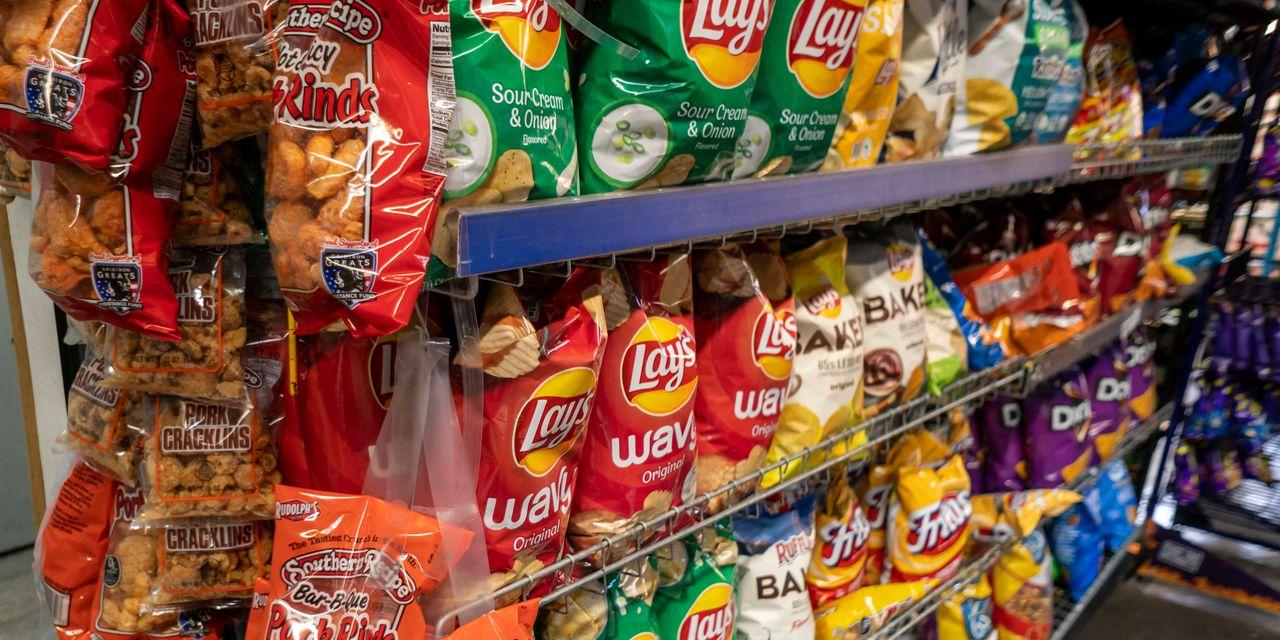
- Conagra Brands Performance: Conagra Brands has seen its stock price drop about 50% over the past three years, leading to a market cap of $9.1 billion; despite expecting flat organic sales for fiscal 2026, it faces a 6.8% decline in sales, highlighting the negative impact of inflation on demand.
- Dividend Yield Advantage: With a current dividend yield of 7.3%, significantly higher than the S&P 500's 1.2%, Conagra's ability to maintain this high dividend level is supported by strong cash flow, even as its payout ratio approaches 80%.
- Kimberly-Clark Acquisition Plans: Kimberly-Clark's stock has fallen about 25% over the last three years, yet its adjusted earnings per share rose 3.2% to $7.53; the anticipated $2.5 billion in cost savings from the Kenvue acquisition is expected to drive future revenue and earnings growth.
- Investment Opportunities: Given the current market conditions, the low valuations and high dividend yields of Conagra and Kimberly-Clark make them attractive options for investors, allowing for substantial dividend income while waiting for share prices to recover.
See More

Julius Baer Portfolio Manager Advises Reducing U.S. AI Exposure

- Portfolio Diversification Strategy: Julius Baer's portfolio manager Tom Watts recommends that investors reduce concentration risk in U.S. mega-cap tech by utilizing an equally-weighted S&P 500 tracker, which is not only cost-effective but also provides exposure to other sectors that may have been overlooked with market-weighted trackers.
- Global Market Outlook: In its 2026 Market Outlook, Julius Baer emphasizes that while AI remains a performance driver, investors can diversify into defensive healthcare, Swiss equities, European cyclicals, and Asia-led emerging market strengths to mitigate risks.
- Geopolitical and Macroeconomic Impact: Watts notes that 2026 will be characterized by diverging global policies, with the U.S. Federal Reserve likely to cut rates further while the Bank of England may cut faster than expected, making gold an attractive investment amid renewed uncertainties.
- Stability of Consumer Goods Stocks: Amid ongoing tech sell-offs, Watts highlights fast-moving consumer goods companies like Procter & Gamble and Reckitt Benckiser as historically resilient stocks that can weather uncertainty and volatility, showcasing their consistent earnings and strong management during challenging times.
See More

Investment Opportunities in High-Dividend Stocks Amid Market Volatility

- Best Buy Potential: Best Buy shares have fallen over 30% due to slowing consumer spending and tariff uncertainties, and despite analysts downgrading the stock to 'Neutral', its current forward P/E of 11.5 suggests a potential entry point for long-term investors.
- Merger Outlook: Kimberly-Clark's $48.7 billion acquisition of Kenvue, while met with skepticism, is expected to yield $2.4 billion in annual cost savings, which could enhance shareholder value and dividend growth in the future.
- Kraft Heinz Recovery Potential: Kraft Heinz has paused its spin-off plans, and despite a 25% drop from its 52-week high, its current forward P/E is below 10, indicating potential undervaluation, with even minor improvements likely leading to a stock re-rating.
- Attractive Dividend Yields: All three companies offer high dividend yields, with Best Buy at 5.9%, Kimberly-Clark at 4.56%, and Kraft Heinz at 6.6%, providing investors with steady cash flow amidst market volatility.
See More

Market Dynamics of Best Buy, Kimberly-Clark, and Kraft Heinz
- Best Buy Price Pressure: Best Buy's shares have fallen over 30% in the past year due to slowing consumer spending and tariff uncertainties, with analysts predicting these pressures will persist into 2026; however, the current P/E ratio of 11.5 may present a buying opportunity for long-term investors.
- Kimberly-Clark Merger Plans: Kimberly-Clark's plan to acquire Kenvue for $48.7 billion could create one of the world's largest consumer health and personal care companies, and while market skepticism exists, the merger is expected to yield annual cost savings of $2.4 billion, potentially boosting future dividend growth.
- Kraft Heinz Strategic Shift: Kraft Heinz has paused its plans to split its condiments and staple foods businesses, which may not provide immediate catalysts, but with shares down 25% from their 52-week high and trading at less than 10 times forward earnings, there is potential for valuation recovery.
- Dividend Yield Appeal: Both Best Buy and Kraft Heinz offer attractive dividend yields of 5.9% and 6.6%, respectively, providing investors with stable income amidst market volatility, despite the risks associated with price fluctuations.
See More
Analysis of High-Quality Dividend Stocks
- Dividend Kings Concept: Dividend Kings are stocks that have raised their per-share dividends for at least 50 consecutive years, indicating these companies can maintain profitability through economic fluctuations, thus providing a reliable income source for investors.
- Procter & Gamble Performance: Procter & Gamble (PG) has increased its dividend for 69 consecutive years, with a forward-looking dividend yield of 2.6%, ensuring market share and resisting competitive pressures through its well-known consumer brands.
- Coca-Cola vs. PepsiCo: Coca-Cola (KO) is a top dividend stock in the consumer staples sector, while PepsiCo (PEP) currently offers a higher yield of 3.5%; despite underperformance in its food and snack business, new product launches are expected to help extend its 54-year dividend growth track record.
- Kimberly-Clark and Emerson Electric: Kimberly-Clark (KMB) has a strong 54-year dividend growth history with a forward yield of 4.6%; Emerson Electric (EMR) has raised its dividend for 68 years, and although its yield is only 1.5%, its stable demand in industrial automation makes it a solid choice for long-term investors.
See More
Top Five Dividend Kings to Consider for Investment
- Definition of Dividend Kings: Dividend Kings are stocks that have raised their per-share dividends annually for at least 50 consecutive years, indicating their ability to maintain and grow dividends even during economic downturns, showcasing financial stability and competitive strength.
- Procter & Gamble's Performance: Procter & Gamble (PG) has increased its dividend for 69 consecutive years, with a current yield of 2.6%, and its strong brand portfolio and market share ensure a steady cash flow and investor confidence, making it a reliable choice for income-focused investors.
- PepsiCo's Potential: PepsiCo (PEP) faces challenges in its food and snack business but boasts a 54-year dividend growth record and a 3.1% yield, suggesting that with the introduction of new products, it is well-positioned to continue its growth trajectory, appealing to those seeking stable income.
- Emerson Electric's Stability: Emerson Electric (EMR) has raised its dividend for 68 consecutive years, currently yielding 1.5%, and its consistent profitability in the industrial automation sector, along with its adaptability to AI demand, makes it an attractive option for long-term investors.
See More
Bargain Stocks Amidst Inflationary Pressures
- Conagra Brands Performance: Conagra Brands has seen its stock price drop about 50% over the past three years, leading to a market cap of $9.1 billion; despite expecting flat organic sales for fiscal 2026, it faces a 6.8% decline in sales, highlighting the negative impact of inflation on demand.
- Dividend Yield Advantage: With a current dividend yield of 7.3%, significantly higher than the S&P 500's 1.2%, Conagra's ability to maintain this high dividend level is supported by strong cash flow, even as its payout ratio approaches 80%.
- Kimberly-Clark Acquisition Plans: Kimberly-Clark's stock has fallen about 25% over the last three years, yet its adjusted earnings per share rose 3.2% to $7.53; the anticipated $2.5 billion in cost savings from the Kenvue acquisition is expected to drive future revenue and earnings growth.
- Investment Opportunities: Given the current market conditions, the low valuations and high dividend yields of Conagra and Kimberly-Clark make them attractive options for investors, allowing for substantial dividend income while waiting for share prices to recover.
See More
Julius Baer Portfolio Manager Advises Reducing U.S. AI Exposure
- Portfolio Diversification Strategy: Julius Baer's portfolio manager Tom Watts recommends that investors reduce concentration risk in U.S. mega-cap tech by utilizing an equally-weighted S&P 500 tracker, which is not only cost-effective but also provides exposure to other sectors that may have been overlooked with market-weighted trackers.
- Global Market Outlook: In its 2026 Market Outlook, Julius Baer emphasizes that while AI remains a performance driver, investors can diversify into defensive healthcare, Swiss equities, European cyclicals, and Asia-led emerging market strengths to mitigate risks.
- Geopolitical and Macroeconomic Impact: Watts notes that 2026 will be characterized by diverging global policies, with the U.S. Federal Reserve likely to cut rates further while the Bank of England may cut faster than expected, making gold an attractive investment amid renewed uncertainties.
- Stability of Consumer Goods Stocks: Amid ongoing tech sell-offs, Watts highlights fast-moving consumer goods companies like Procter & Gamble and Reckitt Benckiser as historically resilient stocks that can weather uncertainty and volatility, showcasing their consistent earnings and strong management during challenging times.
See More
Investment Opportunities in High-Dividend Stocks Amid Market Volatility
- Best Buy Potential: Best Buy shares have fallen over 30% due to slowing consumer spending and tariff uncertainties, and despite analysts downgrading the stock to 'Neutral', its current forward P/E of 11.5 suggests a potential entry point for long-term investors.
- Merger Outlook: Kimberly-Clark's $48.7 billion acquisition of Kenvue, while met with skepticism, is expected to yield $2.4 billion in annual cost savings, which could enhance shareholder value and dividend growth in the future.
- Kraft Heinz Recovery Potential: Kraft Heinz has paused its spin-off plans, and despite a 25% drop from its 52-week high, its current forward P/E is below 10, indicating potential undervaluation, with even minor improvements likely leading to a stock re-rating.
- Attractive Dividend Yields: All three companies offer high dividend yields, with Best Buy at 5.9%, Kimberly-Clark at 4.56%, and Kraft Heinz at 6.6%, providing investors with steady cash flow amidst market volatility.
See More
Market Dynamics of Best Buy, Kimberly-Clark, and Kraft Heinz
- Best Buy Price Pressure: Best Buy's shares have fallen over 30% in the past year due to slowing consumer spending and tariff uncertainties, with analysts predicting these pressures will persist into 2026; however, the current P/E ratio of 11.5 may present a buying opportunity for long-term investors.
- Kimberly-Clark Merger Plans: Kimberly-Clark's plan to acquire Kenvue for $48.7 billion could create one of the world's largest consumer health and personal care companies, and while market skepticism exists, the merger is expected to yield annual cost savings of $2.4 billion, potentially boosting future dividend growth.
- Kraft Heinz Strategic Shift: Kraft Heinz has paused its plans to split its condiments and staple foods businesses, which may not provide immediate catalysts, but with shares down 25% from their 52-week high and trading at less than 10 times forward earnings, there is potential for valuation recovery.
- Dividend Yield Appeal: Both Best Buy and Kraft Heinz offer attractive dividend yields of 5.9% and 6.6%, respectively, providing investors with stable income amidst market volatility, despite the risks associated with price fluctuations.
See More