Joby vs Wisk: The eVTOL Battle for Certification
Written by Emily J. Thompson, Senior Investment Analyst
Updated: 3 days ago
0mins
Should l Buy JOBY?
Source: Fool
- Market Competition: Joby Aviation is competing with Boeing's Wisk in the electric vertical take-off and landing (eVTOL) market, with Joby focusing on manufacturing and operating its own air taxis, while Wisk is dedicated to fully autonomous eVTOL, highlighting a fundamental difference in market positioning.
- Technology Development Path: Joby's collaboration with Nvidia to develop autonomous aids for piloted eVTOL, while initially still piloted, lays the groundwork for future fully autonomous flight, thereby mitigating technological risks associated with the transition.
- Funding and Market Opportunities: Joby's recent $1.2 billion equity raise alleviates funding concerns, and its pure investment opportunity in the eVTOL transportation-as-a-service sector has attracted market attention; if it can secure certification first, it stands to gain critical vertiports and partnerships.
- Long-term Strategic Impact: Joby's certification strategy contrasts sharply with Wisk's fully autonomous flight model; if Joby can achieve certification ahead of competitors, it will secure a favorable position in the future eVTOL market, especially through collaborations with Uber and Delta Air Lines, potentially yielding long-term competitive advantages.
Trade with 70% Backtested Accuracy
Stop guessing "Should I Buy JOBY?" and start using high-conviction signals backed by rigorous historical data.
Sign up today to access powerful investing tools and make smarter, data-driven decisions.
Analyst Views on JOBY
Wall Street analysts forecast JOBY stock price to rise
6 Analyst Rating
1 Buy
3 Hold
2 Sell
Hold
Current: 10.060

Low
8.00
Averages
15.67
High
22.00
Current: 10.060
Low
8.00
Averages
15.67
High
22.00
About JOBY
Joby Aviation, Inc. is a transportation company developing an all-electric, vertical take-off and landing air taxi. The Company is engaged in designing and testing a piloted all-electric, vertical take-off and landing (eVTOL) aircraft. The Joby eVTOL is designed to transport a pilot and up to four passengers or an expected payload of up to 1,000 pounds at speeds of up to 200 miles per hour (mph). The aircraft is optimized for urban routes, with a target range of up to 100 miles on a single charge. The Company plans to manufacture, own and operate its aircraft itself, building a vertically integrated transportation company that delivers transportation services to customers, including government agencies such as the United States Air Force (USAF) through sales or contracted operations, and to individual end-users through a convenient app-based aerial ridesharing service. It also offers a network of terminals and loyal flyers in markets like New York and in Southern Europe.
About the author

Emily J. Thompson
Emily J. Thompson, a Chartered Financial Analyst (CFA) with 12 years in investment research, graduated with honors from the Wharton School. Specializing in industrial and technology stocks, she provides in-depth analysis for Intellectia’s earnings and market brief reports.

Joby Aviation Partners with Uber for Air Taxi Service, Enhancing Market Position

- Partnership Advantage: Joby Aviation's new partnership with Uber Technologies allows users to book Joby's eVTOL flights directly through the Uber app, providing Joby with a significant competitive edge in capturing passenger demand.
- Market Integration: Morgan Stanley highlights that while certification and adoption risks remain, this integration into one of the world's most widely used transportation apps will greatly enhance Joby's market share, particularly in urban air mobility.
- Technological Innovation: Joby's all-electric air taxi is designed for up to four passengers, featuring large windows and comfortable seating, capable of flying at speeds of up to 200 mph with a range of 100 miles on a single charge, showcasing its technological advantages in urban air travel.
- Financial Outlook: Joby Aviation aims to achieve a revenue target of $105 million to $150 million by 2026 while ramping up manufacturing and launching services in Dubai, demonstrating confidence in its future growth prospects.
See More
Joby Aviation and Uber Partner to Propel eVTOL Revolution
- Market Potential: Joby Aviation's S4 eVTOL can fly up to 100 miles on a single charge and reach speeds of 200 mph, showcasing its competitive edge in the short-range aviation market, which is likely to attract more investors and customers.
- Strategic Partnership: Uber's collaboration with Joby began in 2020, with Uber investing $75 million in Joby's financing and selling its Elevate aerial taxi business to Joby, thereby accelerating Joby's aerial mobility network development.
- Regulatory Challenges: Although Joby expects the FAA to approve its S4 for commercial flights this year, it has not yet received full approval, which may impact the launch of air taxi routes with partners like Delta in New York and Los Angeles.
- Future Revenue Outlook: Analysts project Joby's revenue to grow from $53 million to $210 million between 2025 and 2027, despite its market cap reaching $9.9 billion, indicating high market expectations for future growth, while also facing challenges in profitability and production capacity.
See More
Joby vs Wisk: The eVTOL Battle for Certification

- Market Competition: Joby Aviation is competing with Boeing's Wisk in the electric vertical take-off and landing (eVTOL) market, with Joby focusing on manufacturing and operating its own air taxis, while Wisk is dedicated to fully autonomous eVTOL, highlighting a fundamental difference in market positioning.
- Technology Development Path: Joby's collaboration with Nvidia to develop autonomous aids for piloted eVTOL, while initially still piloted, lays the groundwork for future fully autonomous flight, thereby mitigating technological risks associated with the transition.
- Funding and Market Opportunities: Joby's recent $1.2 billion equity raise alleviates funding concerns, and its pure investment opportunity in the eVTOL transportation-as-a-service sector has attracted market attention; if it can secure certification first, it stands to gain critical vertiports and partnerships.
- Long-term Strategic Impact: Joby's certification strategy contrasts sharply with Wisk's fully autonomous flight model; if Joby can achieve certification ahead of competitors, it will secure a favorable position in the future eVTOL market, especially through collaborations with Uber and Delta Air Lines, potentially yielding long-term competitive advantages.
See More
Uber and Joby Launch Aerial Ride-Hailing Service
- Aerial Taxi Service Launch: Uber and Joby are set to launch their first aerial ride-hailing service in Dubai, marking a significant milestone in their strategic partnership within the electric vertical take-off and landing (eVTOL) market, which is expected to attract a large user base and enhance market share.
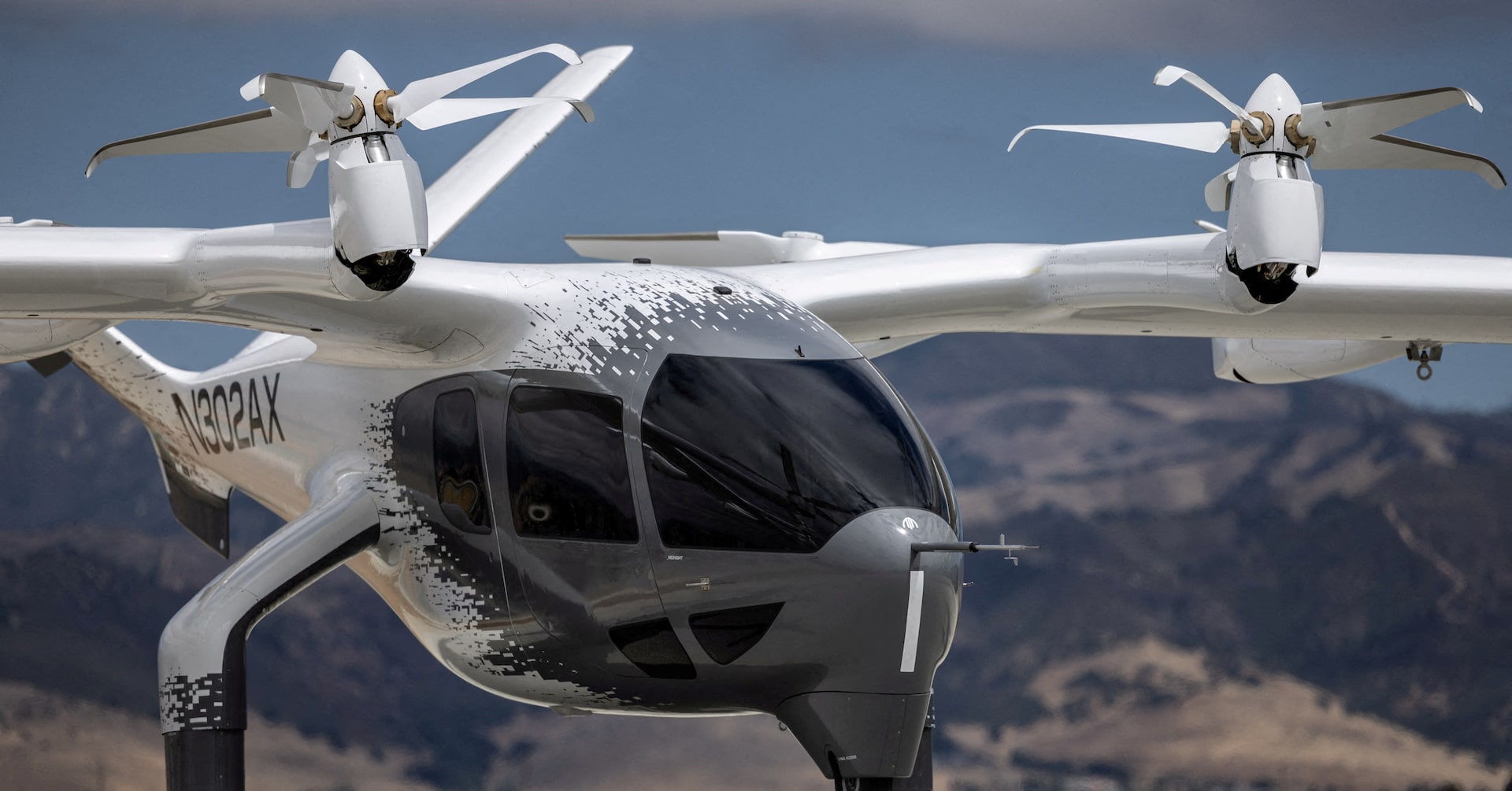
- Significant Technological Edge: Joby's S4 eVTOL can carry one pilot and four passengers, traveling up to 100 miles on a single charge with a maximum speed of 200 miles per hour, leveraging its tilt-rotor design to outperform competitors, thereby strengthening its market competitiveness.
- Investment and Acquisition Dynamics: Uber invested $75 million in Joby in 2020 after selling its Elevate business, while Joby expanded its operations by acquiring Blade's helicopter service, demonstrating a strong commitment to the aerial mobility market.
- Future Revenue Expectations: Analysts project Joby's revenue to grow from $53 million to $210 million between 2025 and 2027, and although its market cap stands at $9.9 billion with a valuation of 47 times its 2027 sales, FAA approval for commercial flights could significantly boost its stock price.
See More
Joby Aviation's Certification Progress Accelerates Amid Market Sentiment Shift
- Certification Progress: H.C. Wainwright noted that Joby Aviation's certification milestones are in the final stages, which is expected to lay the groundwork for showcasing the company's electric vertical take-off and landing platform, thereby enhancing market confidence.
- Financial Performance: JPMorgan indicated that while the company showed steady execution in Q4, its cash burn is likely to trend higher, lowering the price target from $8 to $7, implying a 32% downside to the last closing price, reflecting market pricing expectations for the company's long-term success.
- Uber Partnership: The collaboration between Joby and Uber will allow users to book Joby's all-electric air taxi directly through the Uber app, with expectations to carry its first passengers in Dubai later this year, marking a significant milestone in multi-modal transportation.
- Market Sentiment Shift: According to Stocktwits data, retail sentiment on Joby Aviation improved from 'bearish' to 'bullish' over the past week, with message volume surging by 188%, indicating a growing optimism among investors regarding the company's future prospects.
See More
Joby and Uber to Launch Air Taxis in Dubai

- Market Expansion: Joby Aviation and Uber have announced the launch of air taxi services in Dubai, marking a potential new mode of transportation that could transform traditional travel methods and enhance commuting efficiency.
- Technological Edge: Joby's electric aircraft can reach speeds of up to 200 miles per hour with a range of approximately 100 miles on a single charge, accommodating up to four passengers, thereby reducing hour-long traffic trips to mere minutes and significantly improving urban mobility.
- Partnership Model: Customers will be able to book Joby flights through the Uber app, with plans to establish four 'vertiports' in Dubai, including Dubai International Airport, a mall, a hotel on Palm Jumeirah, and the American University of Dubai, further expanding market reach.
- Regulatory Progress: Joby has entered the final certification stage with the U.S. Federal Aviation Administration (FAA), although no specific timeline has been set, indicating that its commercialization efforts in the U.S. market are accelerating.
See More
Joby Aviation Partners with Uber for Air Taxi Service, Enhancing Market Position
- Partnership Advantage: Joby Aviation's new partnership with Uber Technologies allows users to book Joby's eVTOL flights directly through the Uber app, providing Joby with a significant competitive edge in capturing passenger demand.
- Market Integration: Morgan Stanley highlights that while certification and adoption risks remain, this integration into one of the world's most widely used transportation apps will greatly enhance Joby's market share, particularly in urban air mobility.
- Technological Innovation: Joby's all-electric air taxi is designed for up to four passengers, featuring large windows and comfortable seating, capable of flying at speeds of up to 200 mph with a range of 100 miles on a single charge, showcasing its technological advantages in urban air travel.
- Financial Outlook: Joby Aviation aims to achieve a revenue target of $105 million to $150 million by 2026 while ramping up manufacturing and launching services in Dubai, demonstrating confidence in its future growth prospects.
See More
Joby Aviation and Uber Partner to Propel eVTOL Revolution
- Market Potential: Joby Aviation's S4 eVTOL can fly up to 100 miles on a single charge and reach speeds of 200 mph, showcasing its competitive edge in the short-range aviation market, which is likely to attract more investors and customers.
- Strategic Partnership: Uber's collaboration with Joby began in 2020, with Uber investing $75 million in Joby's financing and selling its Elevate aerial taxi business to Joby, thereby accelerating Joby's aerial mobility network development.
- Regulatory Challenges: Although Joby expects the FAA to approve its S4 for commercial flights this year, it has not yet received full approval, which may impact the launch of air taxi routes with partners like Delta in New York and Los Angeles.
- Future Revenue Outlook: Analysts project Joby's revenue to grow from $53 million to $210 million between 2025 and 2027, despite its market cap reaching $9.9 billion, indicating high market expectations for future growth, while also facing challenges in profitability and production capacity.
See More
Joby vs Wisk: The eVTOL Battle for Certification
- Market Competition: Joby Aviation is competing with Boeing's Wisk in the electric vertical take-off and landing (eVTOL) market, with Joby focusing on manufacturing and operating its own air taxis, while Wisk is dedicated to fully autonomous eVTOL, highlighting a fundamental difference in market positioning.
- Technology Development Path: Joby's collaboration with Nvidia to develop autonomous aids for piloted eVTOL, while initially still piloted, lays the groundwork for future fully autonomous flight, thereby mitigating technological risks associated with the transition.
- Funding and Market Opportunities: Joby's recent $1.2 billion equity raise alleviates funding concerns, and its pure investment opportunity in the eVTOL transportation-as-a-service sector has attracted market attention; if it can secure certification first, it stands to gain critical vertiports and partnerships.
- Long-term Strategic Impact: Joby's certification strategy contrasts sharply with Wisk's fully autonomous flight model; if Joby can achieve certification ahead of competitors, it will secure a favorable position in the future eVTOL market, especially through collaborations with Uber and Delta Air Lines, potentially yielding long-term competitive advantages.
See More
Uber and Joby Launch Aerial Ride-Hailing Service
- Aerial Taxi Service Launch: Uber and Joby are set to launch their first aerial ride-hailing service in Dubai, marking a significant milestone in their strategic partnership within the electric vertical take-off and landing (eVTOL) market, which is expected to attract a large user base and enhance market share.
- Significant Technological Edge: Joby's S4 eVTOL can carry one pilot and four passengers, traveling up to 100 miles on a single charge with a maximum speed of 200 miles per hour, leveraging its tilt-rotor design to outperform competitors, thereby strengthening its market competitiveness.
- Investment and Acquisition Dynamics: Uber invested $75 million in Joby in 2020 after selling its Elevate business, while Joby expanded its operations by acquiring Blade's helicopter service, demonstrating a strong commitment to the aerial mobility market.
- Future Revenue Expectations: Analysts project Joby's revenue to grow from $53 million to $210 million between 2025 and 2027, and although its market cap stands at $9.9 billion with a valuation of 47 times its 2027 sales, FAA approval for commercial flights could significantly boost its stock price.
See More
Joby Aviation's Certification Progress Accelerates Amid Market Sentiment Shift
- Certification Progress: H.C. Wainwright noted that Joby Aviation's certification milestones are in the final stages, which is expected to lay the groundwork for showcasing the company's electric vertical take-off and landing platform, thereby enhancing market confidence.
- Financial Performance: JPMorgan indicated that while the company showed steady execution in Q4, its cash burn is likely to trend higher, lowering the price target from $8 to $7, implying a 32% downside to the last closing price, reflecting market pricing expectations for the company's long-term success.
- Uber Partnership: The collaboration between Joby and Uber will allow users to book Joby's all-electric air taxi directly through the Uber app, with expectations to carry its first passengers in Dubai later this year, marking a significant milestone in multi-modal transportation.
- Market Sentiment Shift: According to Stocktwits data, retail sentiment on Joby Aviation improved from 'bearish' to 'bullish' over the past week, with message volume surging by 188%, indicating a growing optimism among investors regarding the company's future prospects.
See More
Joby and Uber to Launch Air Taxis in Dubai
- Market Expansion: Joby Aviation and Uber have announced the launch of air taxi services in Dubai, marking a potential new mode of transportation that could transform traditional travel methods and enhance commuting efficiency.
- Technological Edge: Joby's electric aircraft can reach speeds of up to 200 miles per hour with a range of approximately 100 miles on a single charge, accommodating up to four passengers, thereby reducing hour-long traffic trips to mere minutes and significantly improving urban mobility.
- Partnership Model: Customers will be able to book Joby flights through the Uber app, with plans to establish four 'vertiports' in Dubai, including Dubai International Airport, a mall, a hotel on Palm Jumeirah, and the American University of Dubai, further expanding market reach.
- Regulatory Progress: Joby has entered the final certification stage with the U.S. Federal Aviation Administration (FAA), although no specific timeline has been set, indicating that its commercialization efforts in the U.S. market are accelerating.
See More