

Jim Cramer's Trust Portfolio Trading Update
Written by Emily J. Thompson, Senior Investment Analyst
Updated: Feb 18 2026
0mins


Should l Buy COF?
Source: CNBC
- Capital One Increase: Acquiring 30 shares of Capital One Financial at approximately $208 each raises the weighting in Jim Cramer's Trust to 3.05% from 2.9%, increasing total shares to 580, indicating confidence in the company's growth potential despite risks from proposed interest rate caps.
- Danaher Reduction: Selling 200 shares of Danaher at around $207 each decreases the weighting from 2.1% to 1.05%, realizing a disappointing 9% loss, reflecting concerns over its acquisition of pulse oximetry leader Masimo and a preference for biotech-focused acquisitions.
- Texas Roadhouse Sale: Offloading 200 shares of Texas Roadhouse at about $189 each reduces the weighting to 0.95% from 1.9%, achieving an 8% gain, yet concerns over persistent beef inflation suggest potential earnings misses in upcoming reports.
- Strategic Portfolio Adjustment: By reducing positions in underperforming stocks, Jim Cramer's Trust aims to sidestep potential earnings shortfalls, demonstrating a cautious approach to earnings expectations in the current market climate.
Trade with 70% Backtested Accuracy
Stop guessing "Should I Buy COF?" and start using high-conviction signals backed by rigorous historical data.
Sign up today to access powerful investing tools and make smarter, data-driven decisions.
Analyst Views on COF
Wall Street analysts forecast COF stock price to rise
19 Analyst Rating
16 Buy
3 Hold
0 Sell
Strong Buy
Current: 194.320

Low
256.00
Averages
280.42
High
310.00
Current: 194.320
Low
256.00
Averages
280.42
High
310.00
About COF
Capital One Financial Corporation is a diversified financial services holding company with banking and non-banking subsidiaries. The Company offers a broad spectrum of financial products and services to consumers, small businesses and commercial clients through a variety of channels. It operates through three segments: Credit Card, Consumer Banking and Commercial Banking. The Credit Card segment consists of its domestic consumer and small business card lending, and international card businesses in the United Kingdom and Canada. The Consumer Banking segment consists of its deposit gathering and lending activities for consumers and small businesses, and national auto lending. The Commercial Banking segment consists of its lending, deposit gathering, capital markets and treasury management services to commercial real estate and commercial and industrial customers. Its principal operating subsidiary is Capital One, National Association, which offers banking products and financial services.
About the author

Emily J. Thompson
Emily J. Thompson, a Chartered Financial Analyst (CFA) with 12 years in investment research, graduated with honors from the Wharton School. Specializing in industrial and technology stocks, she provides in-depth analysis for Intellectia’s earnings and market brief reports.

Pomerantz LLP Investigates Capital One Securities Fraud Claims

- Earnings Miss: On January 22, 2026, Capital One reported Q4 2025 earnings of $3.86 per share, falling short of analyst expectations of $4.14, indicating a decline in profitability that could undermine investor confidence.
- Efficiency Ratio Shortfall: The company's efficiency ratio stood at 60%, also missing market expectations, suggesting issues in cost management that may further erode future profitability.
- Significant Stock Drop: Following the earnings report, Capital One's stock price plummeted by $17.77, or 7.56%, closing at $217.30 on January 23, 2026, reflecting market concerns regarding the company's financial health.
- Legal Investigation Initiated: Pomerantz LLP is investigating Capital One and its executives for potential securities fraud or other unlawful business practices, which could expose the company to legal risks and damage its reputation.
See More

JPMorgan CEO Responds to Trump's Lawsuit Over Account Closures

- Lawsuit Context: Trump accuses JPMorgan of closing his accounts for political reasons and seeks $5 billion in damages; although CEO Jamie Dimon claims the lawsuit lacks merit, he empathizes with Trump's anger, highlighting the legal and regulatory risks banks face in such situations.
- Compliance Pressure: Dimon emphasizes that banks are compelled to debank clients to comply with regulatory demands, which discourages them from taking on high-risk customers, thereby affecting Trump's banking relationships and those of his companies.
- Regulatory Landscape: While no specific law mandates banks to close accounts due to reputational risk, the existing regulatory framework creates significant risks for banks when dealing with certain clients, as evidenced by JPMorgan's closure of multiple accounts linked to Trump following the January 6 Capitol attack in 2021.
- Market Impact and Future Outlook: Dimon noted in an interview that the financial industry is beginning to benefit from a deregulatory push initiated by Trump appointees, which could enhance banks' profitability and reduce capital loss requirements, potentially leading to changes in the current legal and regulatory environment.
See More
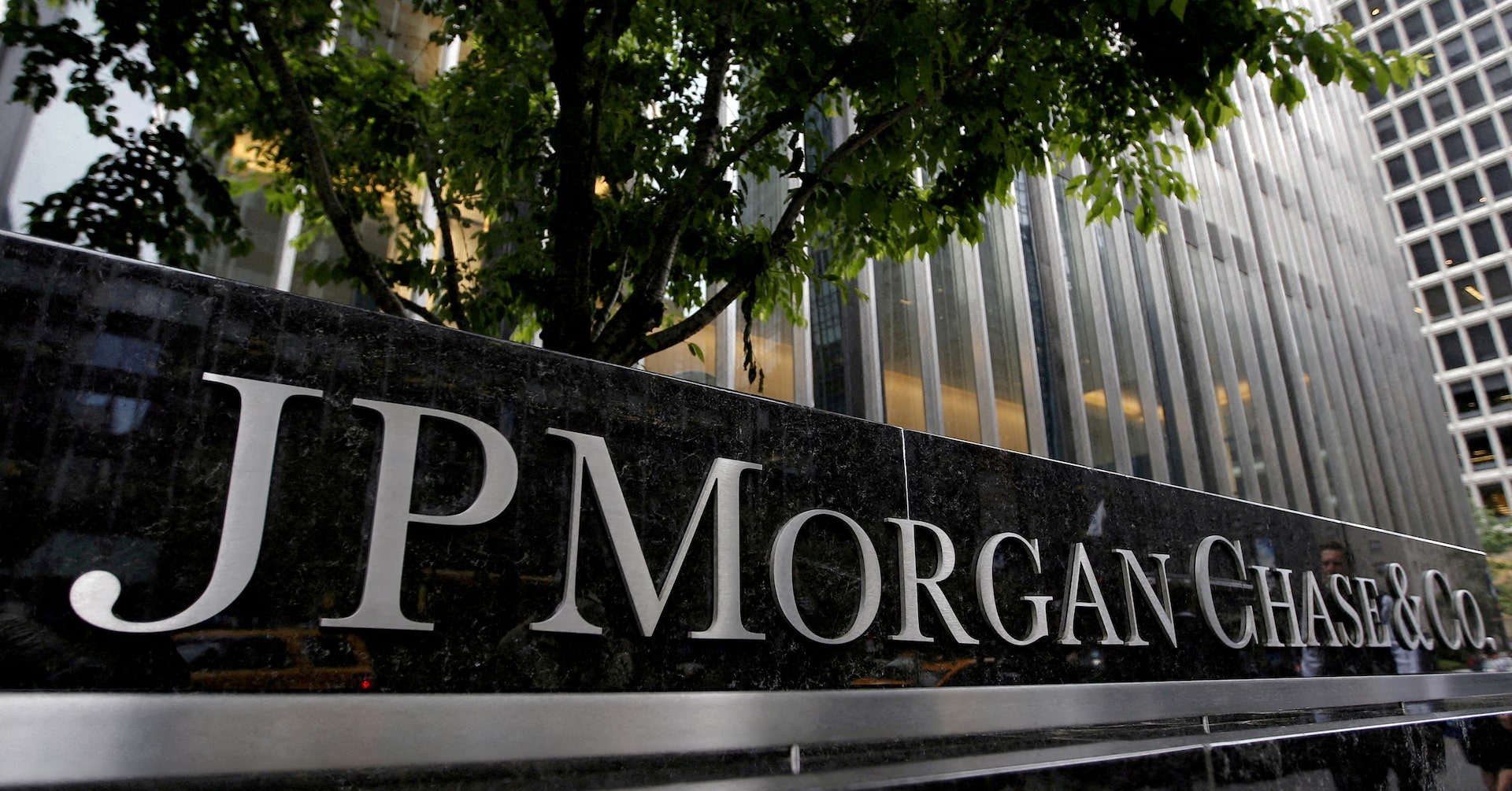
JPMorgan CEO Responds to Trump's Lawsuit Over Account Closures
- Lawsuit Merits Declared: JPMorgan CEO Jamie Dimon stated that Trump's $5 billion lawsuit over account closures is without merit, although he empathizes with Trump's anger, highlighting the political sensitivities involved in the case.
- Account Closure Context: JPMorgan closed dozens of accounts associated with Trump following the January 6, 2021 Capitol attack, reflecting the bank's stringent policies on reputational risk management, which could impact its relationships with clients.
- Compliance Pressures: Dimon emphasized that banks face regulatory pressures to avoid legal and reputational risks, leading them to prefer rejecting high-risk clients, which affects Trump's financial options and those of his supporters.
- Regulatory Changes in Industry: Dimon noted that the financial industry is beginning to benefit from deregulation under Trump appointees, potentially increasing bank profitability while raising further discussions on how to manage high-risk clients.
See More

Middle East Turmoil Triggers Market Panic


- Oil Price Surge Impact: The closure of the Strait of Hormuz due to U.S. and Israeli attacks on Iran has led to skyrocketing oil prices, which are expected to exacerbate inflation and hinder the Federal Reserve's ability to cut interest rates, posing significant obstacles to economic recovery.
- Private Equity Crisis: Private equity and private credit firms are facing a trust crisis as they are perceived as high-risk debt bearers, leading to a sharp decline in market confidence regarding their future, which could result in a wave of bankruptcies and further heighten recession risks.
- Nvidia Under Customer Pressure: Despite Nvidia reporting strong quarterly results last week, concerns over future demand have intensified as competitors Amazon and Alphabet launched cheaper chips, causing its stock price to drop from $196 to $176, reflecting investor panic in the tech sector.
- Layoff Wave Triggers Market Turmoil: Block's announcement of a 40% workforce reduction has sparked concerns about the future of the tech industry; while this move may boost stock prices in the short term, it risks losing top talent and undermining operational stability and market confidence in the long run.
See More

Market Volatility Amid AI Impact and Geopolitical Tensions

- Geopolitical Shock: The U.S. and Israel's military strikes on Iran have triggered significant market volatility, with investors uneasy about future developments, leading to a spike in oil prices on Friday and heightened concerns over potential crude supply disruptions from the Middle East.
- AI Impact Intensifies: As financial firms like Block laid off nearly half their workforce, fears of AI-induced white-collar job losses escalated, resulting in the S&P 500 and Nasdaq dropping nearly 1% and 3.4%, respectively, marking their worst monthly performance since March 2025.
- Chip Stocks Decline: Despite Nvidia reporting better-than-expected quarterly results, its shares fell nearly 6.7%, reflecting a broader market rotation away from hardware stocks, with Broadcom also declining nearly 4%, indicating waning investor confidence in the chip sector.
- Financial Stocks Under Pressure: A report from Citrini Research warned that rapid AI adoption could lead to double-digit unemployment by 2028, causing financial stocks like Capital One and Wells Fargo to suffer significant losses of 6% and over 8%, respectively, amplifying concerns about consumer health.
See More

US Stocks Decline on Friday, Bank Stocks Plummet


- Market Decline: The S&P 500 index closed down 0.43% on Friday, with the Dow Jones Industrial Average falling 1.05% and the Nasdaq 100 down 0.30%, reflecting heightened investor concerns over the disruptive potential of AI, which has negatively impacted market confidence.
- Bank Stocks Plummet: The collapse of UK private lender Market Financial Solutions Ltd raised fears of rising defaults, leading to significant declines in bank stocks, with Morgan Stanley and Goldman Sachs both down over 7%, indicating instability within the financial sector.
- Economic Data Impact: The US January PPI rose 0.5% month-over-month, exceeding expectations of 0.3%, while the Chicago PMI unexpectedly increased to 57.7, demonstrating economic resilience, although market speculation regarding Fed rate cuts was dampened.
- Rising Oil Prices Pressure: WTI crude oil prices surged over 2% to a 7-month high due to President Trump's pessimistic remarks on Iranian nuclear negotiations, exacerbating geopolitical risks that could further impact airline profits, leading to declines in related stocks.
See More
Pomerantz LLP Investigates Capital One Securities Fraud Claims
- Earnings Miss: On January 22, 2026, Capital One reported Q4 2025 earnings of $3.86 per share, falling short of analyst expectations of $4.14, indicating a decline in profitability that could undermine investor confidence.
- Efficiency Ratio Shortfall: The company's efficiency ratio stood at 60%, also missing market expectations, suggesting issues in cost management that may further erode future profitability.
- Significant Stock Drop: Following the earnings report, Capital One's stock price plummeted by $17.77, or 7.56%, closing at $217.30 on January 23, 2026, reflecting market concerns regarding the company's financial health.
- Legal Investigation Initiated: Pomerantz LLP is investigating Capital One and its executives for potential securities fraud or other unlawful business practices, which could expose the company to legal risks and damage its reputation.
See More
JPMorgan CEO Responds to Trump's Lawsuit Over Account Closures
- Lawsuit Context: Trump accuses JPMorgan of closing his accounts for political reasons and seeks $5 billion in damages; although CEO Jamie Dimon claims the lawsuit lacks merit, he empathizes with Trump's anger, highlighting the legal and regulatory risks banks face in such situations.
- Compliance Pressure: Dimon emphasizes that banks are compelled to debank clients to comply with regulatory demands, which discourages them from taking on high-risk customers, thereby affecting Trump's banking relationships and those of his companies.
- Regulatory Landscape: While no specific law mandates banks to close accounts due to reputational risk, the existing regulatory framework creates significant risks for banks when dealing with certain clients, as evidenced by JPMorgan's closure of multiple accounts linked to Trump following the January 6 Capitol attack in 2021.
- Market Impact and Future Outlook: Dimon noted in an interview that the financial industry is beginning to benefit from a deregulatory push initiated by Trump appointees, which could enhance banks' profitability and reduce capital loss requirements, potentially leading to changes in the current legal and regulatory environment.
See More
JPMorgan CEO Responds to Trump's Lawsuit Over Account Closures
- Lawsuit Merits Declared: JPMorgan CEO Jamie Dimon stated that Trump's $5 billion lawsuit over account closures is without merit, although he empathizes with Trump's anger, highlighting the political sensitivities involved in the case.
- Account Closure Context: JPMorgan closed dozens of accounts associated with Trump following the January 6, 2021 Capitol attack, reflecting the bank's stringent policies on reputational risk management, which could impact its relationships with clients.
- Compliance Pressures: Dimon emphasized that banks face regulatory pressures to avoid legal and reputational risks, leading them to prefer rejecting high-risk clients, which affects Trump's financial options and those of his supporters.
- Regulatory Changes in Industry: Dimon noted that the financial industry is beginning to benefit from deregulation under Trump appointees, potentially increasing bank profitability while raising further discussions on how to manage high-risk clients.
See More
Middle East Turmoil Triggers Market Panic
- Oil Price Surge Impact: The closure of the Strait of Hormuz due to U.S. and Israeli attacks on Iran has led to skyrocketing oil prices, which are expected to exacerbate inflation and hinder the Federal Reserve's ability to cut interest rates, posing significant obstacles to economic recovery.
- Private Equity Crisis: Private equity and private credit firms are facing a trust crisis as they are perceived as high-risk debt bearers, leading to a sharp decline in market confidence regarding their future, which could result in a wave of bankruptcies and further heighten recession risks.
- Nvidia Under Customer Pressure: Despite Nvidia reporting strong quarterly results last week, concerns over future demand have intensified as competitors Amazon and Alphabet launched cheaper chips, causing its stock price to drop from $196 to $176, reflecting investor panic in the tech sector.
- Layoff Wave Triggers Market Turmoil: Block's announcement of a 40% workforce reduction has sparked concerns about the future of the tech industry; while this move may boost stock prices in the short term, it risks losing top talent and undermining operational stability and market confidence in the long run.
See More
Market Volatility Amid AI Impact and Geopolitical Tensions
- Geopolitical Shock: The U.S. and Israel's military strikes on Iran have triggered significant market volatility, with investors uneasy about future developments, leading to a spike in oil prices on Friday and heightened concerns over potential crude supply disruptions from the Middle East.
- AI Impact Intensifies: As financial firms like Block laid off nearly half their workforce, fears of AI-induced white-collar job losses escalated, resulting in the S&P 500 and Nasdaq dropping nearly 1% and 3.4%, respectively, marking their worst monthly performance since March 2025.
- Chip Stocks Decline: Despite Nvidia reporting better-than-expected quarterly results, its shares fell nearly 6.7%, reflecting a broader market rotation away from hardware stocks, with Broadcom also declining nearly 4%, indicating waning investor confidence in the chip sector.
- Financial Stocks Under Pressure: A report from Citrini Research warned that rapid AI adoption could lead to double-digit unemployment by 2028, causing financial stocks like Capital One and Wells Fargo to suffer significant losses of 6% and over 8%, respectively, amplifying concerns about consumer health.
See More
US Stocks Decline on Friday, Bank Stocks Plummet
- Market Decline: The S&P 500 index closed down 0.43% on Friday, with the Dow Jones Industrial Average falling 1.05% and the Nasdaq 100 down 0.30%, reflecting heightened investor concerns over the disruptive potential of AI, which has negatively impacted market confidence.
- Bank Stocks Plummet: The collapse of UK private lender Market Financial Solutions Ltd raised fears of rising defaults, leading to significant declines in bank stocks, with Morgan Stanley and Goldman Sachs both down over 7%, indicating instability within the financial sector.
- Economic Data Impact: The US January PPI rose 0.5% month-over-month, exceeding expectations of 0.3%, while the Chicago PMI unexpectedly increased to 57.7, demonstrating economic resilience, although market speculation regarding Fed rate cuts was dampened.
- Rising Oil Prices Pressure: WTI crude oil prices surged over 2% to a 7-month high due to President Trump's pessimistic remarks on Iranian nuclear negotiations, exacerbating geopolitical risks that could further impact airline profits, leading to declines in related stocks.
See More




