

Iran Conflict Halts Stock Market Surge, Potentially for an Extended Period.

- Market Performance: The stock market has struggled to maintain a rally despite exceeding Wall Street earnings forecasts during two cycles.
- Economic Context: This instability occurs in the context of resilient economic growth and significant corporate tax cuts, indicating underlying vulnerabilities.
Trade with 70% Backtested Accuracy
Analyst Views on META

About META
About the author


Meta's AI Strategy Could Boost Valuation Significantly

- AI Product Advantage: Meta's Advantage+ machine learning product automates ad campaigns, achieving a $60 billion annual revenue run rate in Q3, showcasing AI's strong potential in advertising and possibly driving future profit growth.
- Video Generation Tool Growth: The video generation tools within Meta's Creative suite reached a $10 billion annual revenue run rate in Q4, growing at three times the rate of overall ad revenue, indicating that AI-driven products are rapidly enhancing market competitiveness.
- Capital Expenditure Plans: Meta plans to increase capital expenditures to $135 billion in 2024, nearly double the 2025 levels, which, despite investor concerns over rising infrastructure costs, demonstrates the company's strong commitment to AI development.
- Valuation Discount Analysis: With a forward P/E of 21, Meta's valuation reflects market skepticism about its AI transformation, even as analysts project a 16% EPS growth by 2027; achieving a $3 trillion market cap would require a significant P/E expansion.

Analysis of Money Flows in Magnificent Seven Stocks


- Money Flow Trends: In early trading, negative money flows were observed in the Magnificent Seven stocks, including Apple, Amazon, Google, Meta, Microsoft, NVIDIA, and Tesla, indicating a lack of short-term confidence in these stocks, which may lead investors to reassess their positions.
- ETF Performance Weakness: The SPDR S&P 500 ETF and Invesco QQQ Trust also showed negative money flows, reflecting a general market sentiment downturn, which could lead investors to adopt a cautious stance on tech stocks, impacting the liquidity and pricing of related ETFs.
- Bitcoin Market Volatility: Bitcoin initially dropped following news of the Iran war but rebounded on the announcement of Ayatollah Khamenei's death, highlighting the cryptocurrency market's sensitivity to geopolitical events, prompting investors to monitor how such events influence market sentiment.
- Investment Strategy Recommendations: Investors are advised to maintain long-term quality positions while tactically adding to their investments based on market signals to navigate current uncertainties, ensuring the stability and growth potential of their portfolios.

Meta Reintroduces Stablecoin Payments with New Conditions
Meta's Return to Stablecoin Payments: Meta Platforms plans to reintroduce stablecoin-enabled payments, having previously abandoned its Libra project in early 2022. The company aims to launch a new stablecoin with a third-party provider by the second half of 2026.
Growing Interest in Stablecoins: The demand for stablecoins has surged, with estimates suggesting that circulating supply has increased from $30 billion in 2020 to over $300 billion today. This growth is supported by regulatory developments, including the U.S. government's passage of the GENIUS Act, which establishes a federal regulatory framework for stablecoins.
Potential Benefits for Meta: By facilitating stablecoin payments, Meta could enhance its revenue through increased user engagement on its platforms, reduce transaction fees, and improve cross-border payment efficiency for creators and users alike.
Strategic Shift in Meta's Approach: Meta's renewed focus on stablecoins reflects a strategic shift to leverage the growing acceptance of digital currencies, aiming to strengthen its network effect and enhance its advertising revenue through improved user engagement.

Alibaba Consolidates AI Efforts Under 'Qwen' Brand

- Brand Consolidation: Alibaba has unified its large model brand under 'Qwen', with the app serving as its flagship product, aiming to strengthen its competitive position in the rapidly growing AI market, despite a 2.57% drop in stock price.
- User Engagement: During the Lunar New Year, users placed nearly 200 million orders through the 'Qwen' app, demonstrating strong consumer appeal and further driving Alibaba's market share in the AI sector.
- Low-Cost AI Tools: Alibaba Cloud launched a new AI coding platform providing low-cost access to various leading Chinese AI models, with the basic version priced at 7.9 yuan for the first month, aimed at attracting more developers and boosting cloud service revenue.
- Chip Innovation: Alibaba's T-Head introduced the Zhenwu 810E chip, comparable in performance to Nvidia's H20, deployed in multiple 10,000-card clusters and utilized by over 400 customers, including State Grid, showcasing its robust capabilities in AI training and inference.
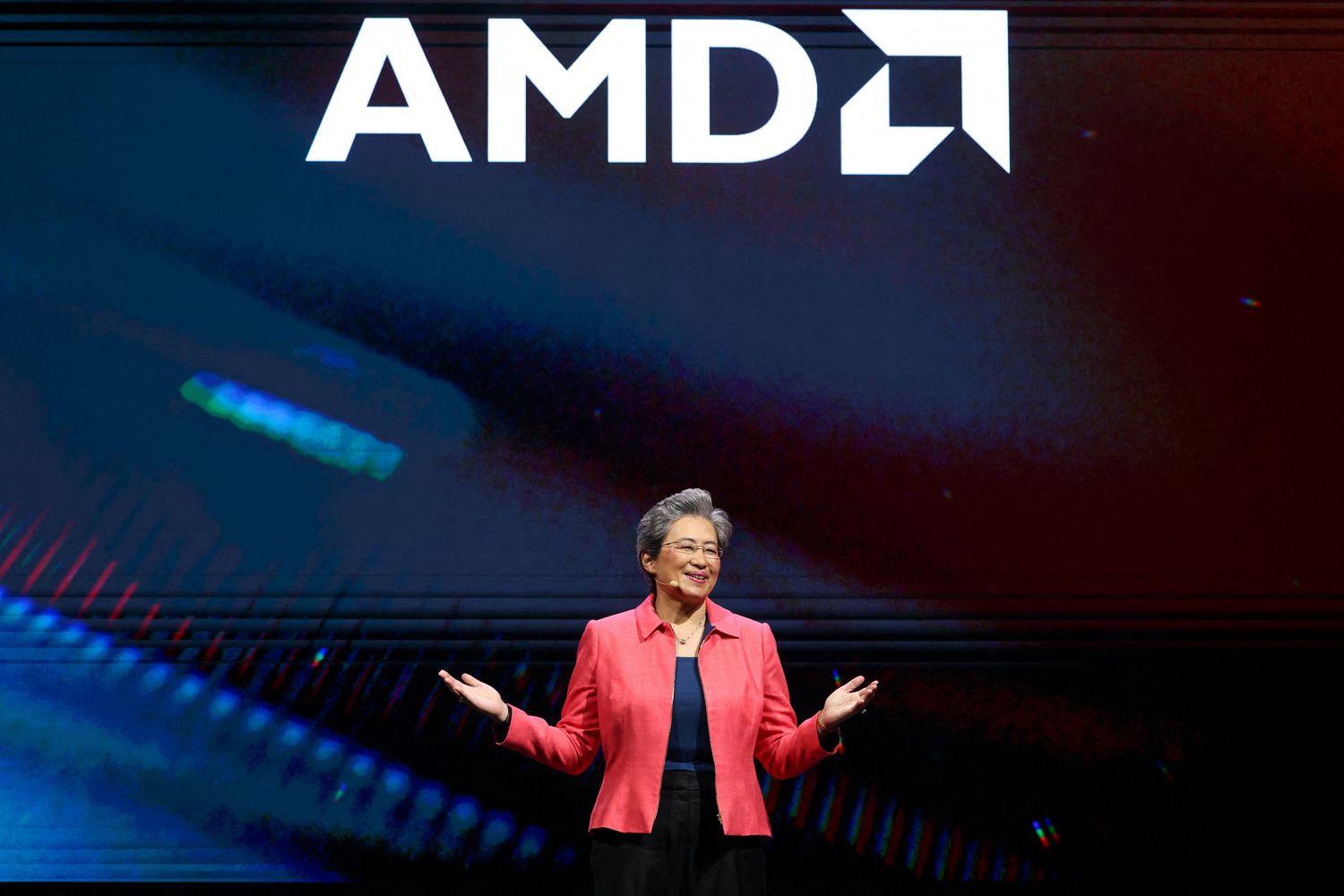
AMD Unveils New AI-Focused Desktop Processors

- Processor Launch: AMD unveiled the Ryzen AI 400 Series and Ryzen AI PRO 400 Series desktop processors at Mobile World Congress 2026, aiming to provide broader options for AI-capable PCs and enabling on-device AI software execution, particularly for demanding engineering and design workloads.
- Transformation to Intelligent Assistants: Senior VP Jack Huynh stated that desktop PCs are evolving from mere tools to intelligent assistants, with the Ryzen AI 400 Series being touted as the world's first designed to support new Copilot+ experiences on desktops, highlighting AMD's commitment to enhancing on-device AI capabilities.
- Commercial Expansion and OEM Partnerships: The Ryzen AI PRO 400 Series will extend into mobile workstations, further promoting Copilot+ PC features beyond notebooks, with shipments expected to begin in Q2 2026 through OEM partners like HP and Lenovo, indicating AMD's proactive approach in the commercial market.
- Market Pressure and Stock Fluctuations: AMD's stock fell 2.43% to $195.35 in premarket trading on Monday, driven by investor reactions to Nvidia's earnings and ongoing concerns about AI profitability, reflecting market uncertainties regarding AI valuations and heavy capital expenditures.

Iran Conflict Halts Stock Market Surge, Potentially for an Extended Period.

- Market Performance: The stock market has struggled to maintain a rally despite exceeding Wall Street earnings forecasts during two cycles.
- Economic Context: This instability occurs in the context of resilient economic growth and significant corporate tax cuts, indicating underlying vulnerabilities.
Meta's AI Strategy Could Boost Valuation Significantly
- AI Product Advantage: Meta's Advantage+ machine learning product automates ad campaigns, achieving a $60 billion annual revenue run rate in Q3, showcasing AI's strong potential in advertising and possibly driving future profit growth.
- Video Generation Tool Growth: The video generation tools within Meta's Creative suite reached a $10 billion annual revenue run rate in Q4, growing at three times the rate of overall ad revenue, indicating that AI-driven products are rapidly enhancing market competitiveness.
- Capital Expenditure Plans: Meta plans to increase capital expenditures to $135 billion in 2024, nearly double the 2025 levels, which, despite investor concerns over rising infrastructure costs, demonstrates the company's strong commitment to AI development.
- Valuation Discount Analysis: With a forward P/E of 21, Meta's valuation reflects market skepticism about its AI transformation, even as analysts project a 16% EPS growth by 2027; achieving a $3 trillion market cap would require a significant P/E expansion.
Analysis of Money Flows in Magnificent Seven Stocks
- Money Flow Trends: In early trading, negative money flows were observed in the Magnificent Seven stocks, including Apple, Amazon, Google, Meta, Microsoft, NVIDIA, and Tesla, indicating a lack of short-term confidence in these stocks, which may lead investors to reassess their positions.
- ETF Performance Weakness: The SPDR S&P 500 ETF and Invesco QQQ Trust also showed negative money flows, reflecting a general market sentiment downturn, which could lead investors to adopt a cautious stance on tech stocks, impacting the liquidity and pricing of related ETFs.
- Bitcoin Market Volatility: Bitcoin initially dropped following news of the Iran war but rebounded on the announcement of Ayatollah Khamenei's death, highlighting the cryptocurrency market's sensitivity to geopolitical events, prompting investors to monitor how such events influence market sentiment.
- Investment Strategy Recommendations: Investors are advised to maintain long-term quality positions while tactically adding to their investments based on market signals to navigate current uncertainties, ensuring the stability and growth potential of their portfolios.
Meta Reintroduces Stablecoin Payments with New Conditions
Meta's Return to Stablecoin Payments: Meta Platforms plans to reintroduce stablecoin-enabled payments, having previously abandoned its Libra project in early 2022. The company aims to launch a new stablecoin with a third-party provider by the second half of 2026.
Growing Interest in Stablecoins: The demand for stablecoins has surged, with estimates suggesting that circulating supply has increased from $30 billion in 2020 to over $300 billion today. This growth is supported by regulatory developments, including the U.S. government's passage of the GENIUS Act, which establishes a federal regulatory framework for stablecoins.
Potential Benefits for Meta: By facilitating stablecoin payments, Meta could enhance its revenue through increased user engagement on its platforms, reduce transaction fees, and improve cross-border payment efficiency for creators and users alike.
Strategic Shift in Meta's Approach: Meta's renewed focus on stablecoins reflects a strategic shift to leverage the growing acceptance of digital currencies, aiming to strengthen its network effect and enhance its advertising revenue through improved user engagement.
Alibaba Consolidates AI Efforts Under 'Qwen' Brand
- Brand Consolidation: Alibaba has unified its large model brand under 'Qwen', with the app serving as its flagship product, aiming to strengthen its competitive position in the rapidly growing AI market, despite a 2.57% drop in stock price.
- User Engagement: During the Lunar New Year, users placed nearly 200 million orders through the 'Qwen' app, demonstrating strong consumer appeal and further driving Alibaba's market share in the AI sector.
- Low-Cost AI Tools: Alibaba Cloud launched a new AI coding platform providing low-cost access to various leading Chinese AI models, with the basic version priced at 7.9 yuan for the first month, aimed at attracting more developers and boosting cloud service revenue.
- Chip Innovation: Alibaba's T-Head introduced the Zhenwu 810E chip, comparable in performance to Nvidia's H20, deployed in multiple 10,000-card clusters and utilized by over 400 customers, including State Grid, showcasing its robust capabilities in AI training and inference.
AMD Unveils New AI-Focused Desktop Processors
- Processor Launch: AMD unveiled the Ryzen AI 400 Series and Ryzen AI PRO 400 Series desktop processors at Mobile World Congress 2026, aiming to provide broader options for AI-capable PCs and enabling on-device AI software execution, particularly for demanding engineering and design workloads.
- Transformation to Intelligent Assistants: Senior VP Jack Huynh stated that desktop PCs are evolving from mere tools to intelligent assistants, with the Ryzen AI 400 Series being touted as the world's first designed to support new Copilot+ experiences on desktops, highlighting AMD's commitment to enhancing on-device AI capabilities.
- Commercial Expansion and OEM Partnerships: The Ryzen AI PRO 400 Series will extend into mobile workstations, further promoting Copilot+ PC features beyond notebooks, with shipments expected to begin in Q2 2026 through OEM partners like HP and Lenovo, indicating AMD's proactive approach in the commercial market.
- Market Pressure and Stock Fluctuations: AMD's stock fell 2.43% to $195.35 in premarket trading on Monday, driven by investor reactions to Nvidia's earnings and ongoing concerns about AI profitability, reflecting market uncertainties regarding AI valuations and heavy capital expenditures.
Iran Conflict Halts Stock Market Surge, Potentially for an Extended Period.
- Market Performance: The stock market has struggled to maintain a rally despite exceeding Wall Street earnings forecasts during two cycles.
- Economic Context: This instability occurs in the context of resilient economic growth and significant corporate tax cuts, indicating underlying vulnerabilities.




