Is This AI Stock Poised to Join the $1 Trillion Club by 2028?
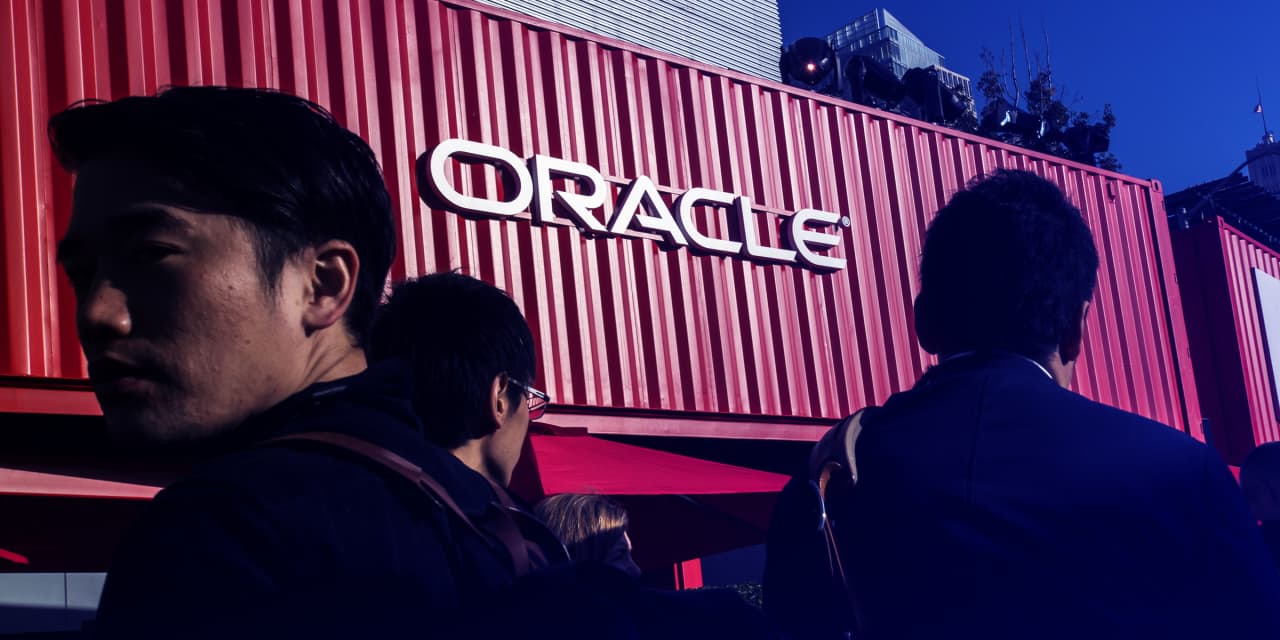
Oracle's Growth and Market Potential: Oracle's shares have surged nearly 74% in 2025, driven by high demand for data center capacity and a significant increase in remaining performance obligations (RPO) to $455 billion, indicating strong future revenue potential.
Cloud Infrastructure and AI Database: The company plans to expand its multicloud data centers and expects Oracle Cloud Infrastructure revenues to grow significantly, with the recently launched AI Database poised to enhance AI adoption among enterprises.
Financial Health and Projections: Despite a high debt load of approximately $112 billion, Oracle maintains investment-grade credit ratings and expects revenue growth of 16% year-over-year in fiscal 2026, with a target market capitalization of $1 trillion by 2028.
Strategic Focus for Success: To achieve its ambitious market cap goal, Oracle must effectively convert its backlog into revenue, manage its debt, and improve profitability while maintaining a strong forward price-to-earnings ratio.
Trade with 70% Backtested Accuracy
Analyst Views on ORCL

About ORCL
About the author

Oracle Sets Date for Q3 FY2026 Earnings Release

- Earnings Release Date: Oracle Corporation has announced that its third quarter fiscal year 2026 earnings will be released on March 10, 2026, after market close, reflecting the company's commitment to transparency and timely information disclosure.
- Conference Call Details: The company will host a conference call and live webcast at 4:00 p.m. Central Time on the same day to discuss the financial results in depth, enhancing communication with shareholders.
- Investor Relations Platform: The live webcast will be available on Oracle's Investor Relations website, further improving the company's accessibility and information sharing capabilities among investors.
- Cloud Computing Leadership: Oracle offers integrated suites of applications and secure, autonomous infrastructure, reinforcing its leadership position in the cloud computing sector and attracting more investor interest in its financial performance.

Surge in Bond Issuance from Hyperscalers


- Market Concerns: According to a recent Bank of America survey, credit investors have identified an AI bubble as their top concern, with expectations of $285 billion in bond issuance from hyperscalers this year, indicating heightened scrutiny on tech investments that could impact investor confidence.
- Increased Capital Expenditures: Major hyperscalers like Alphabet, Amazon, and Oracle are turning to the bond market to finance their significantly increased capital expenditure plans, a shift that may alter market perceptions of their financing strategies and affect their future financial flexibility.
- Market Absorption Capacity: Bob Michele, CIO at JPMorgan, noted that despite rising bond issuance, the market has the capacity to absorb this debt, as historical precedents show that it can differentiate between good and bad borrowers, influencing investor decision-making.
- Investor Strategy Adjustments: Guy LeBas from Janney Montgomery Scott anticipates a 9% to 11% growth in the investment-grade corporate bond market by 2026, suggesting strong ongoing demand for bonds, prompting investors to reassess their portfolios in light of the upcoming debt supply changes.

HubSpot and Other Software Stocks Are Recovering; Anticipate Upcoming Developments.


Software Stocks Recovery: Software stocks are showing signs of recovery after a period of decline due to concerns about AI impacting their business.
Investor Concerns: Investors may soon discover which companies are truly at risk from the rise of artificial intelligence.

Anthropic Faces Regulatory Challenges Amid Rapid Growth


- Surge in Enterprise Demand: Anthropic's business now derives 80% from enterprise customers, with an annual revenue run rate nearing $20 billion, up from $14 billion just weeks ago, indicating strong demand and potential market leadership in the enterprise AI sector.
- Regulatory Risk: The Trump administration's designation of Anthropic as a supply chain risk after it refused the Pentagon's terms has led to defense contractors dropping its technology, which could significantly impact customer trust and market share.
- Shift in Technology Reliance: As the government scrutinizes Anthropic, companies are reassessing their reliance on a single AI provider, with many evaluating multiple vendors simultaneously to mitigate risks, potentially altering the supply chain dynamics across the industry.
- Legal Challenges and Brand Impact: Anthropic plans to contest the government's supply chain risk designation legally; while its brand has benefited from consumer safety concerns, ongoing legal battles may affect investor confidence and the pace of market expansion.

Trump Pushes Tech Firms for Self-Powered AI Data Centers

- Self-Power Commitment: Trump is set to sign an agreement with major tech firms like Amazon, Google, and Meta, mandating them to supply their own power for AI data centers, addressing rising public anger over electricity prices, although the specifics of the commitment remain unclear.
- Rising Electricity Pressure: Average residential electricity prices in the U.S. increased by 6% in 2025, contrasting Trump's promise to halve prices during his term, highlighting the government's challenges in controlling energy costs, which could impact his support in the midterm elections.
- Implementation Challenges: The decentralized nature of electric grid regulations across states poses significant hurdles for the Trump administration in converting the pledge into actionable policy, with experts indicating that new federal legislation is necessary to address power supply shortages.
- Increased Political Pressure: Trump is leveraging his political influence to pressure tech companies into absorbing the costs associated with their data centers, despite the complexities arising from state-level regulation of power generation, which may complicate policy implementation.
Anthropic Designated Supply Chain Risk by Trump Administration
- Supply Chain Risk Declaration: The Trump administration's designation of Anthropic as a supply chain risk has prompted 10 startups working with the Department of Defense to cease using its Claude model and seek alternatives, potentially impacting about 80% of Anthropic's enterprise revenue.
- Defense Contract Implications: Major defense contractors like Lockheed Martin are expected to remove Anthropic's technology from their supply chains, which could lead to a decline in Anthropic's market share within the defense sector and adversely affect future revenue growth.
- Legal Response Possibility: Anthropic has indicated it may appeal the supply chain risk designation through legal channels, although no formal action has been taken yet; if the designation becomes official, it would restrict the use of Claude in defense contracts, potentially affecting its business with other clients.
- Market Reaction and Alternatives: Several defense tech firms are proactively transitioning their workforce away from Claude to other models, and while Anthropic's product is regarded as excellent, the reliance on it for defense contracts is now under scrutiny, posing challenges for its continued use in sensitive environments.
Oracle Sets Date for Q3 FY2026 Earnings Release
- Earnings Release Date: Oracle Corporation has announced that its third quarter fiscal year 2026 earnings will be released on March 10, 2026, after market close, reflecting the company's commitment to transparency and timely information disclosure.
- Conference Call Details: The company will host a conference call and live webcast at 4:00 p.m. Central Time on the same day to discuss the financial results in depth, enhancing communication with shareholders.
- Investor Relations Platform: The live webcast will be available on Oracle's Investor Relations website, further improving the company's accessibility and information sharing capabilities among investors.
- Cloud Computing Leadership: Oracle offers integrated suites of applications and secure, autonomous infrastructure, reinforcing its leadership position in the cloud computing sector and attracting more investor interest in its financial performance.
Surge in Bond Issuance from Hyperscalers
- Market Concerns: According to a recent Bank of America survey, credit investors have identified an AI bubble as their top concern, with expectations of $285 billion in bond issuance from hyperscalers this year, indicating heightened scrutiny on tech investments that could impact investor confidence.
- Increased Capital Expenditures: Major hyperscalers like Alphabet, Amazon, and Oracle are turning to the bond market to finance their significantly increased capital expenditure plans, a shift that may alter market perceptions of their financing strategies and affect their future financial flexibility.
- Market Absorption Capacity: Bob Michele, CIO at JPMorgan, noted that despite rising bond issuance, the market has the capacity to absorb this debt, as historical precedents show that it can differentiate between good and bad borrowers, influencing investor decision-making.
- Investor Strategy Adjustments: Guy LeBas from Janney Montgomery Scott anticipates a 9% to 11% growth in the investment-grade corporate bond market by 2026, suggesting strong ongoing demand for bonds, prompting investors to reassess their portfolios in light of the upcoming debt supply changes.
HubSpot and Other Software Stocks Are Recovering; Anticipate Upcoming Developments.
Software Stocks Recovery: Software stocks are showing signs of recovery after a period of decline due to concerns about AI impacting their business.
Investor Concerns: Investors may soon discover which companies are truly at risk from the rise of artificial intelligence.
Anthropic Faces Regulatory Challenges Amid Rapid Growth
- Surge in Enterprise Demand: Anthropic's business now derives 80% from enterprise customers, with an annual revenue run rate nearing $20 billion, up from $14 billion just weeks ago, indicating strong demand and potential market leadership in the enterprise AI sector.
- Regulatory Risk: The Trump administration's designation of Anthropic as a supply chain risk after it refused the Pentagon's terms has led to defense contractors dropping its technology, which could significantly impact customer trust and market share.
- Shift in Technology Reliance: As the government scrutinizes Anthropic, companies are reassessing their reliance on a single AI provider, with many evaluating multiple vendors simultaneously to mitigate risks, potentially altering the supply chain dynamics across the industry.
- Legal Challenges and Brand Impact: Anthropic plans to contest the government's supply chain risk designation legally; while its brand has benefited from consumer safety concerns, ongoing legal battles may affect investor confidence and the pace of market expansion.
Trump Pushes Tech Firms for Self-Powered AI Data Centers
- Self-Power Commitment: Trump is set to sign an agreement with major tech firms like Amazon, Google, and Meta, mandating them to supply their own power for AI data centers, addressing rising public anger over electricity prices, although the specifics of the commitment remain unclear.
- Rising Electricity Pressure: Average residential electricity prices in the U.S. increased by 6% in 2025, contrasting Trump's promise to halve prices during his term, highlighting the government's challenges in controlling energy costs, which could impact his support in the midterm elections.
- Implementation Challenges: The decentralized nature of electric grid regulations across states poses significant hurdles for the Trump administration in converting the pledge into actionable policy, with experts indicating that new federal legislation is necessary to address power supply shortages.
- Increased Political Pressure: Trump is leveraging his political influence to pressure tech companies into absorbing the costs associated with their data centers, despite the complexities arising from state-level regulation of power generation, which may complicate policy implementation.
Anthropic Designated Supply Chain Risk by Trump Administration
- Supply Chain Risk Declaration: The Trump administration's designation of Anthropic as a supply chain risk has prompted 10 startups working with the Department of Defense to cease using its Claude model and seek alternatives, potentially impacting about 80% of Anthropic's enterprise revenue.
- Defense Contract Implications: Major defense contractors like Lockheed Martin are expected to remove Anthropic's technology from their supply chains, which could lead to a decline in Anthropic's market share within the defense sector and adversely affect future revenue growth.
- Legal Response Possibility: Anthropic has indicated it may appeal the supply chain risk designation through legal channels, although no formal action has been taken yet; if the designation becomes official, it would restrict the use of Claude in defense contracts, potentially affecting its business with other clients.
- Market Reaction and Alternatives: Several defense tech firms are proactively transitioning their workforce away from Claude to other models, and while Anthropic's product is regarded as excellent, the reliance on it for defense contracts is now under scrutiny, posing challenges for its continued use in sensitive environments.