

Finance Sector Faces Potential Technological Disruption
Written by Emily J. Thompson, Senior Investment Analyst
Updated: 2 days ago
0mins

Source: Fool
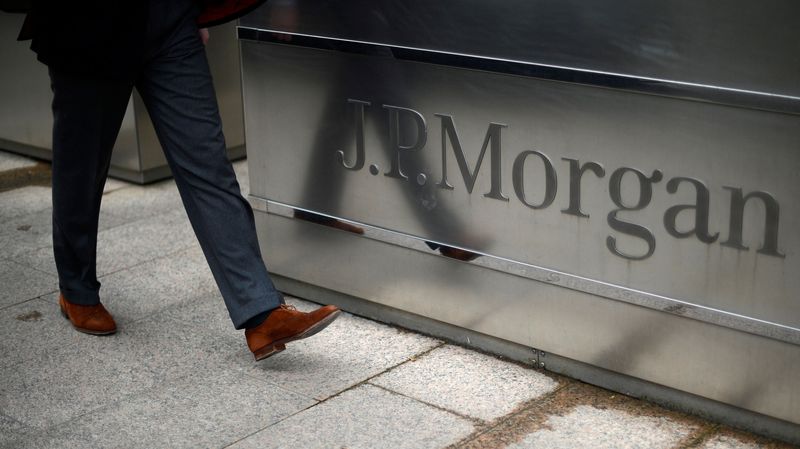
- Layoff Announcement: Block has announced a reduction of over 4,000 employees, bringing its workforce below 6,000, reflecting significant adjustments in response to the impact of modern intelligence tools, which could profoundly affect its operational efficiency.
- Market Reaction: Investor fears regarding potential disruptions in the fintech sector led to a sell-off in finance stocks on Friday, with JPMorgan Chase's stock dropping 1.9%, indicating market unease about the future of the financial industry despite a relatively smaller decline.
- Technological Adaptation: As a major financial institution, JPMorgan Chase faces competitive pressure from emerging payment companies, and its future success will depend on how effectively it leverages technology to cope with automated processes that influence fees and interest rates.
- Management Confidence: Despite the disruptive risks, analysts believe that JPMorgan Chase's management team possesses the capability to navigate these challenges, thus advising against selling its stock due to these concerns, which reflects confidence in the company's long-term prospects.
Trade with 70% Backtested Accuracy
Stop guessing "Should I Buy JPM?" and start using high-conviction signals backed by rigorous historical data.
Sign up today to access powerful investing tools and make smarter, data-driven decisions.
Analyst Views on JPM
Wall Street analysts forecast JPM stock price to rise
19 Analyst Rating
11 Buy
7 Hold
1 Sell
Moderate Buy
Current: 300.300

Low
260.00
Averages
341.38
High
400.00
Current: 300.300
Low
260.00
Averages
341.38
High
400.00
About JPM
JPMorgan Chase & Co. is a financial holding company. The Company is engaged in investment banking, financial services for consumers and small businesses, commercial banking, financial transaction processing and asset management. The Company operates through three segments: Consumer & Community Banking (CCB), Commercial & Investment Bank (CIB), and Asset & Wealth Management (AWM). Its CCB segment offers products and services to consumers and small businesses through bank branches, ATMs, digital and telephone banking. Its CIB segment consists of banking and payments and markets and securities services, and offers a suite of investment banking, lending, payments, market-making, financing, custody and securities products and services to a global base of corporate and institutional clients. AWM segment offers investment and wealth management solutions. It offers multi-asset investment management solutions, retirement products and services, brokerage, custody, estate planning, and others.
About the author

Emily J. Thompson
Emily J. Thompson, a Chartered Financial Analyst (CFA) with 12 years in investment research, graduated with honors from the Wharton School. Specializing in industrial and technology stocks, she provides in-depth analysis for Intellectia’s earnings and market brief reports.
Analysis of Significant Stock Movements


- AeroVironment Stock Decline: AeroVironment shares fell approximately 20% after Raymond James downgraded its rating from strong buy to underperform, losing exclusivity on a $1.4 billion contract with the U.S. Space Force, which could negatively impact future revenues.
- Palantir Sales Surge: Palantir's stock rose 6%, making it the biggest gainer in the S&P 500, with U.S. government revenue accounting for 41% of its sales in Q4, reflecting a 66% year-over-year increase, indicating potential growth from increased defense spending.
- Norwegian Cruise Line Earnings Guidance Cut: Norwegian Cruise Line shares dropped 10% due to weaker-than-expected earnings guidance for 2026, projecting earnings per share at $2.38, below the FactSet estimate of $2.57, raising concerns about its future profitability.
- AES Acquisition Announcement: AES shares plunged 17% after a consortium led by BlackRock announced plans to acquire the company for nearly $11 billion, offering shareholders $15 per share in cash, with the deal expected to close in late 2026 or early 2027.
See More

Earnings Insights: Cloudflare, Airbnb, Shopify, and AI Disruption


- Cloudflare Earnings Highlight: Cloudflare reported a 34% revenue growth this quarter, exceeding expectations, with large customers contributing 73% of total revenue, indicating strong performance in cybersecurity and application development, and is expected to maintain a 28% growth rate moving forward.
- Airbnb's Unexpected Bounce: Despite missing earnings expectations, Airbnb's stock rose due to low market expectations, with projected double-digit revenue growth in 2026, showcasing resilience amid macroeconomic pressures.
- Shopify's Sustained Growth: Shopify achieved a 30% revenue increase this quarter, surpassing $100 billion in gross merchandise volume for the first time, although trading at over 150 times earnings, the market remains optimistic about its future growth potential in the e-commerce sector.
- AI's Impact on Logistics: A recent claim by a company that its AI platform can enhance trucking efficiency by 300% led to a 20% drop in logistics stocks, reflecting the market's heightened sensitivity to the potential disruptive effects of AI technology in traditional industries, necessitating cautious evaluation by investors.
See More

Future Outlook on Cloud Computing and AI
- Cloudflare Earnings Highlights: Cloudflare reported a 34% revenue growth in its latest earnings, exceeding its own guidance, showcasing strong performance in cybersecurity and application development, with expectations of maintaining a 28% growth in the coming year, indicating the company's increasing competitiveness in the market.
- Significant Contribution from Large Customers: Revenue contribution from Cloudflare's large customers (paying over $100,000 annually) grew by 42%, now accounting for 73% of total revenue, up from 69% a year ago, demonstrating the company's appeal and enhanced customer stickiness within high-value client segments.
- Shopify Growth and Valuation: Shopify's quarterly revenue grew by 30%, surpassing $100 billion in gross merchandise volume for the first time, although its stock price fell due to high valuation, its market share and growth potential in the e-commerce sector remain strong, likely to continue attracting investor interest.
- Airbnb Earnings and Market Reaction: Despite Airbnb missing earnings expectations this quarter, its stock rose, reflecting market optimism about its future double-digit revenue growth, indicating that investor confidence in its long-term growth potential remains intact.
See More

Surge in Participation Among Low-Income Investors

- Investor Participation Surge: Since 2020, the number of low and moderate income investors has increased by 2.7 times (167%), with the lowest income group nearly tripling their participation, indicating a growing market appeal for this demographic.
- Increased Investment Contributions: Median investment contributions from low-income investors have risen by 77% since 2020, and they are now committing approximately 30% more of their income to investments from 2020-2024 compared to 2015-2019, reflecting a significant commitment to investing.
- Seasonal Investment Patterns: The report highlights that low-income investors contributed the highest amounts in January and December, followed by March and April, suggesting that financial income spikes during these months drive over one-third (~37%) of annual investment activity.
- Importance of Liquid Savings: The analysis shows that low-income investors are more likely to invest when they have at least two weeks' worth of liquid savings ($1,500-$2,000), emphasizing the critical role of liquidity in sustaining investment participation, and recommending financial platforms to offer high-yield savings accounts to enhance investor resilience.
See More
Geopolitical Conflict Triggers Market Volatility

- Market Reaction: U.S. equities faced pressure following a joint attack by the U.S. and Israel on Iran, with stock futures sharply lower and gold prices soaring as investors sought safe-haven assets, indicating market sensitivity to geopolitical risks.
- Energy Price Surge: The conflict disrupted shipments out of the Persian Gulf, causing oil and natural gas prices to spike, which not only increases volatility in the energy market but could also exert pressure on global economic recovery.
- Historical Data Analysis: According to Wells Fargo, since World War II, the S&P 500 typically sees a median gain of 0.4% two weeks after geopolitical events, although it often experiences declines in the short term, reflecting market uncertainty.
- Investment Strategy Advice: Both Wells Fargo and JPMorgan strategists advise investors to remain cautious during market volatility and to wait for a 1-2 week decline in risk assets to create buying opportunities, as historical data suggests markets usually recover within two weeks following geopolitical events.
See More

Global Market Turmoil and Oil Price Surge


- Market Reaction: Dow futures are down about 500 points and Brent crude oil prices have surged over 8% following the U.S.-Israeli attack on Iran, indicating limited market tolerance for a short war, while a prolonged conflict could lead to soaring oil prices and broader economic impacts.
- Iran Situation: The assassination of Iran's Supreme Leader Ayatollah Khamenei has led to a negative market response, with concerns that the Islamic Revolutionary Guard will remain in power, suggesting that international conflict may not ease, thereby increasing market uncertainty.
- Energy Stock Dynamics: Citigroup raised price targets for several energy companies, including Chevron and Exxon, reflecting market fears of supply disruptions as tankers are rerouted to avoid the Strait of Hormuz, which could lead to sustained supply issues.
- Tech Stock Outlook: Nvidia plans to unveil a new inference processor aimed at enhancing AI system efficiency, and despite concerns over AI disruption, analysts remain bullish on its semiconductor performance, with Morgan Stanley again naming it a top pick, replacing Micron.
See More
Analysis of Significant Stock Movements
- AeroVironment Stock Decline: AeroVironment shares fell approximately 20% after Raymond James downgraded its rating from strong buy to underperform, losing exclusivity on a $1.4 billion contract with the U.S. Space Force, which could negatively impact future revenues.
- Palantir Sales Surge: Palantir's stock rose 6%, making it the biggest gainer in the S&P 500, with U.S. government revenue accounting for 41% of its sales in Q4, reflecting a 66% year-over-year increase, indicating potential growth from increased defense spending.
- Norwegian Cruise Line Earnings Guidance Cut: Norwegian Cruise Line shares dropped 10% due to weaker-than-expected earnings guidance for 2026, projecting earnings per share at $2.38, below the FactSet estimate of $2.57, raising concerns about its future profitability.
- AES Acquisition Announcement: AES shares plunged 17% after a consortium led by BlackRock announced plans to acquire the company for nearly $11 billion, offering shareholders $15 per share in cash, with the deal expected to close in late 2026 or early 2027.
See More
Earnings Insights: Cloudflare, Airbnb, Shopify, and AI Disruption
- Cloudflare Earnings Highlight: Cloudflare reported a 34% revenue growth this quarter, exceeding expectations, with large customers contributing 73% of total revenue, indicating strong performance in cybersecurity and application development, and is expected to maintain a 28% growth rate moving forward.
- Airbnb's Unexpected Bounce: Despite missing earnings expectations, Airbnb's stock rose due to low market expectations, with projected double-digit revenue growth in 2026, showcasing resilience amid macroeconomic pressures.
- Shopify's Sustained Growth: Shopify achieved a 30% revenue increase this quarter, surpassing $100 billion in gross merchandise volume for the first time, although trading at over 150 times earnings, the market remains optimistic about its future growth potential in the e-commerce sector.
- AI's Impact on Logistics: A recent claim by a company that its AI platform can enhance trucking efficiency by 300% led to a 20% drop in logistics stocks, reflecting the market's heightened sensitivity to the potential disruptive effects of AI technology in traditional industries, necessitating cautious evaluation by investors.
See More
Future Outlook on Cloud Computing and AI
- Cloudflare Earnings Highlights: Cloudflare reported a 34% revenue growth in its latest earnings, exceeding its own guidance, showcasing strong performance in cybersecurity and application development, with expectations of maintaining a 28% growth in the coming year, indicating the company's increasing competitiveness in the market.
- Significant Contribution from Large Customers: Revenue contribution from Cloudflare's large customers (paying over $100,000 annually) grew by 42%, now accounting for 73% of total revenue, up from 69% a year ago, demonstrating the company's appeal and enhanced customer stickiness within high-value client segments.
- Shopify Growth and Valuation: Shopify's quarterly revenue grew by 30%, surpassing $100 billion in gross merchandise volume for the first time, although its stock price fell due to high valuation, its market share and growth potential in the e-commerce sector remain strong, likely to continue attracting investor interest.
- Airbnb Earnings and Market Reaction: Despite Airbnb missing earnings expectations this quarter, its stock rose, reflecting market optimism about its future double-digit revenue growth, indicating that investor confidence in its long-term growth potential remains intact.
See More
Surge in Participation Among Low-Income Investors
- Investor Participation Surge: Since 2020, the number of low and moderate income investors has increased by 2.7 times (167%), with the lowest income group nearly tripling their participation, indicating a growing market appeal for this demographic.
- Increased Investment Contributions: Median investment contributions from low-income investors have risen by 77% since 2020, and they are now committing approximately 30% more of their income to investments from 2020-2024 compared to 2015-2019, reflecting a significant commitment to investing.
- Seasonal Investment Patterns: The report highlights that low-income investors contributed the highest amounts in January and December, followed by March and April, suggesting that financial income spikes during these months drive over one-third (~37%) of annual investment activity.
- Importance of Liquid Savings: The analysis shows that low-income investors are more likely to invest when they have at least two weeks' worth of liquid savings ($1,500-$2,000), emphasizing the critical role of liquidity in sustaining investment participation, and recommending financial platforms to offer high-yield savings accounts to enhance investor resilience.
See More
Geopolitical Conflict Triggers Market Volatility
- Market Reaction: U.S. equities faced pressure following a joint attack by the U.S. and Israel on Iran, with stock futures sharply lower and gold prices soaring as investors sought safe-haven assets, indicating market sensitivity to geopolitical risks.
- Energy Price Surge: The conflict disrupted shipments out of the Persian Gulf, causing oil and natural gas prices to spike, which not only increases volatility in the energy market but could also exert pressure on global economic recovery.
- Historical Data Analysis: According to Wells Fargo, since World War II, the S&P 500 typically sees a median gain of 0.4% two weeks after geopolitical events, although it often experiences declines in the short term, reflecting market uncertainty.
- Investment Strategy Advice: Both Wells Fargo and JPMorgan strategists advise investors to remain cautious during market volatility and to wait for a 1-2 week decline in risk assets to create buying opportunities, as historical data suggests markets usually recover within two weeks following geopolitical events.
See More
Global Market Turmoil and Oil Price Surge
- Market Reaction: Dow futures are down about 500 points and Brent crude oil prices have surged over 8% following the U.S.-Israeli attack on Iran, indicating limited market tolerance for a short war, while a prolonged conflict could lead to soaring oil prices and broader economic impacts.
- Iran Situation: The assassination of Iran's Supreme Leader Ayatollah Khamenei has led to a negative market response, with concerns that the Islamic Revolutionary Guard will remain in power, suggesting that international conflict may not ease, thereby increasing market uncertainty.
- Energy Stock Dynamics: Citigroup raised price targets for several energy companies, including Chevron and Exxon, reflecting market fears of supply disruptions as tankers are rerouted to avoid the Strait of Hormuz, which could lead to sustained supply issues.
- Tech Stock Outlook: Nvidia plans to unveil a new inference processor aimed at enhancing AI system efficiency, and despite concerns over AI disruption, analysts remain bullish on its semiconductor performance, with Morgan Stanley again naming it a top pick, replacing Micron.
See More




