

FedEx Faces Lawsuit Over Tariff Refunds Following Supreme Court Ruling
Written by Emily J. Thompson, Senior Investment Analyst
Updated: 3 days ago
0mins

Should l Buy FDX?
Source: Newsfilter
- Lawsuit Background: Following the U.S. Supreme Court's ruling that President Trump unlawfully imposed emergency tariffs, FedEx (FDX) was sued on February 27, seeking refunds for potentially millions of customers who paid improper duties, indicating significant legal exposure for the company.
- Refund Commitment: FedEx stated that if ordered to issue refunds, it would reimburse the shippers and consumers who originally incurred those charges; however, the lawsuit claims this promise lacks legal enforceability, potentially undermining the company's reputation and customer trust.
- Scale of Litigation: The class action lawsuit filed in Miami, Florida, involves customers who paid duties on imported goods that should have been exempt, highlighting the complexities FedEx faces in navigating tariff-related issues.
- Industry Impact: In addition to FedEx, over 2,000 companies are suing the federal government in the U.S. Court of International Trade for tariff refunds, indicating a widespread legal challenge that could expose more businesses to similar litigation risks.
Trade with 70% Backtested Accuracy
Stop guessing "Should I Buy FDX?" and start using high-conviction signals backed by rigorous historical data.
Sign up today to access powerful investing tools and make smarter, data-driven decisions.
Analyst Views on FDX
Wall Street analysts forecast FDX stock price to fall
20 Analyst Rating
13 Buy
6 Hold
1 Sell
Moderate Buy
Current: 387.000

Low
210.00
Averages
315.05
High
365.00
Current: 387.000
Low
210.00
Averages
315.05
High
365.00
About FDX
FedEx Corporation provides customers and businesses with a portfolio of transportation, e-commerce, and business services. The Company offers integrated business solutions utilizing its flexible and efficient global network. Its segments include Federal Express, FedEx Freight, and Corporate, other, and eliminations. Federal Express segment includes express transportation, small-package ground delivery, and freight transportation, and it also operates combined sales, marketing, administrative, and information-technology functions in shared service operations for United States customers. FedEx Freight segment includes FedEx Freight (LTL freight transportation) and FedEx Custom Critical (time-critical transportation). Corporate, other, and elimination segments include FedEx Dataworks, Inc. (FedEx Dataworks), FedEx Office and Print Services, Inc. (FedEx Office), and FedEx Logistics, Inc. (FedEx Logistics). FedEx Logistics offers customs brokerage, specialty transportation, and others.
About the author

Emily J. Thompson
Emily J. Thompson, a Chartered Financial Analyst (CFA) with 12 years in investment research, graduated with honors from the Wharton School. Specializing in industrial and technology stocks, she provides in-depth analysis for Intellectia’s earnings and market brief reports.
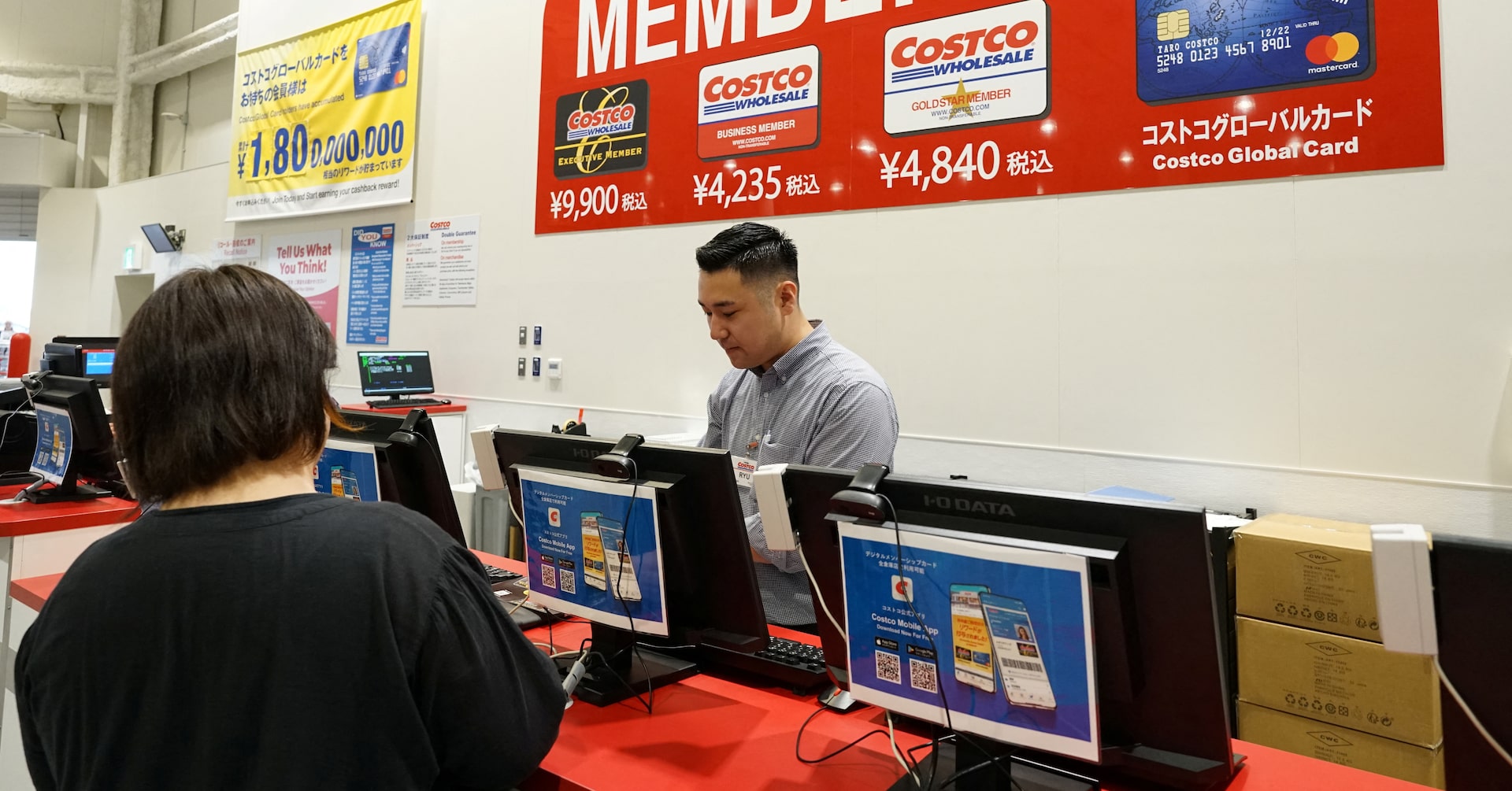
Court Denies Trump Administration's Request to Delay Tariff Refunds


- Tariff Refund Progress: A federal court denied the Trump administration's request to delay the refund of billions in tariffs, stating that there is no reason to postpone the issuance of the mandate, which will expedite the refund process for small businesses and alleviate their financial burdens.
- Small Business Benefits: The U.S. Court of International Trade is now authorized to begin formulating relief for small businesses that successfully contested Trump's global tariffs, with lawyers indicating they will proceed immediately to handle the refunds, potentially improving cash flow for these businesses.
- Supreme Court Decision Impact: Last month, the Supreme Court invalidated $133 billion in tariffs, and while it did not rule on the matter of refunds, this decision provides legal support for small businesses seeking refunds, likely encouraging more businesses to engage in litigation.
- Trump Administration's Response: Trump questioned whether the case could be reheard; however, the DOJ did not signal any intention to request a Supreme Court review, indicating a potentially passive stance from the administration on this issue.
See More

FedEx Suspends Services in Middle East Region
- Service Suspension Announcement: FedEx has announced the temporary suspension of pickup and delivery services across Bahrain, Kuwait, Iraq, Qatar, and the UAE until further notice, highlighting the direct impact of the regional situation on logistics operations.
- Risk of Transit Delays: The company warned that due to airspace closures in the Middle East, flights to and from Bahrain, Iran, Iraq, Israel, Jordan, Kuwait, Lebanon, Oman, Qatar, the UAE, and Saudi Arabia have been suspended, potentially leading to longer transit times for shipments to and from other markets, which could disrupt clients' supply chain management.
- Ongoing Situation Monitoring: FedEx stated it is closely monitoring the situation and will resume services as soon as it is safe to do so, reflecting the company's commitment to customer service and sensitivity to market dynamics.
- Industry Impact Assessment: This service disruption may affect relevant logistics companies including UPS, DHL, and XPO, indicating the potential threat of the Middle East situation to the global logistics network and possibly leading to a decline in overall industry operational efficiency.
See More

U.S.-Israel Airstrikes on Iran Trigger Market Turmoil


- Middle East Market Decline: Following the U.S. and Israeli airstrikes on Iran, Middle Eastern stock markets faced significant declines on their first trading day, with Saudi Arabia's Tadawul, Oman's Muscat index, and Bahrain's exchange all trading in the red, reflecting investor anxiety over the escalating conflict.
- Oil Price Surge Anticipation: Traders are predicting that Brent crude prices will spike above $80 per barrel due to the airstrikes, despite OPEC's recent decision to increase output, indicating heightened volatility in the global oil market.
- Strait of Hormuz Closure: The closure of the Strait of Hormuz has led global shipping companies to suspend all vessel transit, increasing shipping times and costs, which further exacerbates oil price instability in the wake of retaliatory strikes by Iran's Revolutionary Guard.
- Air Travel Disruption: The airspace across the Middle East has been largely closed since the strikes, resulting in over 1,500 flight cancellations and more than 19,000 global flight delays, placing immense operational pressure on airlines as they work to reopen routes and arrange repatriation flights.
See More

FedEx and EssilorLuxottica Face Refund Lawsuits Over Tariffs
- Lawsuit Context: FedEx (FDX) and EssilorLuxottica (ESLOY) are facing lawsuits from customers seeking refunds related to emergency tariffs imposed by the Trump administration, highlighting legal uncertainties and potential financial impacts for these companies.
- Legal Challenges: The lawsuit in Florida claims that FedEx's promise to issue refunds lacks legal enforceability and is contingent on future government and court guidance, which may lead to delays or uncertainties in the refund process.
- Consumer Impact: The complaint against EssilorLuxottica argues that consumers paid higher prices due to tariff surcharges, and despite seeking refunds, the company continues to collect these fees, potentially harming brand reputation and customer trust.
- Industry Trend: At least 2,000 firms, including FedEx, are suing the government to recover duties paid under Trump’s tariffs, indicating widespread dissatisfaction with tariff policies and urgent demand for refunds across the industry.
See More

Analysis of HALO Stocks Amid AI Disruption


- Market Panic Intensifies: On February 23, the market experienced a significant sell-off, particularly in tech stocks, due to growing concerns about AI's potential impact on the economy and industries, leading to a 1% drop in the S&P 500 index, reflecting investor anxiety about the future.
- IBM Shares Plummet: The announcement by AI startup Anthropic that its Claude Code tool could modernize the COBOL programming language resulted in IBM's shares falling 13% on the day, marking its worst single-day loss since 2000, highlighting the direct threat AI poses to traditional tech companies.
- Focus on HALO Stocks: As concerns about AI's impact grow, investors are increasingly seeking out
See More

AI Disruption Causes Major Market Sell-Off
- Market Panic Intensifies: On February 23, 2023, a major sell-off occurred due to fears about AI's potential impact on companies and the economy, particularly hitting tech stocks hard, with IBM shares plummeting 13%, marking its worst single-day loss since 2000.
- Unemployment Rate Warning: Citrini Research issued a report predicting that in two years, AI-induced job displacement could push the unemployment rate above 10%, which spooked the markets and led to a 1% drop in the S&P 500 index on the same day.
- Investors Shift to HALO Stocks: In light of growing concerns about AI's impact, investors are increasingly seeking HALO stocks, which are deemed less vulnerable to AI disruption and may even benefit from the efficiencies AI can provide.
- Examples of HALO Stocks: HALO stocks mentioned by Josh Brown include ExxonMobil, McDonald's, FedEx, Coca-Cola, Caterpillar, and Deere, all of which are considered less susceptible to AI replacement due to their heavy asset bases and have outperformed IBM and other tech stocks in 2023.
See More
Court Denies Trump Administration's Request to Delay Tariff Refunds
- Tariff Refund Progress: A federal court denied the Trump administration's request to delay the refund of billions in tariffs, stating that there is no reason to postpone the issuance of the mandate, which will expedite the refund process for small businesses and alleviate their financial burdens.
- Small Business Benefits: The U.S. Court of International Trade is now authorized to begin formulating relief for small businesses that successfully contested Trump's global tariffs, with lawyers indicating they will proceed immediately to handle the refunds, potentially improving cash flow for these businesses.
- Supreme Court Decision Impact: Last month, the Supreme Court invalidated $133 billion in tariffs, and while it did not rule on the matter of refunds, this decision provides legal support for small businesses seeking refunds, likely encouraging more businesses to engage in litigation.
- Trump Administration's Response: Trump questioned whether the case could be reheard; however, the DOJ did not signal any intention to request a Supreme Court review, indicating a potentially passive stance from the administration on this issue.
See More
FedEx Suspends Services in Middle East Region
- Service Suspension Announcement: FedEx has announced the temporary suspension of pickup and delivery services across Bahrain, Kuwait, Iraq, Qatar, and the UAE until further notice, highlighting the direct impact of the regional situation on logistics operations.
- Risk of Transit Delays: The company warned that due to airspace closures in the Middle East, flights to and from Bahrain, Iran, Iraq, Israel, Jordan, Kuwait, Lebanon, Oman, Qatar, the UAE, and Saudi Arabia have been suspended, potentially leading to longer transit times for shipments to and from other markets, which could disrupt clients' supply chain management.
- Ongoing Situation Monitoring: FedEx stated it is closely monitoring the situation and will resume services as soon as it is safe to do so, reflecting the company's commitment to customer service and sensitivity to market dynamics.
- Industry Impact Assessment: This service disruption may affect relevant logistics companies including UPS, DHL, and XPO, indicating the potential threat of the Middle East situation to the global logistics network and possibly leading to a decline in overall industry operational efficiency.
See More
U.S.-Israel Airstrikes on Iran Trigger Market Turmoil
- Middle East Market Decline: Following the U.S. and Israeli airstrikes on Iran, Middle Eastern stock markets faced significant declines on their first trading day, with Saudi Arabia's Tadawul, Oman's Muscat index, and Bahrain's exchange all trading in the red, reflecting investor anxiety over the escalating conflict.
- Oil Price Surge Anticipation: Traders are predicting that Brent crude prices will spike above $80 per barrel due to the airstrikes, despite OPEC's recent decision to increase output, indicating heightened volatility in the global oil market.
- Strait of Hormuz Closure: The closure of the Strait of Hormuz has led global shipping companies to suspend all vessel transit, increasing shipping times and costs, which further exacerbates oil price instability in the wake of retaliatory strikes by Iran's Revolutionary Guard.
- Air Travel Disruption: The airspace across the Middle East has been largely closed since the strikes, resulting in over 1,500 flight cancellations and more than 19,000 global flight delays, placing immense operational pressure on airlines as they work to reopen routes and arrange repatriation flights.
See More
FedEx and EssilorLuxottica Face Refund Lawsuits Over Tariffs
- Lawsuit Context: FedEx (FDX) and EssilorLuxottica (ESLOY) are facing lawsuits from customers seeking refunds related to emergency tariffs imposed by the Trump administration, highlighting legal uncertainties and potential financial impacts for these companies.
- Legal Challenges: The lawsuit in Florida claims that FedEx's promise to issue refunds lacks legal enforceability and is contingent on future government and court guidance, which may lead to delays or uncertainties in the refund process.
- Consumer Impact: The complaint against EssilorLuxottica argues that consumers paid higher prices due to tariff surcharges, and despite seeking refunds, the company continues to collect these fees, potentially harming brand reputation and customer trust.
- Industry Trend: At least 2,000 firms, including FedEx, are suing the government to recover duties paid under Trump’s tariffs, indicating widespread dissatisfaction with tariff policies and urgent demand for refunds across the industry.
See More
Analysis of HALO Stocks Amid AI Disruption
- Market Panic Intensifies: On February 23, the market experienced a significant sell-off, particularly in tech stocks, due to growing concerns about AI's potential impact on the economy and industries, leading to a 1% drop in the S&P 500 index, reflecting investor anxiety about the future.
- IBM Shares Plummet: The announcement by AI startup Anthropic that its Claude Code tool could modernize the COBOL programming language resulted in IBM's shares falling 13% on the day, marking its worst single-day loss since 2000, highlighting the direct threat AI poses to traditional tech companies.
- Focus on HALO Stocks: As concerns about AI's impact grow, investors are increasingly seeking out
See More
AI Disruption Causes Major Market Sell-Off
- Market Panic Intensifies: On February 23, 2023, a major sell-off occurred due to fears about AI's potential impact on companies and the economy, particularly hitting tech stocks hard, with IBM shares plummeting 13%, marking its worst single-day loss since 2000.
- Unemployment Rate Warning: Citrini Research issued a report predicting that in two years, AI-induced job displacement could push the unemployment rate above 10%, which spooked the markets and led to a 1% drop in the S&P 500 index on the same day.
- Investors Shift to HALO Stocks: In light of growing concerns about AI's impact, investors are increasingly seeking HALO stocks, which are deemed less vulnerable to AI disruption and may even benefit from the efficiencies AI can provide.
- Examples of HALO Stocks: HALO stocks mentioned by Josh Brown include ExxonMobil, McDonald's, FedEx, Coca-Cola, Caterpillar, and Deere, all of which are considered less susceptible to AI replacement due to their heavy asset bases and have outperformed IBM and other tech stocks in 2023.
See More





