

EyePoint Initiates DURAVYU Clinical Trials for Diabetic Macular Edema
EyePoint announced the first patient dosed in both Phase 3 COMO and CAPRI global clinical trials of DURAVYU for the treatment of diabetic macular edeme. DURAVYU is an investigational sustained delivery therapy delivering vorolanib, a selective tyrosine kinase inhibitor that brings a novel, multi-mechanism of action inhibiting VEGF-mediated vascular permeability, PDGF, and IL-6 mediated inflammation to the potential treatment of DME. The DURAVYU DME program consists of two global, randomized, double-masked, on-label aflibercept controlled non-inferiority trials assessing the safety and efficacy of DURAVYU in patients with DME, including both treatment-naive and previously treated patients. Each trial will enroll approximately 240 patients, who are randomly assigned, on Day 1, to a DURAVYU 2.7mg dose arm or the aflibercept control arm. Patients in the DURAVYU 2.7mg arm will be re-dosed every six months, starting on Day 1 of the trial. DURAVYU 2.7mg is delivered via a single standard intravitreal injection in the physician's office, similar to current standard practice with FDA approved intravitreal treatments. The primary endpoint is a non-inferior change from baseline in best corrected visual acuity to weeks 52 and 56, blended versus aflibercept control. Secondary endpoints include safety, superiority in reduction in treatment burden, percentage of eyes free of supplemental aflibercept injections, and anatomical results as measured by optical coherence tomography. The DME pivotal program was informed by a positive End of Phase 2 meeting with the U.S. Food and Drug Administration and has alignment with both the FDA and the European Medicines Agency.
Trade with 70% Backtested Accuracy
Analyst Views on EYPT

About EYPT
About the author


iShares Expanded Tech-Software ETF Underperforms
- ETF Performance Decline: The iShares Expanded Tech-Software Sector ETF fell approximately 4.9% in Monday afternoon trading, indicating a weak sentiment in the tech software sector that could undermine investor confidence and lead to capital outflows.
- Stock Underperformance: Within the ETF, Tenable Holdings saw a significant drop of about 10.1%, while Ringcentral declined by approximately 9.8%, reflecting challenges faced by these companies that may negatively impact the overall ETF performance.
- Market Reaction: As tech stocks face pressure, investors may reassess their investment strategies in the tech software industry, potentially leading to decreased liquidity for the ETF and affecting its future market performance.
- Investor Attention: With increasing market volatility, investors should closely monitor the performance of the ETF's component stocks to timely adjust their portfolios and mitigate potential losses.

EYPT Options Trading Analysis and Strategies
- Put Option Appeal: The current bid for the $12.50 put option is $2.50, and if an investor sells this option, they commit to buying the stock at $12.50, effectively lowering their cost basis to $10.00, which is about a 4% discount from the current price of $13.03, making it attractive for those interested in EYPT shares.
- Return Potential Analysis: Should the put option expire worthless, the investor would realize a 20% return on their cash commitment, equating to an annualized yield of 36.69%, highlighting the potential attractiveness of this strategy in the current market environment.
- Call Option Returns: The $15.00 call option has a bid of $3.00, and if an investor buys EYPT shares at $13.03 and sells this call option, they could achieve a total return of 38.14% if the stock is called away at expiration, showcasing the high return potential of this strategy.
- Volatility Comparison: The implied volatility for the put option is 149%, while for the call option it is 147%, compared to a trailing twelve-month actual volatility of 73%, indicating a high market expectation for future volatility in EYPT shares, which necessitates careful risk assessment by investors.
Biotech Stocks Surge at Year-End 2025, ETFs Gain 35.84%

- Sector Recovery: The iShares Biotechnology ETF surged 29.51% year-to-date by December 2025, while the State Street SPDR S&P Biotech ETF achieved an even higher gain of 35.84%, indicating a significant recovery in investor confidence in the biotech sector.
- Surge in M&A Activity: Six of the year's ten largest biopharma deals occurred in Q4, with Johnson & Johnson spending $14.6 billion on Intra Cellular Therapies, signaling a strong commitment from big pharma to expand their pipelines through acquisitions.
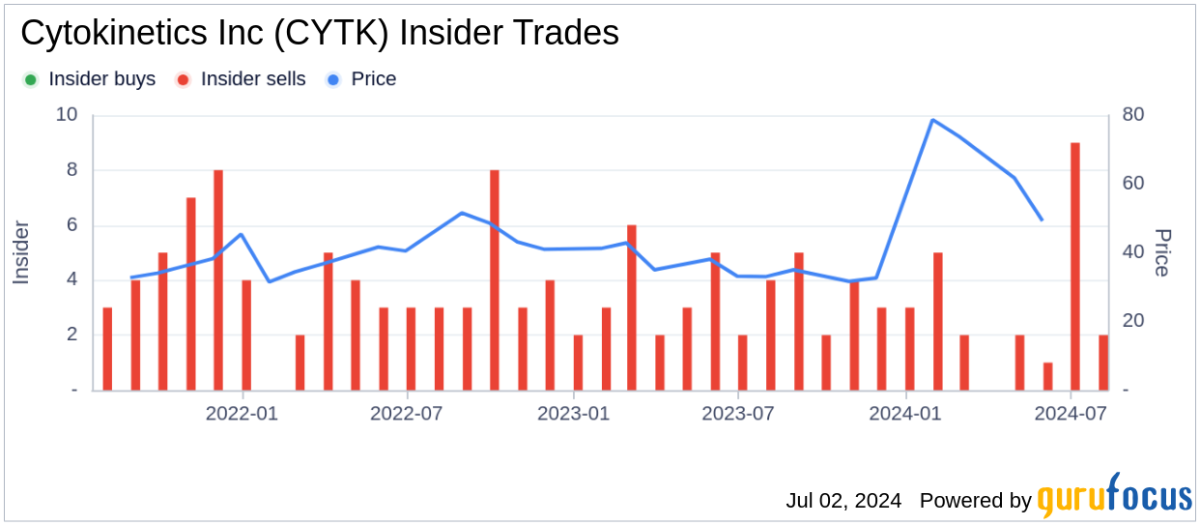
- FDA Approvals Boost Innovation: The FDA approved 44 new therapies in 2025, with 26 approvals in the second half, including Cytokinetics' Myqorzo after 27 years, highlighting a supportive regulatory environment for innovation.
- Clinical Trial Successes: Structure Therapeutics saw its stock more than double after its obesity drug trials showed over 15% weight loss in patients, demonstrating the direct impact of clinical success on company valuations.
EyePoint CEO Jay Duker to Present at 2026 J.P. Morgan Healthcare Conference
- Key Conference Presentation: EyePoint, Inc. CEO Jay S. Duker will present at the 44th Annual J.P. Morgan Healthcare Conference on January 13, 2026, showcasing the company's innovative advancements in retinal disease treatments, which is expected to attract investor interest and enhance corporate visibility.
- Clinical Trial Progress: EyePoint's lead product DURAVYU™ is currently undergoing Phase 3 pivotal trials, with topline data expected in mid-2026, which will provide crucial support for the company's future market launch and fundraising efforts.
- Product Innovation: DURAVYU™ combines the selective tyrosine kinase inhibitor vorolanib with next-generation bioerodible Durasert E™ technology, aimed at improving the quality of life for patients with serious retinal diseases, demonstrating the company's technological edge in the biopharmaceutical sector.
- Market Potential: EyePoint is committed to partnering with the retina community to drive long-term value creation, having approved four drugs over three decades and treated tens of thousands of eyes, indicating a strong foundation and future growth potential in the retinal disease treatment market.
EyePoint Grants 137,000 Stock Options to New Employees as Inducement Awards
- Stock Option Grant: EyePoint granted a total of 137,000 non-statutory stock options to nine new employees on December 15, 2025, with an exercise price of $16.40 per share, aimed at attracting and retaining talent to enhance the company's human resource advantage in the competitive biopharmaceutical industry.
- Incentive Mechanism: The option grants comply with NASDAQ Listing Rule 5635(c)(4) and were approved by the Compensation Committee, reflecting the company's strategic decision to attract new employees and enhance loyalty and engagement through long-term incentive mechanisms.
- Option Structure: The granted options vest over four years, with 25% vesting in the first year and the remainder vesting monthly, which not only aids in long-term employee retention but also ensures their ongoing contributions to the company's growth.
- Market Outlook: EyePoint is committed to developing innovative therapeutics for serious retinal diseases, and as the clinical trials for DURAVYU™ progress, the stock option grants will further motivate employees to strive for the company's long-term success, enhancing its competitive position in the biopharmaceutical sector.

EyePoint Grants 137,000 Stock Options to New Employees as Inducement Awards
- Stock Option Grant: On December 15, 2025, EyePoint granted a total of 137,000 non-statutory stock options to nine new employees, with an exercise price of $16.40 per share, aimed at attracting and retaining talent to enhance team stability.
- Incentive Structure: The options, compliant with NASDAQ Listing Rule 5635(c)(4), will vest over four years with 25% vesting on the first anniversary and the remainder in monthly installments, ensuring continued employee contribution during their tenure.
- Strategic Implications: By implementing such incentive measures, EyePoint not only attracts industry talent but also enhances employee loyalty and engagement, thereby boosting the company's innovation and competitive edge in retinal disease treatments.
- Future Outlook: EyePoint is committed to developing innovative therapies like DURAVYU™, with pivotal clinical trial data expected in mid-2026, and the stock option grants will help maintain team stability and execution capability during this critical period.
iShares Expanded Tech-Software ETF Underperforms
- ETF Performance Decline: The iShares Expanded Tech-Software Sector ETF fell approximately 4.9% in Monday afternoon trading, indicating a weak sentiment in the tech software sector that could undermine investor confidence and lead to capital outflows.
- Stock Underperformance: Within the ETF, Tenable Holdings saw a significant drop of about 10.1%, while Ringcentral declined by approximately 9.8%, reflecting challenges faced by these companies that may negatively impact the overall ETF performance.
- Market Reaction: As tech stocks face pressure, investors may reassess their investment strategies in the tech software industry, potentially leading to decreased liquidity for the ETF and affecting its future market performance.
- Investor Attention: With increasing market volatility, investors should closely monitor the performance of the ETF's component stocks to timely adjust their portfolios and mitigate potential losses.
EYPT Options Trading Analysis and Strategies
- Put Option Appeal: The current bid for the $12.50 put option is $2.50, and if an investor sells this option, they commit to buying the stock at $12.50, effectively lowering their cost basis to $10.00, which is about a 4% discount from the current price of $13.03, making it attractive for those interested in EYPT shares.
- Return Potential Analysis: Should the put option expire worthless, the investor would realize a 20% return on their cash commitment, equating to an annualized yield of 36.69%, highlighting the potential attractiveness of this strategy in the current market environment.
- Call Option Returns: The $15.00 call option has a bid of $3.00, and if an investor buys EYPT shares at $13.03 and sells this call option, they could achieve a total return of 38.14% if the stock is called away at expiration, showcasing the high return potential of this strategy.
- Volatility Comparison: The implied volatility for the put option is 149%, while for the call option it is 147%, compared to a trailing twelve-month actual volatility of 73%, indicating a high market expectation for future volatility in EYPT shares, which necessitates careful risk assessment by investors.
Biotech Stocks Surge at Year-End 2025, ETFs Gain 35.84%
- Sector Recovery: The iShares Biotechnology ETF surged 29.51% year-to-date by December 2025, while the State Street SPDR S&P Biotech ETF achieved an even higher gain of 35.84%, indicating a significant recovery in investor confidence in the biotech sector.
- Surge in M&A Activity: Six of the year's ten largest biopharma deals occurred in Q4, with Johnson & Johnson spending $14.6 billion on Intra Cellular Therapies, signaling a strong commitment from big pharma to expand their pipelines through acquisitions.
- FDA Approvals Boost Innovation: The FDA approved 44 new therapies in 2025, with 26 approvals in the second half, including Cytokinetics' Myqorzo after 27 years, highlighting a supportive regulatory environment for innovation.
- Clinical Trial Successes: Structure Therapeutics saw its stock more than double after its obesity drug trials showed over 15% weight loss in patients, demonstrating the direct impact of clinical success on company valuations.
EyePoint CEO Jay Duker to Present at 2026 J.P. Morgan Healthcare Conference
- Key Conference Presentation: EyePoint, Inc. CEO Jay S. Duker will present at the 44th Annual J.P. Morgan Healthcare Conference on January 13, 2026, showcasing the company's innovative advancements in retinal disease treatments, which is expected to attract investor interest and enhance corporate visibility.
- Clinical Trial Progress: EyePoint's lead product DURAVYU™ is currently undergoing Phase 3 pivotal trials, with topline data expected in mid-2026, which will provide crucial support for the company's future market launch and fundraising efforts.
- Product Innovation: DURAVYU™ combines the selective tyrosine kinase inhibitor vorolanib with next-generation bioerodible Durasert E™ technology, aimed at improving the quality of life for patients with serious retinal diseases, demonstrating the company's technological edge in the biopharmaceutical sector.
- Market Potential: EyePoint is committed to partnering with the retina community to drive long-term value creation, having approved four drugs over three decades and treated tens of thousands of eyes, indicating a strong foundation and future growth potential in the retinal disease treatment market.
EyePoint Grants 137,000 Stock Options to New Employees as Inducement Awards
- Stock Option Grant: EyePoint granted a total of 137,000 non-statutory stock options to nine new employees on December 15, 2025, with an exercise price of $16.40 per share, aimed at attracting and retaining talent to enhance the company's human resource advantage in the competitive biopharmaceutical industry.
- Incentive Mechanism: The option grants comply with NASDAQ Listing Rule 5635(c)(4) and were approved by the Compensation Committee, reflecting the company's strategic decision to attract new employees and enhance loyalty and engagement through long-term incentive mechanisms.
- Option Structure: The granted options vest over four years, with 25% vesting in the first year and the remainder vesting monthly, which not only aids in long-term employee retention but also ensures their ongoing contributions to the company's growth.
- Market Outlook: EyePoint is committed to developing innovative therapeutics for serious retinal diseases, and as the clinical trials for DURAVYU™ progress, the stock option grants will further motivate employees to strive for the company's long-term success, enhancing its competitive position in the biopharmaceutical sector.
EyePoint Grants 137,000 Stock Options to New Employees as Inducement Awards
- Stock Option Grant: On December 15, 2025, EyePoint granted a total of 137,000 non-statutory stock options to nine new employees, with an exercise price of $16.40 per share, aimed at attracting and retaining talent to enhance team stability.
- Incentive Structure: The options, compliant with NASDAQ Listing Rule 5635(c)(4), will vest over four years with 25% vesting on the first anniversary and the remainder in monthly installments, ensuring continued employee contribution during their tenure.
- Strategic Implications: By implementing such incentive measures, EyePoint not only attracts industry talent but also enhances employee loyalty and engagement, thereby boosting the company's innovation and competitive edge in retinal disease treatments.
- Future Outlook: EyePoint is committed to developing innovative therapies like DURAVYU™, with pivotal clinical trial data expected in mid-2026, and the stock option grants will help maintain team stability and execution capability during this critical period.




