Deutsche Bank Raises Rivian Price Target to $23


Institutional investors and professional traders rely on The Fly to keep up-to-the-second on breaking news in the electric vehicle and clean energy space, as well as which stocks in these sectors that the best analysts on Wall Street are saying to buy and sell.From the hotly-debated high-flier Tesla, Wall Street's newest darling Rivian, traditional-stalwarts turned EV-upstarts GMand Fordto the numerous SPAC-deal makers that have come public in this red-hot space, The Fly has you covered with "Charged," a weekly recap of the top stories and expert calls in the sector.Clickto check out Tesla's recent Media Buzz Sentiment as measured by TipRanks.BEYOND EVS:Tigress Financial resumed coverage of Tesla with a Buy rating and $550 price target. The firm sees long-term growth and value creation "increasingly" being driven by Tesla's evolution from a pure-play EV manufacturer into "a multi-layered physical AI platform." The firm sees "the physical AI growth flywheel" being driven by expanding Full Self Drive subscriptions, robotaxis, and Optimus humanoid robots to stack on top of "an already sizable and profitable EV and energy base," Tigress tells investors.CHINA SALES:Tesla's domestic sales in China collapsed 45% year-over-year in January, falling to just 18,485 units, the automaker's lowest monthly retail figure in the country since November 2022, Electrek's Fred Lambert. The data, released today by the China Passenger Car Association, paints a grim picture of Tesla's demand in the world's largest EV market, the author adds.CHINA-U.S. CAR PARTNERSHIPS:FordCEO Jim Farley spoke with senior White House officials about a potential roadmap for Chinese car makers to manufacture vehicles in the U.S. by partnering with American car companies, Bloomberg's David Welch, Keith Naughton, and Jenny Leonard, citing people familiar with the discussions. The rough framework that was talked about between Farley and Trump administration cabinet members last month would let Chinese automakers build vehicles in the U.S. through joint ventures with domestic automakers in which the U.S. firm holds a controlling interest, the authors say. Other publicly traded companies in the space include BYD, Geely, General Motors, Honda, Lucid Group, Mercedes-Benz, Nissan, Rivian, Stellantis, Tesla, Toyotaand Volkswagen.RESULTS:Shares of Rivian outperformed last week after the company reported Q4 losses per share of (66c) vs consensus of (79c), and Q4 revenue of $1.29B vs consensus of $1.27B. Rivian sees FY26 vehicle delivery between 62K-67K and FY26 adjusted EBITDA of ($1.21B)-($1.80B).Deutsche Bank upgraded Rivian to Buy from Hold with a price target of $23, up from $16, following the Q4 report. The firm sees early signs the company's "prospects are inflecting." Rivian's 2026 looks "de-risked" as volume expectations are "reasonable" and its vehicle costs continue to improve, Deutsche tells investors in a research note. The firm says the R2 launch is on track for Q2 at a time when competitors are "slow walking" their electric vehicle transitions. Deutsche sees an attractive risk/reward at current share levels. UBS also upgraded Rivian but to Neutral from Sell with a price target of $16, up from $15, following quarterly results.Meanwhile, DA Davidson analyst Michael Shlisky downgraded Rivian to Underperform from Neutral with a price target of $14, down from $15. The stock jumped 27% on Friday due to positive tone of the R2 launch, but the firm believe that R1 outlook was below its expectations while also noting that R2 launch is not "without significant risks", the analyst tells investors in a research note. To make its current outlook, Rivian will have to deliver the best mid-size EV launch since 2021 without the benefit of tax credits or a mass-channel dealer network, DA Davidson added.2009 GREENHOUSE GAS ENDANGERMENT FINDING:U.S. Environmental Protection Agency Administrator Lee Zeldin said in aon X, formerly Twitter, "In the single largest deregulatory action in U.S. history, President Trump and I are now announcing the repeal of the 2009 Obama EPA Endangerment Finding, ALL vehicle greenhouse gas emission standards that followed, and ALL off-cycle credits that include the much-despised start-stop feature in vehicles. This action will save over $1.3 TRILLION in costs for Americans!"BUY ENERGY FUELS:Goldman Sachs initiated coverage of Energy Fuelswith a Buy rating and $30 price target. The company owns and operates the highest-grade uranium deposit in the U.S. as well as the White Mesa Mill, which is a key competitive advantage for the company as it is the only processing facility in the U.S. that is able to process both uranium and rare earth elements, the firm tells investors in a research note. Goldman added that the company maintains a portfolio of three heavy mineral sands assets that aim to come online over the next five years.
Trade with 70% Backtested Accuracy
Analyst Views on TSLA

About TSLA
About the author

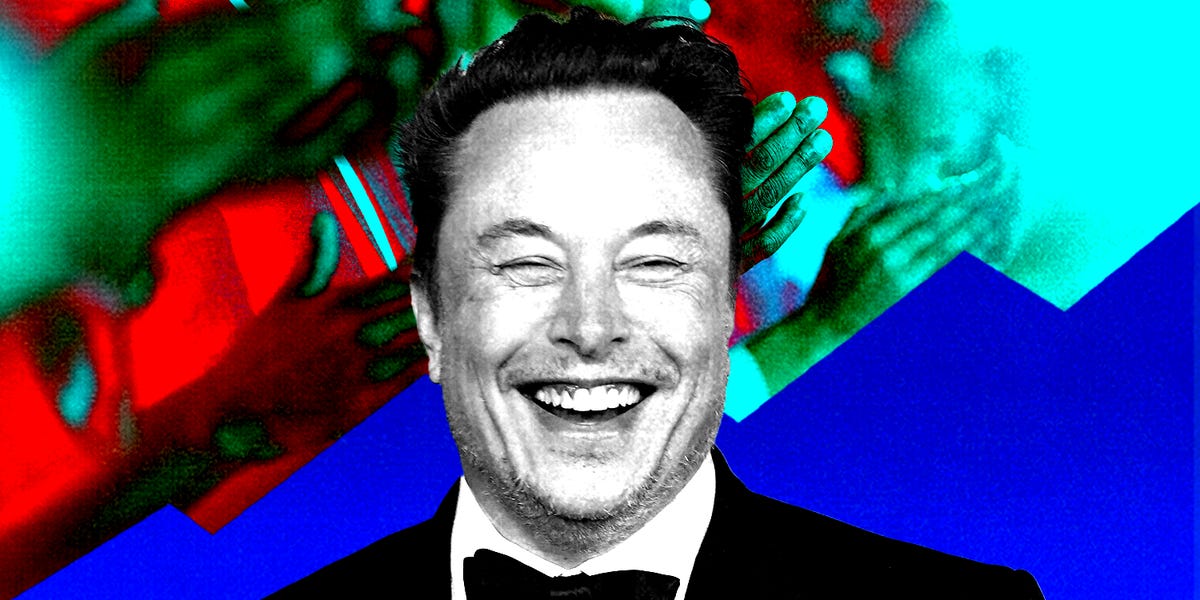
Tesla Doubles Down on AI Investment Amid Risks and Opportunities

- Increased Capital Expenditure: Tesla plans to more than double its capital expenditures from $8.5 billion to $20 billion in 2023, focusing on AI, robotics, and driverless technologies, reflecting the company's ambitious growth strategy but also introducing higher operational risks.
- Product Line Shift: The company will cease production of Model S and X vehicles to focus on manufacturing Optimus robots at its California factory, marking a significant strategic pivot that could impact the profitability of its EV business.
- Market Valuation Pressure: With Tesla trading at nearly 400 times its trailing earnings, investor expectations for future growth are extremely high, and failure to meet these expectations could lead to a significant sell-off in the stock, increasing investment risks.
- Long-Term Development Goals: Musk aims to launch Optimus robots to the public by 2027, and while this vision holds potential, the risks associated with the transition could adversely affect the company's short-term financial performance.

Charlie Munger Exits BYD Before Sales Decline
- Significant Investment Return: Charlie Munger invested $230 million in BYD in 2008 for a 10% stake, marking it as a successful investment for Berkshire Hathaway; however, the firm began exiting its position in 2022 and fully sold its stake by Q3 2025, just before a sales decline.
- Sales Decline Raises Concerns: According to Trung Phan on social media, BYD's sales dropped in the first two months of 2026, raising widespread market concern, particularly from Tesla CEO Elon Musk, who expressed worries about the trend.
- Market Sensitivity: Munger noted in an interview that he had never made a better investment at Berkshire than BYD, highlighting the company's influence in the EV market, yet the sales decline could impact its future market performance.
- Strategic Exit Timing: Berkshire's exit coincided with BYD's sales drop, indicating investors' sensitivity to market dynamics and risk aversion, which may affect other investors' confidence and market expectations.
Nvidia's Data Center Drives Growth with AI Innovations


- Data Center Dominance: Nvidia's fiscal 2026 revenue reached $215.9 billion, with data centers contributing 89.7%, highlighting its strong demand in the AI sector and market leadership, which will continue to drive growth.
- New Product Architecture: The newly launched Rubin architecture features six new chips designed to capitalize on the 'agentic AI inflection point', enhancing computational capabilities and providing robust support for enterprise-level AI applications, likely expanding market share.
- Physical AI Potential: Although physical AI contributed over $6 billion to Nvidia's 2026 revenue, accounting for less than 3% of total revenue, the anticipated proliferation of autonomous driving and robotics is expected to create hundreds of billions in market opportunities, driving diversified growth.
- Long-Term Growth Outlook: Nvidia's investment strategy does not rely on the rapid rise of physical AI, as its existing generative AI business is already a high-margin cash cow, and widespread adoption of agentic AI will further enhance the company's overall growth potential.
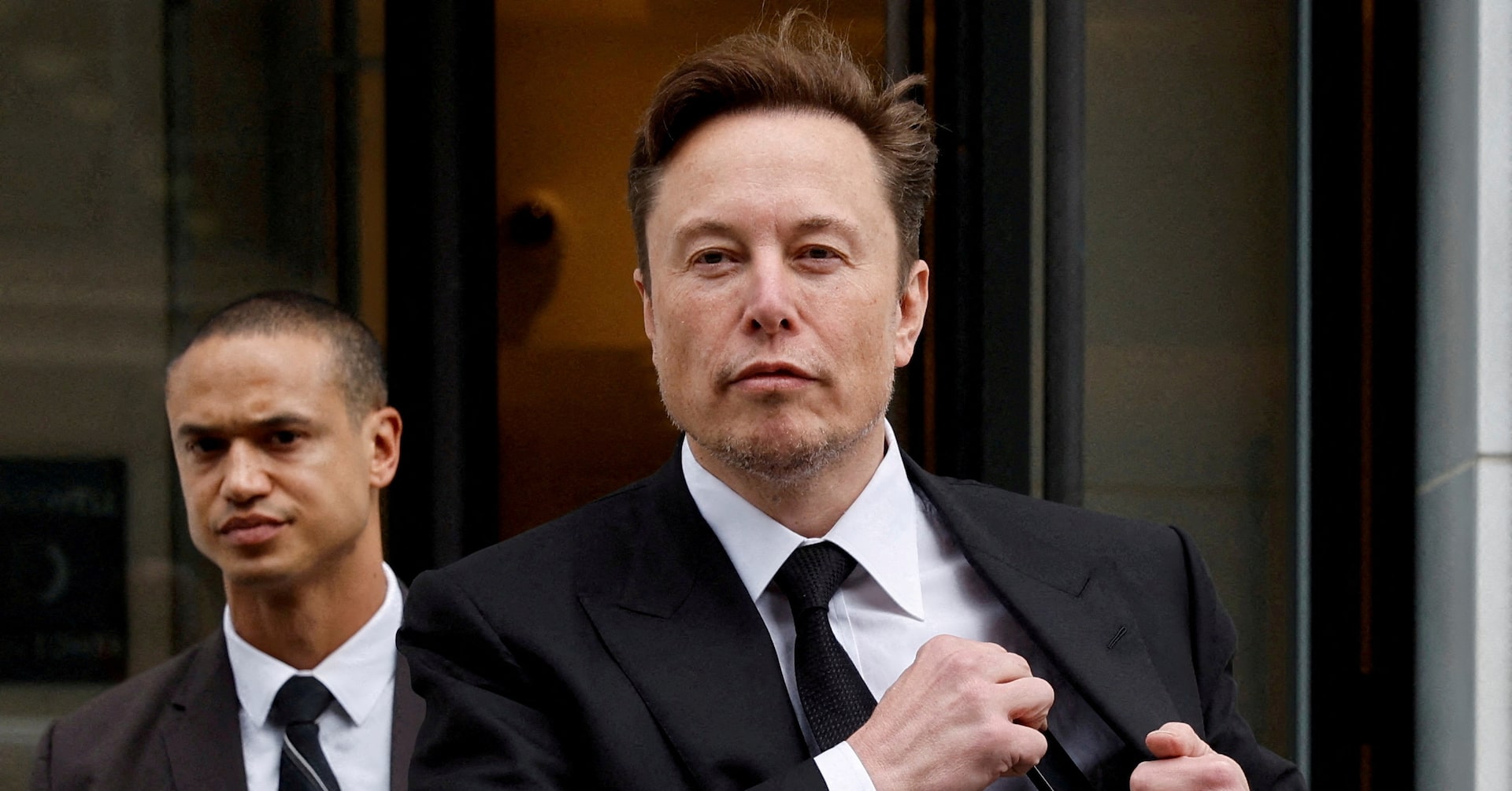
Tesla Loses Carbon Credit Revenue Stream as Major Clients Exit

- Client Loss Impact: Toyota and Stellantis have exited Tesla's carbon credit pool, indicating they will not purchase credits for 2026, which leads to a significant loss of revenue for Tesla and could adversely affect its future financial performance.
- Self-Reduction Strategy: Toyota aims to reduce emissions through new electric models like the bZ4X and Urban Cruiser, demonstrating confidence in its ability to manage emissions independently, potentially weakening Tesla's competitive edge in the carbon credit market.
- Independent Pool Plans: Stellantis is collaborating with Leapmotor to establish its own carbon credit pool, a move that could further dilute Tesla's market share and impact its standing in carbon credit trading.
- Stock Price Reaction: Tesla's stock fell 2.98% to $392.43 at market close on Tuesday, with an additional decline of 0.29% in after-hours trading, reflecting market concerns over the loss of carbon credit customers.
Nvidia Reports Record Revenue for Fiscal 2026
- Impressive Financials: Nvidia achieved a record $215.9 billion in revenue and $120.1 billion in net income for fiscal 2026, demonstrating strong performance in the data center segment, which is expected to continue driving stock growth over the next decade.
- Data Center Dominance: Data centers accounted for 89.7% of Nvidia's fiscal 2026 revenue, and while other segments like gaming and AI personal computing contribute less, there remains significant growth potential in these areas.
- New Product Architecture: The newly launched Rubin architecture features six new chips designed to support generative and agentic AI applications, which are expected to drive enterprise adoption of AI agents and expand market opportunities.
- Physical AI Market Potential: Nvidia's physical AI has already contributed over $6 billion in revenue for fiscal 2026, and although it currently serves niche markets, the expected proliferation of robotaxis and robotics could generate hundreds of billions in revenue over the next decade.
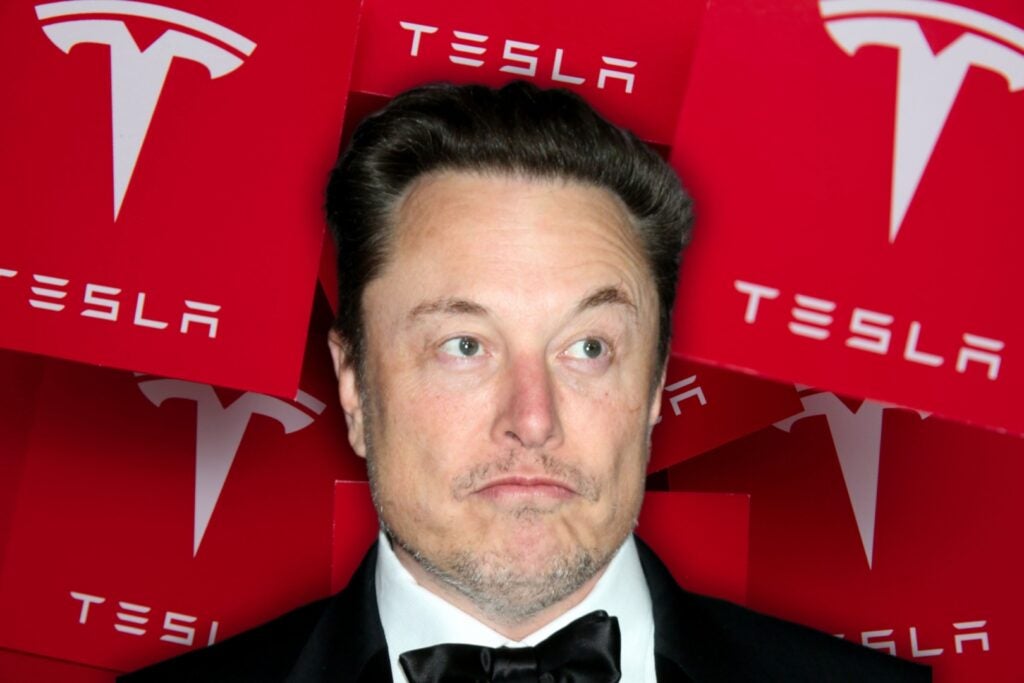
Concerns Rise Over AI's Impact on Employment

- Government Intervention Risk: Palantir CEO Karp warned at the Andreessen Horowitz summit that if AI leads to significant white-collar job losses while weakening ties with the U.S. military, Silicon Valley could face government intervention, raising concerns about the nationalization of technology.
- Layoff Trends Intensify: Block announced plans to cut about 40% of its workforce, with CEO Dorsey stating that AI tools enable companies to operate with smaller teams, reflecting a broader trend of layoffs across industries as firms like Amazon, HP, and Meta redirect spending towards AI initiatives.
- Growing Market Anxiety: Despite economists noting limited evidence of widespread AI-driven job losses, anxiety is rising as AI increasingly influences corporate hiring and restructuring decisions, particularly amid labor market churn and concerns about employment stability.
- Importance of Vocational Training: Karp previously argued that AI could reshape employment patterns and reduce the need for large-scale immigration, emphasizing the value of vocational training workers in the future job market and challenging the notion that traditional white-collar jobs are insulated from automation.
Tesla Doubles Down on AI Investment Amid Risks and Opportunities
- Increased Capital Expenditure: Tesla plans to more than double its capital expenditures from $8.5 billion to $20 billion in 2023, focusing on AI, robotics, and driverless technologies, reflecting the company's ambitious growth strategy but also introducing higher operational risks.
- Product Line Shift: The company will cease production of Model S and X vehicles to focus on manufacturing Optimus robots at its California factory, marking a significant strategic pivot that could impact the profitability of its EV business.
- Market Valuation Pressure: With Tesla trading at nearly 400 times its trailing earnings, investor expectations for future growth are extremely high, and failure to meet these expectations could lead to a significant sell-off in the stock, increasing investment risks.
- Long-Term Development Goals: Musk aims to launch Optimus robots to the public by 2027, and while this vision holds potential, the risks associated with the transition could adversely affect the company's short-term financial performance.
Charlie Munger Exits BYD Before Sales Decline
- Significant Investment Return: Charlie Munger invested $230 million in BYD in 2008 for a 10% stake, marking it as a successful investment for Berkshire Hathaway; however, the firm began exiting its position in 2022 and fully sold its stake by Q3 2025, just before a sales decline.
- Sales Decline Raises Concerns: According to Trung Phan on social media, BYD's sales dropped in the first two months of 2026, raising widespread market concern, particularly from Tesla CEO Elon Musk, who expressed worries about the trend.
- Market Sensitivity: Munger noted in an interview that he had never made a better investment at Berkshire than BYD, highlighting the company's influence in the EV market, yet the sales decline could impact its future market performance.
- Strategic Exit Timing: Berkshire's exit coincided with BYD's sales drop, indicating investors' sensitivity to market dynamics and risk aversion, which may affect other investors' confidence and market expectations.
Nvidia's Data Center Drives Growth with AI Innovations
- Data Center Dominance: Nvidia's fiscal 2026 revenue reached $215.9 billion, with data centers contributing 89.7%, highlighting its strong demand in the AI sector and market leadership, which will continue to drive growth.
- New Product Architecture: The newly launched Rubin architecture features six new chips designed to capitalize on the 'agentic AI inflection point', enhancing computational capabilities and providing robust support for enterprise-level AI applications, likely expanding market share.
- Physical AI Potential: Although physical AI contributed over $6 billion to Nvidia's 2026 revenue, accounting for less than 3% of total revenue, the anticipated proliferation of autonomous driving and robotics is expected to create hundreds of billions in market opportunities, driving diversified growth.
- Long-Term Growth Outlook: Nvidia's investment strategy does not rely on the rapid rise of physical AI, as its existing generative AI business is already a high-margin cash cow, and widespread adoption of agentic AI will further enhance the company's overall growth potential.
Tesla Loses Carbon Credit Revenue Stream as Major Clients Exit
- Client Loss Impact: Toyota and Stellantis have exited Tesla's carbon credit pool, indicating they will not purchase credits for 2026, which leads to a significant loss of revenue for Tesla and could adversely affect its future financial performance.
- Self-Reduction Strategy: Toyota aims to reduce emissions through new electric models like the bZ4X and Urban Cruiser, demonstrating confidence in its ability to manage emissions independently, potentially weakening Tesla's competitive edge in the carbon credit market.
- Independent Pool Plans: Stellantis is collaborating with Leapmotor to establish its own carbon credit pool, a move that could further dilute Tesla's market share and impact its standing in carbon credit trading.
- Stock Price Reaction: Tesla's stock fell 2.98% to $392.43 at market close on Tuesday, with an additional decline of 0.29% in after-hours trading, reflecting market concerns over the loss of carbon credit customers.
Nvidia Reports Record Revenue for Fiscal 2026
- Impressive Financials: Nvidia achieved a record $215.9 billion in revenue and $120.1 billion in net income for fiscal 2026, demonstrating strong performance in the data center segment, which is expected to continue driving stock growth over the next decade.
- Data Center Dominance: Data centers accounted for 89.7% of Nvidia's fiscal 2026 revenue, and while other segments like gaming and AI personal computing contribute less, there remains significant growth potential in these areas.
- New Product Architecture: The newly launched Rubin architecture features six new chips designed to support generative and agentic AI applications, which are expected to drive enterprise adoption of AI agents and expand market opportunities.
- Physical AI Market Potential: Nvidia's physical AI has already contributed over $6 billion in revenue for fiscal 2026, and although it currently serves niche markets, the expected proliferation of robotaxis and robotics could generate hundreds of billions in revenue over the next decade.
Concerns Rise Over AI's Impact on Employment
- Government Intervention Risk: Palantir CEO Karp warned at the Andreessen Horowitz summit that if AI leads to significant white-collar job losses while weakening ties with the U.S. military, Silicon Valley could face government intervention, raising concerns about the nationalization of technology.
- Layoff Trends Intensify: Block announced plans to cut about 40% of its workforce, with CEO Dorsey stating that AI tools enable companies to operate with smaller teams, reflecting a broader trend of layoffs across industries as firms like Amazon, HP, and Meta redirect spending towards AI initiatives.
- Growing Market Anxiety: Despite economists noting limited evidence of widespread AI-driven job losses, anxiety is rising as AI increasingly influences corporate hiring and restructuring decisions, particularly amid labor market churn and concerns about employment stability.
- Importance of Vocational Training: Karp previously argued that AI could reshape employment patterns and reduce the need for large-scale immigration, emphasizing the value of vocational training workers in the future job market and challenging the notion that traditional white-collar jobs are insulated from automation.