Delta Air Lines Orders 34 More Airbus A321neo Jets
Written by Emily J. Thompson, Senior Investment Analyst
Updated: 2 days ago
0mins
Should l Buy DAL?
Source: seekingalpha
- Fleet Renewal Strategy: Delta Air Lines announced the purchase of 34 additional Airbus A321neo jets, marking its third aircraft order in less than six weeks, demonstrating the company's commitment to refreshing its fleet for improved fuel efficiency and more premium seating.
- Total Order Commitment: This latest order raises Delta's total commitment for the A321neo to 189 aircraft, with 92 currently in service and 97 firm orders, along with options for an additional 36 jets, solidifying its market position.
- Fuel Efficiency Advantage: The A321neo offers the lowest unit cost among Delta's narrowbody jets and is 20%-30% more fuel-efficient than the aircraft it replaces, which will significantly reduce operational costs and enhance profitability.
- Enhanced Market Competitiveness: By increasing the number of first-class and extra-legroom seats, Delta enhances customer experience in the narrowbody market, which is expected to attract more premium travelers and strengthen its competitive edge.
Trade with 70% Backtested Accuracy
Stop guessing "Should I Buy DAL?" and start using high-conviction signals backed by rigorous historical data.
Sign up today to access powerful investing tools and make smarter, data-driven decisions.
Analyst Views on DAL
Wall Street analysts forecast DAL stock price to rise
18 Analyst Rating
18 Buy
0 Hold
0 Sell
Strong Buy
Current: 65.700

Low
77.00
Averages
83.50
High
90.00
Current: 65.700
Low
77.00
Averages
83.50
High
90.00
About DAL
Delta Air Lines, Inc. provides scheduled air transportation for passengers and cargo throughout the United States and around the world. The Company has hubs and markets in Amsterdam, Atlanta, Bogota, Boston, Detroit, Lima, London-Heathrow, Los Angeles, Mexico City, Minneapolis-St. Paul, New York-JFK and LaGuardia, Paris-Charles de Gaulle, Salt Lake City, Santiago (Chile), Sao Paulo, Seattle, Seoul-Incheon, and Tokyo. Its segments include Airline and Refinery. Its airline segment is managed as a single business unit that provides scheduled air transportation for passengers and cargo throughout the United States and around the world and includes its loyalty program, as well as other ancillary businesses. Its refinery segment operates for the benefit of the airline segment by providing jet fuel to the airline segment from its own production and through jet fuel obtained through agreements with third parties. The refinery's production consists of jet fuel as well as non-jet fuel products.
About the author

Emily J. Thompson
Emily J. Thompson, a Chartered Financial Analyst (CFA) with 12 years in investment research, graduated with honors from the Wharton School. Specializing in industrial and technology stocks, she provides in-depth analysis for Intellectia’s earnings and market brief reports.
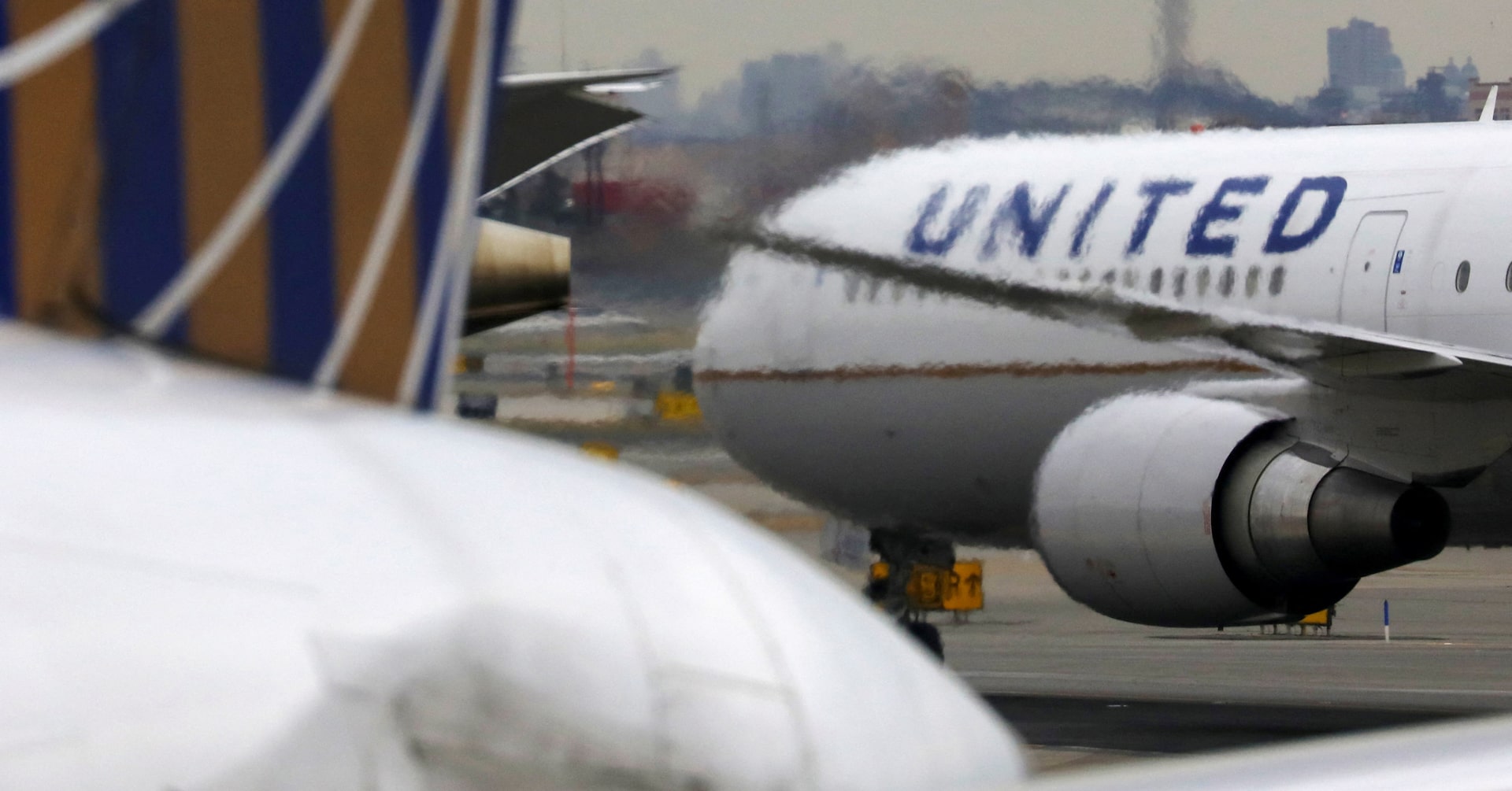
Delta Air Lines Orders 34 More Airbus A321neo Jets

- Fleet Renewal Strategy: Delta Air Lines announced the purchase of 34 additional Airbus A321neo jets, marking its third aircraft order in less than six weeks, demonstrating the company's commitment to refreshing its fleet for improved fuel efficiency and more premium seating.
- Total Order Commitment: This latest order raises Delta's total commitment for the A321neo to 189 aircraft, with 92 currently in service and 97 firm orders, along with options for an additional 36 jets, solidifying its market position.
- Fuel Efficiency Advantage: The A321neo offers the lowest unit cost among Delta's narrowbody jets and is 20%-30% more fuel-efficient than the aircraft it replaces, which will significantly reduce operational costs and enhance profitability.
- Enhanced Market Competitiveness: By increasing the number of first-class and extra-legroom seats, Delta enhances customer experience in the narrowbody market, which is expected to attract more premium travelers and strengthen its competitive edge.
See More

US Stocks Decline Amid Iran War Escalation


- Market Retreat: The S&P 500 index fell by 0.69% and the Nasdaq 100 by 0.65%, both hitting 1.5-week lows, indicating a heightened risk-off sentiment among investors due to the escalating conflict in Iran, which may lead to a reassessment of risk asset allocations.
- Oil Price Surge: WTI crude oil prices soared over 8% to an 8.25-month high as tanker traffic through the Strait of Hormuz largely halted, raising inflation expectations and potentially impacting overall economic growth forecasts.
- Airline Stocks Under Pressure: Airline stocks faced declines, with American Airlines down over 5% and Delta Air Lines down more than 2%, reflecting the negative impact of rising oil prices on profit outlooks in the aviation sector.
- Defense Stocks Rise: Defense stocks like Aerovironment surged over 15% amid expectations of increased defense spending due to the Iran war, indicating a potential boost in earnings prospects for companies in this sector.
See More
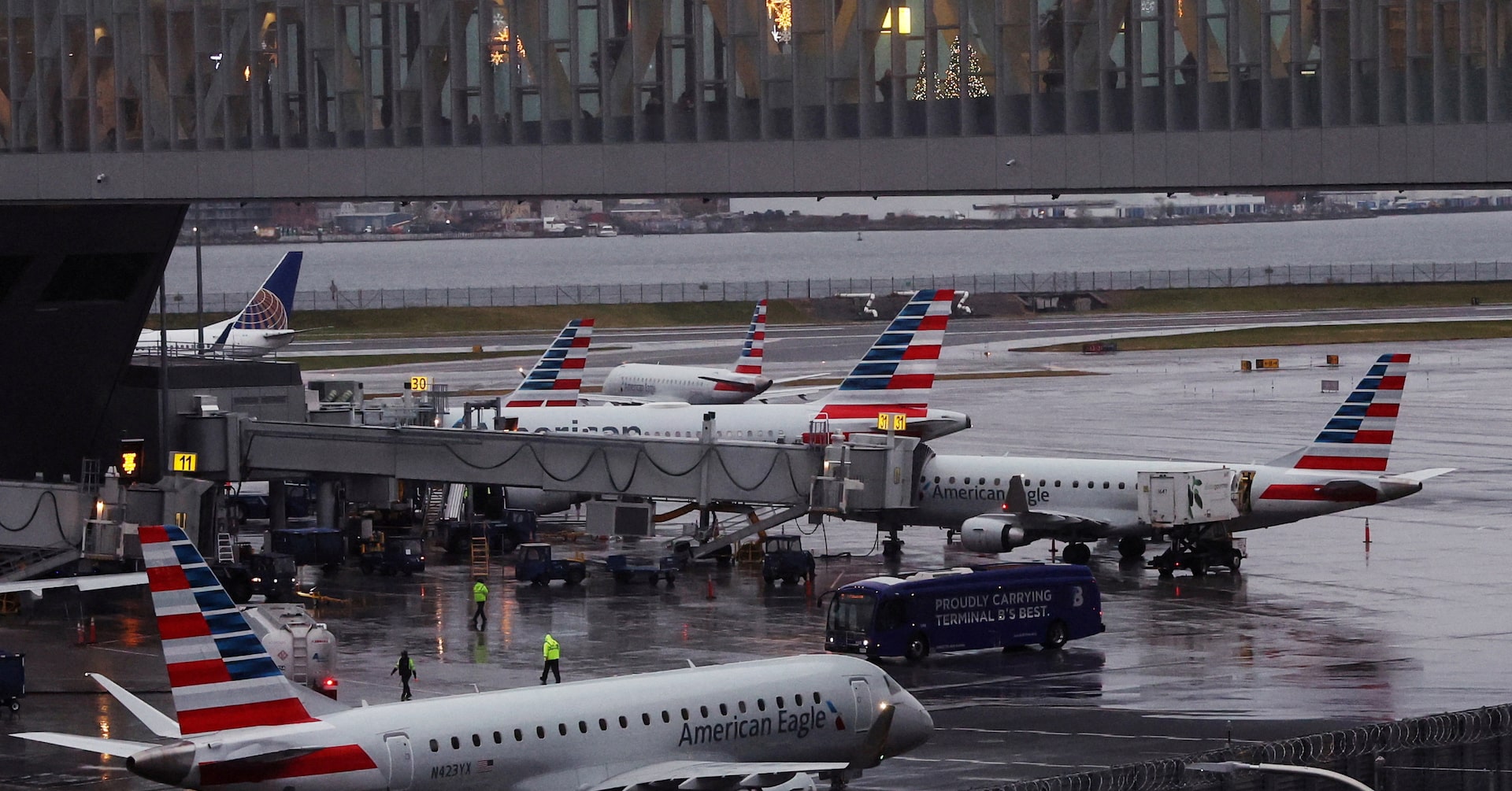
Airline Stocks Decline Amid Military Strikes and Flight Cancellations
- Military Action Impact: Joint U.S.-Israel military strikes on Iran have led to airspace closures across several countries, directly impacting the airline industry with over 2,400 flights canceled, presenting unprecedented operational challenges for carriers.
- Surge in Oil Prices: Fears that the conflict could disrupt shipments through the Strait of Hormuz have caused oil prices to spike, further increasing cost pressures on airlines, which could negatively affect their profitability and stock performance.
- Stock Price Declines: As of now, Delta's stock is down 2.56% to $64.04, United's down 4.09% to $101.91, American's down 4.82% to $12.44, and Southwest's down 2.48% to $48.10, reflecting strong investor reactions to the escalating situation.
- Market Reaction: The widespread decline in airline stocks amid escalating conflict and flight cancellations indicates market concerns over the future uncertainties and potential risks facing the airline sector, prompting investors to reassess the financial health of these companies.
See More

Middle East Airspace Closures Lead to Mass Flight Cancellations


- Flight Cancellations Impact: The closure of Middle Eastern airspace has led to over 1,560 flight cancellations, severely disrupting travel from Brazil to the Philippines, highlighting the profound impact of geopolitical conflicts on the global airline industry.
- Airline Stock Declines: Major airlines such as United, Delta, and American Airlines saw their stock prices drop by approximately 6%, reflecting investor concerns over profitability, particularly as United halted its most lucrative Tel Aviv route.
- Rising Oil Prices Affect Costs: The spike in oil prices significantly increases operational costs for airlines, especially those heavily reliant on international routes, further exacerbating market uncertainties.
- Hotel and Cruise Industries Hit: Shares of hotel chains like Marriott and Hilton fell, while cruise lines such as Royal Caribbean and Carnival experienced stock drops of 6% and 7%, respectively, indicating a broader impact on the travel sector.
See More

Iran Conflict Triggers Market Turmoil


- Iranian Leader Killed: The U.S.-Israeli operation that resulted in the death of Iran's Supreme Leader Ayatollah Khamenei has led to hundreds of Iranian civilian casualties, marking one of the most significant impacts on Iran since 1979, potentially escalating regional conflicts and altering global political dynamics.
- Market Response: Concerns over the conflict have sharply pulled back stock futures in premarket trading, while gold futures advanced as investors sought safe havens, indicating a strong market reaction to the heightened uncertainty surrounding future developments.
- Berkshire Hathaway Earnings Decline: In Warren Buffett's last quarter as CEO, Berkshire Hathaway reported a nearly 30% drop in operating earnings, primarily due to a 54% decline in profits from its insurance underwriting business, although new CEO Greg Abel's shareholder letter received positive feedback from analysts.
- AI Industry Developments: Trump forced U.S. agencies to cease using Anthropic's technology, while OpenAI secured a deal with the Department of Defense, highlighting intensifying competition in the AI sector; however, Anthropic's Claude AI app surged in popularity, suggesting a potential boost in public support for the company.
See More

Yatsen Holding Reports Q4 Earnings Decline

- Earnings Decline: Yatsen Holding Ltd reported adjusted earnings of 7 cents per share for Q4, down from 14 cents in the previous year, indicating a significant decline in profitability that could undermine investor confidence.
- Sales Growth: Despite the drop in earnings, Yatsen's sales increased from $157.347 million to $197.258 million, suggesting that the company still has growth potential in market demand, which may lay the groundwork for future recovery.
- Stock Price Volatility: Yatsen's shares fell 10.1% to $4.00 in pre-market trading, reflecting a negative market reaction to its earnings report, which could lead to increased selling pressure from investors in the short term.
- Market Trends: U.S. stock futures were generally lower, with Dow futures falling around 1%, indicating a broader market sentiment that may have a ripple effect on Yatsen and other stocks' performance.
See More
Delta Air Lines Orders 34 More Airbus A321neo Jets
- Fleet Renewal Strategy: Delta Air Lines announced the purchase of 34 additional Airbus A321neo jets, marking its third aircraft order in less than six weeks, demonstrating the company's commitment to refreshing its fleet for improved fuel efficiency and more premium seating.
- Total Order Commitment: This latest order raises Delta's total commitment for the A321neo to 189 aircraft, with 92 currently in service and 97 firm orders, along with options for an additional 36 jets, solidifying its market position.
- Fuel Efficiency Advantage: The A321neo offers the lowest unit cost among Delta's narrowbody jets and is 20%-30% more fuel-efficient than the aircraft it replaces, which will significantly reduce operational costs and enhance profitability.
- Enhanced Market Competitiveness: By increasing the number of first-class and extra-legroom seats, Delta enhances customer experience in the narrowbody market, which is expected to attract more premium travelers and strengthen its competitive edge.
See More
US Stocks Decline Amid Iran War Escalation
- Market Retreat: The S&P 500 index fell by 0.69% and the Nasdaq 100 by 0.65%, both hitting 1.5-week lows, indicating a heightened risk-off sentiment among investors due to the escalating conflict in Iran, which may lead to a reassessment of risk asset allocations.
- Oil Price Surge: WTI crude oil prices soared over 8% to an 8.25-month high as tanker traffic through the Strait of Hormuz largely halted, raising inflation expectations and potentially impacting overall economic growth forecasts.
- Airline Stocks Under Pressure: Airline stocks faced declines, with American Airlines down over 5% and Delta Air Lines down more than 2%, reflecting the negative impact of rising oil prices on profit outlooks in the aviation sector.
- Defense Stocks Rise: Defense stocks like Aerovironment surged over 15% amid expectations of increased defense spending due to the Iran war, indicating a potential boost in earnings prospects for companies in this sector.
See More
Airline Stocks Decline Amid Military Strikes and Flight Cancellations
- Military Action Impact: Joint U.S.-Israel military strikes on Iran have led to airspace closures across several countries, directly impacting the airline industry with over 2,400 flights canceled, presenting unprecedented operational challenges for carriers.
- Surge in Oil Prices: Fears that the conflict could disrupt shipments through the Strait of Hormuz have caused oil prices to spike, further increasing cost pressures on airlines, which could negatively affect their profitability and stock performance.
- Stock Price Declines: As of now, Delta's stock is down 2.56% to $64.04, United's down 4.09% to $101.91, American's down 4.82% to $12.44, and Southwest's down 2.48% to $48.10, reflecting strong investor reactions to the escalating situation.
- Market Reaction: The widespread decline in airline stocks amid escalating conflict and flight cancellations indicates market concerns over the future uncertainties and potential risks facing the airline sector, prompting investors to reassess the financial health of these companies.
See More
Middle East Airspace Closures Lead to Mass Flight Cancellations
- Flight Cancellations Impact: The closure of Middle Eastern airspace has led to over 1,560 flight cancellations, severely disrupting travel from Brazil to the Philippines, highlighting the profound impact of geopolitical conflicts on the global airline industry.
- Airline Stock Declines: Major airlines such as United, Delta, and American Airlines saw their stock prices drop by approximately 6%, reflecting investor concerns over profitability, particularly as United halted its most lucrative Tel Aviv route.
- Rising Oil Prices Affect Costs: The spike in oil prices significantly increases operational costs for airlines, especially those heavily reliant on international routes, further exacerbating market uncertainties.
- Hotel and Cruise Industries Hit: Shares of hotel chains like Marriott and Hilton fell, while cruise lines such as Royal Caribbean and Carnival experienced stock drops of 6% and 7%, respectively, indicating a broader impact on the travel sector.
See More
Iran Conflict Triggers Market Turmoil
- Iranian Leader Killed: The U.S.-Israeli operation that resulted in the death of Iran's Supreme Leader Ayatollah Khamenei has led to hundreds of Iranian civilian casualties, marking one of the most significant impacts on Iran since 1979, potentially escalating regional conflicts and altering global political dynamics.
- Market Response: Concerns over the conflict have sharply pulled back stock futures in premarket trading, while gold futures advanced as investors sought safe havens, indicating a strong market reaction to the heightened uncertainty surrounding future developments.
- Berkshire Hathaway Earnings Decline: In Warren Buffett's last quarter as CEO, Berkshire Hathaway reported a nearly 30% drop in operating earnings, primarily due to a 54% decline in profits from its insurance underwriting business, although new CEO Greg Abel's shareholder letter received positive feedback from analysts.
- AI Industry Developments: Trump forced U.S. agencies to cease using Anthropic's technology, while OpenAI secured a deal with the Department of Defense, highlighting intensifying competition in the AI sector; however, Anthropic's Claude AI app surged in popularity, suggesting a potential boost in public support for the company.
See More
Yatsen Holding Reports Q4 Earnings Decline
- Earnings Decline: Yatsen Holding Ltd reported adjusted earnings of 7 cents per share for Q4, down from 14 cents in the previous year, indicating a significant decline in profitability that could undermine investor confidence.
- Sales Growth: Despite the drop in earnings, Yatsen's sales increased from $157.347 million to $197.258 million, suggesting that the company still has growth potential in market demand, which may lay the groundwork for future recovery.
- Stock Price Volatility: Yatsen's shares fell 10.1% to $4.00 in pre-market trading, reflecting a negative market reaction to its earnings report, which could lead to increased selling pressure from investors in the short term.
- Market Trends: U.S. stock futures were generally lower, with Dow futures falling around 1%, indicating a broader market sentiment that may have a ripple effect on Yatsen and other stocks' performance.
See More