Nasdaq Drops More Than 100 Points; General Mills Reports Earnings Exceeding Expectations


U.S. Stock Market Performance: U.S. stocks showed mixed results, with the Dow rising 0.68% while the Nasdaq fell 0.52% and the S&P 500 dropped 0.12%. Consumer staples saw a 1.1% increase, contrasting with a 0.7% decline in information technology stocks.
Company Earnings Reports: General Mills reported better-than-expected fiscal Q1 results, with adjusted earnings of 86 cents per share. In contrast, Manchester United's shares fell 6% after mixed financial results, and Paramount Group's shares dropped 12% following an acquisition announcement.
Commodity Market Trends: Oil and gold prices both decreased by 0.3%, while silver and copper fell by 1.4%.
International Market Overview: European shares mostly rose, with the eurozone's STOXX 600 up 0.26%. Asian markets closed mostly higher, although Japan's Nikkei fell by 0.25%.
Trade with 70% Backtested Accuracy
Analyst Views on GIS

About GIS
About the author

Pokémon's 30th Anniversary Sparks New Momentum


- Brand Revival Opportunity: As Pokémon approaches its 30th anniversary, the brand's Super Bowl ad featuring celebrities like Lady Gaga is expected to attract new audiences and reignite nostalgia, creating fresh monetization opportunities for the franchise.
- Card Market Heat: Demand for Pokémon cards continues to surge, highlighted by the recent $16.5 million sale of a rare Pikachu Illustrator card, which enhances the brand's legitimacy among major investors and could draw increased attention and investment.
- Collectible Value: Leonhart emphasizes that the PSA 10-graded 1st Edition Base Set Charizard is the 'Mona Lisa' of collectibles, with its rarity and fame making it a sought-after investment, further boosting Pokémon's market value.
- Production Capacity Enhancement: The Pokémon Company is investing in new printing facilities to increase output and meet demand for popular sets and high-value chase cards, and while challenges exist now, improvements in production capabilities are anticipated in the future.

Analysis of High-Yield Stock Investments

- Enterprise Products Partners: Operating the largest pipeline business in North America, Enterprise Products Partners generates reliable fee income and boasts a 7% distribution yield, providing consistent cash flows despite slow growth, making it suitable for income-seeking investors.
- Realty Income: As the largest net lease REIT with over 15,500 properties, Realty Income offers a 4.8% dividend yield supported by 30 years of annual growth, although its economic sensitivity due to 80% of rents coming from retail assets warrants caution.
- General Mills: A large packaged food company with a 127-year dividend history, General Mills emphasizes dividends with a 5.4% yield, yet faces challenges from shifting consumer preferences and budget tightening, presenting potential turnaround opportunities if navigated successfully.
- Investment Risks and Returns: While the high yields from Enterprise, Realty Income, and General Mills attract investors, their respective risks should not be overlooked, with Realty Income and Enterprise being more suitable for conservative investors, while General Mills appeals to those with a more aggressive investment approach.

High-Yield Stock Analysis: Enterprise Products, Realty Income, and General Mills
- Enterprise Products Partners: With a 6% dividend yield, Enterprise Products Partners benefits from a reliable fee-based business model that ensures consistent cash flows even amid strong energy demand, supporting its high distributions.
- Realty Income Trust: As the largest net lease REIT with over 15,500 properties, Realty Income offers a 4.8% dividend yield; however, its economic sensitivity due to retail assets is mitigated by a robust 30-year track record of annual dividend growth.
- Challenges for General Mills: Known for its 5.4% dividend yield and 127 years of dividend payments, General Mills faces pressure from shifting consumer preferences towards healthier options, which may impact its stock performance during this investment year.
- Investor Strategy Considerations: While Enterprise Products and Realty Income are suited for conservative income investors, General Mills may appeal to those willing to take on more risk, given its potential for recovery amidst industry headwinds.

Investors Should Adopt a Defensive Strategy: Offload Staples and Invest in Healthcare.


- Investment Strategy: Investors are encouraged to shift their focus towards defensive stocks for better stability in uncertain markets.
- Sector Shift: The recommended approach is to sell off consumer staples and invest in the healthcare sector.

General Mills to Report Q3 Fiscal 2026 Results
- Earnings Release Schedule: General Mills is set to report its fiscal 2026 third-quarter results on March 18, 2026, with a press release, pre-recorded management remarks, and supporting slides issued that morning, followed by a webcast Q&A session at 8 a.m. CT to ensure timely information dissemination to investors.
- Brand Strategy: Guided by its Accelerate strategy, General Mills aims to boldly build its brands, relentlessly innovate, unleash scale, and stand for good, further solidifying its leadership position in the global food market.
- Financial Performance: In fiscal 2025, General Mills generated net sales of $19 billion, with an additional $1 billion from non-consolidated joint venture net sales, showcasing the company's strong market performance and profitability.
- Brand Portfolio: The company's portfolio includes beloved brands such as Cheerios, Nature Valley, and Blue Buffalo, which provide a solid foundation for future growth due to their widespread consumer recognition and loyalty.
Investment Opportunities in High-Dividend Stocks Amid Market Volatility


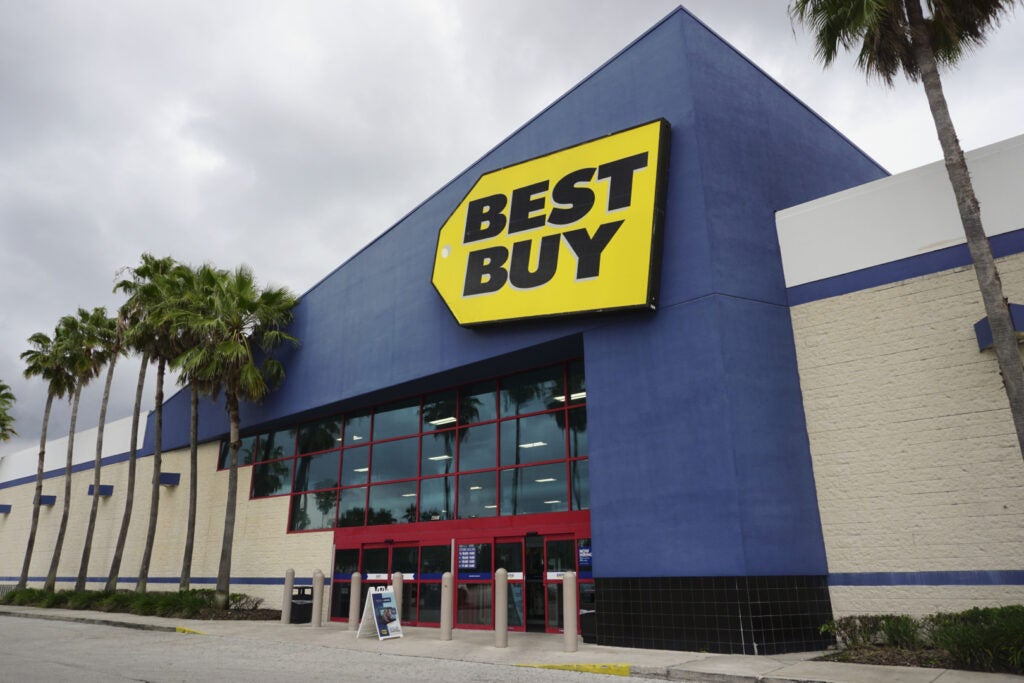
- Best Buy Potential: Best Buy shares have fallen over 30% due to slowing consumer spending and tariff uncertainties, and despite analysts downgrading the stock to 'Neutral', its current forward P/E of 11.5 suggests a potential entry point for long-term investors.
- Merger Outlook: Kimberly-Clark's $48.7 billion acquisition of Kenvue, while met with skepticism, is expected to yield $2.4 billion in annual cost savings, which could enhance shareholder value and dividend growth in the future.
- Kraft Heinz Recovery Potential: Kraft Heinz has paused its spin-off plans, and despite a 25% drop from its 52-week high, its current forward P/E is below 10, indicating potential undervaluation, with even minor improvements likely leading to a stock re-rating.
- Attractive Dividend Yields: All three companies offer high dividend yields, with Best Buy at 5.9%, Kimberly-Clark at 4.56%, and Kraft Heinz at 6.6%, providing investors with steady cash flow amidst market volatility.
Pokémon's 30th Anniversary Sparks New Momentum
- Brand Revival Opportunity: As Pokémon approaches its 30th anniversary, the brand's Super Bowl ad featuring celebrities like Lady Gaga is expected to attract new audiences and reignite nostalgia, creating fresh monetization opportunities for the franchise.
- Card Market Heat: Demand for Pokémon cards continues to surge, highlighted by the recent $16.5 million sale of a rare Pikachu Illustrator card, which enhances the brand's legitimacy among major investors and could draw increased attention and investment.
- Collectible Value: Leonhart emphasizes that the PSA 10-graded 1st Edition Base Set Charizard is the 'Mona Lisa' of collectibles, with its rarity and fame making it a sought-after investment, further boosting Pokémon's market value.
- Production Capacity Enhancement: The Pokémon Company is investing in new printing facilities to increase output and meet demand for popular sets and high-value chase cards, and while challenges exist now, improvements in production capabilities are anticipated in the future.
Analysis of High-Yield Stock Investments
- Enterprise Products Partners: Operating the largest pipeline business in North America, Enterprise Products Partners generates reliable fee income and boasts a 7% distribution yield, providing consistent cash flows despite slow growth, making it suitable for income-seeking investors.
- Realty Income: As the largest net lease REIT with over 15,500 properties, Realty Income offers a 4.8% dividend yield supported by 30 years of annual growth, although its economic sensitivity due to 80% of rents coming from retail assets warrants caution.
- General Mills: A large packaged food company with a 127-year dividend history, General Mills emphasizes dividends with a 5.4% yield, yet faces challenges from shifting consumer preferences and budget tightening, presenting potential turnaround opportunities if navigated successfully.
- Investment Risks and Returns: While the high yields from Enterprise, Realty Income, and General Mills attract investors, their respective risks should not be overlooked, with Realty Income and Enterprise being more suitable for conservative investors, while General Mills appeals to those with a more aggressive investment approach.
High-Yield Stock Analysis: Enterprise Products, Realty Income, and General Mills
- Enterprise Products Partners: With a 6% dividend yield, Enterprise Products Partners benefits from a reliable fee-based business model that ensures consistent cash flows even amid strong energy demand, supporting its high distributions.
- Realty Income Trust: As the largest net lease REIT with over 15,500 properties, Realty Income offers a 4.8% dividend yield; however, its economic sensitivity due to retail assets is mitigated by a robust 30-year track record of annual dividend growth.
- Challenges for General Mills: Known for its 5.4% dividend yield and 127 years of dividend payments, General Mills faces pressure from shifting consumer preferences towards healthier options, which may impact its stock performance during this investment year.
- Investor Strategy Considerations: While Enterprise Products and Realty Income are suited for conservative income investors, General Mills may appeal to those willing to take on more risk, given its potential for recovery amidst industry headwinds.
Investors Should Adopt a Defensive Strategy: Offload Staples and Invest in Healthcare.
- Investment Strategy: Investors are encouraged to shift their focus towards defensive stocks for better stability in uncertain markets.
- Sector Shift: The recommended approach is to sell off consumer staples and invest in the healthcare sector.
General Mills to Report Q3 Fiscal 2026 Results
- Earnings Release Schedule: General Mills is set to report its fiscal 2026 third-quarter results on March 18, 2026, with a press release, pre-recorded management remarks, and supporting slides issued that morning, followed by a webcast Q&A session at 8 a.m. CT to ensure timely information dissemination to investors.
- Brand Strategy: Guided by its Accelerate strategy, General Mills aims to boldly build its brands, relentlessly innovate, unleash scale, and stand for good, further solidifying its leadership position in the global food market.
- Financial Performance: In fiscal 2025, General Mills generated net sales of $19 billion, with an additional $1 billion from non-consolidated joint venture net sales, showcasing the company's strong market performance and profitability.
- Brand Portfolio: The company's portfolio includes beloved brands such as Cheerios, Nature Valley, and Blue Buffalo, which provide a solid foundation for future growth due to their widespread consumer recognition and loyalty.
Investment Opportunities in High-Dividend Stocks Amid Market Volatility
- Best Buy Potential: Best Buy shares have fallen over 30% due to slowing consumer spending and tariff uncertainties, and despite analysts downgrading the stock to 'Neutral', its current forward P/E of 11.5 suggests a potential entry point for long-term investors.
- Merger Outlook: Kimberly-Clark's $48.7 billion acquisition of Kenvue, while met with skepticism, is expected to yield $2.4 billion in annual cost savings, which could enhance shareholder value and dividend growth in the future.
- Kraft Heinz Recovery Potential: Kraft Heinz has paused its spin-off plans, and despite a 25% drop from its 52-week high, its current forward P/E is below 10, indicating potential undervaluation, with even minor improvements likely leading to a stock re-rating.
- Attractive Dividend Yields: All three companies offer high dividend yields, with Best Buy at 5.9%, Kimberly-Clark at 4.56%, and Kraft Heinz at 6.6%, providing investors with steady cash flow amidst market volatility.